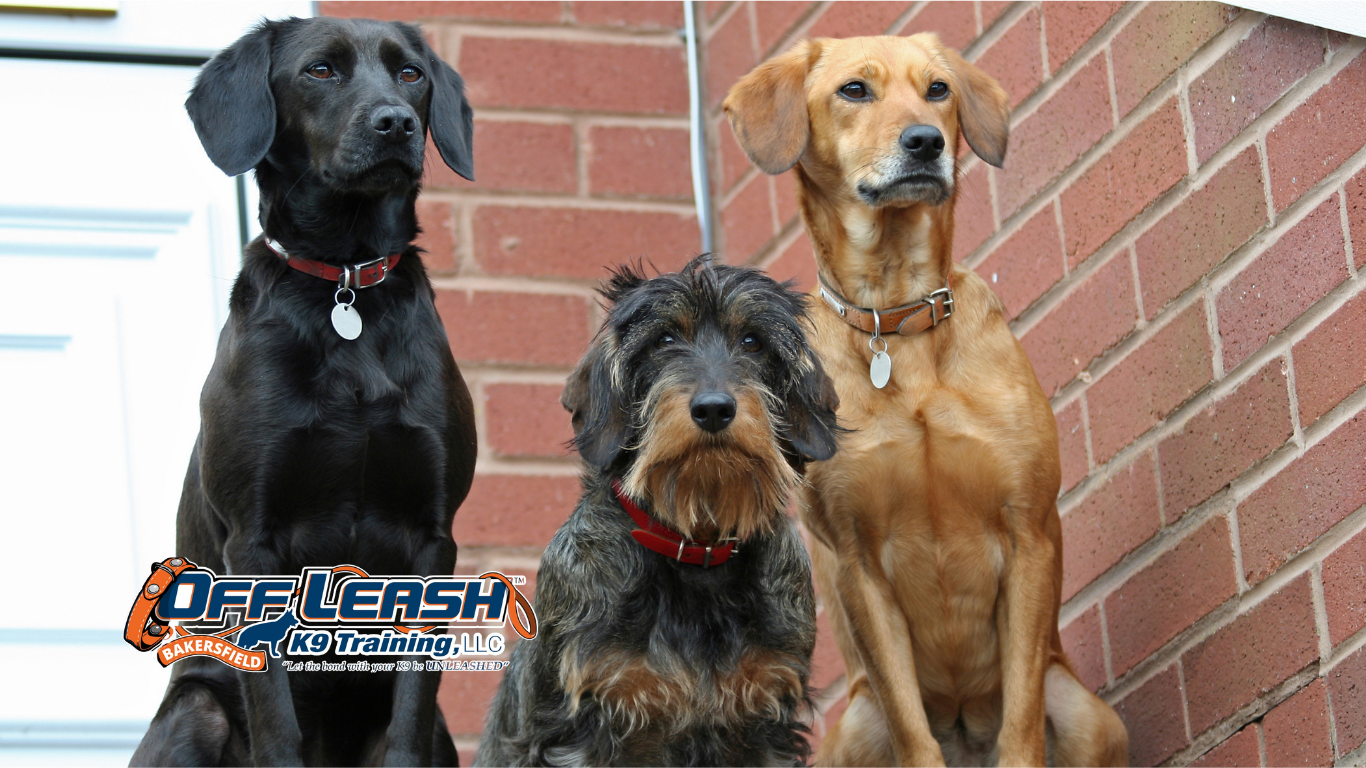
Waiting Patiently: Why Dogs Struggle With Waiting Patiently
Waiting Patiently is one of the most important life skills a dog can learn, yet it is also one of the most challenging. Many dogs struggle to remain calm when they know something exciting is about to happen. Whether they’re waiting for dinner, a walk, a favorite toy, visitors to arrive, or permission to go through a doorway, they often bark, whine, jump, pull, or become restless instead of waiting quietly.
These behaviors are not usually signs of stubbornness or disobedience. More often, they reflect emotional arousal combined with underdeveloped impulse control. Dogs naturally become excited when they anticipate something rewarding. Without training, they react immediately rather than pausing to think.
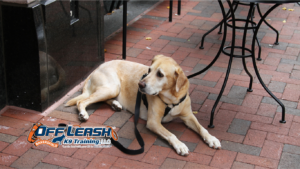
Dogs that struggle with waiting patiently may:
- Bark while waiting for food
- Whine before walks
- Jump on people
- Rush through doorways
- Grab treats
- Pull on the leash
- Pace around the house
- Ignore commands when excited
- Become frustrated easily
- Demand attention constantly
Patience is not something dogs are born knowing. Just like walking politely on a leash or responding to obedience commands, waiting calmly must be taught through repetition, consistency, and positive experiences.
Emotional regulation plays a major role in this process. A dog that can stay emotionally balanced is much more capable of waiting for rewards without becoming overwhelmed. Conversely, a dog that becomes highly excited often struggles to focus, listen, or make thoughtful decisions.
For Bakersfield dog owners, teaching patience improves nearly every aspect of daily life. Dogs that can wait calmly are easier to manage during walks, at veterinary appointments, when greeting visitors, during family meals, and in public settings. They also tend to be more confident, more attentive, and less reactive.
The encouraging news is that patience is a skill every dog can improve. Through structured training, impulse control exercises, and clear expectations, dogs learn that calm behavior—not rushing or demanding—is what consistently earns the rewards they want.
Key Takeaways
- Waiting patiently is a learned behavior.
- Excitement often reduces impulse control.
- Emotional regulation improves patience.
- Dogs repeat behaviors that earn rewards.
- Consistency is essential for teaching self-control.
- Small daily exercises build long-term patience.
- Calm behavior should always be rewarded.
- Puppies especially benefit from early impulse control training.
- Patience improves obedience in every environment.
- Most dogs become better at waiting through structured, positive training.
What Does “Waiting Patiently” Mean?
When dogs are waiting patiently, they remain calm and emotionally balanced while anticipating something they want. Instead of barking, whining, jumping, pulling, or rushing toward a reward, they pause, stay focused, and wait until they receive permission or a release cue.
Patience is not something dogs naturally understand.
In the wild, survival often depended on acting quickly when opportunities appeared. Food, prey, shelter, and safety required immediate responses. Modern pet dogs still possess these natural instincts, even though daily life asks them to wait much more often.
Throughout a normal day, dogs are expected to wait before:
- Eating meals
- Going outside
- Greeting visitors
- Getting into the car
- Chasing a toy
- Receiving attention
- Crossing a street
- Exiting a crate
- Walking through doors
- Playing with other dogs
Without training, many dogs respond immediately because excitement overrides thoughtful decision-making.
Teaching patience means helping dogs understand that calm behavior consistently leads to good outcomes.
Why Patience Is a Learned Skill
Owners sometimes assume calm dogs were simply born that way.
In reality, patience develops through repetition.
Each successful waiting experience teaches the dog’s brain:
“I don’t have to rush.”
Over time, waiting becomes easier because the dog develops confidence that rewards will still arrive without demanding them.
Why Dogs Struggle With Waiting
Many dogs struggle because waiting creates emotional conflict.
They know something rewarding is about to happen.
At the same time, they must resist the urge to act immediately.
This conflict often produces behaviors such as:
- Barking
- Whining
- Jumping
- Pawing
- Pulling
- Spinning
- Pacing
- Grabbing
- Lunging
- Ignoring commands
These behaviors usually reflect excitement or frustration—not stubbornness.
Anticipation Builds Excitement
Dogs quickly recognize predictable routines.
Examples include:
Picking up the leash.
Opening the treat jar.
Preparing dinner.
Walking toward the front door.
Each event predicts something enjoyable.
As anticipation grows, emotional arousal increases.
Without impulse control, many dogs struggle to remain calm.
Puppies Find Waiting Especially Difficult
Young dogs have limited emotional self-control.
Everything feels exciting.
Everything seems urgent.
Puppies often:
- Jump repeatedly
- Mouth hands
- Bark
- Whine
- Rush through doors
- Grab treats quickly
These behaviors improve naturally with structured patience training.
Excitement vs. Frustration
Not every impatient dog feels the same emotion.
Some are excited.
Others become frustrated.
The behaviors often appear similar while the emotional causes differ.
Excited Dogs May:
- Bounce
- Wag rapidly
- Bark happily
- Spin
- Pull forward
- Jump
They simply cannot contain their enthusiasm.
Frustrated Dogs May:
- Bark loudly
- Whine continuously
- Paw repeatedly
- Pull harder
- Ignore commands
- Become increasingly restless
These dogs become upset because they cannot immediately access what they want.
Why Frustration Develops
Frustration occurs when dogs expect a reward but cannot reach it immediately.
Examples include:
Waiting for dinner.
Watching another dog play.
Standing behind a closed gate.
Seeing a squirrel.
Waiting to greet visitors.
Without practice managing frustration, emotional arousal rises quickly.
Why Emotion Affects Learning
Highly emotional dogs often struggle to:
- Listen
- Focus
- Solve problems
- Remember cues
- Make thoughtful decisions
Helping dogs regulate excitement improves every area of obedience training.
The Science of Impulse Control
Impulse control is the ability to pause before acting.
Instead of reacting automatically, dogs learn to think first.
This ability develops gradually through repeated practice.
Examples include:
Seeing food.
Pausing.
Waiting for permission.
Then eating.
Or:
Seeing an open door.
Remaining seated.
Waiting calmly.
Then walking through.
Each successful repetition strengthens self-control.
Why the Brain Prefers Immediate Rewards
Like people, dogs naturally prefer immediate rewards over delayed ones.
Immediate rewards require no waiting.
Delayed rewards require emotional regulation.
Training gradually teaches dogs that waiting produces equal—or even better—outcomes.
This shift changes how they approach exciting situations.
Everyday Situations That Require Patience
Patience influences nearly every part of a dog’s daily life.
Common examples include:
Mealtime
Rather than rushing the bowl, dogs learn to:
- Sit calmly
- Maintain focus
- Wait for release
Doorways
Instead of charging outside, dogs pause before:
- Front doors
- Gates
- Vehicles
- Crates
This improves both safety and impulse control.
Greeting Visitors
Excited dogs often:
- Jump
- Bark
- Spin
Patient dogs learn to remain calm until guests approach appropriately.
Walks
Before leaving the house, dogs practice waiting for:
- The leash
- The door to open
- Permission to move forward
Beginning the walk calmly often leads to better behavior throughout the outing.
Toys and Play
Patience also applies during games.
Rather than grabbing toys immediately, dogs learn to wait for:
- A throw
- A release cue
- Permission to chase
This improves focus and reduces impulsive behavior.
Emotional Regulation and Delayed Rewards
Emotional regulation allows dogs to remain calm while waiting for something they want.
Instead of becoming overwhelmed by excitement, they learn to tolerate short delays without frustration.
This ability develops through small, successful experiences.
Helpful exercises include:
- Wait before meals
- Sit before greeting people
- Stay before retrieving toys
- Place training
- Delayed treat rewards
- Calm leash clipping
- Waiting at doors
Each exercise teaches the dog that patience leads to success.
Over time, delayed rewards become less frustrating because the dog develops confidence that good things still happen without rushing, barking, or demanding attention. As emotional regulation improves, waiting patiently becomes a natural habit that strengthens obedience, reduces frustration, and creates a calmer, more confident companion in every aspect of daily life.
Common Owner Mistakes
Teaching a dog to wait patiently requires consistency and clear expectations. Unfortunately, many owners unknowingly reinforce impulsive behavior during everyday routines. Because waiting opportunities occur dozens of times each day, even small habits can shape long-term behavior.
Recognizing these common mistakes helps dogs develop stronger impulse control and emotional regulation.
Giving Rewards Too Quickly
One of the most common mistakes is rewarding excitement instead of calmness.
For example:
- Putting the food bowl down while the dog is jumping.
- Opening the door while the dog is pulling.
- Throwing the ball while the dog is barking.
- Greeting the dog while they are bouncing.
From the dog’s perspective:
“Excitement makes good things happen.”
Instead, wait for a brief moment of calm before delivering the reward.
Repeating Commands
Owners often say:
- Wait.
- Sit.
- Stay.
- Calm down.
multiple times without giving the dog an opportunity to think.
Instead of repeating commands, calmly wait for the desired behavior.
Dogs learn more effectively when they discover that calm choices produce rewards.
Asking for Too Much Too Soon
Patience develops gradually.
Expecting a young puppy or easily excited dog to remain still for several minutes often leads to frustration.
Begin with:
- Two seconds
- Five seconds
- Ten seconds
Gradually increase the waiting period as your dog’s confidence grows.
Rewarding Impatience
Many owners accidentally reinforce behaviors such as:
- Barking
- Pawing
- Whining
- Jumping
- Pulling
Simply because they want to move on with their day.
For example:
The dog whines at the door.
The owner opens it.
The whining worked.
Consistency is essential.
Becoming Frustrated
Dogs are learning an entirely new skill.
If owners become impatient, raise their voice, or rush training sessions, the dog may become even more emotionally aroused.
Remaining calm helps dogs remain calm.
Teaching Dogs to Wait Calmly
Patience grows through hundreds of small, successful repetitions.
Daily routines provide excellent opportunities to practice.
Practice Before Meals
Meal preparation naturally motivates most dogs.
Ask for:
- Sit
- Wait
Lower the food bowl slowly.
If your dog stands up, calmly lift the bowl and try again.
Release them only after they remain calm for a few seconds.
Wait at Doorways
Before opening:
- Front doors
- Backyard gates
- Car doors
ask your dog to pause.
The reward is not food.
The reward is permission to move forward.
This simple exercise strengthens impulse control throughout the day.
Practice During Walks
Before clipping on the leash:
- Wait for calm behavior.
- Reward patience.
- Open the door only when your dog is relaxed.
Starting walks calmly often improves the entire outing.
Teach Place
Place training teaches dogs to relax while waiting.
Dogs learn to:
- Stay on a bed.
- Watch calmly.
- Ignore distractions.
- Wait for release.
This skill becomes valuable during:
- Family meals
- Visitors
- Phone calls
- Household chores
- Children’s activities
Reward Calm Choices
Throughout the day, notice when your dog:
- Lies quietly
- Waits politely
- Looks at you calmly
- Resists rushing
- Chooses self-control
Reward these moments.
Dogs repeat behaviors that consistently earn positive outcomes.
Waiting Patiently in Bakersfield
For Bakersfield dog owners, patience is an essential skill in many everyday situations.
Dogs regularly encounter opportunities to wait calmly during:
- Neighborhood walks
- Veterinary appointments
- Grooming visits
- Outdoor restaurants
- Community parks
- Farmers markets
- Training classes
- Pet-friendly businesses
Professional dog training helps Bakersfield owners improve:
- Impulse control
- Emotional regulation
- Public obedience
- Loose leash walking
- Calm greetings
- Household manners
Real-world practice helps dogs apply patience in increasingly distracting environments.
Long-Term Benefits of Patience Training
Teaching patience creates improvements throughout nearly every aspect of a dog’s life.
Benefits include:
- Better impulse control
- Reduced barking
- Improved focus
- Better leash manners
- Calmer greetings
- Increased confidence
- Greater emotional regulation
- Improved obedience
- Easier public outings
- Stronger owner relationship
Dogs that understand how to wait calmly recover more quickly from excitement and make better decisions in challenging situations.
Frequently Asked Questions
1. Why is waiting so difficult for my dog?
2. At what age can puppies learn patience?
Puppies can begin learning simple waiting exercises as soon as they start basic training. Keep sessions short and rewarding to match their developmental stage.
3. Is waiting the same as Stay?
No. Wait usually means pause briefly until released, while Stay typically asks the dog to remain in position regardless of distractions until given a release cue.
4. Why does my dog bark while waiting?
Barking often reflects excitement or frustration. Your dog is communicating that they want immediate access to something rewarding.
5. Should I reward my dog for waiting?
Yes. Calm waiting should be rewarded consistently so your dog learns that patience produces positive outcomes.
6. Can waiting exercises reduce leash pulling?
Absolutely. Dogs that develop impulse control at home often show better self-control during walks, reducing pulling and other impulsive behaviors.
7. How long should my dog wait?
Start with only a few seconds. Gradually increase the duration as your dog becomes more successful and relaxed.
8. Can professional training improve patience?
Yes. Professional trainers can create structured exercises that strengthen impulse control, emotional regulation, and everyday obedience.
9. Does patience help reactive dogs?
Yes. Improved emotional regulation often helps reactive dogs pause and think before responding impulsively to distractions or triggers.
10. Will my dog eventually wait calmly without treats?
Most dogs do. Once calm waiting becomes a habit, praise, life rewards, and occasional reinforcement are often enough to maintain the behavior.
Comprehensive Conclusion
Waiting Patiently is one of the most valuable life skills a dog can develop. Whether waiting for meals, walks, toys, visitors, or permission to go through a doorway, the ability to pause instead of reacting immediately demonstrates strong emotional regulation and impulse control. Rather than being born with patience, dogs learn it through consistent guidance, repetition, and positive experiences.
The encouraging news is that every day offers opportunities to practice. Small exercises before meals, at doors, during walks, and throughout household routines gradually teach dogs that calm behavior—not barking, whining, pulling, or jumping—is what consistently earns rewards. As dogs become more comfortable with delayed gratification, frustration decreases and confidence grows.
For Bakersfield dog owners, patience training creates benefits that extend far beyond the home. Dogs that can wait calmly are easier to manage at parks, veterinary clinics, outdoor cafés, community events, and pet-friendly businesses. These same skills improve leash manners, greetings, obedience, and overall public behavior, making daily life more enjoyable for both dogs and their families.
Ultimately, patience is not about making dogs wait for the sake of waiting. It is about teaching them how to remain emotionally balanced when exciting opportunities arise. With structured practice, positive reinforcement, and clear expectations, most dogs learn that they do not need to rush to succeed. Instead, they discover that calm choices consistently lead to the rewards they want, creating a more confident, focused, and well-mannered companion for years to come.
Website Contact Form
"*" indicates required fields