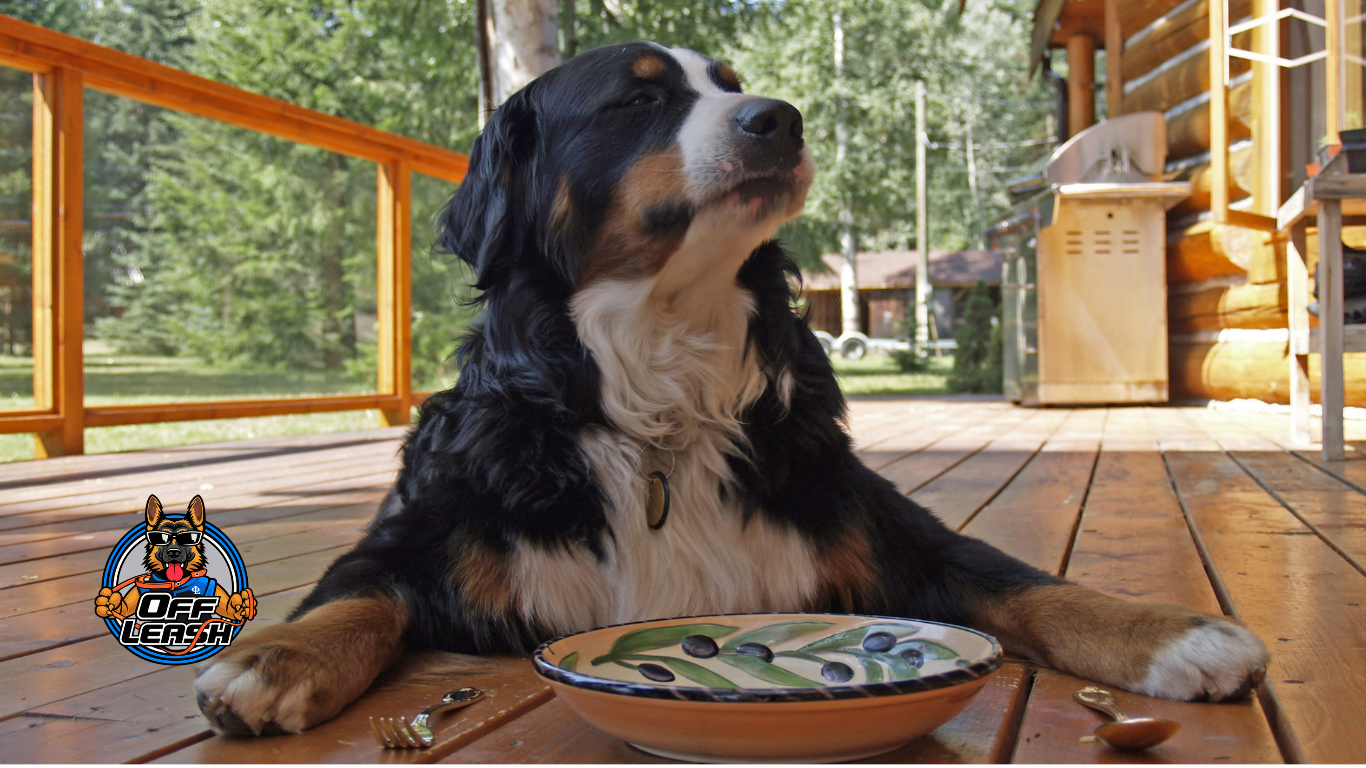

Why Dogs Have Trouble Waiting When They Know Something Is Coming
Have you ever noticed your dog becoming restless the moment they realize something exciting is about to happen? Maybe they start pacing when you reach for the leash, barking when you prepare their food, or jumping around when they see you getting ready to leave the house. Even though they know something enjoyable is coming, waiting for it can feel
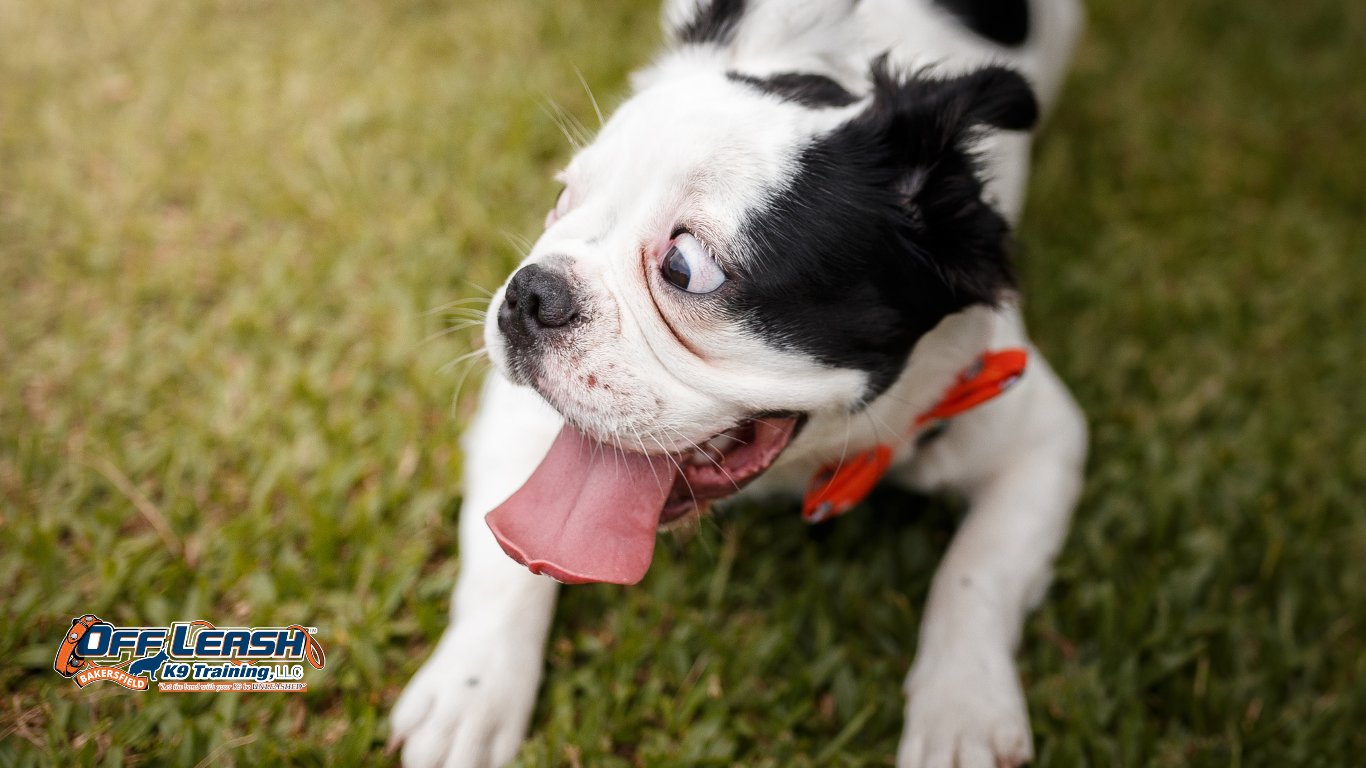
How to Teach Your Dog to Move Aside Without Being Pushed
Dogs often choose comfortable places to rest, stand near their owners, or position themselves in busy areas of the home. Sometimes, they settle directly in a doorway, block a hallway, stand in front of a cabinet, or remain exactly where someone needs to walk. Although these situations may seem like minor inconveniences, repeatedly pushing or physically moving a dog can
Why Dogs Become Frustrated When They Cannot Reach Something
Dogs naturally want to explore their surroundings, investigate interesting objects, greet other animals, and move toward things that catch their attention. But what happens when something they want is just beyond their reach? A dog may begin whining, barking, pulling, jumping, or pacing when they cannot get to something they find interesting. Some dogs become increasingly excited, while others show
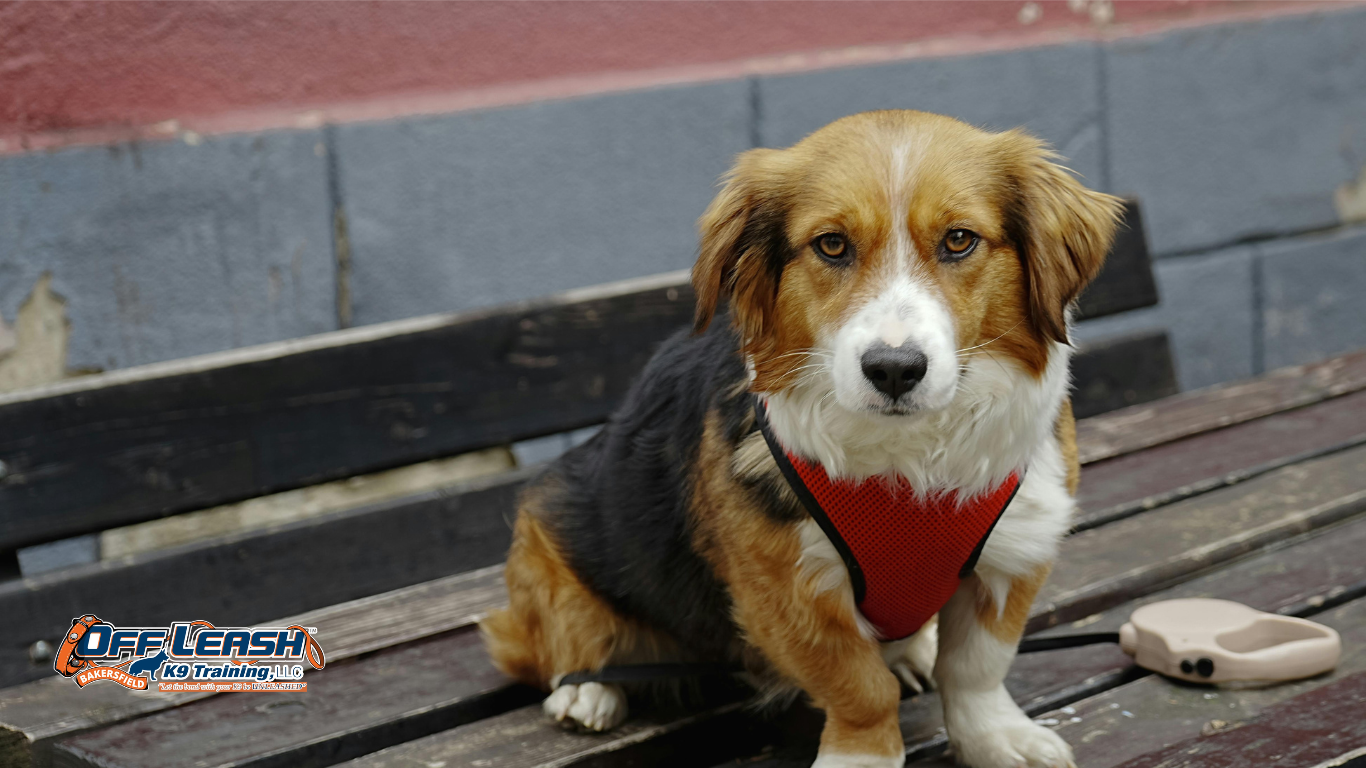
How to Help Your Dog Respond Calmly to Unexpected Sounds
Unexpected sounds are part of everyday life. A car door slams, a delivery truck backs up, a smoke alarm beeps, or something falls unexpectedly in another room. While people may barely notice these noises, dogs can react with barking, jumping, hiding, or sudden bursts of excitement. Helping your dog respond calmly to unexpected sounds is about more than teaching them
How to Teach Your Dog to Stay Relaxed While You Handle Daily Chores
Keeping up with daily chores can be challenging when your dog wants to participate in everything you do. Whether you are cleaning, cooking, folding laundry, washing dishes, or organizing the house, your dog may follow you from room to room, demand attention, get underfoot, or become excited whenever you move. Although these behaviors can seem harmless, they can make everyday
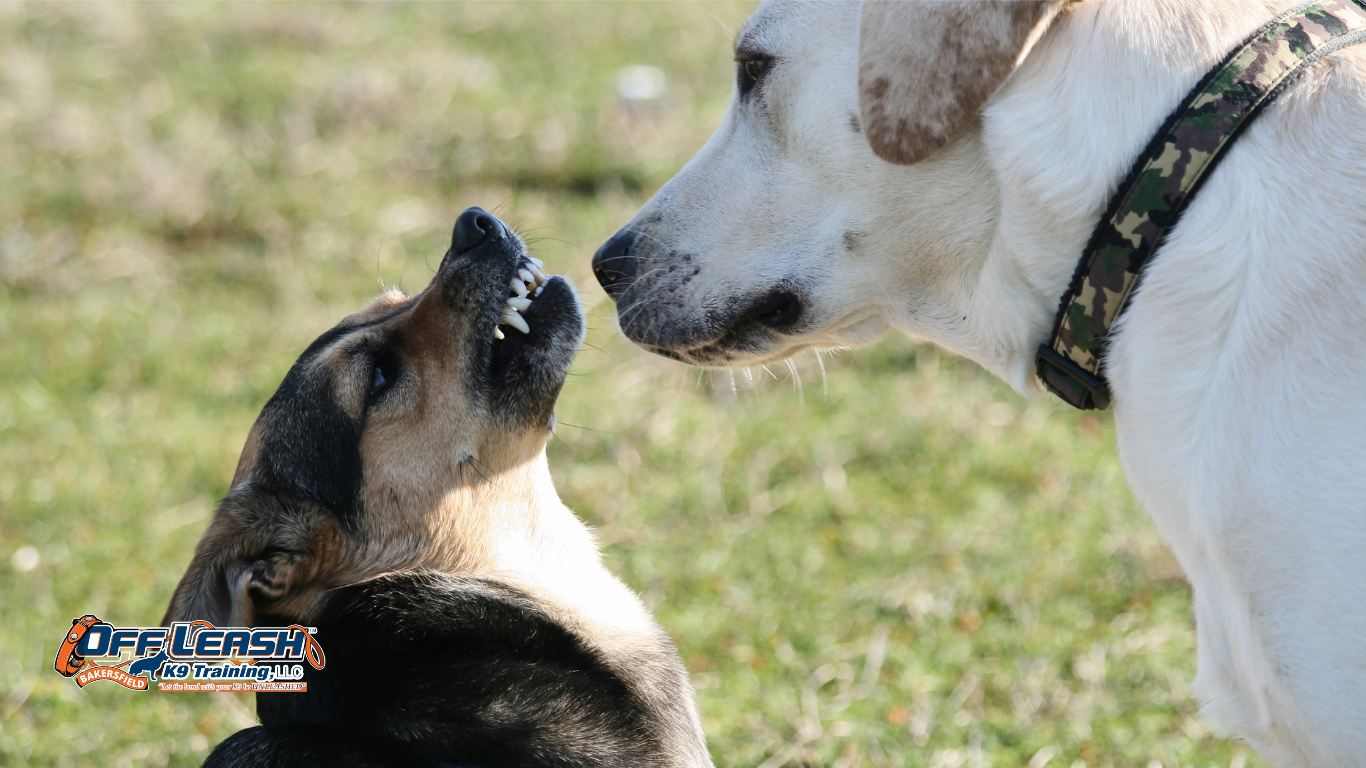
Why Dogs Struggle to Stop Repeating Unwanted Behaviors
Dogs often repeat behaviors their owners would rather they stop. A dog may bark at every passing person, jump on guests, pull on the leash, steal household items, or ignore familiar commands when something more interesting catches their attention. Even after repeated corrections, the same actions can return again and again. This can be frustrating, especially when you feel like
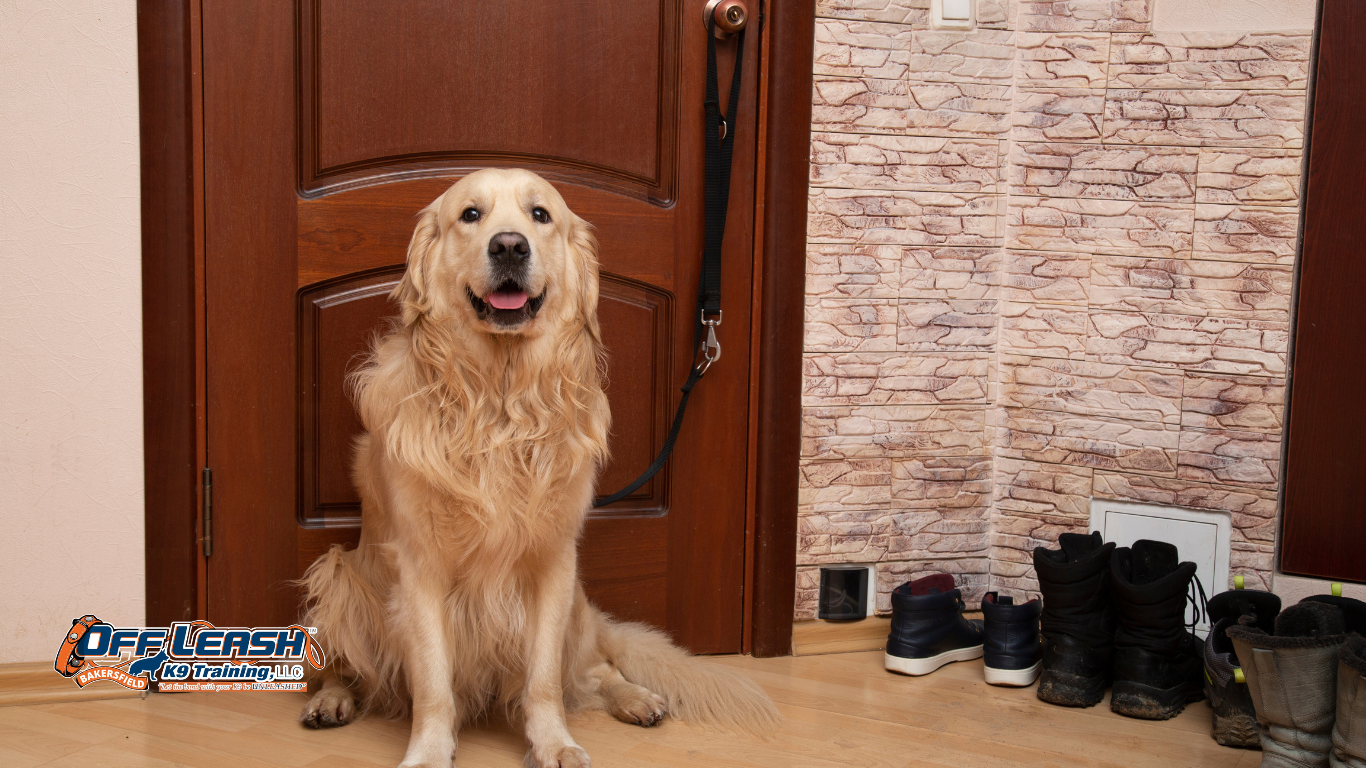
How to Train Your Dog to Remain Calm When You Answer the Door
A knock at the door, a ringing doorbell, or the sound of someone approaching the entrance can quickly change a dog’s behavior. Some dogs begin barking immediately, while others rush toward the doorway, jump excitedly, or struggle to settle when visitors arrive. What should be a simple part of everyday life can become stressful for everyone in the household. Dogs
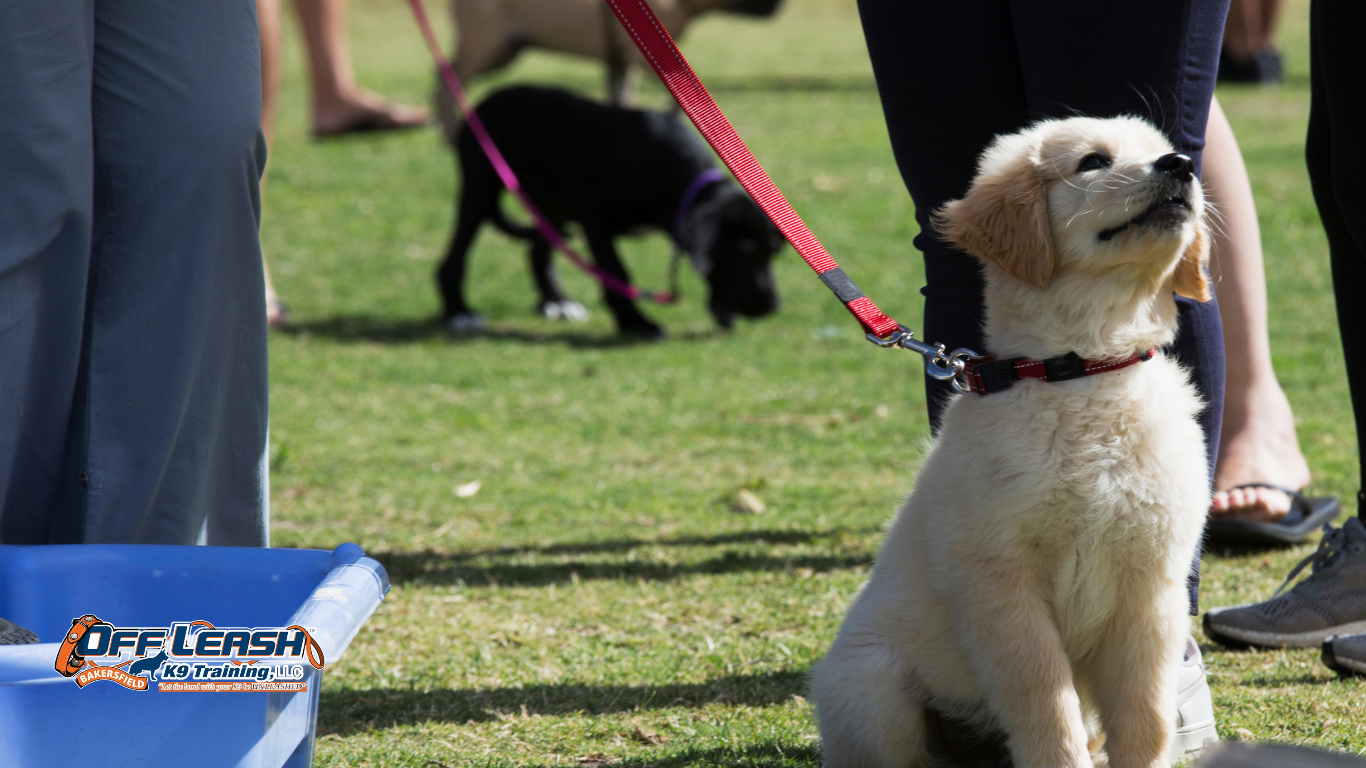
How to Teach Your Dog to Cooperate During Everyday Transitions
Everyday life involves constant transitions. You finish breakfast and get ready for work. Your dog moves from playing to resting, from being indoors to going outside, or from spending time with family to settling in their designated area. These changes may seem simple to people, but some dogs find them surprisingly difficult. A dog might resist when playtime ends, become
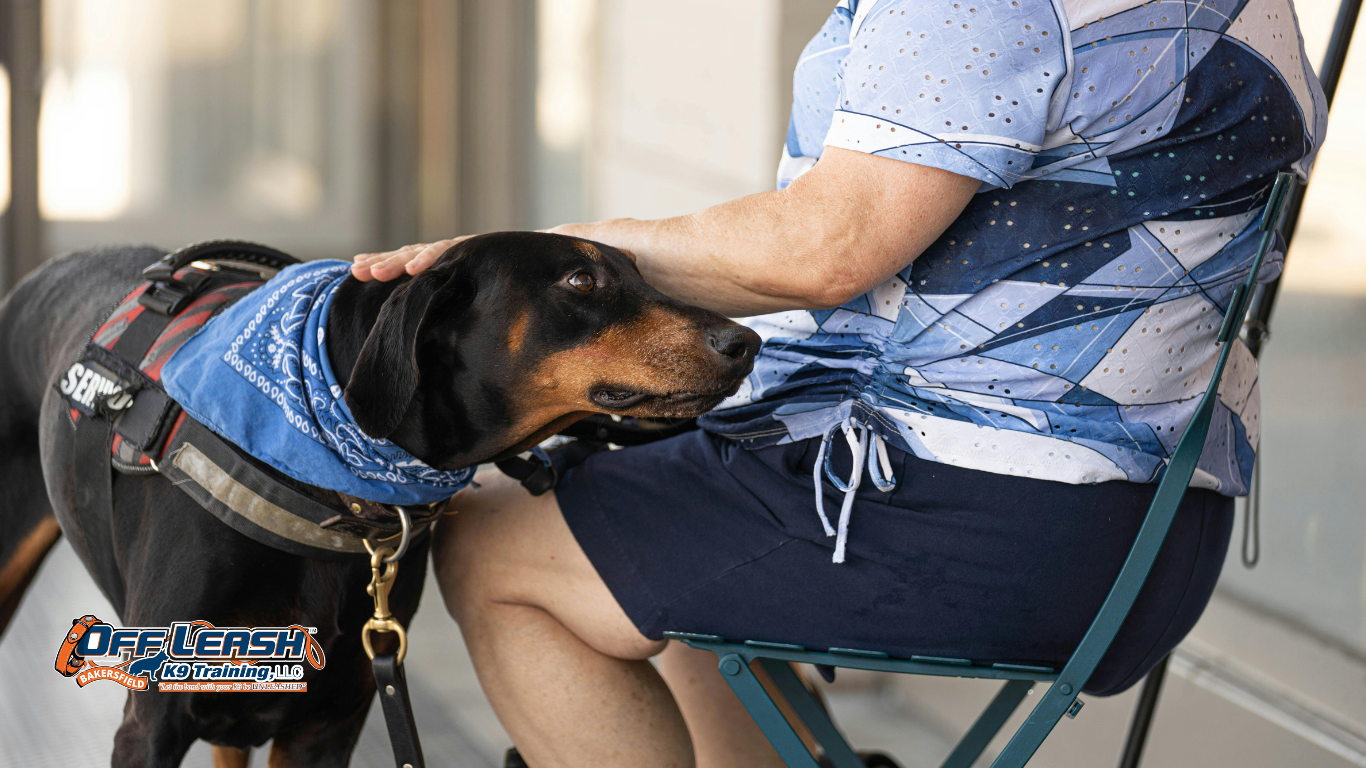
Why Dogs Become More Demanding When Their Needs Are Delayed
Dogs communicate their needs in many ways. They may bring you a toy when they want to play, approach you when they need attention, stand near their food bowl when they are hungry, or wait by the door when they want to go outside. These behaviors are normal parts of living with a dog. However, some dogs become increasingly demanding
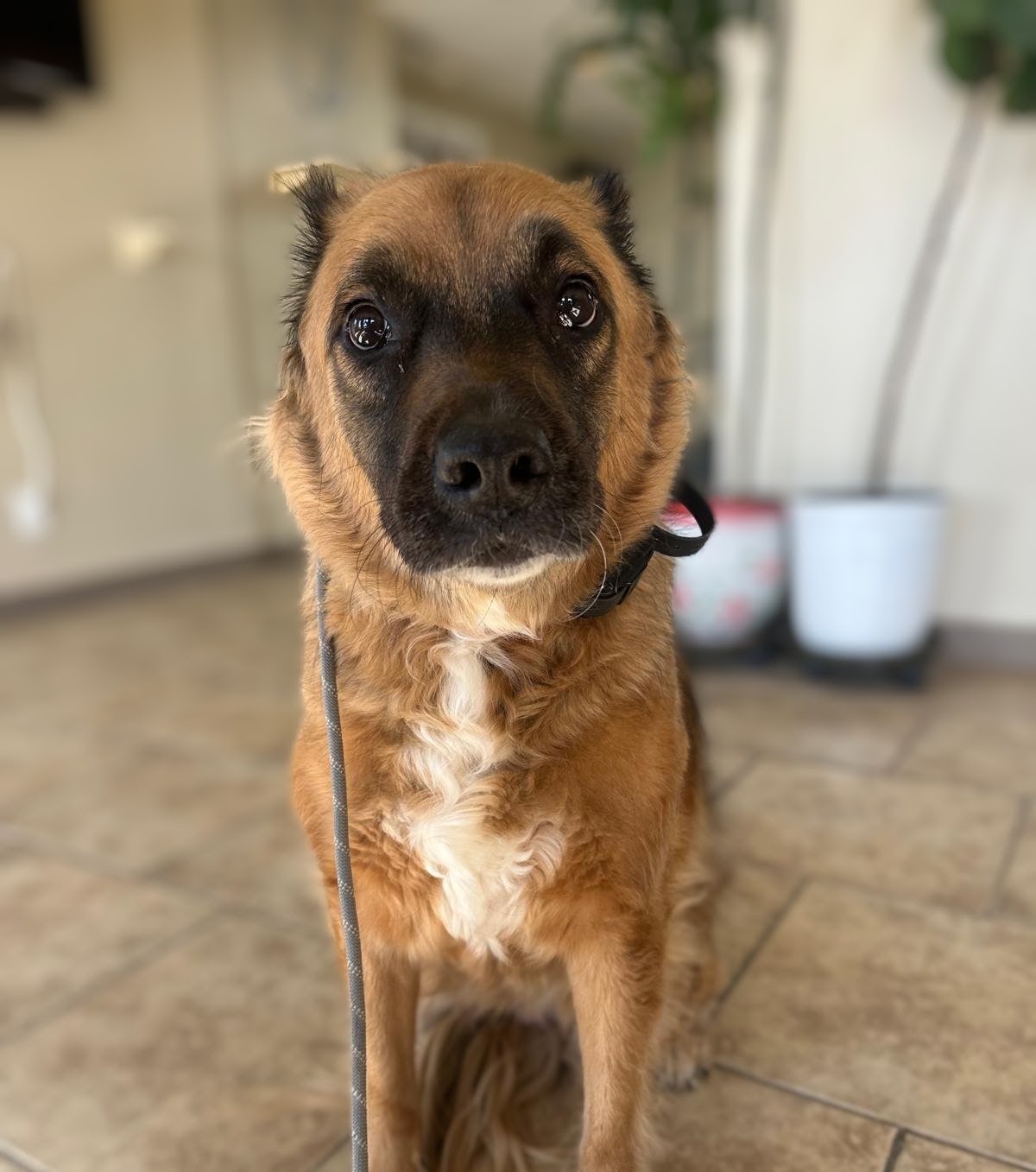

Jojo | Australian Shepherd Mix | Bakersfield, CA
Meet Jojo! 🐾 4-Week Rehabilitation Board & Train Say hello to Jojo, a beautiful 10-year-old Australian Shepherd mix joining our 4-Week Rehabilitation Board & Train Program at Off Leash K9 Training Bakersfield! Jojo struggles with being comfortable around unfamiliar people, other dogs, and new environments. Over the next four weeks, we’ll focus on dog psychology, building her confidence, establishing structure
 [pawlysupply.com](https://pawlysupply.com/blogs/news/5-leash-habits-that-make-dog-walks-easier-pawly-supply?utm_source=chatgpt.com) This process teaches an important lesson: excitement does not have to control every action. Your dog can feel excited about going outside while still making calmer choices. Over time, these skills may improve behavior during other activities, including mealtimes, play sessions, greetings, and everyday household transitions. Waiting is not about suppressing your dog's personality. It is about helping them respond thoughtfully even when something exciting is about to happen. ## Signs Your Dog Is Struggling to Wait While You Prepare Recognizing early signs of excitement can help you adjust your training before your dog becomes overwhelmed. Common signs include: - Jumping when you pick up the leash. - Barking or whining while you put on your shoes. - Running repeatedly toward the front door. - Pacing around the room. - Spinning or bouncing when you reach for your keys. - Grabbing the leash before you can attach it. - Pulling toward the exit. - Ignoring familiar cues during preparation. - Pushing against your legs while you gather belongings. - Becoming increasingly restless as departure approaches. Some dogs show more subtle signs, such as staring at the leash, following your hands, standing near the doorway, or repeatedly changing positions. These behaviors can indicate that your dog is anticipating the outing and having difficulty managing that excitement. Pay attention to when the behavior begins. Does your dog become excited when you stand up, when you pick up the leash, or only when you approach the door? Identifying the trigger helps you determine where to begin training. ## How to Teach Your Dog to Wait While You Prepare for an Outing The best approach is to divide your preparation routine into smaller exercises. Start with activities that produce only mild excitement. Reward calm behavior, introduce a consistent wait cue, and gradually build toward the complete outing routine. Your dog should have frequent opportunities to succeed. ## Step 1: Identify the Activities That Trigger Your Dog's Excitement Before beginning training, observe your dog's behavior during your normal preparation routine. Notice which actions cause the biggest reaction. For example, your dog might remain calm while you put on your shoes but immediately start jumping when you pick up the leash. Another dog might become excited as soon as you walk toward the front door. Make a mental note of these triggers. You can begin with the easiest activity rather than immediately practicing the most exciting part of the routine. If picking up the leash creates a strong reaction, start by standing up or walking toward the area where you normally keep it. This allows your dog to practice waiting before excitement becomes overwhelming. You should also consider whether your dog needs something before training begins. A dog that urgently needs to go outside for a bathroom break should not be expected to complete a lengthy patience exercise. The goal is to teach manageable waiting, not unnecessarily delay your dog's needs. ## Step 2: Teach a Simple Wait Cue in a Quiet Environment Before using a wait cue during exciting outings, teach your dog what it means in a familiar, low-distraction setting. Choose a simple word such as "wait." Begin with your dog standing or sitting comfortably. Say "wait" once, pause briefly, and reward your dog for remaining in place. Initially, the pause can be only one second. After a few successful repetitions, introduce a release cue such as "okay" to signal that your dog can move again. Practice the exercise several times without making the waiting period too difficult. You can gradually increase the duration as your dog becomes more comfortable. Keep the cue consistent. Your dog should understand that "wait" means pause temporarily, while the release cue means the waiting period is finished. Avoid repeatedly saying the word or using it when your dog is already too excited to respond. A clear cue combined with manageable practice creates a useful foundation for the rest of the training process. ## Step 3: Reward Calm Behavior While You Gather Your Belongings Once your dog understands the basic wait cue, begin using it during simple preparation activities. Ask your dog to wait while you pick up an item, such as your keys or a bag. If your dog remains calm, mark the behavior with "yes" and offer a reward. Start with only one item at a time. For example: 1. Ask your dog to wait. 2. Pick up your keys. 3. Reward your dog for remaining composed. 4. Put the keys down. 5. Repeat with another household item. Gradually practice gathering multiple belongings while your dog remains comfortable. You can also reward your dog for choosing to stay on a nearby mat without needing constant reminders. Avoid turning the exercise into a long test. If your dog begins pacing, barking, or jumping, reduce the difficulty. The goal is to help your dog understand that your preparation activities do not require immediate movement or excitement. ## Step 4: Practice Picking Up the Leash Without Creating Excitement For many dogs, the leash is one of the strongest signals that an outing is approaching. This makes it an excellent item for practicing patience. Start by approaching the place where you normally keep the leash. If your dog remains calm, reward them. Next, pick up the leash briefly and put it down again. Reward your dog for remaining composed. Repeat this exercise in short sessions. You can gradually progress to holding the leash, moving it slightly, and attaching it to your dog's collar or harness. If your dog starts jumping or grabbing the leash, pause and make the exercise easier. Avoid waving the leash around or using it to tease your dog. This can increase excitement and make waiting more difficult. You can also practice picking up the leash at times when you are not actually going outside. This helps reduce the expectation that every appearance of the leash immediately leads to a walk. However, keep your dog's actual walking and toileting needs predictable. The purpose is to make the preparation signals less overwhelming, not create unnecessary confusion. ## Step 5: Teach Your Dog to Wait While You Put on Shoes and Prepare Once your dog can remain calm while you handle the leash, introduce other parts of your preparation routine. Practice putting on your shoes, picking up your bag, or gathering other belongings while your dog waits. Start with one action at a time. For example, ask your dog to wait while you put on one shoe. Reward calm behavior, then repeat with the second shoe. If your dog remains comfortable, gradually combine several preparation steps. You might put on your shoes, pick up your keys, and collect your belongings before releasing your dog. [Como manter o chão limpo por mais tempo: truques fáceis que poupam tempo e esforço. - JupiterHomes](https://images.openai.com/static-rsc-4/EwjQL4LcFZ0_rSA4zK5AECtAy7wUcrZ4zwJB1nzRET5tBNkkK2u_fr3cOasM3qDrFqiqLbX3f2WYtlCqhQLlFFMZs8AxA-Lmu9gwTXHLuFCDFvtmh_DGJRThCg2UgmlKnx_K-eyiPS5idwhfJse2ABm9i2vl0rg6hSRoR_Rn5Jk?purpose=inline) [jupiterhomes.pt](https://jupiterhomes.pt/20-314151193-como-manter-o-chao-limpo-por-mais-tempo-truques-faceis-que-poupam/?utm_source=chatgpt.com) Keep your movements natural and avoid adding unnecessary excitement. If your dog gets up, calmly reset the exercise rather than scolding them. You may need to reward more frequently at first. As your dog becomes more reliable, you can gradually reduce the frequency of treats while continuing to acknowledge calm behavior. The important lesson is that your dog can remain comfortable while you complete ordinary preparation tasks. ## Step 6: Build a Calm Routine Before Opening the Door The front door is often the most exciting part of the preparation process. Your dog may associate it with immediate access to the outdoors, making it difficult to wait. Begin by practicing a short pause before approaching the door. Ask your dog to wait while you move toward the exit. Reward calm behavior. Once your dog can do this comfortably, practice reaching for the door handle. Then open the door slightly while maintaining a secure leash and appropriate safety barriers. If your dog remains composed, reward them and use your release cue when it is safe to proceed. If they rush forward, calmly reset and make the next attempt easier. For example, you may need to open the door only a few inches rather than fully opening it. Never rely on the wait cue alone to prevent a dog from running into an unsafe area. Use a secure leash, closed gate, or other appropriate physical barrier. The goal is to make the doorway part of a predictable routine rather than a moment when your dog loses control. ## Step 7: Gradually Increase the Time Your Dog Waits As your dog becomes more comfortable with the preparation routine, gradually increase the waiting period. Begin with short pauses and build slowly. For example: - Beginning: Wait while you pick up your keys. - Next: Wait while you pick up the leash. - Developing: Wait while you put on your shoes. - Advanced: Wait while you gather your belongings and prepare the door. - Everyday practice: Remain composed through the entire preparation routine. These stages are examples, not a strict schedule. Some dogs may move through the steps quickly, while others need additional practice with individual activities. Avoid increasing the waiting time if your dog is already struggling. A calm two-second pause is more useful than expecting a long wait that results in barking, jumping, or frustration. Reward progress and make sure your dog understands when the waiting period ends. ## Step 8: Practice Waiting During Different Types of Outings Once your dog can wait calmly before regular walks, begin applying the skill to other situations. For example, your dog may need to wait while you prepare for a car ride, visit a friend, or head to a different outdoor location. The preparation routine may involve different objects and movements, so practice gradually. You might teach your dog to wait while you collect a travel bag, prepare a secure car harness, or gather water and other supplies. For car outings, make sure your dog is safely restrained using an appropriate vehicle harness, secured crate, or other suitable travel arrangement. Reward calm behavior during each preparation step. Remember that some outings may be more exciting than others. A trip to a busy park may create more anticipation than a short neighborhood walk. Adjust your expectations accordingly. Your dog does not need to demonstrate perfect waiting in every situation immediately. Continue practicing with manageable challenges and build confidence over time. ## Common Mistakes That Make Pre-Outing Excitement Worse Even when owners are trying to teach patience, certain habits can unintentionally increase excitement. Rushing through preparation: Moving quickly while your dog is already excited can create more anticipation and make calm behavior harder. Repeating the wait cue constantly: Repeated commands can become background noise if your dog does not understand the exercise or the challenge is too difficult. Making every leash appearance exciting: If picking up the leash always leads immediately to an outing, your dog may become increasingly reactive to that signal. Expecting long waiting periods too soon: Dogs need time to develop patience. Start with short, successful pauses. Rewarding jumping unintentionally: Petting, talking excitedly, or moving toward the door while your dog jumps may reinforce the behavior. Using punishment to control excitement: Scolding or physical corrections can increase frustration and make preparation more stressful. Ignoring your dog's needs: If your dog urgently needs to relieve themselves or is uncomfortable, a lengthy waiting exercise is inappropriate. Inconsistent routines: If rushing and calm waiting both sometimes result in access, your dog may struggle to understand which behavior is expected. Focus on making the process predictable, manageable, and rewarding. ## How to Respond When Your Dog Cannot Wait Calmly If your dog starts barking, jumping, pacing, or pulling toward the door, pause and consider whether the current exercise is too difficult. Avoid responding with frustration. Instead, reduce the excitement level and return to a simpler step. For example, if your dog becomes excited when you pick up the leash, put it down briefly and reward a moment of calm behavior. Then try again with a smaller movement. If your dog becomes restless while you put on your shoes, practice with only one shoe at a time. You can also guide your dog toward a familiar resting area if they have already learned to settle there. If your dog is too excited to respond, give them space and allow them to recover before trying again. Do not force them to remain in position through prolonged barking or distress. Also consider whether the excitement is connected to insufficient exercise, frustration, or an urgent need to go outside. If your dog consistently displays intense distress during preparation or has difficulty recovering, a qualified reward-based trainer can help you create an appropriate training plan. The goal is to teach your dog how to manage excitement, not simply prevent them from expressing it. ## Building Better Waiting Habits Through Everyday Practice Waiting calmly before an outing should become part of your dog's everyday routine. You can reinforce the skill during activities that happen naturally throughout the day. For example, ask your dog to wait briefly while you: - Pick up their food bowl. - Prepare a toy for playtime. - Gather grooming supplies. - Put away household items. - Open a safe interior doorway. - Prepare an enrichment activity. - Attach their leash for a short walk. These small opportunities help your dog understand that waiting is a normal part of everyday life. Reward calm behavior when you notice it, even when you are not conducting a formal training session. You can also vary your preparation activities so your dog does not become overly focused on one specific signal. For example, sometimes pick up your keys without leaving, or handle the leash before returning it to its usual location. Keep actual outings and essential routines predictable enough that your dog continues to feel secure. Over time, your dog can become more comfortable with the preparation process and less likely to react to every movement. The result is a calmer transition from indoor activities to outdoor experiences. ## How BakersfieldDogTrainer.com Can Help Your Dog Prepare for Outings Calmly Some dogs become so excited before an outing that even simple preparation tasks become challenging. They may jump, bark, grab the leash, or rush toward the door before their owners are ready. BakersfieldDogTrainer.com can help dog owners explore practical ways to improve impulse control, develop better everyday manners, and encourage calmer behavior through positive reinforcement. A useful training approach begins by identifying which parts of the preparation routine trigger the strongest reaction. Does your dog become excited when you pick up the leash? Do they struggle when you put on your shoes? Or does their excitement increase only when you approach the front door? Understanding these patterns helps you select exercises that match your dog's current abilities. Training can focus on: - Teaching a reliable wait cue. - Rewarding calm behavior during preparation. - Reducing excitement around leash handling. - Improving impulse control at doorways. - Building predictable pre-outing routines. - Encouraging calm transitions from indoor to outdoor activities. Every dog has different needs. Some need only a little practice with the leash, while others require more structured exercises to manage anticipation. The goal is to help your dog understand that going outside can be enjoyable without becoming overwhelming. With consistent practice and positive reinforcement, you can make preparing for outings a more relaxed experience for both of you. ## Frequently Asked Questions ### 1. Why does my dog get excited when I pick up the leash? Your dog likely associates the leash with going outside, walking, exploring, or meeting other people and animals. Repeated experiences create a strong connection between picking up the leash and the upcoming activity. Practicing calm leash handling at different times can help reduce excessive anticipation. ### 2. How do I teach my dog to wait while I get ready for a walk? Start by teaching a simple wait cue in a quiet environment. Reward your dog for remaining calm while you perform one preparation activity at a time. Gradually combine actions such as picking up the leash, putting on shoes, and collecting your belongings. Keep waiting periods short enough for your dog to succeed. ### 3. Should my dog sit before I put on the leash? Sitting can be a useful behavior if your dog is comfortable and understands the cue. However, the most important goal is calm cooperation rather than requiring a specific position. Your dog may also learn to stand quietly while you attach the leash. Reward whichever safe, calm behavior works best for your routine. ### 4. Why does my dog jump when I prepare to leave? Your dog may jump because they anticipate an exciting activity and have difficulty managing their energy. They may also have learned that jumping produces attention or speeds up the process. Teach an alternative behavior, such as keeping four paws on the floor or waiting on a mat, and reward calm responses. ### 5. How long should my dog wait before an outing? Start with only a few seconds and gradually increase the time as your dog becomes more comfortable. There is no need to create an unnecessarily long waiting period. The goal is for your dog to remain composed while you complete reasonable preparation tasks, not to make them wait as long as possible. ### 6. Should I ignore my dog when they become excited before a walk? Not automatically. First, determine whether your dog is excited, frustrated, or experiencing distress. Avoid reinforcing jumping or barking with unnecessary attention, but reward calmer alternatives. If your dog is overwhelmed, make the exercise easier rather than simply ignoring them. ### 7. How can I stop my dog from rushing toward the door? Teach a short wait cue and reward calm behavior before opening the door. Practice with small door movements and use a secure leash or physical barrier to prevent unsafe rushing. Gradually build the exercise until your dog can pause comfortably before receiving permission to move outside. ### 8. Can puppies learn to wait calmly before going outside? Yes. Puppies can begin learning simple waiting skills through short, positive exercises. Reward calm behavior while preparing the leash and opening a safe doorway. Keep expectations appropriate for their age, and remember that young puppies may need frequent bathroom breaks and should not be expected to wait for extended periods. ### 9. What should I do if my dog barks while I prepare for an outing? Identify which preparation activity triggers the barking. Make that step easier, reward brief moments of calm behavior, and gradually build toward the complete routine. Avoid shouting or repeatedly correcting your dog. If the barking is intense or accompanied by distress, consider professional guidance. ### 10. How long does it take to teach a dog to remain calm before an outing? Progress depends on your dog's temperament, previous experiences, and level of excitement. Some dogs improve within a few weeks of consistent practice, while others need more time. Focus on small improvements, such as reduced jumping, calmer leash handling, and more reliable waiting at the door. ## Conclusion: Helping Your Dog Wait Calmly and Enjoy Outings With Confidence Teaching your dog to wait while you prepare for an outing can make everyday routines safer, calmer, and easier to manage. Instead of allowing excitement to take over as soon as you pick up the leash or put on your shoes, you can teach your dog to remain composed through each preparation step. Start by identifying your dog's triggers, teaching a simple wait cue, and rewarding calm behavior while you gather your belongings. Gradually introduce leash handling, shoe preparation, and doorway exercises as your dog becomes more comfortable. Remember that patience develops through repetition. Some dogs learn quickly, while others need more time and support. Avoid creating unnecessary frustration or expecting your dog to wait longer than they can comfortably manage. Keep training positive, predictable, and appropriate for their needs. With consistent practice, your dog can learn that exciting outings do not require rushing, jumping, or barking. They can remain calm while you prepare and enjoy a more controlled transition from home to the outside world. A calmer preparation routine creates a better beginning for every outing.](https://olk9bakersfield.s3.us-west-1.amazonaws.com/wp-content/uploads/2026/11/03200504/The-Role-of-Focus-Impulse-Control-and-Leash-Skills-in-Dog-Training-44.png)
How to Teach Your Dog to Wait While You Prepare for an Outing
Does your dog become overly excited the moment you pick up the leash, put on your shoes, or reach for your keys? Some dogs immediately start jumping, barking, spinning, or running toward the door as soon as they recognize the signs of an upcoming outing. This behavior is common because dogs quickly learn to associate certain household activities with exciting
How to Help Your Dog Stay Composed When Other Dogs Pass Nearby
Walking your dog can become challenging when they react every time another dog passes nearby. Some dogs pull toward approaching dogs because they want to greet them. Others bark, whine, jump, freeze, or become overly excited when they notice another dog approaching. These reactions can make ordinary walks stressful for both dogs and their owners. Even a dog that behaves