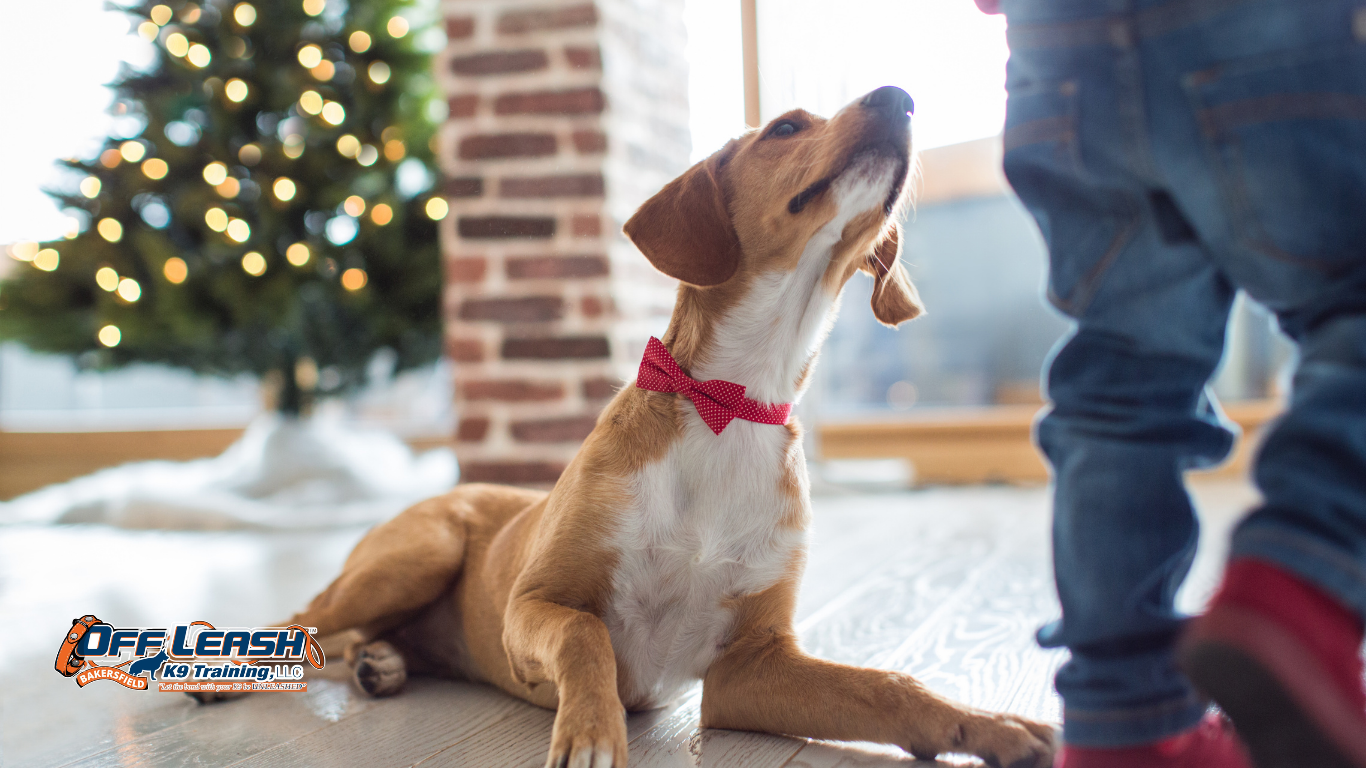
Why Dogs Become Pushy When They Want Attention
Have you ever tried to relax, work, or talk to someone, only to have your dog repeatedly paw at you, jump on you, bark, or push their nose into your hand? These behaviors can be frustrating, especially when your dog seems unwilling to stop until you give them attention.
Dogs are social animals, and many enjoy interacting with their owners throughout the day. They may seek petting, play, conversation, or simply the reassurance of being near someone they trust. However, when a dog learns that persistent behavior is the fastest way to get a response, attention-seeking can gradually become pushy.
The good news is that you can teach your dog more appropriate ways to ask for attention. Rather than discouraging your dog from interacting with you altogether, the goal is to encourage polite communication, patience, and the ability to settle independently.
Understanding why your dog becomes pushy is the first step. With consistent boundaries, positive reinforcement, and enough appropriate interaction, you can build a healthier balance between giving your dog attention and helping them respect your time and space.
What Pushy Attention-Seeking Behavior Looks Like in Dogs
Some dogs jump onto their owners, paw at their arms, nudge their hands, or repeatedly push their noses into someone’s lap. Others bark, whine, bring toys over and over, or squeeze between people who are talking.
A dog might also follow their owner from room to room, repeatedly interrupt activities, or continue demanding interaction after receiving attention.
These behaviors do not automatically mean a dog is poorly behaved. Often, the dog has discovered that a particular action produces a result. If pawing leads to petting or barking causes someone to start playing, the behavior may become more frequent.
It is also important to distinguish between ordinary attention-seeking and signs of distress. A dog that occasionally nudges your hand may simply be asking for affection. A dog that panics when you stop interacting, cannot rest independently, or becomes destructive when separated may need additional support.
Look at the frequency, intensity, and context of the behavior. Understanding what your dog is trying to achieve will help you choose an appropriate response.
Why Dogs Learn to Demand Attention
Dogs learn through experience. When a behavior consistently produces something they enjoy, they have a reason to repeat it.
Attention can be a powerful reward. Petting, talking, eye contact, laughter, and play can all reinforce behavior, even when the owner’s response is intended to discourage it.
For example, imagine that your dog paws at your leg while you are working. You say, “Stop that!” and push the paw away. Your dog has still received interaction. If attention was the goal, that response may encourage more pawing rather than less.
Dogs can also become persistent when attention is unpredictable. If barking is sometimes ignored but occasionally results in play, a dog may continue trying because the behavior has worked before.
Other factors can contribute to demanding behavior, including boredom, insufficient enrichment, an inconsistent routine, excitement, and difficulty settling independently.
Some dogs seek attention because they have learned that their owners respond to almost every movement they make. Others may struggle when their usual source of interaction becomes unavailable.
The solution is not to stop giving your dog affection. Instead, teach them that calm, appropriate behaviors are effective ways to gain attention, while pushy behaviors do not consistently produce the desired result.
How Everyday Responses Can Reinforce Pushy Behavior
Owners often reinforce attention-seeking without realizing it. This can happen during ordinary household activities, particularly when a dog interrupts something important.
Consider a dog that barks while the owner is preparing dinner. The owner turns around, makes eye contact, and tells the dog to be quiet. Although the intention is to stop the barking, the dog may interpret the interaction as a successful way to get noticed.
Another example is a dog that jumps on someone when they arrive home. If the person immediately pets the dog or talks excitedly, jumping may become a reliable greeting strategy.
Even pushing a dog away can function as attention if the dog enjoys physical interaction.
Inconsistent responses can make the pattern harder to change. If pawing sometimes earns affection, sometimes results in a treat, and sometimes is ignored, the dog may keep trying different behaviors to discover what works.
Start by noticing what happens immediately after your dog becomes pushy. Does someone speak to them, touch them, look at them, or begin an activity?
Once you identify the pattern, you can change the consequence. For instance, you can wait for all four paws to be on the floor before offering a greeting, or reward your dog for resting quietly while you work.
The key is to make the behavior you want more rewarding and predictable than the behavior you want to reduce.
The Difference Between Seeking Attention and Being Overstimulated
An excited dog may jump, bark, grab clothing, or repeatedly bring toys because they struggle to regulate their energy. They may need help transitioning from an active state to a calmer one.
A frustrated dog may whine or paw when access to something they want is delayed. They may understand that interaction is possible but have difficulty waiting for it.
A dog that is overstimulated may move constantly, struggle to respond to familiar cues, or become increasingly persistent as activity continues.
These situations require more than withholding attention. The dog may need a quieter environment, a break from play, an appropriate enrichment activity, or help learning how to relax.
Observe your dog’s body language and the circumstances surrounding the behavior. A loose, wiggly body and repeated toy invitations may suggest excitement. Pacing, frantic movement, and difficulty settling may indicate that your dog needs help reducing stimulation. Signs such as a stiff posture, avoidance, tucked tail, or repeated attempts to escape may indicate discomfort or fear.
If your dog seems distressed, do not assume the answer is to ignore them. Address their needs and help them feel safe while teaching more appropriate ways to communicate.
Signs Your Dog Needs Attention, Enrichment, or Clearer Boundaries
Before changing your dog’s behavior, consider what they may actually need.
Sometimes a dog becomes pushy because they have not had enough meaningful interaction. Other times, they have received plenty of activity but have not learned how to wait or settle when attention is unavailable.
Look for patterns that help you identify the likely cause.
Your dog may need interaction if they approach you after a long period without social contact, bring a toy, or respond enthusiastically when you initiate a suitable game.
Your dog may need enrichment if they repeatedly search for things to do, become destructive when bored, or struggle during long periods without activity.
Your dog may need clearer boundaries if they immediately interrupt whenever you stop interacting, jump on people during greetings, or repeatedly paw and bark despite having appropriate activities available.
Your dog may need help calming down if they continue moving, whining, or demanding interaction after exciting activities and struggle to settle afterward.
Your dog may need veterinary or behavioral support if the behavior appears suddenly, becomes unusually intense, or includes signs of anxiety, pain, or distress.
A balanced routine should include appropriate physical activity, sniffing opportunities, play, training, rest, and social interaction. Dogs also benefit from learning that attention is available at predictable times and that they can comfortably relax when it is not.
Meeting your dog’s needs while teaching appropriate boundaries helps prevent frustration and creates a more manageable household routine.
How to Teach Your Dog to Ask for Attention Politely
Teaching polite attention-seeking does not mean requiring your dog to remain silent or motionless whenever they want something. It means helping them communicate in ways that are safe, calm, and easy to understand.
Choose a simple behavior your dog can perform, such as sitting, standing calmly with all four paws on the floor, lying on a mat, or gently approaching you without jumping.
When your dog offers that behavior, acknowledge it and provide appropriate attention if you are available. You can pet them, play briefly, or speak to them in a friendly voice.
If your dog jumps or paws, avoid immediately providing the interaction they are seeking. Instead, make the situation easier and wait for a brief, manageable moment of calm before rewarding an appropriate behavior.
For example, if your dog jumps when you sit on the couch, wait until their paws return to the floor, then invite them over for petting. If they bark while you are working, wait for a short pause, cue a familiar alternative if appropriate, and reward them for settling nearby.
Start with very short expectations. A dog that has never practiced waiting may initially manage only a second or two of calm behavior.
Gradually increase the duration as your dog becomes more successful. Consistency teaches them that polite communication works and that they do not need to escalate their behavior to get your attention.
Step 1: Recognize Your Dog’s Attention-Seeking Triggers
The first step is identifying when and why your dog becomes pushy.
Pay attention to the situations that commonly trigger the behavior. Does it happen when you sit down to work, talk on the phone, prepare food, watch television, or return home?
Notice what your dog does first. They may begin with a gentle nudge, then paw, whine, and eventually bark when the earlier behavior does not produce a response.
Also consider what happens before the behavior begins. Your dog may be tired, bored, excited by household activity, or accustomed to receiving attention at a particular time.
For a few days, make brief notes about the trigger, your dog’s behavior, and your response. You may discover that the pattern occurs most often at predictable times.
Once you understand the trigger, prepare an alternative before your dog becomes demanding. If your dog interrupts every time you sit at your desk, provide an appropriate resting area and reward calm behavior there. If excitement builds when you arrive home, establish a quieter greeting routine.
Identifying triggers allows you to prevent repeated rehearsals of pushy behavior while teaching a more appropriate response.
Step 2: Reward Calm Ways of Asking for Attention
Dogs need to learn which behaviors successfully earn interaction. One of the simplest ways to teach this is to reward calm approaches.
When your dog approaches without jumping, offer a friendly greeting or brief petting session if they enjoy it. If your dog sits calmly beside you, reward that behavior with attention.
You can also reward a relaxed dog for looking at you, lying down nearby, or waiting quietly while you finish an activity.
At first, provide the reward quickly so your dog understands the connection. Over time, you can gradually ask for a slightly longer period of calm behavior before responding.
For example, if your dog usually paws at you when you sit down, reward them for standing calmly nearby. Once that becomes reliable, wait for a short pause or encourage them to settle on a mat before offering attention.
Avoid requiring a sit in every situation if another calm behavior would be more comfortable or practical. The goal is polite communication, not rigid obedience.
Make sure attention itself remains a meaningful reward. Many dogs value a brief game, a gentle scratch, or an invitation to join a family activity.
By rewarding calm behavior consistently, you help your dog discover that polite requests are more effective than jumping, barking, or pawing.
Step 3: Avoid Accidentally Reinforcing Pushy Behavior
Changing attention-seeking behavior requires consistency, especially when your dog has practiced it for a long time.
If your dog jumps, barks, or paws to obtain attention, avoid immediately providing the specific interaction they are seeking. Depending on the situation, you can briefly turn away, pause the activity, or create a little distance.
As soon as your dog offers a more appropriate behavior, such as standing with all four paws on the floor, reward that behavior.
Be careful not to use strategies that could frighten or frustrate your dog. Do not shout, shove, grab, or intimidate them. These responses may increase arousal and can create negative associations with people.
It is also important to avoid withholding attention when your dog is frightened, injured, or genuinely distressed. The aim is to change a learned demand pattern, not to ignore a real need.
Expect some variation during the learning process. A dog that has been rewarded for barking may initially bark more persistently when that behavior no longer works. If this happens, stay calm, manage the environment, and make sure you are consistently rewarding the alternative behavior.
If the behavior becomes intense or unsafe, use barriers or distance to prevent jumping and seek professional guidance rather than attempting to wait it out.
The clearest lesson is this: pushy behavior should not be the most reliable way to obtain interaction, while calm and appropriate behavior should consistently lead to good outcomes.
Step 4: Teach Your Dog to Wait for Attention
Patience is a skill dogs can learn through small, successful repetitions.
Begin when your dog is calm and interested in interacting with you. Ask for an easy behavior, such as sitting or standing with all four paws on the floor. Pause briefly, then offer attention as the reward.
Gradually increase the waiting period by a second or two at a time. If your dog becomes restless or starts pawing, reduce the duration so they can succeed again.
You can also practice with everyday activities. Before petting your dog, pause briefly while they remain calm. Before starting a game, wait for a polite behavior. Before inviting your dog onto an approved resting area beside you, ask them to wait momentarily.
Keep the exercise positive. Do not make your dog wait so long that they become frustrated, and avoid using waiting as a way to deny normal social interaction.
For dogs that become highly excited, start with very short intervals and lower levels of stimulation. Reward frequently at first, then gradually make the exercise more challenging.
Over time, your dog can learn that attention does not have to happen instantly. Waiting calmly becomes part of the process, making daily interactions smoother for both of you.
Step 5: Build Impulse Control Through Short Training Sessions
Impulse control helps dogs pause before acting on an immediate desire. It is especially useful for dogs that jump, bark, or paw whenever they want something.
Start with simple exercises that reward your dog for waiting or making a calmer choice.
For example, hold a treat in your closed hand. If your dog paws or noses at your hand, keep it closed without scolding. When your dog briefly backs away or stops trying, mark the behavior and reward them with a treat from your other hand.
Keep the first repetitions very easy. You are teaching your dog that calm behavior, rather than persistent pushing, makes rewards available.
You can also practice brief pauses before starting a game or opening a door. Ask your dog for a familiar behavior, wait a moment, then give a clear signal that the activity can begin.
Use short sessions of one to three minutes, ending while your dog is still engaged and successful. Several brief sessions throughout the day can be more productive than a long session that leads to frustration.
Impulse control should not mean suppressing all excitement or expecting a dog to tolerate prolonged frustration. It means helping your dog develop the ability to pause, respond, and make appropriate choices.
As this skill improves, your dog may find it easier to wait for attention instead of demanding it immediately.
Step 6: Provide Enough Exercise, Enrichment, and Interaction
A dog that spends long periods without interaction or mental stimulation may seek entertainment by interrupting their owner. Even a dog that receives regular walks may benefit from additional opportunities to sniff, explore, solve simple problems, or play.
Choose activities that suit your dog’s age, health, and temperament. These might include relaxed walks, scent games, food puzzles, short training sessions, or appropriate games with family members.
Predictable interaction can also help. For example, schedule brief play or training sessions at times when your dog is typically most demanding. This gives them opportunities to receive attention before frustration builds.
Equally important is rest. Some dogs become pushy when they are overtired or have difficulty settling after exciting activities. Create a comfortable resting area and reward relaxed behavior when your dog chooses to use it.
Avoid assuming that more exercise is always the answer. Excessive or highly stimulating activity can make some dogs more excitable rather than calmer.
A balanced routine combines physical activity, mental enrichment, social contact, and downtime. When these needs are met, your dog may find it easier to settle when you are busy and seek attention in more appropriate ways.
Step 7: Practice Polite Attention-Seeking in Everyday Situations
Once your dog begins learning a polite way to ask for attention, practice the behavior in different parts of daily life.
If your dog usually jumps when you arrive home, wait for a calm greeting before offering petting. If they paw at you while you work, reward them for resting nearby. If they bark to start a game, pause and invite them to offer a more appropriate behavior before play begins.
Practice with different family members so your dog learns that the same basic expectations apply to everyone.
Keep the environment manageable at first. If your dog struggles to remain calm when several people are talking, begin with one person and gradually increase the level of activity.
Be consistent without becoming rigid. Sometimes you may be available to play, and other times you may need to finish a task. Your dog can learn both how to ask politely and how to settle when attention is temporarily unavailable.
Reward spontaneous calm behavior throughout the day. If your dog chooses to lie down quietly instead of interrupting you, occasionally provide gentle attention or a small reward.
These everyday repetitions help the skill become part of your dog’s normal behavior rather than something they perform only during a training session.
Common Mistakes That Can Make Dogs More Pushy
Some common owner responses can unintentionally make attention-seeking behavior stronger.
Giving attention immediately after jumping: Petting or talking to a dog while they jump may teach them that jumping is an effective greeting. Reward four paws on the floor instead.
Shouting or repeatedly saying “no”: Loud reactions may add excitement or still provide the interaction the dog wants. Use calm, consistent responses and reinforce an alternative behavior.
Being inconsistent: If barking earns attention sometimes, your dog may continue trying. Make calm requests more predictable and avoid rewarding pushy behavior unintentionally.
Ignoring every attempt to communicate: Dogs need social interaction and may have genuine needs. Teach appropriate ways to request attention rather than withdrawing interaction altogether.
Expecting patience too quickly: A dog accustomed to instant attention may need to start with very short waiting periods. Increase expectations gradually.
Providing too little enrichment: A bored dog may repeatedly interrupt because they have few other activities. Include appropriate exercise, sniffing, play, and mental stimulation.
Using physical punishment: Pushing, grabbing, or intimidating a dog may increase stress or create defensive reactions. Use reward-based training and environmental management.
Failing to reward calm behavior: If you only react when the dog becomes demanding, they may receive little feedback for choosing to settle. Notice and reward the behavior you want to see more often.
Mistaking distress for demanding behavior: Persistent vocalization or sudden clinginess may signal anxiety, discomfort, or a change in health. Assess the situation instead of assuming the dog is simply being pushy.
A consistent and thoughtful approach helps dogs learn appropriate boundaries without damaging their trust in the people around them.
How to Respond When Your Dog Jumps, Paws, Whines, or Barks for Attention
Different behaviors may require slightly different responses, but the overall goal remains the same: prevent unsafe or pushy behavior from producing the desired reward, and teach a more appropriate alternative.
When your dog jumps: If safe, turn slightly away and avoid petting while the dog is jumping. Once all four paws are on the floor, reward the calmer greeting. For large or excitable dogs, use a gate or leash management to prevent accidental injuries.
When your dog paws at you: Keep your response neutral rather than pushing the paw away repeatedly. Wait for a brief pause, then reward a calm behavior such as sitting or standing quietly.
When your dog whines: Consider why the whining is happening. Your dog may want attention, but they could also need to go outside, be uncomfortable, or feel anxious. Address legitimate needs, and when the behavior is clearly an attention-seeking habit, reward a quieter alternative.
When your dog barks: First assess whether the barking signals an outside trigger, fear, frustration, or another need. If it is a learned demand for play or petting, avoid immediately giving that reward. Wait for a manageable pause and prompt a calm alternative if appropriate.
When your dog keeps interrupting: Prepare an activity or resting space before you become busy. Reward your dog for engaging appropriately or relaxing nearby rather than waiting until the behavior escalates.
Avoid shouting, shoving, or physically punishing your dog. If the behavior becomes intense, use safe management and make the situation easier.
The most effective response combines understanding, consistency, and teaching. Your dog should learn what behavior works instead of simply experiencing repeated attempts to stop unwanted behavior.
Building a Healthy Balance Between Attention and Independence
Some dogs naturally enjoy staying close to their owners. That is not automatically a problem. The concern arises when the dog cannot settle, repeatedly interrupts daily activities, or becomes distressed whenever attention is unavailable.
Help your dog develop independence gradually. Begin by rewarding them for relaxing near you while you read, work, or watch television. Over time, encourage them to rest on a comfortable mat or bed a little farther away, provided they remain relaxed.
You can also teach a predictable routine that includes periods of interaction followed by quieter activities. For example, a short training session might be followed by sniffing, chewing an appropriate enrichment item, or resting.
Make sure your dog still receives regular affection, play, exercise, and companionship. Independence should not mean social deprivation.
If your dog becomes anxious when you move away or cannot tolerate brief separations, progress slowly. Do not force prolonged isolation. Persistent separation-related distress may require support from a veterinarian or qualified behavior professional.
By balancing connection with calm independent activities, you can help your dog feel secure while learning that attention does not need to be available every second.
How BakersfieldDogTrainer.com Can Help Improve Your Dog’s Attention-Seeking Behavior
Pushy attention-seeking can become a challenging household habit, especially when jumping, pawing, barking, or persistent interruptions occur throughout the day. Understanding why the behavior happens is essential to changing it effectively.
BakersfieldDogTrainer.com can be a resource for dog owners who want to improve everyday manners, strengthen impulse control, and build clearer communication with their dogs.
A structured training approach can help you identify attention-seeking triggers, reinforce polite requests, teach calm waiting, and develop practical alternatives to demanding behavior.
It can also help you establish consistent household expectations. When everyone understands how to respond to jumping, barking, and pawing, the dog receives clearer information about which behaviors lead to attention.
Training should also account for the dog’s individual needs. A young, energetic dog may need more structured activity, while a worried dog may need a gradual plan to feel comfortable when attention is unavailable.
If the behavior involves intense distress, sudden changes, or aggression, consider veterinary guidance and support from a qualified, reward-based behavior professional.
With consistent practice and a balanced routine, you can help your dog learn that polite communication works, patience is worthwhile, and calm behavior can be rewarding.
FAQs
1. Why does my dog keep demanding attention?
Your dog may have learned that barking, pawing, jumping, or nudging reliably produces interaction. Boredom, excitement, inconsistent responses, and difficulty settling independently can also contribute. Identify the triggers, meet your dog’s needs, and reward calm ways of asking for attention.
2. Should I ignore my dog when they become pushy?
Not in every situation. If your dog is using a learned behavior to demand play or petting, briefly withholding that specific reward while reinforcing a calmer alternative can help. However, do not ignore signs of distress, pain, fear, or genuine needs. Focus on teaching a more appropriate way to communicate.
3. Why does my dog paw at me for attention?
Pawing often works because it makes owners look at, touch, or speak to the dog. Your dog may have learned that this is an effective way to initiate interaction. You can teach an alternative, such as sitting calmly beside you, and reward that behavior with attention.
4. How do I stop my dog from jumping on me for attention?
Avoid rewarding jumping with immediate petting or excited conversation. When safe, wait for your dog to return to four paws on the floor, then reward the calmer greeting. Practice with family members and visitors, using barriers or a leash when needed to prevent unsafe jumping.
5. Why does my dog bark when I do not pay attention?
Your dog may have learned that barking causes people to look at them or begin interacting. Barking can also reflect frustration, excitement, fear, or another need. Identify the cause, address genuine needs, and reinforce a calm alternative when the barking is part of a learned attention-seeking pattern.
6. Can giving a dog too much attention make them needy?
Attention itself does not automatically make a dog needy. Problems are more likely when a dog has not learned to settle independently or when demanding behavior consistently produces interaction. Provide affection and enrichment while also rewarding calm independent behavior and gradually teaching patience.
7. How do I teach my dog to wait patiently for attention?
Start with a very short pause before petting, playing, or offering another desired activity. Reward your dog for remaining calm, then gradually increase the waiting time. If your dog becomes frustrated, make the exercise easier and practice more frequently in short sessions.
8. Does pushy behavior mean my dog is dominant?
No. Pushy attention-seeking is more commonly explained by learned behavior, excitement, frustration, unmet needs, or difficulty with impulse control. Focus on identifying what reinforces the behavior and teaching a polite alternative rather than interpreting it as an attempt to dominate you.
9. How can I tell whether my dog is bored or seeking attention?
The two can overlap. A bored dog may repeatedly search for activities, become destructive, or struggle during long periods without enrichment. An attention-seeking dog may specifically paw, bark, or jump when interaction is unavailable. Consider the context and provide appropriate enrichment while teaching calm ways to request interaction.
10. When should I seek professional help for attention-seeking behavior?
Seek help if the behavior is severe, causes injuries, escalates into growling or biting, or is accompanied by intense anxiety or an inability to settle. Sudden changes also warrant veterinary assessment. A qualified, reward-based behavior professional can help develop an individualized plan.
Conclusion: Teaching Your Dog to Seek Attention Politely
Dogs become pushy when they want attention for many reasons, but learned behavior often plays a significant role. When jumping, pawing, whining, or barking consistently produces interaction, a dog may continue using those strategies because they have worked before.
You can change this pattern by identifying triggers, meeting your dog’s needs, setting consistent boundaries, and rewarding calmer ways of communicating. Start with simple exercises, teach your dog to wait briefly, and build impulse control through everyday practice.
Remember that the goal is not to stop your dog from wanting attention. Social interaction is an important part of a dog’s life. Instead, help your dog learn that attention can be requested politely and that they can relax when you are temporarily unavailable.
Progress takes patience, particularly if the behavior has been reinforced for a long time. Celebrate small improvements, remain consistent, and adjust your approach to your dog’s emotional needs.
When calm behavior becomes rewarding and expectations are clear, your dog can learn to replace pushy demands with more polite communication. This creates a healthier balance between connection, independence, and peaceful everyday living.
Website Contact Form
"*" indicates required fields