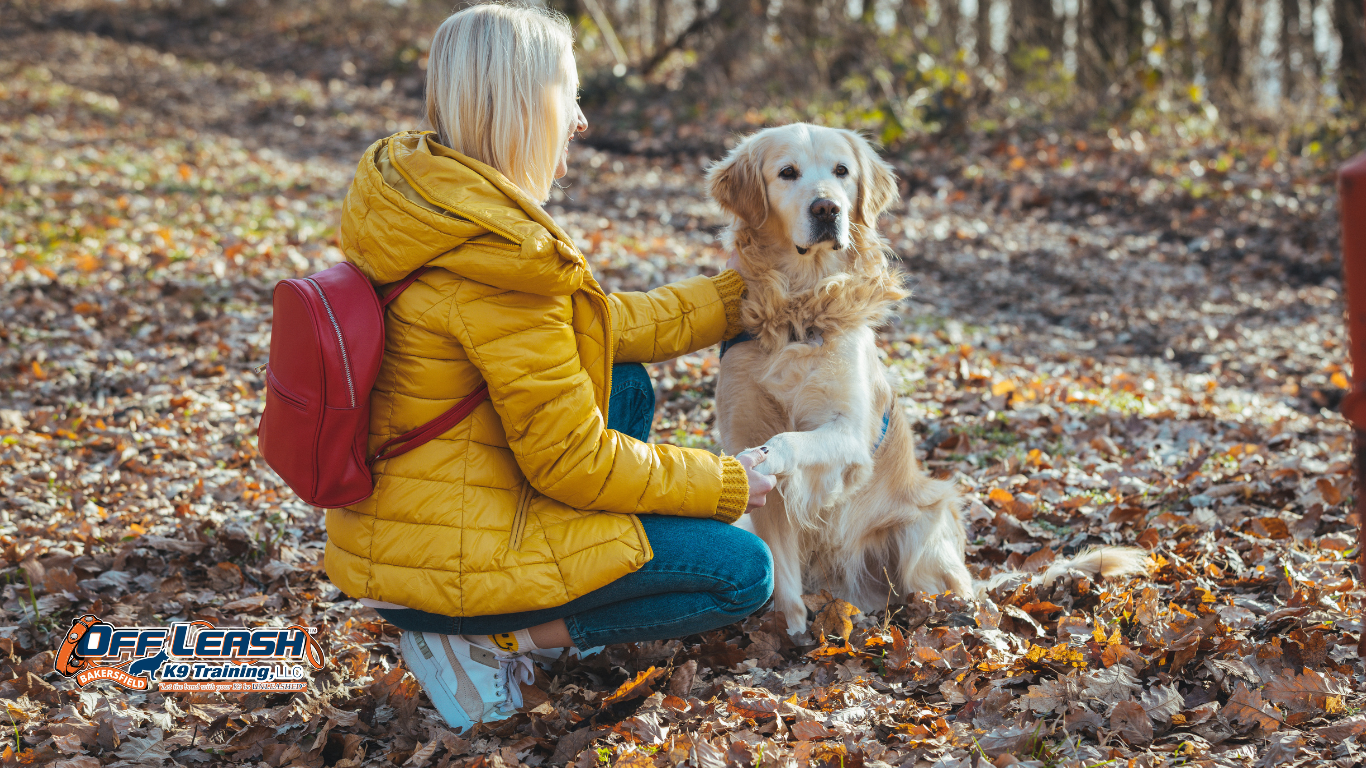
How to Teach Your Dog to Respond to Gentle Guidance
Gentle guidance helps your dog learn how to follow your direction without fear, unnecessary pressure, or physical force. Whether you want your dog to walk beside you, move away from a distraction, enter another room, or settle in a designated spot, the goal is to make your guidance clear and easy to follow.
Some dogs respond naturally to subtle cues, while others need more time and practice. A dog may become distracted, hesitate, or struggle to understand what the owner wants. These challenges do not necessarily mean the dog is being stubborn. They may indicate that the cue is unclear, the environment is too distracting, or the dog has not yet learned the desired behavior.
With patience and positive reinforcement, you can teach your dog to respond to gentle guidance more consistently. The process starts with simple exercises and gradually progresses to real-world situations.
What Gentle Guidance Means for Dogs
For example, instead of pulling your dog toward you, you can take a step backward, encourage them to follow, and reward them when they move in your direction. Instead of pushing your dog away from a doorway, you can teach them to move back in response to a hand signal or verbal cue.
Gentle guidance can include:
- Using consistent verbal cues and hand signals.
- Moving your body to encourage your dog to follow.
- Rewarding your dog for choosing the desired behavior.
- Using a leash safely to prevent danger without jerking or dragging.
- Providing enough space and time for your dog to respond.
- Making an exercise easier when your dog appears confused or uncomfortable.
The goal is not to control every movement your dog makes. It is to develop a shared understanding that allows your dog to follow your direction willingly.
Over time, your dog can learn that your cues provide useful information. This can make daily activities smoother and help your dog feel more confident when navigating unfamiliar or distracting situations.
Why Some Dogs Struggle to Respond to Gentle Guidance
One common reason is distraction. A dog who can follow your cue in the living room may find it much harder to respond near other dogs, unfamiliar people, interesting smells, or moving objects.
Another reason is a lack of clear communication. If you use different words, gestures, or movements for the same behavior, your dog may have difficulty identifying what you want. Even small differences in timing can affect learning.
Some dogs have also learned that responding is optional because cues have not been reinforced consistently. For example, if a dog hears “come” several times before the owner follows through, the dog may learn that the first cue does not matter.
Past experiences can also influence a dog’s response. A dog that has experienced harsh handling may become hesitant when a person reaches toward them, touches their collar, or attempts to guide their movement.
Physical discomfort is another important consideration. A dog that suddenly resists moving, turning, sitting, or being handled may be experiencing pain or another medical issue.
Instead of assuming your dog is deliberately ignoring you, look at the circumstances. Consider the environment, the dog’s emotional state, the clarity of your cue, and whether the behavior has been practiced enough to be reliable.
The Difference Between Guidance and Physical Force
Guidance helps a dog understand the desired behavior and gives them an opportunity to respond. Physical force attempts to make the dog comply through pressure, restraint, or discomfort.
For example, if your dog is reluctant to move away from a fascinating smell, pulling hard on the leash may cause the dog to brace against it or become uncomfortable. Instead, you can calmly call your dog, move a few steps away, reward them for following, and gradually practice disengaging from interesting smells.
Gentle guidance does not mean allowing a dog to do anything they want. Owners can establish boundaries, use appropriate equipment, manage access to unsafe areas, and prevent dangerous behavior.
The difference is that the dog is taught what to do rather than relying on physical pressure to move them into position.
Avoid dragging, pushing, or forcing a dog through an exercise. If your dog cannot respond, make the task easier or use a different method. When immediate safety is involved, use appropriate barriers and secure equipment rather than relying on training alone.
This approach supports cooperation while reducing the risk of fear, defensive reactions, and negative associations with handling.
How Trust and Communication Affect a Dog’s Response
Trust plays an important role in how dogs respond to guidance. A dog that feels safe around their owner is more likely to remain engaged, explore new behaviors, and recover from uncertainty.
Trust does not mean your dog will always respond perfectly. Dogs can become distracted, confused, tired, or overwhelmed. However, a trusting relationship gives you a stronger foundation for helping them work through those situations.
Communication also matters. Dogs pay attention to more than words. They notice posture, movement, facial expressions, distance, and the consequences of their actions.
If you repeatedly lean over your dog, reach toward them, or move into their space, they may interpret the interaction differently than you intend. A dog that steps away may not understand your cue or may be asking for more space.
Use relaxed body language, give your dog room to move, and make your signals predictable. Reward the responses you want so your dog can identify which choices are successful.
Consistency between family members is helpful too. If one person rewards a dog for waiting at a doorway while another encourages rushing through, the dog receives conflicting information.
When your guidance is clear and predictable, your dog has a better opportunity to understand what you want. Over time, that understanding can lead to more reliable responses and a stronger working relationship.
Signs Your Dog Understands and Accepts Gentle Guidance
Your dog might turn toward you when you call, follow you when you change direction, or move away from a distraction after a familiar signal. They may also begin offering the desired behavior before you repeat the cue.
Other positive signs include:
- Responding to a familiar cue with less hesitation.
- Following your movement without leash tension.
- Checking in with you during walks.
- Moving away from a distraction when invited.
- Approaching your hand voluntarily during a hand-targeting exercise.
- Remaining relaxed while learning a new behavior.
- Recovering more quickly after becoming distracted.
- Accepting a change in direction without becoming frustrated.
Look at your dog’s overall body language as well as the behavior itself. A dog that follows a cue while appearing tense, crouched, or fearful may be complying because they feel uncomfortable rather than because they understand and trust the process.
Healthy cooperation involves both learning and emotional comfort. Your dog should have opportunities to pause, move away when appropriate, and communicate discomfort.
Progress may be gradual. A dog that previously needed several reminders may begin responding to one clear cue. Another dog may first show improvement in a quiet room before responding reliably outdoors.
Recognizing these small changes helps you understand which training methods are working and where your dog needs more practice.
How to Teach Your Dog to Respond to Gentle Guidance
The best way to teach gentle guidance is to break the skill into small, manageable steps. Begin with a behavior your dog can learn easily, reward successful responses, and gradually introduce more challenging situations.
Avoid trying to teach everything at once. If your dog is learning to follow your movement, focus on that skill before adding distance, distractions, and longer durations.
Use rewards your dog values, such as small treats, praise, play, or access to an appropriate activity. Food is often useful during early learning because it allows you to reward precise moments.
Keep training sessions short enough that your dog remains interested and comfortable. Several brief sessions can be more effective than one long session that leads to frustration.
The following steps will help you build your dog’s ability to respond to clear, gentle guidance in everyday life.
Step 1: Start in a Calm, Familiar Environment
Choose a simple behavior. For example, you can teach your dog to follow you for one or two steps. Stand a short distance away, say your dog’s name if needed to gain their attention, and take a small step backward or sideways.
When your dog moves toward you, mark the behavior with a word such as “yes” and give a reward.
Repeat the exercise a few times, allowing your dog to move freely between repetitions. As your dog begins to understand, vary your movement slightly while keeping the exercise easy.
If your dog does not follow, avoid pulling them toward you. Instead, reduce the distance, make your movement more noticeable, or use a treat to encourage the first few repetitions. Gradually reduce the lure as your dog learns the behavior.
Training in a quiet environment helps your dog focus on your signals without competing distractions. Once the response becomes consistent, you can begin practicing in other areas of the home.
The purpose of this first step is to establish a positive association with following your guidance. Your dog should learn that responding leads to clear information and rewarding outcomes.
Step 2: Use Clear Cues and Consistent Body Language
Dogs learn more easily when the signals they receive are predictable. Choose a short verbal cue or hand signal for the behavior you want to teach.
For example, you might use “this way” when you want your dog to follow you in a new direction. Say the cue once, begin moving, and reward your dog when they follow.
Try not to change the cue repeatedly during the same exercise. Saying “come on,” “over here,” “let’s go,” and your dog’s name in quick succession may make the message less clear.
Your body language should support the cue. Use relaxed movements, avoid looming over your dog, and give them enough room to respond.
Timing matters. Deliver your reward immediately after the desired behavior, especially during early training. This helps your dog connect the action with its positive consequence.
If your dog responds only when you repeat the cue, pause and consider whether the signal is clear enough or the situation is too difficult. You may need to return to an easier environment and reinforce the behavior again.
Clear communication reduces guesswork. When your dog can recognize a familiar cue and predict what follows, responding to gentle guidance becomes easier.
Step 3: Reward Your Dog for Following Your Guidance
Positive reinforcement helps your dog understand that following your guidance is worthwhile.
Start by rewarding small responses. If your dog turns toward you, takes a step in your direction, or follows you away from a distraction, acknowledge that behavior and provide a reward.
You do not need to wait for a perfect response before reinforcing progress. Breaking a skill into smaller steps helps your dog learn without becoming overwhelmed.
For example, when teaching your dog to move away from a doorway, first reward looking away from the entrance. Next, reward taking a step toward you. Gradually build toward moving completely away from the doorway.
Use rewards that fit the situation. Small treats may work well indoors, while praise, play, or permission to sniff an appropriate area may be valuable in other contexts.
As your dog becomes more reliable, vary the rewards while continuing to reinforce important responses. You can reward some repetitions with food and others with access to something your dog enjoys.
Avoid using rewards to lure your dog into situations that make them frightened or uncomfortable. If your dog is hesitant because they feel unsafe, increase distance and address the underlying concern.
The goal is to build a history of successful, voluntary responses so your dog becomes increasingly willing to follow your cues.
Step 4: Teach Your Dog to Follow Gentle Movement
Start in a quiet space with your dog nearby. Take one or two steps to the side and encourage your dog to follow. Mark and reward the moment they move with you.
Repeat in both directions. Keep your movements smooth and predictable rather than making sudden turns that may confuse your dog.
Once your dog understands the exercise, introduce a cue such as “this way.” Say it just before changing direction, then reward your dog for following.
You can practice this skill during short indoor walks, moving between rooms, or navigating around furniture. Keep the leash loose if you are using one, and avoid pulling your dog into position.
If your dog stops, give them a moment. Check whether something has caught their attention or whether they are uncomfortable. Encourage them with an easier movement or reward them for reorienting toward you.
With repetition, your dog can learn to notice your direction changes and move with you more naturally.
This skill is especially helpful on walks, where gentle changes in direction can guide a dog away from distractions without harsh leash handling.
Step 5: Practice Guiding Your Dog Away From Distractions
Responding to guidance becomes more challenging when something interesting captures your dog’s attention. Other dogs, people, wildlife, food scraps, and unfamiliar smells can all compete with your cues.
Begin with distractions your dog can notice without becoming completely focused on them. Keep enough distance that your dog can still respond to their name, accept rewards, or follow a simple movement cue.
When your dog notices the distraction, give your chosen cue, such as “this way.” Move calmly in the opposite direction or at an angle, and reward your dog when they turn away and follow.
Avoid waiting until your dog is pulling intensely, barking, or unable to respond. Increasing distance early often makes it easier for the dog to disengage.
If your dog cannot follow your guidance, do not yank the leash or repeat the cue continuously. Move farther from the distraction if possible and try again at a lower level of difficulty.
You can also teach a hand target, where your dog voluntarily touches their nose to your open palm. This gives you a simple way to invite your dog to move with you without grabbing their collar.
Practice around different distractions gradually. A dog that responds near a quiet park entrance may need more distance and reinforcement near a busy walking path.
The goal is not to make your dog ignore everything in the environment. It is to teach them to notice distractions and then respond to your guidance when needed.
Step 6: Build Cooperation Without Repeated Commands
Repeatedly giving the same cue can make communication less effective. If you say “come” several times before your dog responds, they may learn that the first cue is not important.
Instead, give one clear cue when your dog is likely to succeed. Allow a brief moment for them to process it, then reward the correct response.
If your dog does not respond, consider why. They may not understand the cue, the environment may be too distracting, or the reward may not be valuable enough for that situation.
Make the exercise easier rather than simply repeating the command. Move closer, reduce distractions, use a clearer gesture, or return to a familiar environment.
You can also reinforce voluntary check-ins. When your dog looks toward you during a walk or chooses to follow your movement without being prompted, reward that behavior. These moments help your dog learn that paying attention to you has value.
Cooperation also means allowing your dog to communicate. If they hesitate to enter a room, approach an object, or accept handling, do not assume they are being disobedient. Give them space and investigate what may be causing the hesitation.
With consistent practice, your dog can become more responsive because they understand your signals, not because they are waiting for repeated instructions or physical pressure.
Step 7: Gradually Practice in New Environments
Once your dog responds to gentle guidance in a quiet setting, begin practicing in new environments.
Move gradually from familiar indoor spaces to a secure outdoor area, then to quieter public settings where dogs are permitted. Introduce more challenging environments only when your dog can respond comfortably at the current level.
Remember that a behavior learned in one place does not automatically transfer everywhere. Your dog may understand “this way” at home but need additional practice in a park full of new scents.
At first, reduce the difficulty in each new environment. Use shorter distances, easier cues, and more frequent rewards. Give your dog time to explore the surroundings before asking for demanding responses.
Maintain safe control during outdoor practice. Use a properly fitted harness or collar and a secure leash appropriate for your dog. Do not rely on an unproven recall or release the leash in an unsecured area.
If your dog becomes overwhelmed, increase distance from distractions or return to a quieter location. Training should build confidence, not force your dog to cope with more than they can manage.
Gradually, your dog can learn that your guidance remains meaningful even when the environment changes. This creates more dependable behavior across walks, visitors, outings, and everyday household activities.
Common Mistakes to Avoid When Using Gentle Guidance
Even with good intentions, owners can make training harder by giving unclear signals or expecting too much too soon.
Pulling or pushing the dog into position: Physical force may create discomfort and resistance. Instead, use clear cues, movement, rewards, and appropriate environmental management.
Repeating cues too often: Multiple commands delivered in quick succession can blur the message. Give one clear cue and make the next repetition easier if your dog does not respond.
Training around distractions too early: A dog that is still learning indoors may struggle in a busy public area. Build the behavior gradually before adding more challenging environments.
Rewarding too late: If the reward comes several seconds after the desired action, your dog may not understand what earned it. Reinforce the response as soon as possible.
Using inconsistent signals: Changing the cue or gesture from one repetition to the next can slow learning. Choose a simple signal and use it consistently.
Ignoring discomfort: A dog that backs away, freezes, or resists being touched may feel uncertain or uncomfortable. Give them space and investigate the cause rather than forcing compliance.
Expecting immediate reliability: New skills take practice. A dog may respond well in familiar surroundings but need additional support in a different environment.
Using treats to force a fearful approach: Luring a nervous dog closer to something frightening can put them in a conflict between food and fear. Increase distance and allow voluntary movement instead.
Forgetting to practice outside formal sessions: Dogs benefit from short, everyday opportunities to follow guidance. Practice during ordinary transitions, walks, and household routines.
Avoiding these mistakes makes it easier for your dog to learn what you want while maintaining trust and emotional comfort.
How to Respond When Your Dog Hesitates or Resists
When your dog hesitates, the first step is to pause and assess the situation. Resistance does not automatically mean your dog is challenging your authority.
Your dog may be confused about the cue, distracted by the environment, worried about what is ahead, or uncomfortable with the movement you are asking for.
Look at their body language. A relaxed dog may simply need more time or a clearer signal. A dog that freezes, lowers their body, tucks their tail, turns away, or repeatedly tries to escape may be uncomfortable or afraid.
If the dog appears uncertain, reduce the pressure. Increase distance from the trigger, turn slightly sideways, or invite them to follow you toward a familiar and comfortable area.
Reward small voluntary movements. If your dog takes a step toward you, acknowledge that progress. Avoid grabbing their collar, dragging them forward, or repeatedly insisting that they comply.
If the dog suddenly refuses to walk, jump, climb stairs, or perform a familiar movement, consider possible pain or illness. Contact your veterinarian if the behavior is new, persistent, or accompanied by other concerning signs.
For fear-related resistance, use gradual, reward-based training and avoid forcing exposure. A qualified professional can help you create a plan suited to your dog’s needs.
Responding calmly to hesitation teaches your dog that your guidance is predictable and that they can communicate discomfort without being forced into a situation. This can strengthen trust and make future learning easier.
Building Reliable Responses Through Everyday Practice
Gentle guidance becomes most useful when it is part of normal daily life rather than something practiced only during formal training sessions.
You can reinforce the skill when moving from one room to another, preparing for a walk, navigating a doorway, or inviting your dog away from an interesting object.
For example, before opening a door, cue your dog to wait at a comfortable distance. Reward them for remaining calm, then invite them forward when it is safe. During walks, reward your dog for following a gentle change of direction. At home, encourage them to move to a resting spot using a familiar cue.
Keep practice sessions brief and positive. A few successful repetitions during everyday activities can help reinforce what your dog has learned.
As your dog becomes more reliable, gradually reduce the frequency of food rewards while continuing to reinforce important behaviors. Use praise, access to appropriate activities, and occasional treats to keep the experience worthwhile.
It is also helpful to notice when your dog responds without prompting. Voluntary check-ins, following your movement, and calmly disengaging from distractions are valuable signs of growing cooperation.
Remember that reliability depends on context. Your dog may respond differently when tired, excited, frightened, or surrounded by unfamiliar distractions. Adjust your expectations to match the situation.
By practicing consistently and responding thoughtfully when your dog struggles, you can build a more dependable partnership based on clear communication and mutual trust.
How BakersfieldDogTrainer.com Can Help Improve Communication and Cooperation
Teaching a dog to respond to gentle guidance involves more than repeating commands. It requires understanding how dogs learn, recognizing body language, choosing clear cues, and practicing in environments where the dog can succeed.
BakersfieldDogTrainer.com can be a resource for dog owners who want to improve everyday communication, encourage calmer behavior, and build more cooperative routines with their dogs.
A structured training approach can help you teach practical skills such as following your movement, responding to a single cue, moving away from distractions, and transitioning calmly between activities.
It can also help you identify why your dog may be struggling. Some dogs need more consistent signals, while others need easier practice conditions, higher-value reinforcement, or more time to feel comfortable.
The goal is to develop responses that work in real life, whether you are walking through the neighborhood, managing household boundaries, or guiding your dog through a busy environment.
Every dog learns at a different pace, so progress should be measured against your dog’s individual needs rather than a fixed timeline. For dogs showing persistent fear, sudden resistance, or aggressive behavior, veterinary advice and support from a qualified, reward-based behavior professional may be appropriate.
With clear communication, patience, and consistent positive reinforcement, you can help your dog become more comfortable following gentle guidance and more confident navigating everyday situations.
FAQs
1. What does gentle guidance mean in dog training?
Gentle guidance means helping a dog understand what you want through clear cues, calm movements, rewards, and appropriate management rather than force or intimidation. It encourages the dog to participate willingly and builds a foundation for cooperation and trust.
2. Why does my dog ignore gentle guidance?
Your dog may be distracted, confused by inconsistent signals, insufficiently trained in that environment, or worried about the situation. Physical discomfort may also affect their response. Make the exercise easier, clarify your cue, and reward successful responses instead of repeatedly issuing commands.
3. Can I teach my dog to follow me without pulling the leash?
Yes. Begin in a quiet area and reward your dog for following your movement. Introduce a consistent cue such as “this way,” then gradually practice during walks. Use a properly fitted harness or collar and keep the leash secure without jerking or dragging your dog.
4. Is gentle guidance better than physical correction?
Reward-based guidance generally supports clearer learning while reducing the risk of fear and discomfort associated with harsh handling. It teaches the dog which behavior is desirable rather than relying on pressure to stop unwanted behavior. Safety boundaries can still be maintained through appropriate equipment and management.
5. How can I guide my dog without making them uncomfortable?
Use relaxed body language, provide enough space, and allow your dog time to respond. Reward voluntary movement and avoid pushing, dragging, or grabbing your dog into position. If they appear worried or uncomfortable, reduce the difficulty and investigate what may be causing the reaction.
6. What should I do if my dog refuses to move?
Pause and assess the situation. Your dog may be distracted, frightened, confused, or experiencing physical discomfort. Try a simpler cue or encourage them toward a comfortable area without force. If the refusal is sudden, persistent, or associated with signs of pain, consult your veterinarian.
7. How do treats help dogs respond to guidance?
Treats provide a clear, immediate reward for the behavior you want. When your dog follows a cue or moves in the desired direction, delivering a treat helps them connect that action with a positive outcome. Over time, you can vary the rewards while continuing to reinforce reliable responses.
8. Can older dogs learn to respond to gentle guidance?
Yes. Older dogs can learn new cues and movement patterns, although they may need adjustments for their experience, physical condition, and learning history. Keep sessions short, use suitable rewards, and avoid exercises that strain their joints. If an older dog develops new resistance to movement, check with a veterinarian.
9. How long does it take for a dog to learn to follow guidance?
The time varies depending on the dog’s history, temperament, training experience, and environment. Some dogs learn simple indoor exercises quickly, while responding around distractions may take considerably longer. Consistent, short practice sessions and gradual increases in difficulty help build reliable behavior.
10. What if my dog becomes nervous when I try to guide them?
Stop the exercise and give your dog space. Avoid reaching toward them repeatedly or forcing them to continue. Try again later with a simpler activity that allows voluntary movement and rewards. If nervousness persists or is connected to handling, fear, or aggression, seek help from a qualified, reward-based behavior professional.
Conclusion: Building Trust Through Gentle Guidance
Teaching your dog to respond to gentle guidance is an opportunity to build better communication and a stronger relationship. Rather than relying on physical force or repeated commands, you can help your dog understand your signals through consistency, patience, and positive reinforcement.
Start in a calm environment, use clear cues, and reward small steps toward the desired behavior. As your dog becomes more confident, gradually practice around everyday distractions and in new environments.
Remember that hesitation is information. Your dog may need more time, a clearer signal, a less challenging environment, or help addressing discomfort. Responding thoughtfully allows you to adjust your approach instead of turning training into a struggle.
With regular practice, your dog can learn to follow your movement, disengage from distractions, and respond more comfortably to your direction. These skills can make walks, household routines, and everyday transitions easier for both of you.
Gentle guidance is most effective when it combines clear communication with trust. When your dog understands what you are asking and feels safe responding, cooperation becomes a skill you can build together every day.
Website Contact Form
"*" indicates required fields