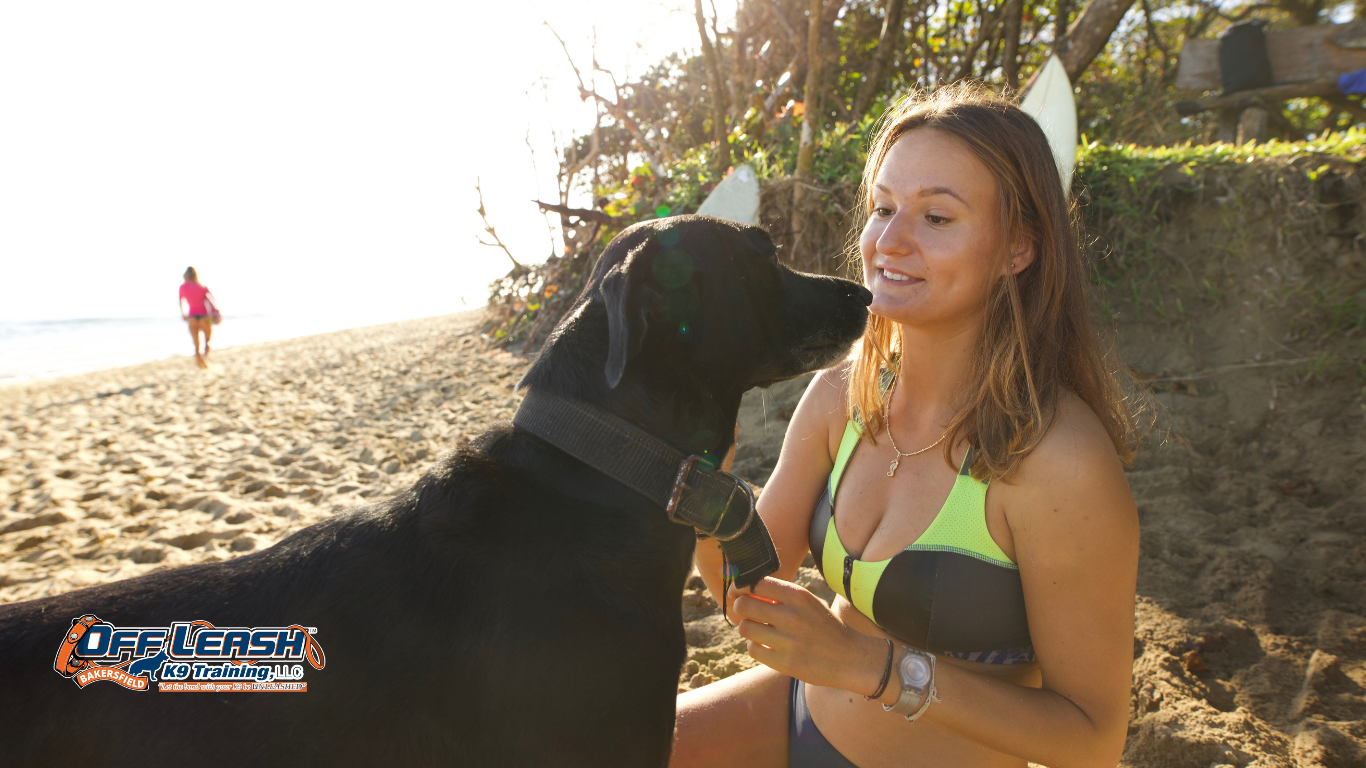
How to Train Your Dog to Walk Away From a Greeting Politely
Greeting people and other dogs can be one of the most exciting parts of a walk. Your dog may wag their tail, pull toward someone, jump to say hello, or become so focused on the interaction that leaving feels difficult. Although friendly greetings are enjoyable, dogs also need to learn when and how to walk away calmly.
Teaching your dog to walk away from a greeting politely is an important part of developing impulse control, leash manners, and everyday social skills. It helps your dog understand that greeting someone is only one part of an interaction and that moving on is equally important.
Without this skill, even a friendly dog can become difficult to manage. Pulling, jumping, barking, and refusing to move away can make greetings uncomfortable for other people and potentially unsafe for everyone involved.
The good news is that you can teach your dog to disengage through gradual practice, clear communication, and positive reinforcement. By rewarding your dog for turning away, following your movement, and leaving an interaction calmly, you can make polite exits a natural part of everyday life.
Why Dogs Struggle to Leave Greetings
Dogs often struggle to walk away from greetings because social interactions can be highly rewarding. Meeting a new person may provide attention, petting, play, and interesting scents. Meeting another dog may offer opportunities to investigate, communicate, or play.
When an interaction is enjoyable, your dog may naturally want it to continue. If they have not learned how to disengage, they may keep moving toward the person or dog even when you are ready to leave.
Some dogs also become excited before the greeting begins. Seeing another person approaching may trigger pulling, whining, jumping, or intense staring. By the time the greeting happens, the dog may already be highly stimulated.
Other dogs struggle because they are uncertain or uncomfortable. A dog that freezes, leans away, or hesitates to leave may be experiencing fear or social pressure rather than simply wanting more interaction.
Learning history can also play a role. If pulling toward people regularly results in greetings, your dog may learn that pulling is an effective strategy. If you usually have to tug the leash to leave, your dog may not understand the alternative behavior you want.
The solution is to teach your dog how to disengage before excitement becomes overwhelming. Start with easy exercises, reward small successes, and gradually practice around more realistic distractions.
How Excitement and Social Pressure Affect Greeting Behavior
Excitement can make it harder for dogs to notice and respond to familiar cues. When your dog sees someone they want to greet, their attention may become focused on reaching that person. Your voice, movement, and leash cues may temporarily become less important.
This does not necessarily mean your dog is deliberately ignoring you. The situation may simply be too difficult for their current training level.
Social pressure can create a different challenge. Some people lean over dogs, reach toward their heads, or approach too quickly. Other dogs may rush into greetings without allowing enough space. These interactions can make a dog uncomfortable and less able to respond calmly.
Pay attention to your dog’s body language. A relaxed body, loose movement, and voluntary approach can indicate comfort. Stiffness, repeated attempts to move away, a tucked tail, or freezing may suggest that the dog needs more distance.
Avoid assuming that every dog wants to greet every person or dog. Some dogs prefer brief interactions, while others are more comfortable passing without stopping.
Give your dog opportunities to make comfortable choices. Keep greetings short, use enough distance to maintain control, and leave before either dog becomes overwhelmed.
When you recognize excitement and social pressure early, you can guide your dog more effectively and prevent greetings from becoming difficult to end.
Why Teaching Dogs to Disengage Is Important
A polite greeting involves more than approaching someone calmly. Dogs also need to understand how to end the interaction when it is time to move on.
Disengagement helps your dog shift attention away from something interesting and return their focus to you or the surrounding environment. This skill is useful during walks, visits with friends, outdoor activities, and encounters with unfamiliar dogs.
Teaching your dog to walk away politely can help prevent leash pulling, jumping, and prolonged interactions that make other people uncomfortable. It also gives you a practical way to create distance when a greeting is no longer appropriate.
Disengagement is particularly valuable when another dog appears uncomfortable, a person does not want to interact, or the environment becomes too busy.
It can also improve your dog’s confidence. When leaving is a familiar and rewarding behavior, your dog does not need to feel that every greeting must continue until the other person ends it.
The goal is not to prevent your dog from socializing. Instead, teach them that greetings have a beginning, a middle, and an end.
By practicing both approaching and moving away, you help your dog develop flexible social skills that support safer and more comfortable interactions.
Signs Your Dog Is Ready to Walk Away From a Greeting
Learning to recognize your dog’s readiness helps you choose the right moment to leave.
Your dog may be ready to disengage when they briefly look toward you, respond to their name, turn their head away from the person, or shift their body in your direction.
Other useful signs include:
- Loosening the leash instead of leaning forward.
- Turning toward you after a brief interaction.
- Responding to a familiar cue.
- Taking a step away from the person voluntarily.
- Accepting a treat without becoming overly distracted.
- Following your movement for a few steps.
- Showing relaxed body language while moving away.
These behaviors indicate that your dog can redirect their attention and follow your guidance.
However, do not wait for perfect behavior before leaving. If your dog is becoming increasingly excited, pulling hard, barking, or struggling to respond, it may already be time to create distance.
Likewise, if your dog appears uncomfortable, you do not need to wait for them to complete a greeting. Help them move away as calmly and safely as possible.
Your dog may need more time and distance around certain people or dogs than others. A familiar neighbor in a quiet area may be easier than an unfamiliar dog approaching on a narrow sidewalk.
By learning to notice these differences, you can time your cues more effectively and help your dog succeed.
How to Train Your Dog to Walk Away From a Greeting Politely
The best way to teach a polite exit is to break the behavior into small steps. Before expecting your dog to walk away from an exciting greeting, teach them how to follow your movement and respond to a simple cue in a calm environment.
Use positive reinforcement to reward the behaviors you want to see. Small treats are often helpful during early practice, but praise, play, and permission to explore can also be rewarding.
Keep training sessions short and avoid beginning with situations that are too difficult. If your dog cannot respond around a particular person or dog, increase the distance or practice with a less distracting setup.
A successful training session should give your dog repeated opportunities to understand the exercise without becoming overwhelmed.
The following steps will help you build a reliable polite-exit behavior gradually.
Step 1: Teach a Simple “This Way” Cue at Home
Start by teaching your dog a cue that means it is time to move with you. A phrase such as “this way” works well because it can be used during everyday walks and social interactions.
Begin in a quiet room with your dog nearby. Say “this way” once, take a few steps in a new direction, and reward your dog when they follow.
At first, move only a short distance. You can encourage your dog with a treat if needed, but gradually reduce the lure as they begin to understand the cue.
Practice turning in both directions and moving between rooms. Reward your dog for following without leash tension or hesitation.
Keep the experience positive. If your dog does not follow, make the exercise easier rather than repeating the cue several times. You might move closer, use a clearer body movement, or reward a smaller response, such as turning their head toward you.
Once your dog follows the cue reliably at home, practice in a quiet outdoor area with few distractions.
This exercise creates a foundation for greeting exits. Instead of pulling your dog away from an interesting person, you can use a familiar cue that signals a rewarding opportunity to move with you.
Step 2: Reward Your Dog for Turning Away From You
Begin with a mild distraction, such as a toy placed at a comfortable distance. Allow your dog to notice it without reaching it. When your dog briefly looks away from the toy or turns toward you, mark the behavior with a word such as “yes” and provide a reward.
Keep the distraction easy enough that your dog can still respond. If they become fixated or repeatedly try to reach the object, increase the distance or choose something less exciting.
Gradually practice with other low-level distractions. You can reward your dog for looking at something and then voluntarily checking in with you.
The aim is to build a habit of disengagement rather than requiring your dog to ignore everything in the environment.
During future greetings, this skill can help your dog turn away from a person or another dog and reorient toward you.
Reward the moment your dog chooses to disengage. Over time, your dog can learn that leaving an interesting interaction is not a loss; it can be a rewarding behavior in its own right.
Step 3: Practice Moving Away From Low-Level Distractions
Once your dog understands the “this way” cue and can turn away from mild distractions, combine these skills.
Place a familiar toy or another low-level distraction nearby. Allow your dog to notice it, then say “this way” and begin moving away. Reward your dog when they follow.
Start at a distance where your dog can easily respond. As they improve, gradually make the distraction more interesting or practice in a different location.
You can also practice around ordinary environmental distractions, such as a quiet area where people are walking at a distance. Reward your dog for noticing the activity and then moving with you.
Avoid increasing difficulty too quickly. If your dog pulls, barks, or stops responding, the distraction may be too intense. Increase the distance and try again with an easier setup.
Use a secure leash during outdoor practice, and do not drag your dog away from the distraction. Your goal is to help them choose to follow your movement, not to force them into position.
These exercises prepare your dog to leave a greeting before social excitement becomes overwhelming.
Step 4: Introduce Calm, Controlled Greeting Practice
Choose a quiet, open area with enough room to move away comfortably. Keep your dog on a secure leash and ask the helper to remain calm.
Allow your dog to approach only if both your dog and the person appear comfortable. Keep the greeting brief, rewarding your dog for maintaining a loose leash and calm body language.
After a few seconds, say “this way” and begin walking away. Reward your dog when they follow.
If your dog struggles to leave, shorten the greeting or increase the distance between repetitions. You can also begin by practicing near the person without allowing direct contact, rewarding your dog for looking at them and then turning away.
Do not force greetings with unfamiliar people or dogs. For training purposes, a familiar helper offers more control and makes it easier to repeat the exercise successfully.
The goal is to teach your dog that greetings are optional and temporary. They can enjoy a brief interaction and then move away when you give the cue.
Step 5: Teach Your Dog to Disengage Without Pulling the Leash
Leash handling is an important part of polite greeting behavior. If your dog learns that pulling is the main way to move toward or away from people, they may continue relying on tension rather than responding to your cues.
Start in a quiet area with your dog wearing a properly fitted harness or collar and a secure leash. Keep the leash loose and practice the “this way” cue.
When your dog follows your movement, reward them while the leash remains relaxed. If they move ahead and create tension, pause or change direction gently when it is safe, then reward them for returning to a position where the leash loosens.
Avoid jerking the leash or dragging your dog away from a greeting. If the situation is becoming too difficult, increase distance or use an easier training setup.
During greetings, plan your exit before your dog becomes highly excited. Give the cue, move smoothly away, and reward your dog for following.
If your dog cannot disengage, do not keep repeating the cue while standing close to the trigger. Create distance safely, then practice again at an easier level.
Over time, your dog can learn that following your movement is a predictable and rewarding way to leave an interaction without pulling.
Step 6: Gradually Increase the Difficulty of Greetings
Once your dog can leave calm, controlled greetings, gradually practice with more varied situations.
You might begin with a familiar person standing still, then practice with a person who is walking slowly. Later, you can practice in a quiet public area where people are visible at a distance.
If your goal includes greetings with other dogs, work with a calm, compatible dog and a handler who can follow your plan. Keep the dogs far enough apart to remain comfortable and responsive.
Increase only one aspect of difficulty at a time. For example, you might extend the greeting slightly or practice in a new location, but avoid combining a longer greeting, a busy environment, and an unfamiliar dog all at once.
Watch your dog’s response. If they begin pulling, barking, fixating, or struggling to follow your cue, reduce the difficulty.
Not every greeting needs to involve direct contact. Sometimes the most appropriate skill is calmly passing another person or dog without stopping.
Gradual practice helps your dog learn that the same cue applies across different situations. With repetition, walking away can become a familiar part of the greeting routine rather than a sudden interruption.
Step 7: Practice Polite Exits During Everyday Walks
Everyday walks provide opportunities to reinforce greeting manners, but choose situations carefully.
When you notice someone approaching, assess whether a greeting is appropriate. Consider the other person’s willingness, the other dog’s body language, the available space, and your own dog’s level of excitement.
If a greeting is suitable, keep it brief and use your planned exit cue while your dog can still respond. Reward them for turning away and walking with you.
If a greeting is not appropriate, create distance before your dog becomes highly focused. You can cross the street when safe, move to the side of a wide path, or guide your dog in another direction.
Avoid allowing your dog to rush up to strangers or unfamiliar dogs. Always obtain the other handler’s agreement before arranging a dog-to-dog greeting, and do not assume that every dog is comfortable with close contact.
Practice polite exits during quiet walks before relying on the skill in busy areas.
You can also reward your dog for passing people calmly without greeting them. This teaches that moving on is a normal and rewarding part of a walk.
With consistent practice, your dog can learn that you may sometimes stop to say hello and sometimes continue walking. Both outcomes become part of a predictable routine.
Common Mistakes to Avoid When Training Greeting Manners
Several common mistakes can make it harder for dogs to learn how to leave greetings calmly.
Allowing greetings to continue too long: A prolonged interaction may increase excitement and make disengagement more difficult. Begin with brief greetings and leave while your dog can still respond.
Waiting until your dog is overwhelmed: If your dog is already pulling hard, barking, or fixating, the cue may be too difficult. Practice earlier and create distance sooner.
Repeating the exit cue without moving: Saying “this way” several times without following through can make the cue less meaningful. Give it once and guide the movement calmly.
Pulling or jerking the leash: Force can create discomfort and frustration. Use a secure leash, smooth movement, and reinforcement for following.
Greeting every person or dog: Constant access to greetings can increase anticipation and pulling. Teach your dog that passing calmly is also rewarding.
Practicing around distractions that are too intense: A busy sidewalk may be too difficult for early training. Start in quieter locations and progress gradually.
Ignoring the other dog’s signals: A dog that turns away, stiffens, hides, or tries to leave may be uncomfortable. End the interaction and provide space.
Using treats only after your dog becomes difficult to manage: Reward disengagement early, before your dog is highly excited. This helps strengthen the behavior you want.
Forcing social interaction: Not every dog enjoys greetings. Give your dog the option to pass without contact and never force them to approach someone they find frightening.
Inconsistent handling: If one walk allows pulling toward every person and the next requires calm passing, your dog may struggle to understand expectations. Establish clear and consistent routines.
Avoiding these mistakes helps your dog learn that greetings can be brief, enjoyable, and easy to leave.
How to Respond When Your Dog Jumps, Pulls, or Refuses to Leave
If your dog jumps on a person, calmly create space and prevent further contact. When the dog returns to a manageable position, reward calm behavior. Ask the other person not to pet or excite the dog while jumping continues.
If your dog pulls toward someone, avoid moving closer while the leash is tight. When safe, increase distance and practice following your “this way” cue in a less distracting setting.
If your dog refuses to leave, consider whether they are excited, uncertain, frightened, or uncomfortable. A dog that leans forward and strains toward a person may want more interaction, while a dog that freezes or leans away may be uncomfortable.
Use a calm movement cue and give your dog a clear path away. Avoid dragging them or grabbing their collar in frustration. If needed, use environmental space or a barrier to help end the interaction safely.
For dogs that become intensely frustrated, bark, or lunge when they cannot greet someone, begin training at a greater distance. Reward calm observation and disengagement before attempting closer greetings.
If your dog shows fear or aggression, avoid forced greetings and seek help from a qualified, reward-based behavior professional. A veterinarian may also be appropriate if the behavior is sudden or accompanied by signs of pain.
The priority is to help your dog leave safely while teaching the skills needed for future interactions.
Building Reliable Greeting Skills Through Consistent Practice
Polite greeting behavior develops through repetition. Your dog needs opportunities to practice approaching appropriately, responding to your cue, and moving away without becoming overwhelmed.
Keep training sessions short and end with success. During some sessions, practice only the exit cue. During others, work on calmly noticing a person at a distance and then turning away.
Reward the behavior you want to see in everyday situations. If your dog looks at a person and then checks in with you, acknowledge that choice. If they follow your movement with a loose leash, reward them.
Consistency among family members is also important. Everyone who walks the dog should understand the same cue and use similar expectations around greetings.
Remember that progress may vary by situation. Your dog may leave a familiar person’s greeting easily but struggle around an unfamiliar dog or a highly exciting visitor. Continue practicing at a level where your dog can succeed.
It is also perfectly acceptable to skip greetings. Your dog does not need to meet every person or dog to develop good social skills. Calmly passing, maintaining distance, and responding to your guidance are valuable outcomes.
With patience and regular practice, your dog can learn that leaving a greeting is not a punishment. It is simply another part of communicating and moving through the world with you.
How BakersfieldDogTrainer.com Can Help Improve Your Dog’s Greeting Manners
Teaching a dog to walk away from a greeting politely involves several skills, including leash manners, impulse control, attention, and the ability to disengage from distractions.
BakersfieldDogTrainer.com can be a resource for dog owners who want to improve everyday walking behavior and help their dogs navigate social interactions more calmly.
A structured training approach can help you teach a reliable movement cue, reward calm exits, and gradually practice around people and other dogs. It can also help you recognize when a greeting is appropriate and when creating distance is the better choice.
Every dog has different needs. Some dogs become overly excited because greetings are highly rewarding, while others struggle because they feel anxious or pressured. Identifying the underlying cause helps determine the right training plan.
Consistent practice can help your dog learn to approach more calmly, respond to your direction, and move away when the interaction ends. These skills can make walks more manageable and help protect the comfort and safety of everyone involved.
For dogs that show intense fear, persistent lunging, or aggressive behavior, consider working with a qualified, reward-based behavior professional and consulting your veterinarian when appropriate.
With clear communication, realistic expectations, and positive reinforcement, you can help your dog develop more polite greeting habits and greater confidence during everyday outings.
FAQs
1. Why does my dog struggle to walk away from people?
Your dog may find people highly rewarding because they provide attention, petting, play, or interesting scents. Excitement and a history of being allowed to pull toward people can make leaving difficult. Teach a clear movement cue and reward your dog for disengaging before excitement becomes overwhelming.
2. How do I teach my dog to leave a greeting calmly?
Start by teaching a cue such as “this way” in a quiet environment. Reward your dog for following you, then practice around mild distractions. Introduce brief greetings with a familiar, willing person and use the cue to leave while your dog can still respond.
3. Should I let my dog greet every person they meet?
No. Your dog does not need to greet every person or dog to become well socialized. Calmly passing others is an important skill. Choose greetings when they are safe and appropriate, and respect the preferences and comfort of everyone involved.
4. How can I stop my dog from pulling toward people?
Practice loose-leash walking and reward your dog for following your movement. Begin at a distance where your dog can respond, and avoid allowing forward progress toward a greeting while the leash is tight. If your dog becomes too excited, create distance and practice at an easier level.
5. What should I do if my dog jumps during greetings?
Prevent unsafe contact when possible, and avoid rewarding jumping with petting or excited attention. Reward your dog when all four paws are on the floor and they can greet calmly. Use a leash or barrier when necessary, and keep greetings short enough for your dog to succeed.
6. Can treats help my dog disengage from a greeting?
Yes. Treats can reinforce turning away, checking in with you, and following your movement. Deliver the reward promptly after the desired behavior. As your dog improves, vary the rewards while continuing to make calm disengagement worthwhile.
7. How long does it take to teach polite greeting behavior?
The timeline depends on your dog’s experience, temperament, excitement level, and the difficulty of the environment. Many dogs learn the basic movement cue quickly, but using it reliably around exciting greetings takes practice. Short, consistent sessions and gradual progress help build the skill.
8. Should I allow my dog to greet other dogs on a leash?
Only when the interaction is appropriate and both dogs appear comfortable. Ask the other handler first, keep enough space for the dogs to move naturally, and avoid forcing contact. Some dogs find on-leash greetings stressful, so calmly passing at a distance may be the better option.
9. What if my dog barks or becomes frustrated when leaving a greeting?
Increase distance and make the exercise easier. Your dog may be too excited or frustrated to respond at close range. Practice disengagement around less intense distractions and reward calm behavior. If barking or lunging is persistent, seek guidance from a qualified, reward-based behavior professional.
10. How can I practice greeting manners safely?
Begin with a familiar, willing helper in a quiet area. Use a secure leash, keep greetings brief, and leave while your dog is still responsive. Gradually introduce more challenging settings only when your dog is comfortable. Avoid forced greetings and prioritize distance if either dog shows discomfort.
Conclusion: Helping Your Dog Walk Away From Greetings With Confidence
Teaching your dog to walk away from a greeting politely is an important step toward better leash manners, impulse control, and safer social interactions.
The key is to make leaving a rewarding behavior. Start with a simple “this way” cue, practice turning away from mild distractions, and gradually introduce short, controlled greetings. Reward your dog for following your movement and create distance before excitement becomes overwhelming.
Remember that not every greeting needs to happen. Your dog can develop excellent social skills by learning to pass people calmly, respect another dog’s space, and respond when you need to move on.
Avoid relying on leash pulling or repeated commands. Instead, use clear communication, positive reinforcement, and manageable practice sessions to build a reliable response.
With patience and consistency, your dog can learn that greeting someone does not mean staying indefinitely. They can enjoy an appropriate interaction and then walk away calmly when it is time to continue the journey.
Website Contact Form
"*" indicates required fields