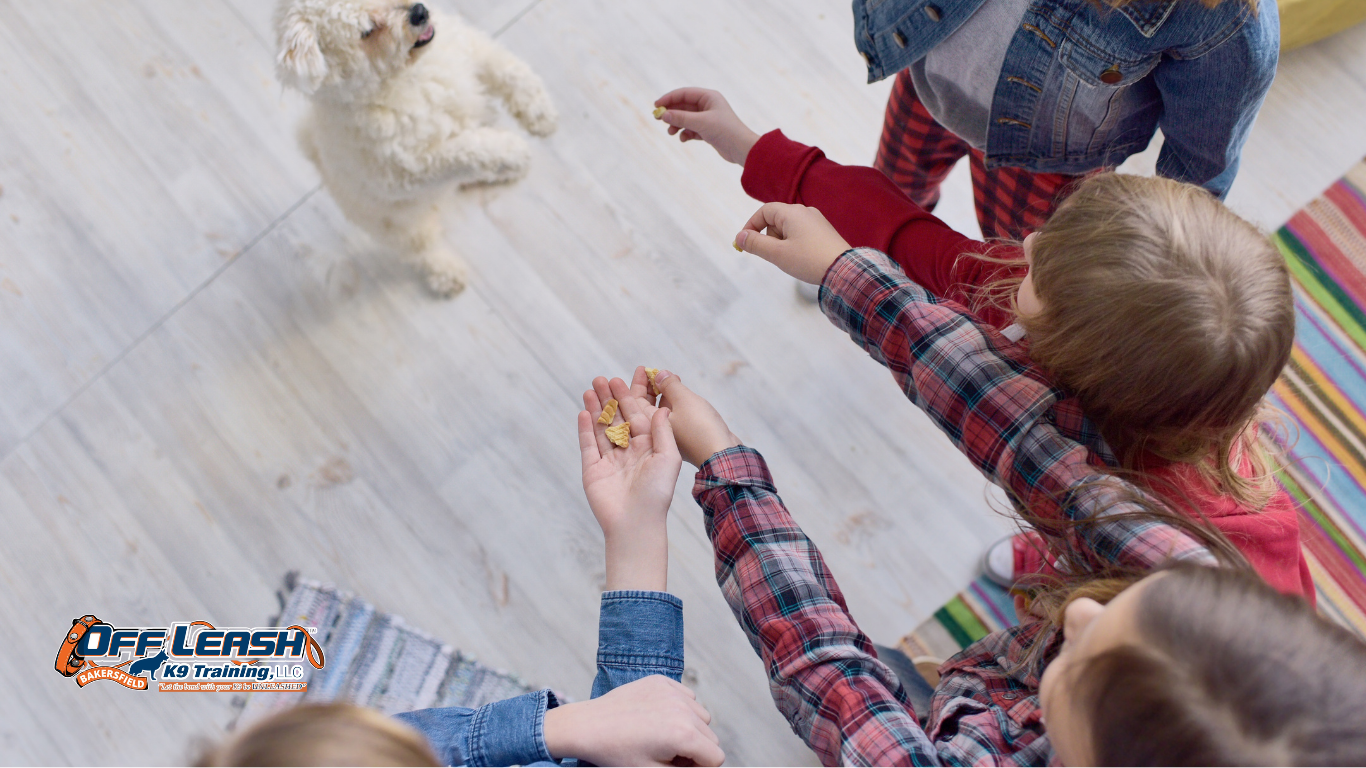
How to Teach Your Dog to Follow a Routine Without Becoming Overexcited
Daily routines help dogs understand what to expect throughout the day. Regular feeding times, walks, play sessions, and bedtime habits can create a sense of predictability. However, some dogs become so excited when they anticipate these activities that following the routine becomes difficult.
Your dog might jump when you reach for the leash, bark when you prepare a meal, spin in circles when playtime approaches, or struggle to settle after an exciting activity. Although these behaviors can be entertaining at first, excessive excitement can make everyday tasks stressful for both you and your dog.
The problem is not necessarily the routine itself. Often, dogs learn to associate particular movements, sounds, or objects with exciting rewards. When they recognize these signals, their anticipation builds before the activity even begins.
The good news is that you can teach your dog to follow a routine without becoming overexcited. By rewarding calm behavior, breaking activities into manageable steps, and creating consistent transitions, you can help your dog learn patience and self-control.
How Routines Influence a Dog’s Behavior
Dogs are observant animals that learn patterns through repetition. They may recognize when you wake up, prepare their food, put on your shoes, or reach for a leash. These familiar signals help them predict what will happen next.
A consistent routine can make daily life easier because your dog learns what to expect. For example, a regular sequence of waking up, going outside, eating, and resting can help establish predictable habits.
However, routines can also strengthen anticipation. If picking up the leash always means an immediate walk, your dog may become excited as soon as they see it. If opening a cupboard consistently leads to food, the sound of the cupboard may trigger barking or jumping.
Dogs also learn from what happens during transitions. If jumping causes you to hurry through the process of preparing for a walk, your dog may learn that energetic behavior helps move things along.
A healthy routine should provide structure without encouraging constant excitement. Include quiet periods, independent activities, and opportunities to relax between stimulating events.
The goal is to help your dog understand not only what happens next but also how to behave while waiting for it.
Why Predictable Activities Can Trigger Excitement
Predictability can make enjoyable activities even more exciting for dogs. When your dog recognizes the signals that usually precede a walk, meal, or game, they may begin anticipating the reward before it arrives.
This anticipation can produce behaviors such as pacing, whining, jumping, spinning, barking, or running around the house. Some dogs become so focused on the upcoming activity that they struggle to respond to familiar cues.
For example, a dog that sees you reach for their food container may start barking before the bowl is prepared. A dog that hears the jingle of a leash may rush toward the door and pull before the walk begins.
These reactions often develop through repeated associations. The dog learns that certain events predict something enjoyable and responds with increasing enthusiasm.
Excitement is not inherently bad. It is normal for dogs to look forward to walks, meals, and playtime. The challenge arises when the excitement becomes difficult to manage or interferes with safe, calm behavior.
You can help by slowing down the transition between the signal and the activity. Rather than immediately proceeding while your dog is jumping or barking, pause when safe and reward a calmer response.
Over time, your dog can learn that familiar signals do not mean they must become excited immediately. They can notice what is happening, remain composed, and wait for the next step.
The Connection Between Anticipation and Impulse Control
Anticipation occurs when your dog expects something to happen. Impulse control helps your dog pause and choose an appropriate response instead of immediately acting on that expectation.
A dog with limited impulse control may rush toward the door as soon as the leash appears, bark continuously while waiting for dinner, or grab toys before you are ready to begin a game.
These behaviors do not necessarily mean the dog is deliberately misbehaving. The dog may simply need practice managing excitement and waiting for a clear signal.
You can build impulse control through short, rewarding exercises. For example, ask your dog to wait briefly before opening a door, then invite them forward when it is safe. Before beginning play, reward a calm pause and then give a clear signal to start.
Keep the expectations realistic. A dog that is just beginning to learn patience may only manage a second or two of calm behavior. Gradually increase the waiting period as the dog becomes more successful.
Avoid using long waits or repeated commands that create frustration. The purpose is to teach your dog that pausing is worthwhile, not to test how long they can tolerate excitement.
With regular practice, your dog can learn to recognize exciting signals without immediately rushing into action. This ability supports calmer routines and better decision-making in everyday situations.
Signs Your Dog Is Becoming Overexcited During a Routine
Common signs include:
- Jumping when you prepare for a familiar activity.
- Barking or whining while waiting for food or a walk.
- Spinning, pacing, or running around the house.
- Pulling intensely toward the door.
- Struggling to respond to familiar cues.
- Grabbing the leash, clothing, or toys.
- Becoming increasingly restless as an activity approaches.
- Having difficulty settling after playtime or a walk.
- Repeatedly demanding attention during transitions.
Some dogs show excitement through fast movement and vocalization, while others become intensely focused and have trouble shifting their attention.
Consider your dog’s normal behavior and the situation. A brief burst of enthusiasm may be perfectly normal. The concern is when excitement repeatedly interferes with safety, learning, or the dog’s ability to rest.
Also distinguish excitement from fear or discomfort. Panting, pacing, or whining can have multiple causes. If your dog appears frightened, cannot settle, shows signs of pain, or experiences a sudden behavioral change, consult your veterinarian as appropriate.
Once you recognize the pattern, identify the point in the routine where the excitement begins. This helps you choose the best moment to introduce a calmer response.
How to Teach Your Dog to Follow a Routine Calmly
Start by identifying the activities that consistently trigger excitement. For one dog, it may be preparing for a walk. For another, it may be mealtime, visitors arriving, or the transition from play to rest.
Break the activity into smaller steps and teach your dog how to behave during each one. Reward calm responses before moving forward, and keep early practice sessions short enough for your dog to succeed.
Use positive reinforcement to make calm behavior worthwhile. You might reward your dog for standing with all four paws on the floor, waiting briefly, walking with a loose leash, or settling on a mat.
Do not expect your dog to remain perfectly still throughout the entire routine from the beginning. Build the skill gradually and adjust the difficulty if excitement becomes too intense.
A calm routine should also meet your dog’s needs. Include appropriate exercise, sniffing opportunities, play, social interaction, and adequate rest.
With repetition, your dog can learn that everyday activities follow a familiar sequence and that calm behavior helps each transition happen smoothly.
Step 1: Establish a Predictable but Flexible Daily Routine
Your routine might include waking up, going outside, eating breakfast, resting, taking a walk, enjoying a short training session, and having quiet time. The exact schedule does not need to be identical every day, but familiar patterns can help your dog understand what to expect.
Avoid making every activity depend on an exact time or a single highly exciting signal. For example, if your dog begins barking whenever you reach for the leash at a particular time, occasionally practice calm leash handling separately from an actual walk.
Build quiet periods into the day. Dogs need opportunities to rest, and a schedule filled with constant stimulation may make it harder for some dogs to settle.
Use consistent cues for transitions. A phrase such as “all done” can signal the end of play, while “bedtime” may help introduce a familiar wind-down routine.
Remain flexible when necessary. If your dog is tired, unwell, or overwhelmed, adjust the plan instead of insisting that every activity happen exactly as usual.
The purpose of a routine is to create helpful structure, not rigid expectations. When activities are predictable but transitions remain calm and manageable, your dog has more opportunities to practice self-control.
Step 2: Identify the Activities That Trigger Excitement
Observe your dog during common activities such as meal preparation, leash handling, getting ready to leave the house, starting play, or preparing for bedtime.
Notice the earliest signal that excitement is building. Your dog may begin pacing when you stand up, barking when you open a cupboard, or jumping when you reach toward the leash.
Record what happens immediately before and after the behavior. Does your dog become excited when they see a particular object? Does your response make the activity begin faster? Does the excitement increase when you speak loudly or move quickly?
These observations can reveal patterns you may not have noticed.
For example, if your dog starts barking as soon as you take out the food bowl, begin practicing calm behavior before the bowl appears. If leash handling triggers jumping, work on calm responses to the leash in a quiet setting before attempting a full walk.
Focus on one trigger at a time. Trying to change several exciting routines simultaneously can make training harder to manage.
Once you understand what starts the excitement, you can prepare an easier practice session and reward the behavior you want before your dog becomes overwhelmed.
Step 3: Reward Calm Behavior Before Each Activity
One of the most effective ways to change routine-related excitement is to reward calm behavior before the anticipated activity begins.
For example, if your dog jumps when you prepare a meal, pause when safe and wait for a brief moment with all four paws on the floor. Mark that behavior with a word such as “yes” and provide a small treat.
If your dog remains calm, continue preparing the meal. If they become excited again, make the next step easier and reward another manageable moment of calm.
You can use the same principle when preparing for a walk. Reward your dog for standing calmly while you pick up the leash, then continue attaching it once your dog can manage that step.
The key is to make calm behavior part of the process rather than waiting until your dog is already highly excited.
Avoid demanding a long sit or down if your dog is only beginning to learn the skill. A brief pause or relaxed standing may be an appropriate starting point.
As your dog improves, gradually increase the duration of calm behavior before moving to the next step.
This teaches your dog that calmness is useful. The activity they want can still happen, but they learn to participate in a more manageable way.
Step 4: Teach Your Dog to Wait During Daily Transitions
Daily transitions provide excellent opportunities to practice patience. These moments include opening doors, preparing meals, starting play, putting on a leash, or moving from one activity to another.
Begin with a simple transition in a quiet environment. Ask your dog for an easy behavior, such as standing calmly or sitting if they are comfortable doing so.
Pause for one second, then continue with the activity if your dog remains calm. Gradually increase the waiting period as they improve.
For example, before opening the door to go outside, reward your dog for waiting briefly. Open the door only as far as is safe and manageable, then invite your dog through when appropriate.
If your dog rushes forward, calmly reset the situation rather than scolding or physically forcing them into position. Use a secure leash or barrier when necessary to prevent bolting.
Practice with other transitions too. Ask your dog to pause briefly before you throw a toy or place their food bowl down.
Keep sessions short and reward success frequently. If your dog becomes increasingly frustrated, reduce the waiting time.
The purpose is to build a habit of pausing before acting. Over time, your dog can learn that waiting calmly is a normal part of daily life.
Step 5: Break Exciting Activities Into Smaller Steps
When an activity consistently causes overexcitement, break it into manageable pieces.
Consider a dog that becomes extremely excited before walks. Instead of going from picking up the leash straight to opening the door, practice the sequence in smaller steps.
First, reward your dog for remaining calm while you pick up the leash. Next, reward calm behavior while you approach and attach it. Then practice walking a few steps indoors before moving toward the door.
Only progress when your dog can handle the current step comfortably.
You can use the same approach at mealtime. Practice calmly preparing the bowl, placing it on a counter, and moving toward the feeding area. Reward manageable responses along the way.
For playtime, reward a brief pause before starting the game and introduce a clear cue that signals when play begins.
If excitement rises too quickly, return to an easier step. You do not need to complete the entire routine during every training session.
Breaking activities down makes the process easier to understand and gives your dog more opportunities to succeed.
Gradually, the separate steps become familiar. Your dog learns that the routine does not need to trigger an immediate burst of activity and that calm responses help them move forward.
Step 6: Practice Calm Responses Before Walks, Meals, and Playtime
Walks, meals, and playtime are common sources of excitement because they provide rewards dogs value.
Practice each activity separately so your dog can learn the appropriate response without being overwhelmed.
Before walks: Reward your dog for remaining calm while you prepare the leash. Practice walking a few steps indoors, then approach the door. If your dog becomes too excited, pause at a manageable point and reward calm behavior before proceeding.
Before meals: Prepare the food without encouraging frantic behavior. Reward a brief moment of calm before placing the bowl down. Make sure your dog can eat in a comfortable, undisturbed location.
Before playtime: Ask for a brief pause before starting the game. Use a clear cue to begin and another to signal that play is finished. Reward your dog for transitioning to a calmer activity afterward.
Do not make these exercises unnecessarily difficult. A young or energetic dog may need only a short pause at first.
If your dog becomes frustrated when an activity is delayed, reduce the waiting time and practice more frequently. You want to teach patience, not create prolonged frustration.
By applying the same basic principles to different activities, you help your dog understand that calm behavior is useful throughout the day.
Step 7: Help Your Dog Settle After Each Activity
After a walk, play session, or exciting outing, give your dog an opportunity to settle in a comfortable environment. Depending on the dog, this may include drinking water, sniffing quietly, working on an appropriate food puzzle, or resting on a familiar mat.
Avoid immediately replacing one exciting activity with another. If your dog moves from energetic play to intense training and then to another game, they may have fewer opportunities to practice relaxation.
Teach a consistent finishing cue such as “all done.” Say it calmly when play ends, put toys away if needed, and guide your dog toward a quieter activity.
Reward signs of relaxation, such as lying down, resting their head, or choosing to remain in their resting area. Do not require complete stillness if your dog needs to shift position or settle gradually.
If your dog remains highly stimulated, reduce noise and activity around them. Some dogs need more time and a quieter environment before they can relax.
With consistent practice, your dog can learn that every exciting activity has a predictable ending and that rest is a normal part of the daily routine.
Common Mistakes That Can Make Routine-Related Excitement Worse
Some common habits can unintentionally increase a dog’s excitement during daily activities.
Moving too quickly through the routine: Rushing from one step to another can make it harder for your dog to practice calm behavior. Slow down and reward manageable responses.
Rewarding frantic behavior by accident: If barking or jumping consistently makes walks, meals, or play begin faster, those behaviors may become stronger. Reward calm behavior before continuing when it is safe to do so.
Expecting too much patience too soon: A dog that has never practiced waiting may struggle with long delays. Begin with very short pauses and increase them gradually.
Repeating commands without changing the situation: Saying “sit” or “calm down” repeatedly may not help if your dog is too excited to respond. Make the task easier or reduce distractions.
Providing constant stimulation: Dogs need activity, but they also need adequate rest. Include quiet periods and opportunities for independent relaxation.
Using punishment or intimidation: Shouting, leash jerks, or physical corrections may increase stress and excitement. Focus on rewarding appropriate behavior and managing the environment.
Being inconsistent: If calm behavior is expected on some days but ignored on others, learning may take longer. Use similar cues and realistic expectations across the household.
Ignoring possible discomfort: Restlessness, pacing, or difficulty settling can sometimes reflect pain, anxiety, or another health issue. Seek veterinary advice if behavior changes suddenly or appears abnormal.
Skipping practice when the dog is calm: If you practice only when your dog is already overexcited, the exercises may be too difficult. Teach each skill during quiet moments first.
Avoiding these mistakes helps your dog develop calmer habits without making everyday routines stressful.
How to Respond When Your Dog Becomes Overexcited
Start by reducing stimulation. If your dog is barking and jumping while you prepare for a walk, pause the process at a safe point. Give your dog enough space to settle and reward a brief moment of calm before continuing.
If the dog cannot respond to familiar cues, the current situation may be too difficult. Reduce the challenge by moving away from distractions, shortening the waiting period, or returning to an easier step in the routine.
Avoid shouting, chasing, or physically forcing your dog into position. These reactions can increase arousal and make it harder for the dog to understand what you want.
Use clear signals and predictable consequences. For example, a calm pause may allow you to continue preparing the meal, while frantic behavior may mean you need to slow the process down and practice an easier response.
Do not withhold essential needs as punishment. Meals, bathroom breaks, and appropriate exercise should remain part of your dog’s care. If an activity is necessary, manage the situation safely and work on the training separately.
If your dog regularly becomes extremely distressed, cannot settle for long periods, or shows sudden changes in behavior, consult your veterinarian and consider help from a qualified, reward-based behavior professional.
The goal is to help your dog recover from excitement and learn a better response for next time.
Building Calm Habits Through Consistent Daily Practice
You do not need to schedule long training sessions to make progress. Short exercises throughout the day can help reinforce the skills your dog is learning.
Reward your dog for waiting while you prepare a meal, following you calmly through a doorway, or resting while you work. These everyday moments teach the same principles as formal training sessions.
Consistency among family members is also important. Agree on the cues you will use and how you will respond when the dog becomes overexcited. Similar expectations help your dog understand what to do.
Track progress by looking for practical improvements. Your dog may begin barking less during meal preparation, waiting more comfortably before walks, or settling sooner after playtime.
Remember that different activities may require different levels of practice. Your dog might remain calm before meals but still become very excited when the leash appears. Continue working on the more difficult routine without assuming the entire training plan has failed.
Allow flexibility when your dog’s needs change. Age, health, weather, activity levels, and unusual events can all affect behavior.
With patience and consistent reinforcement, calm responses can gradually become part of your dog’s normal daily habits.
How BakersfieldDogTrainer.com Can Help Your Dog Follow Routines Calmly
Helping a dog follow a routine without becoming overexcited requires more than maintaining a schedule. It involves teaching impulse control, recognizing triggers, and creating predictable transitions that encourage calm behavior.
BakersfieldDogTrainer.com can be a resource for dog owners who want to improve everyday manners, develop calmer household habits, and make routines easier to manage.
A structured training approach can help you identify which activities trigger the strongest excitement, break those activities into manageable steps, and reinforce calm responses before moving forward.
It can also help you build practical skills such as waiting before walks, remaining composed during meal preparation, transitioning out of playtime, and settling after stimulating activities.
Every dog has different needs. A young dog may require more opportunities for appropriate activity and short training sessions, while a dog that becomes anxious during transitions may need a gentler, more individualized plan.
The goal is to help your dog participate in everyday life with greater confidence and control, without removing the enjoyment they get from walks, meals, and play.
If your dog experiences persistent distress, cannot settle, or shows a sudden change in behavior, consult your veterinarian and consider guidance from a qualified, reward-based behavior professional.
With clear communication, realistic expectations, and consistent practice, you can help your dog develop a calmer relationship with daily routines.
FAQs
1. Why does my dog get overexcited when following a daily routine?
Your dog may have learned to associate certain signals, such as reaching for the leash or preparing food, with exciting rewards. Anticipation can build before the activity begins. Reward calm behavior during each step and practice waiting briefly to help your dog manage that excitement.
2. Can a predictable routine make my dog more excited?
Yes, predictable events can increase anticipation when they consistently lead to something enjoyable. A routine is still beneficial, but you can teach your dog to remain calm while waiting. Include quiet activities, reward composed behavior, and avoid rushing through transitions when your dog is overexcited.
3. How do I calm my dog before a walk?
Prepare the leash gradually and reward calm behavior at each step. Practice indoors first, then approach the door when your dog can remain manageable. If excitement becomes too intense, pause at a safe point and make the next repetition easier. Use a secure leash and avoid dragging or jerking your dog.
4. Why does my dog get excited when it is time to eat?
Your dog may recognize food containers, cupboard sounds, or meal preparation as signals that food is coming. These associations can trigger barking, jumping, or pacing. Reward brief moments of calm during preparation and use a consistent feeding routine that does not encourage frantic behavior.
5. How can I teach my dog to wait during daily activities?
Start with a one-second pause before an enjoyable activity, then reward your dog for remaining calm. Gradually increase the waiting time as your dog succeeds. Practice before meals, walks, and playtime, keeping each exercise short enough that your dog does not become frustrated.
6. Should I change my dog’s routine to reduce excitement?
You may need to adjust how activities are introduced rather than eliminate the routine. Keep essential needs predictable, but practice exciting signals separately and introduce calmer transitions. Include enough rest and enrichment, and remain flexible when your dog’s health or circumstances require a change.
7. How much exercise does an overexcited dog need?
The right amount depends on your dog’s age, breed, health, and individual temperament. Appropriate walks, sniffing, play, and mental enrichment can help meet their needs, but more exercise is not always the answer. Excessively stimulating activity may increase arousal in some dogs. Ask your veterinarian for individualized guidance if needed.
8. How can I help my dog calm down after playtime?
Use a consistent finishing cue, end the game calmly, and transition to a quieter activity. You might offer a sniffing opportunity, an appropriate food puzzle, or a comfortable resting area. Reward signs of relaxation and allow your dog time to recover before beginning another exciting activity.
9. How long does it take for a dog to learn a calm routine?
The timeline varies depending on the dog’s age, learning history, temperament, and the intensity of the trigger. Some dogs improve within a few practice sessions, while others need weeks or longer. Consistent, gradual training and realistic expectations help build lasting habits.
10. What should I do if my dog becomes overexcited throughout the day?
Review the dog’s activity, rest, environment, and daily triggers. Break exciting routines into smaller steps, reward calm behavior, and provide appropriate enrichment and quiet time. If the dog cannot settle, appears distressed, or develops sudden behavioral changes, consult a veterinarian and consider professional behavior support.
Conclusion: Helping Your Dog Follow a Routine With Calm and Confidence
A daily routine can provide dogs with structure, security, and enjoyable opportunities. However, when familiar activities trigger excessive anticipation, dogs may need help learning how to wait, transition, and settle calmly.
The most effective approach is to make calm behavior part of the routine itself. Identify the activities that trigger excitement, break them into smaller steps, reward manageable responses, and practice short pauses before walks, meals, and playtime.
Remember that the goal is not to eliminate your dog’s enthusiasm. It is to help them enjoy daily activities without becoming so excited that they struggle to respond or recover afterward.
Be patient with the process. Some dogs will learn to wait quickly, while others need more repetition and adjustments to their environment. Celebrate small improvements and keep the exercises positive.
With consistency, clear communication, and appropriate opportunities for activity and rest, your dog can learn to follow familiar routines with greater self-control.
A calm routine is built one transition at a time. By teaching your dog what to expect and how to respond, you can make everyday life more enjoyable for both of you.
Website Contact Form
"*" indicates required fields