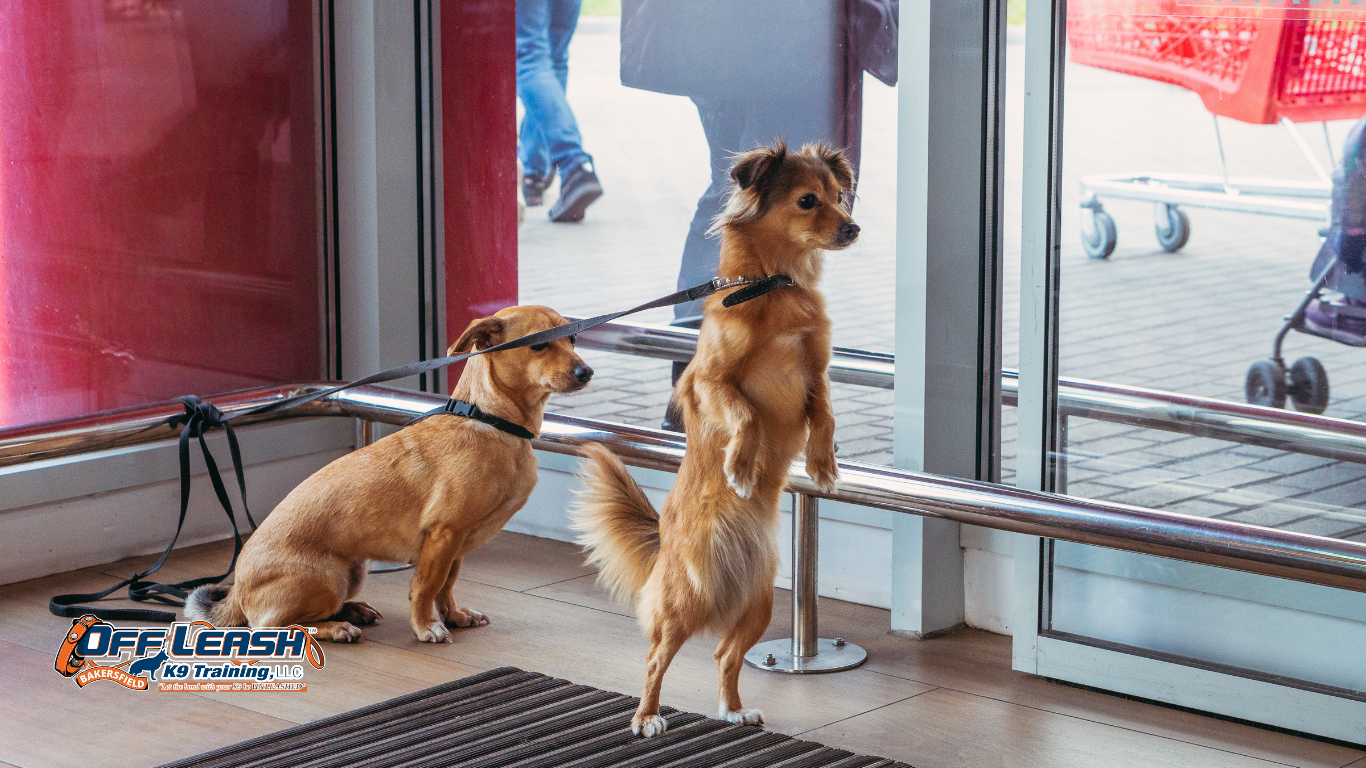
Why Dogs Struggle to Settle After Visitors Leave
Have you ever noticed that your dog seems excited, restless, or unable to relax even after your visitors have left? Your guests may be gone, the house may be quiet, and everything may appear to be back to normal, yet your dog continues pacing, barking, whining, or checking the door.
This behavior is common in dogs that become highly stimulated by social interactions. Visitors bring new sounds, scents, movements, attention, and excitement into the home. Even when the interaction ends, a dog may need time and guidance to return to a relaxed state.
Learning to settle after visitors leave is an important part of developing emotional regulation and everyday manners. Dogs need to understand not only how to greet people appropriately but also how to transition from excitement back to calm behavior.
The good news is that you can teach these skills through consistent routines, positive reinforcement, and gradual practice. By understanding what your dog experiences during and after a visit, you can help them recover more comfortably and enjoy a calmer household.
Why Visitors Can Leave Dogs Overexcited
Visitors can create a significant change in a dog’s environment. A familiar home suddenly becomes more interesting, and the dog may experience several exciting events in a short period.
Your dog might greet people at the door, receive attention, follow guests around, hear conversations, and respond to movement throughout the house. Each interaction can increase excitement, particularly when the dog already finds visitors highly rewarding.
Some dogs become excited because they enjoy meeting people. Others become overwhelmed because they are unsure how to respond to unfamiliar individuals or changes in their environment. A dog may even experience a mixture of excitement and anxiety.
When visitors leave, the stimulation disappears quickly, but the dog’s arousal level may remain elevated. The dog may continue behaving as though the interaction is still happening.
For example, a dog that repeatedly runs between the front door and the living room may still be anticipating another greeting. A dog that barks after the door closes may be responding to lingering sounds or movement outside.
Rather than assuming your dog is being stubborn, recognize that settling is a skill that may need to be taught and practiced.
How Greeting Visitors Affects a Dog’s Emotional State
The way visitors interact with your dog can influence how easily the dog settles afterward.
Exciting greetings often involve several forms of stimulation at once. Guests may speak in high-pitched voices, bend toward the dog, pet enthusiastically, or encourage jumping. If the dog enjoys this attention, the interaction can become increasingly stimulating.
Dogs may also learn that energetic behavior produces more attention. If jumping, barking, or running around consistently results in people talking to them or touching them, those behaviors can become stronger over time.
However, not every dog that struggles to settle is simply overexcited. Some dogs find visitors stressful, especially when people move unpredictably, approach too closely, or ignore signs that the dog needs space.
Watch your dog’s behavior during greetings. A loose body, relaxed facial expression, and voluntary approach can indicate comfort. A stiff posture, repeated lip licking, turning away, tucked tail, or attempts to hide may indicate discomfort.
Helping your dog settle begins with making the greeting itself more manageable. Calm arrivals, brief interactions, and appropriate breaks can prevent excitement or stress from building too high.
Why Dogs Continue Looking for Visitors After They Leave
When visitors leave, dogs may continue checking the places where the interaction occurred. They might stare at the door, sniff the entryway, look through windows, or follow family members who helped the guests leave.
This behavior can happen because dogs form expectations around familiar events. If a door opening usually means someone is arriving, the dog may continue anticipating another person. If visitors regularly provide attention, the dog may also expect the interaction to resume.
Dogs rely heavily on scent and sound. Lingering smells, footsteps outside, voices in the distance, and noises from neighboring homes can keep their attention focused on the entrance.
Some dogs also become frustrated when an enjoyable interaction ends. They may have wanted to continue playing or receiving attention, and the sudden loss of that opportunity can make it difficult to disengage.
You can help by giving your dog a clear alternative after guests leave. Instead of allowing repeated door checking to become the main activity, guide your dog toward a familiar resting place, a quiet sniffing activity, or another low-key routine.
The goal is not to prevent your dog from noticing the environment. It is to help them learn that the departure of visitors signals a transition back to normal household life.
The Role of Excitement, Stress, and Overstimulation
Excitement, stress, and overstimulation can look similar, but they are not exactly the same.
Excitement may occur when a dog enjoys attention and wants the interaction to continue. The dog may bounce around, bring toys to family members, or repeatedly return to the entrance.
Stress can occur when a dog finds the visit difficult or unpredictable. The dog may pace, pant when the room is not warm, whine, hide, or remain unusually alert.
Overstimulation happens when the dog has experienced more activity or sensory input than they can comfortably manage at that moment. The dog may struggle to respond to familiar cues, settle into a resting position, or shift attention away from the environment.
A dog can experience more than one of these states during a single visit. For example, the dog may initially enjoy greeting guests but become overwhelmed after prolonged interaction.
This is why simply telling a dog to lie down may not solve the problem. If the dog is too aroused or uncomfortable, they may need less stimulation, more distance, and time to recover.
Keep visits manageable, allow breaks, and observe how your dog responds. Preventing excessive arousal is often easier than trying to resolve it after it has developed.
Signs Your Dog Is Having Trouble Settling Down
Recognizing the signs of restlessness can help you respond before the behavior becomes more intense.
Common signs include:
- Repeatedly checking the front door or windows.
- Barking at sounds outside after visitors have departed.
- Pacing between rooms without appearing to settle.
- Whining, panting, or vocalizing without an obvious physical cause.
- Bringing toys to family members and repeatedly demanding attention.
- Following the person who escorted visitors out.
- Jumping on people or grabbing clothing during attempts to redirect them.
- Struggling to respond to familiar cues.
- Moving from one activity to another without taking a break.
- Remaining unusually alert long after the home becomes quiet.
One behavior alone does not necessarily indicate a problem. Consider your dog’s usual behavior, body language, and the intensity of the response.
If your dog settles after a short period, the behavior may simply reflect temporary excitement. If restlessness lasts a long time, occurs after every visit, or appears to be worsening, you may need to adjust your routine and training approach.
Sudden or persistent changes in behavior can also have medical causes. If your dog seems unable to get comfortable, shows signs of pain, or experiences an abrupt change in activity or sleep, consult your veterinarian.
How to Help Your Dog Settle After Visitors Leave
Helping a dog settle requires more than waiting for the excitement to disappear. Your dog needs repeated opportunities to practice transitioning from activity to relaxation.
Start by identifying what usually happens when visitors leave. Does your dog rush to the door? Does someone encourage continued play? Does the dog spend several minutes barking at outside noises? Understanding this pattern helps you choose an effective starting point.
Create a predictable sequence that begins when guests prepare to leave and continues after the door closes. This might include guiding your dog away from the entrance, offering a few minutes of quiet sniffing, and encouraging them to rest in a familiar spot.
Reward small signs of progress. If your dog turns away from the door, lies down, or stops barking briefly, reinforce that calmer behavior when appropriate.
Keep your expectations realistic. A dog that becomes highly excited during visits may not immediately relax for an extended period. Begin with short moments of calm and gradually increase the duration as your dog becomes more comfortable.
Most importantly, practice when the household is quiet, not only after guests leave. Dogs learn more effectively when the environment allows them to succeed.
Step 1: Create a Calm Transition After Guests Leave
The first step is to make the end of a visit predictable.
If your dog becomes highly excited when people leave, avoid adding another burst of stimulation at that moment. Loud praise, energetic play, chasing the dog around the house, or repeatedly calling their name can prolong the excitement.
Instead, use a calm voice and guide your dog toward an activity they already understand. You might walk together to a quiet room, invite your dog to their resting area, or scatter a few pieces of food in an appropriate space for relaxed sniffing.
If your dog is fixated on the entrance, begin at a distance where they can still respond to you. Reward them for turning away from the door or following you toward another area.
Do not drag your dog away or force them to remain in a resting position. Gentle guidance and rewards are generally more useful than physical confrontation.
For some dogs, the transition may take only a few minutes. Others may need a longer period with fewer distractions.
Consistency matters. When the same calm sequence follows each visit, your dog can begin to recognize that the social activity has ended and that a quieter part of the day is starting.
Step 2: Reward Quiet and Relaxed Behavior
Dogs benefit from learning exactly which behaviors are worth repeating. If you only respond when your dog barks, jumps, or demands attention, you may unintentionally give those behaviors more attention than the calm alternatives.
Look for small signs of relaxation, such as standing quietly, softening the body, sitting without prompting, lying down, or resting their head.
When your dog shows one of these behaviors, quietly deliver a small treat or offer gentle praise if your dog enjoys it. Keep your response calm so you do not accidentally restart the excitement.
You can also reward disengagement. If your dog looks toward the door and then turns away, mark that moment with a brief word such as “yes” and provide a reward.
At first, reward short periods of calm. As your dog improves, gradually increase the time between rewards so they learn to maintain relaxed behavior without constant prompting.
Avoid expecting perfect stillness immediately. Some dogs need to shift position, sniff briefly, or look around before they can fully relax.
The purpose of reinforcement is to make calm choices rewarding. Over time, your dog can learn that resting, disengaging, and settling are useful behaviors even when something exciting has just happened.
Step 3: Teach Your Dog to Settle in a Designated Spot
A familiar mat, dog bed, or quiet resting area can give your dog a clear place to transition after visitors leave.
Begin teaching this skill when there are no guests present. Place the mat in a quiet location and reward your dog for looking at it, approaching it, or stepping onto it. Gradually reward sitting or lying down on the mat.
Once your dog is comfortable, reinforce brief periods of remaining there. Use small rewards delivered calmly, and allow your dog to leave when the exercise is finished.
Avoid turning the mat into a place of punishment. Your dog should associate it with comfort, safety, and positive experiences.
When your dog can settle on the mat during ordinary household activities, begin using it after short visits. Guide your dog toward the mat before excitement becomes overwhelming, and reward the first signs of relaxation.
If your dog repeatedly leaves, reduce the difficulty. Move the mat farther from the entrance, shorten the expected duration, or practice in a quieter room.
A designated resting spot is not a magical solution, but it can provide a consistent cue that helps your dog understand what to do next.
Step 4: Use Simple Activities to Encourage Relaxation
Some dogs find it difficult to move directly from excitement into stillness. A low-key activity can help them transition more comfortably.
Sniffing is a useful option because it encourages dogs to investigate their surroundings at a slower pace. You can scatter a few pieces of kibble across a safe area, hide treats in an easy-to-use food puzzle, or let your dog sniff around a familiar part of the home.
For dogs that enjoy licking or chewing, a suitable food-stuffed toy or chew may also encourage quiet engagement. Choose an item that is appropriate for your dog’s size, chewing style, and dietary needs, and supervise when necessary.
Avoid activities that increase arousal. Fast-paced fetch, rough play, or highly energetic games may leave an already excited dog even more stimulated.
Pay attention to your individual dog’s response. If food puzzles lead to frustration or your dog guards food items, choose a simpler alternative or seek professional guidance.
These activities should support relaxation rather than become another demanding event. Keep them easy, quiet, and predictable so your dog can gradually return to a comfortable state.
Step 5: Reduce Repeated Checking at Doors and Windows
Repeatedly checking doors and windows can keep a dog focused on the possibility of more visitors. Every new sound or movement may renew the dog’s anticipation.
If your dog spends a long time watching the entrance after guests leave, reduce access to those triggers temporarily. You might close curtains, use a baby gate, or guide your dog to a room farther from the front door.
The aim is not to frighten or punish the dog for looking outside. It is to reduce unnecessary stimulation while they practice disengaging.
When your dog notices a sound or movement, wait for a manageable moment and reward them for turning back toward you or moving away from the window. You can also calmly guide them to another activity.
Avoid repeatedly shouting “quiet” or calling your dog from across the room while they are barking intensely. Those interactions may add excitement without helping them learn how to disengage.
If outside noises are a major trigger, practice separately during quieter periods. Reward your dog for noticing a sound and then returning to a calm activity.
As your dog’s ability to recover improves, you can gradually allow more access to ordinary household sights and sounds.
Step 6: Practice Calm Behavior Before Visitors Arrive
One of the best ways to improve your dog’s behavior after visitors leave is to prepare before the visit begins.
If your dog becomes highly excited at the sound of the doorbell, the sight of people entering, or the first greeting, practice those moments separately. Use manageable repetitions and reward calm responses.
For example, have a familiar person knock gently while your dog is at a comfortable distance from the entrance. Reward your dog for remaining composed, orienting toward you, or going to their mat.
Keep early practice short. If your dog begins barking continuously, jumping, or struggling to respond, make the exercise easier rather than repeating the same difficult situation.
You can also establish a visitor routine. Before guests arrive, provide an appropriate walk or sniffing opportunity if suitable for your dog, prepare the resting area, and decide how greetings will be handled.
Ask visitors to avoid encouraging jumping, chasing, or intense play if those behaviors make it difficult for your dog to settle later.
For dogs that are fearful or show aggressive behavior around visitors, use appropriate distance and barriers rather than forcing greetings. A qualified, reward-based behavior professional can help develop a safe plan.
The more manageable the visit itself becomes, the easier it may be for your dog to recover afterward.
Step 7: Build Your Dog’s Ability to Recover From Excitement
Calm behavior is not only about remaining still. Dogs also need to learn how to recover after exciting events.
Begin with situations that produce mild excitement. Ask your dog for a familiar, easy behavior, such as turning toward you, touching your hand, or walking calmly to their mat. Reward the response, then give them an opportunity to relax.
Gradually practice after slightly more stimulating events, always keeping the difficulty within your dog’s ability to cope.
For example, you might practice settling after a family member comes home before attempting the same skill after a busy gathering. You can also reward your dog for transitioning from a short play session to quiet time.
Notice how quickly your dog returns to their usual behavior. Improvement may look like less pacing, fewer door checks, shorter barking episodes, or a quicker return to resting.
Do not rush the process. Increasing difficulty too quickly can create frustration and make settling harder.
The objective is to build a flexible skill that works across different situations. With repetition, your dog can learn that excitement does not need to continue indefinitely and that calm behavior is possible even after an interesting event.
Common Mistakes That Make It Harder for Dogs to Settle
Some well-intentioned responses can unintentionally prolong a dog’s excitement.
Giving constant attention to restless behavior: Repeated talking, touching, or calling your dog may maintain the interaction they are seeking. Reward calm behavior instead, while still responding appropriately if your dog needs help or appears distressed.
Expecting immediate relaxation: A highly stimulated dog may need time to recover. Begin with small improvements rather than demanding an extended period of stillness.
Using punishment for barking or pacing: Scolding, leash corrections, or intimidating responses may add stress without teaching the dog what to do instead. Use management, distance, and positive reinforcement.
Encouraging overly energetic greetings: If guests repeatedly excite your dog through jumping, squealing, or rough play, the dog may struggle to transition back to normal activity.
Offering activities that increase arousal: Some dogs become more stimulated by vigorous games immediately after visitors leave. Choose quieter alternatives when the goal is relaxation.
Repeating cues without helping the dog succeed: Saying “sit” or “settle” repeatedly while your dog is overwhelmed does not necessarily teach the skill. Reduce distractions and practice at an easier level.
Ignoring signs of discomfort: A dog that hides, trembles, or tries to escape may be stressed rather than simply overexcited. Provide space and avoid forced interaction.
Being inconsistent: If the dog is encouraged to jump and bark during some visits but expected to settle immediately after others, learning may take longer. Establish realistic household rules and apply them consistently.
Effective training focuses on teaching an alternative behavior, reducing unnecessary triggers, and helping the dog succeed through manageable practice.
How to Tell Whether Your Dog Is Excited, Frustrated, or Stressed
Understanding your dog’s emotional state helps you choose the right response.
An excited dog may have a loose, wiggly body, seek attention, bring toys to people, and repeatedly return to the entrance. They may still be able to eat treats and respond to familiar cues, although their focus may be reduced.
A frustrated dog may whine, bark, pace, or repeatedly attempt to reach the door. Their behavior may reflect difficulty accepting that an enjoyable interaction has ended.
A stressed dog may show a wider range of signs, including a tucked tail, stiff body, lowered posture, avoidance, repeated lip licking, yawning in context, panting, or attempts to hide. Some stressed dogs become very active, while others withdraw.
No single signal tells the whole story. A yawn, for example, can have several explanations, so consider the entire body, the situation, and changes from your dog’s normal behavior.
If your dog appears worried, increase distance from the trigger and give them access to a quiet, safe area. Do not force them to greet visitors or remain near the entrance.
If your dog is highly excited but comfortable, focus on helping them disengage and practice familiar calming behaviors.
When the behavior involves intense fear, growling, snapping, or attempts to bite, prioritize safety and consult a veterinarian or qualified behavior professional. Emotional regulation improves most effectively when the dog’s underlying needs are addressed rather than when outward behavior is simply suppressed.
What to Do if Your Dog Keeps Barking, Pacing, or Whining After Guests Leave
If your dog continues barking, pacing, or whining after a visit, start by making the environment easier to manage.
Close the curtains if outside movement triggers barking, reduce access to the front door, and move to a quieter room if needed. Speak calmly and avoid turning the situation into a prolonged interaction.
Once your dog can respond to you, offer a simple activity such as sniffing for a few pieces of kibble or moving to a familiar resting spot. Reward brief moments of quiet or disengagement.
If your dog is too aroused to respond, avoid repeating commands or physically forcing them into position. Give them space, reduce stimulation, and wait for a more manageable moment to begin guiding them.
Consider how long the behavior lasts and whether the same pattern occurs after every visit. Keeping brief notes can help you identify triggers, such as particular guests, loud departures, doorbell sounds, or visits that involve extensive play.
Make future visits shorter or quieter if necessary. Give your dog breaks during the gathering instead of waiting until the end, when they may already be overwhelmed.
If restlessness is severe, persists for unusually long periods, interferes with sleep, or includes signs of panic, seek veterinary advice. A professional can help determine whether the behavior reflects anxiety, a medical concern, or a training issue requiring a more individualized approach.
Building a Consistent Post-Visitor Routine
Dogs often benefit from knowing what happens next. A predictable post-visitor routine gives them a familiar sequence to follow instead of leaving them to manage the transition on their own.
Your routine could include calmly escorting guests to the door, guiding your dog away from the entrance, offering a brief sniffing activity, and then inviting the dog to rest in a comfortable location.
The exact sequence is less important than choosing steps that suit your dog’s needs and repeating them consistently.
For example, if your dog settles best after sniffing for a few minutes, make that a regular part of the routine. If the entrance is too stimulating, use a quieter room for the transition. If your dog needs more space after social interaction, allow them to rest without being repeatedly approached.
Practice the same settling skills on ordinary days. Reward your dog for relaxing while you work, prepare meals, or move around the house. These everyday experiences build the foundation for settling after more exciting events.
Keep track of gradual improvements. Your dog may begin checking the door less often, responding more readily to familiar cues, or lying down sooner after guests leave.
There is no universal recovery time that every dog should meet. Focus on whether your dog is becoming more comfortable and whether the duration and intensity of the behavior are decreasing.
Consistency, appropriate expectations, and positive reinforcement can help turn the end of a visit into a predictable transition rather than a prolonged period of restlessness.
How BakersfieldDogTrainer.com Can Help Your Dog Develop Better Settling Skills
If your dog struggles to settle after visitors leave, the behavior may reflect a combination of excitement, learned habits, difficulty disengaging, or discomfort around social interactions. Identifying the reason makes it easier to choose an effective training approach.
BakersfieldDogTrainer.com can be a resource for dog owners seeking guidance on building calmer household behavior, improving impulse control, and developing practical skills that work in everyday situations.
A structured training approach can focus on teaching your dog to remain composed during arrivals, respond to familiar cues when excited, move away from the entrance, and settle in a designated resting area.
Training can also help owners recognize when a dog needs a quieter environment rather than more commands or attention. This distinction is particularly important for dogs that become overwhelmed during social visits.
Progress generally comes from consistent practice rather than one quick fix. By reinforcing calm choices throughout the day and using a predictable routine after visitors leave, you can help your dog learn how to transition more comfortably from excitement to rest.
Every dog is different, so training should account for age, temperament, past experiences, and the intensity of the behavior. For dogs showing significant fear or aggression, seek appropriately qualified professional support and veterinary guidance when needed.
With patience and a clear plan, your dog can develop better recovery skills and become more comfortable when visitors come and go.
FAQs
1. Why does my dog get hyper after visitors leave?
Your dog may remain excited because greeting visitors involved attention, movement, new scents, and social interaction. Even after the guests leave, your dog’s arousal may take time to decrease. A calm transition routine and rewards for relaxed behavior can help your dog learn what to do next.
2. How long should it take a dog to settle after guests leave?
There is no single timeframe that applies to every dog. Some settle within minutes, while others need longer, especially after stimulating visits. Focus on gradual improvement in your dog’s ability to disengage, rest, and return to normal behavior. If the restlessness is prolonged, intense, or unusual, consider consulting your veterinarian.
3. Why does my dog keep barking at the door after visitors leave?
Your dog may hear footsteps, voices, or movement outside and expect the visitors to return. The dog may also have learned that the entrance predicts exciting social interactions. Reduce exposure to triggering sights and sounds when needed, then reward your dog for turning away from the door and engaging in a calmer activity.
4. Should I ignore my dog when they are excited after visitors leave?
Not necessarily. Constantly responding to demanding behavior may maintain the excitement, but completely ignoring a dog that is distressed or needs help is not appropriate. Reduce stimulation, calmly guide your dog toward an alternative activity, and reward moments of relaxation. Respond to signs of fear or discomfort with appropriate support.
5. Can a walk help my dog calm down after visitors leave?
A relaxed sniffing walk may help some dogs transition to a calmer state, provided they are comfortable and the environment is manageable. However, a busy or highly stimulating walk may increase arousal in some dogs. Consider your dog’s needs and choose a quiet outing or an indoor sniffing activity if that is more suitable.
6. How do I teach my dog to settle on a mat?
Start in a quiet room and reward your dog for approaching and stepping onto the mat. Gradually reinforce lying down and remaining there for short periods. Keep sessions positive and allow your dog to leave when the exercise ends. Once the behavior is reliable in quiet settings, practice after short, manageable visits.
7. Why does my dog pace around the house after guests leave?
Pacing can reflect excitement, frustration, anticipation, or stress. Your dog may be searching for the visitors, reacting to sounds, or struggling to transition from activity to rest. Reduce stimulation and provide a predictable calming routine. If pacing is new, persistent, or accompanied by signs of discomfort, seek veterinary advice.
8. Can overstimulation make it harder for dogs to relax?
Yes. After prolonged activity or intense social interaction, some dogs struggle to disengage, respond to cues, or rest comfortably. Shorter visits, planned breaks, quieter greetings, and gradual training can help prevent overstimulation. Giving your dog time and space to recover is often more effective than adding more activity.
9. Should I give my dog treats for being calm after visitors leave?
Yes, when used appropriately, rewards can reinforce behaviors such as turning away from the door, lying down, or remaining quietly on a mat. Deliver treats calmly so you do not increase excitement. Begin by rewarding short moments of relaxation and gradually build duration as your dog improves.
10. What if my dog never seems to settle after guests visit?
Review the intensity and length of visits, your dog’s greeting routine, and the environment after guests leave. Provide a quiet recovery area and practice settling skills outside visitor situations. If your dog remains distressed, cannot rest, or shows severe barking, pacing, or fear, consult your veterinarian and consider working with a qualified, reward-based behavior professional.
Conclusion: Helping Your Dog Return to Calm After Visitors Leave
When dogs struggle to settle after visitors leave, the problem is not necessarily disobedience. They may still be excited, frustrated that the interaction has ended, or overwhelmed by the stimulation of the visit.
The most effective approach is to teach a clear transition from social activity to quiet time. Use calm departures, reduce unnecessary triggers, reward relaxed behavior, and practice settling skills when the house is peaceful.
Remember to look beyond the behavior itself. A dog that keeps checking the door may need help disengaging, while a dog that hides or pants may need more space and a less stressful visitor routine. Understanding the difference allows you to respond more effectively.
Progress may happen gradually, but small improvements matter. When your dog begins turning away from the entrance, resting sooner, or responding calmly after a visit, those are signs that the training is helping.
With patience, consistency, and appropriate support, you can help your dog learn that when visitors leave, it is safe to relax and return to everyday life.
Website Contact Form
"*" indicates required fields