How to Teach Your Dog to Stay Calm When You Stop Walking
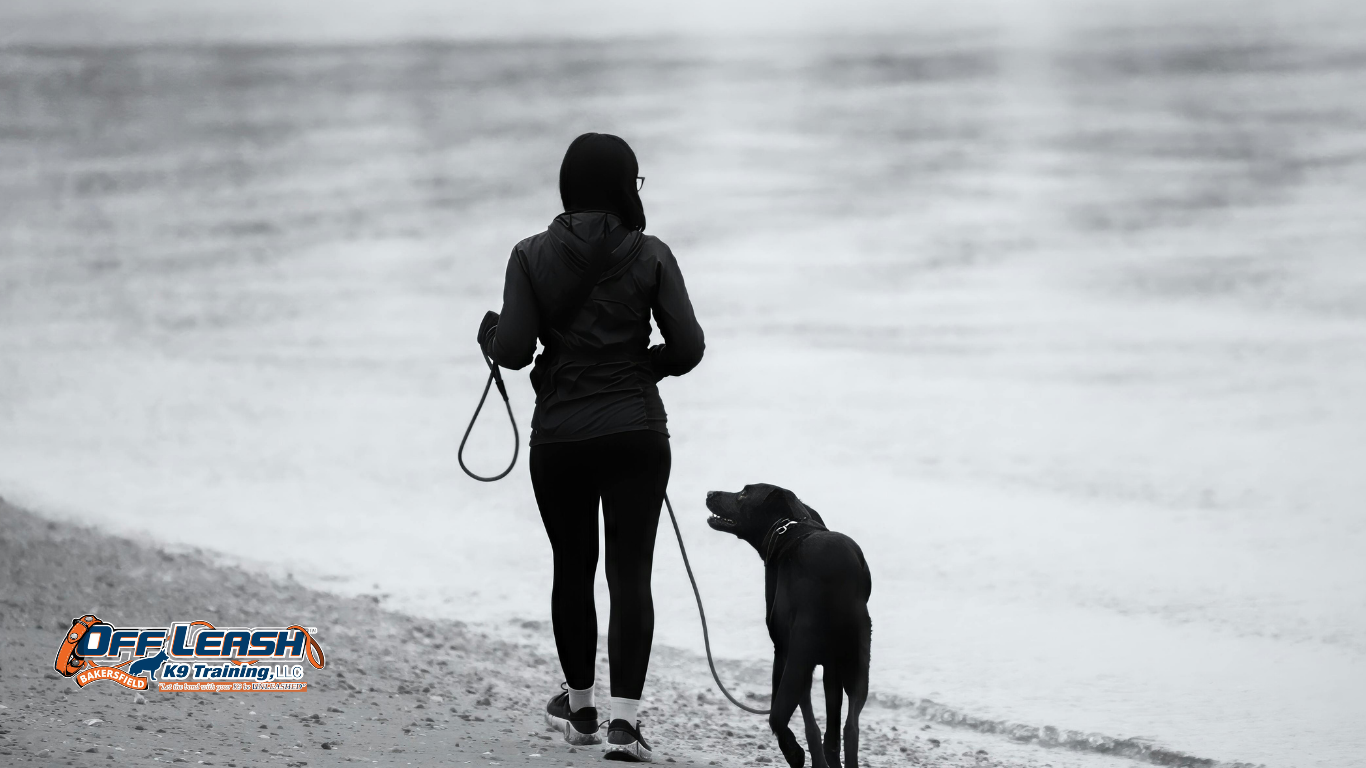
Teaching your dog to stay calm when you stop walking is an important part of developing better leash manners, impulse control, and everyday responsiveness. Instead of treating every pause as an obstacle, your dog can learn that stopping is a normal part of a walk and that calm behavior helps the journey continue.
This skill is useful in many situations, including waiting at a corner, pausing to speak with someone, allowing another person to pass, or stopping briefly for safety. It also helps you communicate more clearly with your dog without relying on constant leash pressure.
The goal is not to make your dog stand perfectly still throughout every walk. Dogs need opportunities to sniff, explore, and move naturally. The goal is to help your dog handle pauses without excessive pulling, jumping, barking, or frustration.
With patience, positive reinforcement, and consistent practice, you can teach your dog that a brief stop is simply another part of walking together.
Why Dogs React When Their Owner Stops Walking
Dogs often develop expectations about what happens during a walk. They may learn that forward movement continues as long as they keep walking, that pulling brings them closer to something interesting, or that stopping means they need to find another way to move forward.
When you suddenly stop, those expectations are interrupted. Your dog may continue moving because they were already focused on a scent, another dog, or a destination.
Some dogs turn toward their owners and wait. Others pull against the leash, circle around, whine, or attempt to restart the walk.
Several factors can contribute to these reactions:
-
Excitement: Your dog is eager to explore and struggles to pause.
-
Habitual pulling: Your dog has learned to maintain forward movement by pulling on the leash.
-
Frustration: Your dog wants to reach something but cannot move closer.
-
Limited practice: Your dog has not learned what to do when walking stops.
-
Environmental distractions: Sounds, scents, people, and animals make it difficult to settle.
-
Unclear expectations: Your dog does not understand whether a stop means to wait, turn toward you, or move in another direction.
These reactions do not automatically mean your dog is being stubborn. They often indicate that your dog needs more practice with pauses and clearer guidance about what to do next.
Rather than repeatedly correcting your dog, teach a simple alternative behavior, such as standing calmly, checking in with you, or waiting for a release cue.
How Excitement and Frustration Affect Leash Behavior
Excitement and frustration can make it harder for dogs to remain calm when movement stops.
An excited dog may pull forward, bounce around, whine, or repeatedly look toward something they want to investigate. A frustrated dog may bark, paw at the leash, or pull harder when they realize they cannot reach the desired destination.
For example, imagine your dog notices an interesting patch of grass. As you stop to adjust the leash, your dog continues pulling toward the smell. The more you remain stationary, the more intensely your dog may try to move forward.
In this situation, the dog may not understand that pulling is ineffective or that a different response would be more useful. The behavior may simply be part of an established pattern.
The solution is to teach your dog what to do when the walk pauses. Rewarding a loose leash, a brief check-in, or relaxed standing gives your dog a clear alternative to pulling.
It is also important to recognize when the environment is too stimulating. If your dog cannot respond to familiar cues, create more distance from distractions or move to a quieter location.
Training should help your dog become more comfortable with pauses, not turn every stop into a struggle.
The Connection Between Walking Pace and Impulse Control
Walking involves constant changes in movement. You may speed up, slow down, stop at a crossing, turn around, or pause to let someone pass.
A dog who expects uninterrupted forward movement may struggle with these changes. Impulse control helps the dog learn to adjust their behavior rather than reacting automatically whenever the pace changes.
For example, your dog may learn to slow down when you slow down, pause when you stop, and wait for a familiar cue before continuing.
These behaviors encourage your dog to pay attention to your movement and remain connected to you during the walk.
Impulse control does not mean your dog must remain beside you at all times. It means your dog can adapt to changes in pace and direction without constantly pulling ahead or becoming frustrated.
You can build this skill through simple exercises. Walk a few steps, stop briefly, reward your dog for remaining calm, and then resume walking. Gradually introduce turns, changes in pace, and pauses in different locations.
Over time, your dog can learn that the walk is a shared activity rather than an opportunity to move forward independently at all times.
How to Prepare Your Dog to Stop Calmly During Walks
Choose a familiar area with minimal distractions. Use a well-fitted harness or suitable collar and a standard leash that allows you to maintain safe control without unnecessary tension.
Identify rewards your dog enjoys, such as small treats, praise, or permission to continue sniffing. These rewards will help reinforce calm behavior during pauses.
It is also useful to decide what you want your dog to do when you stop. For example, you might encourage them to stand with a loose leash, turn toward you, or wait briefly beside you.
You do not need to require a sit every time. A relaxed standing position may be more natural and comfortable for some dogs, especially during ordinary walks.
Start with very short pauses and build gradually. If your dog struggles, reduce the difficulty rather than expecting them to remain still for longer.
Preparation helps make the exercise clear, predictable, and easier for your dog to understand.
Step 1: Practice Stopping in a Quiet Environment
Begin indoors, in a yard, or in another familiar area where your dog can focus without competing distractions.
Walk forward with your dog for a few steps, then stop naturally. Keep the leash relaxed when it is safe to do so, and give your dog a moment to notice that your movement has paused.
If your dog stops with you, remains near you, or turns toward you, mark the behavior with a consistent word such as “yes” and offer a reward.
If your dog continues moving until the leash reaches its limit, avoid jerking them backward. Wait for a moment when they can respond, gently encourage them back toward you if needed, and reward a calmer position.
At first, your pauses may last only one or two seconds. That is enough to begin teaching the skill.
Repeat the exercise a few times, then continue walking so your dog learns that pauses are temporary.
Keep sessions short and positive. Once your dog understands the basic pattern in a quiet environment, you can gradually practice in more challenging locations.
Step 2: Reward Your Dog for Remaining Calm
Your dog needs to understand which behavior makes stopping worthwhile.
Whenever you pause and your dog remains calm, reward the response. This could mean keeping a loose leash, standing without pulling, or briefly turning toward you.
Deliver the reward while your dog is displaying the behavior you want to reinforce.
For example, if you stop walking and your dog pauses beside you without pulling, say “yes” and give a small treat. After a brief moment, resume walking.
This teaches your dog that calm behavior can be followed by continued movement.
If your dog starts jumping or whining, avoid turning the moment into a long confrontation. Make the next repetition easier, reward a brief pause, and gradually build duration as your dog succeeds.
Remember that calmness is a behavior worth noticing. If your dog stands quietly for a moment, you do not need to wait for a perfect sit or prolonged eye contact before rewarding them.
As your dog improves, you can vary the reward. Sometimes you may offer a treat; other times, the reward can simply be continuing the walk or allowing your dog to investigate an appropriate smell.
Step 3: Teach Your Dog to Check In When You Stop
A check-in is when your dog shifts attention toward you. This might be a brief glance, turning their head, or moving closer when you pause.
Check-ins help your dog learn to notice your actions instead of remaining completely focused on the environment.
Begin in a quiet area. Stop walking and wait briefly to see whether your dog looks toward you. Reward that moment.
If your dog does not check in, you can say their name once if they already understand the cue, or move slightly to help them reconnect. Avoid repeatedly calling them when they are too distracted to respond.
Practice several short repetitions. Your dog does not need to maintain eye contact for a long time. A brief, relaxed glance is enough.
Once your dog begins checking in reliably, practice in the yard and then in quieter outdoor settings.
During walks, reward your dog for noticing when you stop and reconnecting with you. This helps create a habit of paying attention to your movement.
The goal is not to demand constant attention throughout the walk. Your dog can still sniff and explore while learning to check in when the situation calls for it.
Step 4: Prevent Pulling From Becoming a Habit
If pulling repeatedly helps your dog reach interesting places, the behavior may become stronger over time.
For example, a dog who pulls toward a tree and eventually reaches it may learn that pulling is an effective way to move forward. If this happens frequently, the dog may become more persistent whenever the walk pauses.
To change this pattern, teach your dog that forward movement happens when the leash is reasonably loose and you can move safely together.
When your dog pulls, pause if it is safe to do so. Avoid dragging them backward or allowing them to continue pulling you toward the destination. Wait for the leash to loosen or for your dog to turn back toward you, then resume moving when you can do so calmly.
You can also change direction or increase distance from a distraction when appropriate.
Be consistent, but avoid turning every walk into a series of abrupt stops. If your dog is struggling repeatedly, the environment may be too difficult. Choose a quieter route or practice at a greater distance from distractions.
The objective is to make loose-leash movement rewarding and pulling less effective, while keeping the walk manageable for both of you.
Step 5: Gradually Practice Around Outdoor Distractions
Once your dog can stop calmly in a quiet setting, begin practicing around mild outdoor distractions.
Choose a relatively quiet sidewalk, driveway, or open area where you have room to move. Walk a short distance, pause, and reward your dog for remaining calm.
At first, avoid locations with intense activity, narrow paths, or many approaching dogs and people. These conditions may make it difficult for your dog to focus.
Gradually introduce more challenging settings as your dog succeeds. You might practice near a quiet street before moving to a busier walking route.
Change one major factor at a time. If you introduce a new environment, keep the pause short. If you practice near a stronger distraction, increase the distance and make the exercise easier.
Watch your dog’s body language. If they remain relaxed and can respond to you, continue with a few repetitions. If they pull intensely, bark, or seem unable to disengage, move farther away.
Gradual practice helps your dog learn that stopping calmly applies in different places, not just at home.
Step 6: Teach Your Dog to Start Walking Again Calmly
Stopping is only half the skill. Your dog also needs to learn how to resume walking without immediately launching forward or pulling on the leash.
After your dog has paused calmly, use a consistent release cue such as “let’s go” or “okay.” Begin walking at a comfortable pace and reward your dog for moving with you on a loose leash.
If your dog rushes forward as soon as you move, slow down or pause again when safe. Reward a calmer restart, then continue.
Keep the transition simple. You do not need to ask for a long sit or multiple commands every time you stop. The important lesson is that the pause ends when you provide a clear signal and that walking resumes calmly.
Practice stopping and starting several times in a low-distraction area.
As your dog improves, use the skill during everyday walks. You can pause to let someone pass, wait briefly at a safe crossing, or stop to adjust your equipment.
Consistent start-and-stop routines help your dog understand that movement depends on the situation rather than on pulling harder.
Step 7: Practice Stops During Real-World Walks
Once your dog understands the basic exercise, incorporate it into ordinary walks.
Begin with a few planned pauses in familiar locations. Stop before your dog becomes highly excited, reward calm behavior, and resume walking.
You can practice when:
-
Pausing to let another person pass.
-
Waiting at a safe crossing.
-
Stopping to adjust the leash.
-
Taking a short break during a walk.
-
Pausing before changing direction.
-
Waiting before approaching an appropriate sniffing spot.
Choose moments when your dog is likely to succeed. If your dog becomes overwhelmed around other dogs or people, prioritize distance and safety rather than using the encounter as a difficult test.
You can also use natural rewards. If your dog pauses calmly before approaching a patch of grass, you may release them to sniff it when appropriate.
This teaches your dog that calm behavior helps everyday activities continue.
With repeated practice, your dog can become more comfortable with changes in walking pace and less likely to respond to every pause with pulling or frustration.
Common Mistakes to Avoid When Stopping During Walks
Even well-intentioned owners can accidentally make stop-and-start training more difficult.
One common mistake is expecting the dog to remain still for too long before they understand the exercise. Begin with brief pauses and gradually increase the duration.
Other mistakes include:
-
Jerking the leash: Sudden corrections can cause discomfort and may increase frustration or stress.
-
Repeating commands constantly: Repeated cues can become less meaningful, especially when the dog is distracted.
-
Stopping too close to distractions: A dog may be unable to remain calm when another dog or exciting stimulus is too close.
-
Inconsistency: Allowing pulling to work sometimes and discouraging it at other times can make the behavior harder to change.
-
Demanding a sit every time: Some dogs can pause calmly while standing, so a sit is not always necessary.
-
Practicing only in one place: Dogs need gradual opportunities to learn the skill in different environments.
-
Ignoring emotional discomfort: A dog who is worried or overwhelmed may need more space rather than more obedience demands.
-
Making walks frustrating: Excessive stopping can turn the walk into a constant conflict instead of a positive learning experience.
A better approach is to keep the exercise simple, reinforce the behavior you want, and adjust the difficulty when your dog struggles.
How to Recognize Excitement, Frustration, and Stress on the Leash
Understanding your dog’s body language helps you determine why they struggle when you stop walking.
An excited dog may bounce, pull forward, whine, move rapidly, or repeatedly look toward an interesting destination. A frustrated dog may bark, paw at the leash, or pull harder when access is blocked.
A stressed or fearful dog may show a different pattern. They might stiffen, tuck their tail, lower their body, scan the surroundings, attempt to retreat, or become unusually still.
Some signs overlap, so consider the full context rather than relying on one behavior alone.
Pay attention to whether your dog can respond to familiar cues, accept rewards, and recover after the pause. If they can do these things comfortably, the exercise may be at an appropriate level.
If your dog becomes increasingly tense, refuses food they normally enjoy, or cannot disengage from a distraction, create more distance or move to a quieter area.
The goal is not to force calmness through restraint. It is to help your dog feel comfortable enough to learn what to do when walking pauses.
If your dog’s behavior changes suddenly or they appear uncomfortable while walking, consult a veterinarian to rule out pain or other health concerns.
What to Do if Your Dog Pulls, Jumps, or Barks When You Stop
If your dog pulls, jumps, or barks when you stop walking, remain focused on safety and reducing the difficulty of the situation.
First, maintain secure leash control and avoid jerking the leash. If another dog, person, or exciting stimulus is contributing to the reaction, increase distance when possible.
Wait for a moment when your dog can respond more comfortably. You may reward a brief pause, a loose leash, or a check-in before moving again.
If your dog is too excited to engage, do not keep repeating commands or demanding a prolonged sit. Move to a quieter area and try a simpler exercise.
For dogs who become frustrated when movement stops, practice very short pauses in low-distraction settings. Reward calm behavior and resume walking before frustration builds.
If barking or lunging appears to be related to fear or reactivity, prioritize space and a structured training plan. Do not force your dog to remain close to the trigger.
Seek qualified professional guidance if the behavior is intense, persistent, or difficult to manage safely.
Progress comes from creating conditions where your dog can succeed, not from holding them in place while they struggle.
Building Reliable Calm Behavior During Everyday Walks
Reliable calm behavior develops through repeated practice in a variety of situations.
Your dog may first learn to pause calmly in the living room, then in the backyard, and eventually during outdoor walks. Each environment provides a different level of difficulty, so expect to reinforce the skill as you introduce new settings.
Focus on small improvements. Your dog might begin to stop with you more often, pull less frequently, check in when movement pauses, or restart the walk with a looser leash.
These are meaningful signs that your dog is learning to adapt to changes in pace.
Keep the training consistent across family members. Everyone who walks the dog should understand how to reward calm pauses, avoid reinforcing pulling, and manage difficult distractions.
Remember that a walk should still offer opportunities for exploration. Your dog does not need to remain in a strict position or maintain continuous eye contact to demonstrate good leash manners.
The goal is to develop a dog who can move naturally, respond to your guidance, and handle brief pauses without excessive excitement or frustration.
How BakersfieldDogTrainer.com Can Help Improve Your Dog’s Walking Manners
If your dog struggles whenever you stop walking, it can be difficult to determine whether the main challenge involves excitement, frustration, pulling habits, or uncertainty about what to do next.
BakersfieldDogTrainer.com focuses on practical skills that help dogs and owners navigate everyday situations more successfully. A structured training plan can help identify what triggers your dog’s behavior and build a progression that matches their current abilities.
Training may focus on loose-leash walking, impulse control, attention, calm pauses, and restarting movement without pulling. It can also help owners recognize signs of stress and adjust their approach when a situation becomes too challenging.
Each dog has different needs. A dog who pulls toward interesting smells may require a different approach from one who becomes frustrated when prevented from reaching other dogs.
Owner participation is an important part of the process. Learning how to reward calm behavior, manage distractions, and practice consistently helps the dog understand expectations beyond formal training sessions.
With patience and appropriate guidance, dogs can develop better walking manners and become more comfortable with the natural pauses that occur during everyday outings.
Frequently Asked Questions
1. Why does my dog keep moving when I stop walking?
Your dog may be excited, focused on a scent, accustomed to continuous movement, or unsure what to do when you pause. Begin practicing brief stops in a quiet environment and reward your dog for remaining near you, keeping the leash loose, or checking in.
2. Why does my dog pull harder when I stop?
Your dog may become frustrated because they want to continue toward something interesting. Pulling may also be a well-established habit. Increase distance from strong distractions, reward loose-leash behavior, and practice short, manageable pauses rather than repeatedly struggling against the leash.
3. Should I make my dog sit every time I stop walking?
No. A sit can be useful in some situations, such as waiting at a crossing, but it is not necessary for every pause. A dog who stands calmly with a loose leash may be demonstrating exactly the behavior you want. Choose a response that fits the situation and your dog’s comfort.
4. How do I stop my dog from whining when I stop?
First, consider why your dog is whining. It may reflect excitement, frustration, anxiety, or discomfort. Practice very short pauses in a quiet environment, reward calm behavior, and increase the duration gradually. If the whining appears distress-related, focus on reducing pressure rather than requiring the dog to remain still.
5. Can treats help my dog stay calm during leash walks?
Yes. Treats can reinforce calm pauses, check-ins, and loose-leash behavior. Deliver them promptly when your dog displays the desired response. You can also use appropriate access to sniffing or continued walking as rewards when your dog is comfortable and the situation is safe.
6. How long does it take to teach a dog to stop calmly?
The timeline depends on your dog’s age, temperament, training history, and level of distraction. Some dogs understand the basic exercise quickly, while applying it consistently outdoors takes longer. Short, successful practice sessions are usually more useful than long sessions that repeatedly frustrate your dog.
7. Should I stop walking whenever my dog pulls?
Pausing can help teach loose-leash walking when it is safe and appropriate, but it is not the only strategy. If your dog is pulling because a distraction is too intense, create distance or change direction. Avoid making every walk a series of confrontations, and reward calm movement consistently.
8. How can I teach my dog to pay attention when I pause?
Practice in a quiet environment and reward your dog for voluntarily looking toward you when you stop. You can also teach a name-response cue and use it when your dog is able to engage. Gradually introduce distractions, keeping enough distance for your dog to respond successfully.
9. What should I do if my dog becomes frustrated during walks?
Reduce the difficulty of the situation. Increase distance from the distraction, shorten the pause, or move to a quieter location. Reward calm behavior when your dog is ready to respond. If frustration is frequent or intense, a qualified trainer can help you develop a suitable plan.
10. When should I seek professional dog training help?
Consider professional help if your dog repeatedly pulls dangerously, lunges, barks intensely, or struggles to recover after stops despite consistent practice. A qualified trainer can assess the behavior and provide individualized guidance. If your dog suddenly becomes reluctant to walk or seems uncomfortable when stopping, consult a veterinarian.
Conclusion: Helping Your Dog Stay Calm When Walks Pause
Teaching your dog to stay calm when you stop walking helps build better leash manners, stronger impulse control, and clearer communication. Rather than treating every pause as a frustration, your dog can learn that stopping is a normal part of walking together.
Start in a quiet environment, reward calm behavior, teach your dog to check in, and gradually practice around outdoor distractions. Be consistent about reinforcing loose-leash movement, and teach your dog how to start walking again calmly when you give the signal.
Most importantly, adjust the training to your dog’s needs. If your dog becomes overwhelmed, increase distance, simplify the exercise, and try again when the situation is easier.
With patience, positive reinforcement, and regular practice, your dog can become more comfortable with pauses and more responsive during everyday walks. Each successful stop is another opportunity to build a calmer, more enjoyable walking partnership.
Website Contact Form
"*" indicates required fields