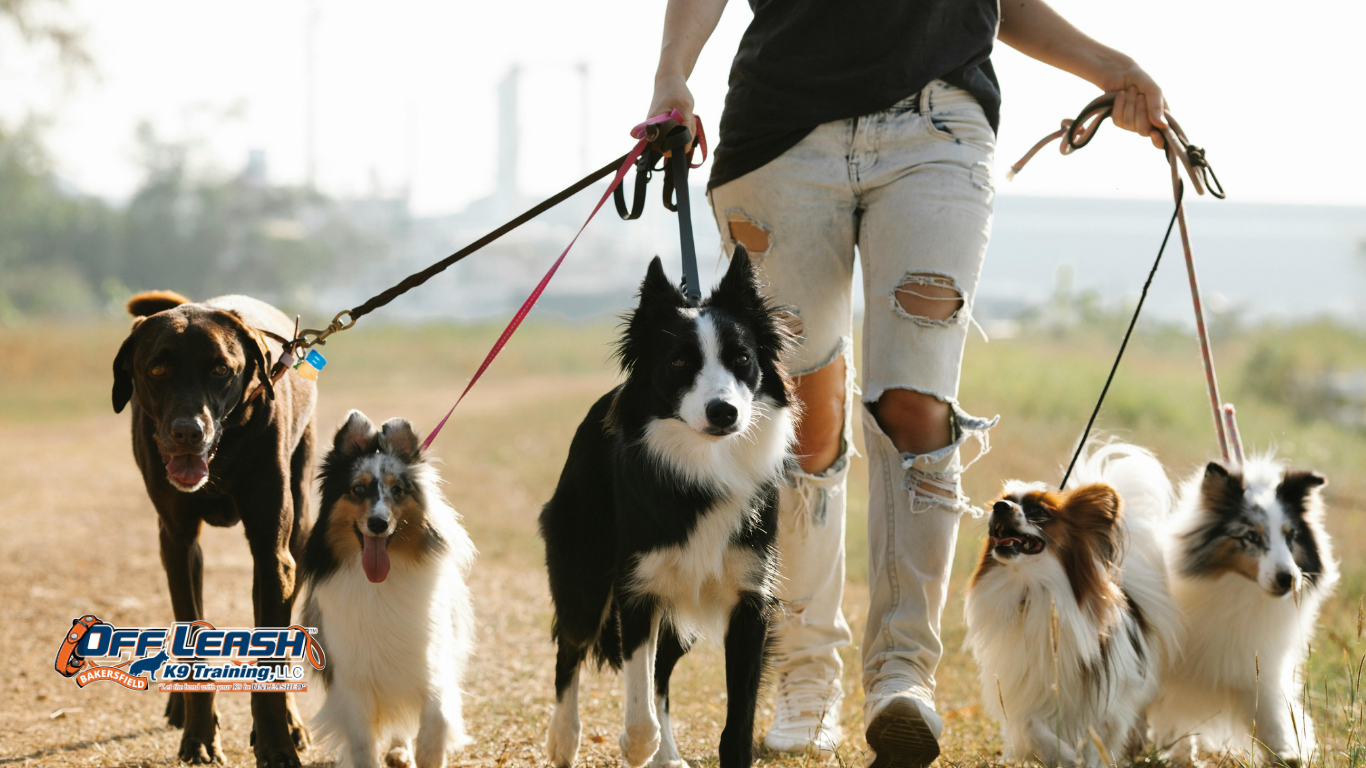
How to Train Your Dog to Stay Connected With You on Walks
Why Dogs Need to Stay Connected With Their Owners on Walks
Walking your dog should be more than simply moving from one place to another. It is an opportunity to build communication, strengthen trust, practice obedience, and help your dog learn how to navigate the world alongside you.
However, many dogs become so interested in their surroundings that they forget to pay attention to their owners. They may pull toward interesting smells, stare at other dogs, rush toward people, or become distracted by movement and unfamiliar sounds.
Teaching your dog to stay connected with you during walks can make these experiences easier to manage.
Staying connected does not mean your dog must stare at you constantly or walk in a perfect heel for the entire outing. Instead, it means your dog can explore the environment while remaining responsive to your cues, checking in with you regularly, and adjusting their behavior when necessary.
This skill develops through practice, clear communication, appropriate rewards, and gradual exposure to distractions.
With consistent training, walks can become more cooperative and enjoyable for both you and your dog.
What Does “Stay Connected” Mean During Dog Walks?
To stay connected during walks means maintaining an ongoing awareness of one another.
Your dog does not need to watch you every second. They should have opportunities to sniff, investigate interesting surroundings, and enjoy the experience. At the same time, they should learn to notice your movements, respond to familiar cues, and reconnect with you when needed.
Connection during walks may include:
-
Looking toward you voluntarily
-
Responding to their name
-
Following a change in direction
-
Walking with a reasonably loose leash
-
Checking in after noticing a distraction
-
Responding to cues in manageable environments
-
Moving away from distractions when asked
-
Remaining aware of your position
-
Returning attention to you after exploring
These behaviors help create a more cooperative walking experience.
For example, imagine your dog notices another person walking nearby. Rather than immediately pulling toward them, your dog looks at the person and then checks back in with you. You can reward that response and continue walking.
This is an example of useful connection.
The goal is not to prevent your dog from noticing the world. It is to teach your dog how to experience the world while remaining responsive to you.
Why Dogs Become Disconnected From Their Owners Outdoors
Outdoor environments provide a tremendous amount of information for dogs to investigate.
Smells, movement, sounds, other animals, and unfamiliar objects can be much more interesting than the familiar surroundings inside a home.
When dogs become absorbed in these experiences, their attention may shift away from their owners.
Several factors can contribute to this behavior.
Interesting Smells
Dogs rely heavily on their sense of smell. A scent left by another animal can be highly rewarding and encourage prolonged investigation.
Movement and Visual Distractions
Excitement
Some dogs become increasingly excited as soon as they leave the house. They may pull, move rapidly, or struggle to respond to familiar cues.
Limited Outdoor Practice
A dog may respond well to their name or follow directions indoors but have little experience performing those behaviors outside.
Reinforced Pulling
Difficulty Managing Emotions
Some dogs become frustrated, worried, or overstimulated around certain triggers. In these situations, disengaging and responding to an owner may be difficult.
Understanding why your dog disconnects is an important first step. Different causes may require different training approaches.
Common Distractions That Make Walks Difficult
Recognizing your dog’s specific distractions can help you prepare for more successful walks.
Other Dogs
Some dogs become excited when they see another dog. Others feel uncertain, frustrated, or afraid.
Watch your dog’s body language and maintain enough distance for safe, manageable practice.
People
A dog that enjoys meeting people may pull toward pedestrians or jump when someone approaches.
Teaching calm walking and appropriate greeting habits can help prevent these behaviors from becoming routine.
Wildlife
Birds, squirrels, rabbits, and other animals may trigger chasing or intense staring.
Use a secure leash and reinforce disengagement from wildlife rather than allowing your dog to rehearse chasing.
Smells and Grass
Sniffing is a normal and valuable canine behavior. The goal is not to eliminate it but to establish a balance between exploration and responding to your cues.
Traffic and Moving Objects
Cars, skateboards, bicycles, and joggers can be exciting or frightening. Introduce these distractions gradually and prioritize safety.
Unfamiliar Environments
New parks, sidewalks, and walking routes can make it harder for a dog to concentrate.
Give your dog time to observe and explore while rewarding moments of voluntary connection.
The more accurately you identify your dog’s distractions, the easier it becomes to plan appropriate training sessions.
The Difference Between Staying Connected and Walking in a Perfect Heel
Staying connected and walking in a formal heel are related skills, but they are not the same.
A heel generally means walking close beside the handler in a specific position. It may be useful in crowded areas, when passing distractions, or when precise positioning is necessary.
Staying connected is broader.
A connected dog can walk on a loose leash, sniff, explore, and move naturally while remaining responsive to the owner.
For everyday walks, constant heel position is often unnecessary.
Instead, you can establish different expectations for different situations.
For example, your dog may be allowed to sniff and explore on a loose leash in an open area. When approaching a narrow sidewalk or passing another person, you may ask your dog to walk closer and pay more attention.
This balance allows dogs to enjoy walks while learning that the owner remains an important source of information.
The goal is not constant obedience for its own sake. It is practical cooperation that supports safety and enjoyment.
Building Attention Before Practicing Outside
Before expecting your dog to stay connected in a busy environment, teach the basic skills somewhere easier.
A quiet room or enclosed area provides an opportunity to practice without overwhelming distractions.
Start by rewarding your dog for naturally looking toward you.
When your dog checks in, mark the behavior with a word such as “yes” and provide a reward.
You can also practice responding to their name.
Say the name once in a friendly voice. When your dog turns toward you, reward the response.
Keep these exercises short and positive.
Useful foundation skills include:
-
Responding to their name
-
Following a simple hand signal
-
Turning toward you
-
Coming when called in a safe area
-
Following a change in direction
-
Waiting briefly before moving forward
-
Settling after excitement
-
Checking in voluntarily
Once your dog understands these behaviors in a quiet setting, practice in a slightly more distracting location.
If your dog struggles, return to an easier environment and reinforce success before progressing.
How to Teach Your Dog to Check In With You During Walks
A check-in occurs when your dog voluntarily looks toward you or redirects their attention to you during an activity.
This behavior can become an important foundation for staying connected.
Step 1: Begin in a Quiet Area
Start somewhere with few distractions, using a secure leash or enclosed space when appropriate.
Allow your dog to move naturally.
Step 2: Reward Voluntary Attention
Whenever your dog looks toward you without being prompted, mark the behavior and reward it.
You do not need to repeatedly call their name. The goal is to encourage the dog to choose to check in.
Step 3: Add Movement
Begin walking slowly. When your dog checks in, reward them while continuing to move.
This helps the dog learn that paying attention to you can be rewarding during movement.
Step 4: Practice Gentle Changes of Direction
When your dog is able to respond comfortably, change direction in a safe, open area.
Reward your dog for noticing and following your movement.
Avoid sudden leash jerks or dragging the dog into position.
Step 5: Introduce Mild Distractions
Practice where your dog can notice interesting things without becoming overwhelmed.
Reward your dog for looking at a distraction and then voluntarily turning back toward you.
Step 6: Build the Habit
Repeat the exercise during regular walks.
Over time, your dog can learn that checking in with you is a normal and rewarding part of exploring the environment.
Using Rewards to Encourage Better Leash Engagement
Rewards help communicate which behaviors you want your dog to repeat.
When teaching a dog to stay connected during walks, reward the behaviors that make walking easier and safer.
These may include:
-
Walking with a loose leash
-
Checking in voluntarily
-
Responding to their name
-
Following a change of direction
-
Moving away from a distraction
-
Returning attention after sniffing
-
Waiting briefly when asked
-
Walking calmly past people at a manageable distance
Food treats are often useful, but they are not the only rewards available.
Depending on your dog, rewards may include praise, toys, play, or permission to explore an interesting smell.
For example, if your dog walks with a loose leash and then reaches a safe patch of grass, allowing them to sniff can be rewarding.
This teaches your dog that cooperation does not mean losing access to everything they enjoy.
Timing matters. Deliver the reward soon after the desired behavior so your dog can make a clearer connection between their action and the outcome.
If your dog becomes too excited to take food or respond, reduce the difficulty rather than continuing to demand attention.
Common Owner Mistakes That Weaken Connection During Walks
Some everyday walking habits can unintentionally make it harder for dogs to remain connected.
Expecting Constant Eye Contact
Dogs do not need to stare at their owners throughout an entire walk. Allowing appropriate sniffing and environmental observation is important.
Repeating the Dog’s Name
Calling a dog’s name repeatedly without reinforcing the response can reduce its usefulness as an attention cue.
Allowing Pulling to Reach Every Distraction
If pulling consistently gets the dog closer to interesting things, it may become more persistent.
Where safe and practical, pause or change direction when the leash becomes tight, and reward loose-leash movement.
Practicing Too Close to Triggers
A dog that is already barking, lunging, or intensely fixated may be too overwhelmed to learn effectively.
Increase distance and choose a more manageable starting point.
Pulling or Jerking the Leash
Harsh leash movements can cause discomfort and may increase frustration or fear. Clear cues and reward-based guidance are preferable.
Walking Too Quickly
Some dogs need time to investigate their surroundings and process new experiences.
A walk that allows appropriate sniffing can be more enriching than one focused entirely on distance.
Increasing Difficulty Too Quickly
A dog that can stay connected on a quiet street may struggle on a busy sidewalk.
Build difficulty gradually and adjust the route when necessary.
Forgetting to Reward Good Choices
Owners often notice pulling and distraction but overlook voluntary check-ins and calm walking.
Rewarding these desirable behaviors helps make them more likely to occur again.
How to Train Your Dog to Stay Connected With You on Walks
A structured routine can make training easier to follow.
Step 1: Prepare Before Leaving Home
Use a properly fitted harness or collar and a secure leash suitable for your dog.
If your dog becomes excited before the walk begins, practice a calm departure routine rather than rushing straight outside.
Step 2: Start Somewhere Manageable
Choose a quiet route or time of day when distractions are limited.
Give your dog a chance to settle into the walk before increasing difficulty.
Step 3: Reward Check-Ins
Look for moments when your dog voluntarily turns toward you.
Mark and reward these moments without requiring constant eye contact.
Step 4: Reinforce Loose-Leash Walking
Reward your dog when the leash remains reasonably loose.
If pulling begins, pause or change direction when safe rather than allowing the dog to drag you toward a distraction.
Step 5: Allow Structured Exploration
Use appropriate opportunities to sniff and explore as part of the walk.
You can teach a cue such as “go sniff” to signal when exploration is available, then use a separate cue to resume walking.
Step 6: Practice Around Mild Distractions
Begin at a comfortable distance from people, dogs, or movement.
Reward your dog for noticing the distraction and reconnecting with you.
Step 7: Increase Difficulty Gradually
Practice in different locations as your dog becomes more successful.
Change one variable at a time, such as the level of distraction, duration, or distance.
Step 8: Teach Recovery
If your dog becomes distracted, give them space and an opportunity to settle.
Use a familiar cue when they are able to respond, and reward them for reconnecting.
Step 9: Keep Walks Positive
Avoid turning every moment into a training test.
Balance practice with sniffing, exploration, and age-appropriate physical activity.
Step 10: Track Progress
Notice whether your dog checks in more often, pulls less frequently, and responds more reliably.
Progress may be gradual, so celebrate small improvements and adjust the difficulty when needed.
Helping Dogs Build Better Walking Skills With BakersfieldDogTrainer.com
Some dogs need additional guidance to develop focus, loose-leash walking, and reliable responses around real-world distractions.
BakersfieldDogTrainer.com can help owners work toward practical walking skills based on their dog’s individual needs.
Training may focus on improving leash manners, building attention, teaching dogs to disengage from distractions, and helping owners communicate more clearly during everyday walks.
Professional guidance can be especially helpful when a dog pulls persistently, becomes highly excited around other dogs, struggles to respond outdoors, or has difficulty recovering after encountering a trigger.
Useful training goals may include:
-
Better loose-leash walking
-
More frequent voluntary check-ins
-
Improved responsiveness
-
Stronger impulse control
-
Calmer encounters with distractions
-
Better direction changes
-
More reliable attention outdoors
-
Safer, more manageable walks
The objective is not to make every walk perfectly controlled. It is to help dogs and owners work together more effectively while allowing dogs to enjoy appropriate freedom and exploration.
Long-Term Benefits of Staying Connected During Walks
Teaching your dog to stay connected during walks can improve more than leash manners.
Better Communication
Regular check-ins help dogs become more aware of their owners’ cues and movements.
Improved Leash Skills
Reinforcing loose-leash walking can make walks more comfortable and manageable.
Greater Responsiveness
Dogs learn to reconnect with their owners after noticing distractions.
Better Impulse Control
Practicing pauses, direction changes, and disengagement helps dogs develop useful self-control skills.
More Enjoyable Exploration
Dogs can learn to balance sniffing and exploring with responding to their owners.
Improved Safety
A dog that responds to familiar cues can be easier to guide away from certain hazards, although a leash and appropriate management remain essential.
Reduced Walking Frustration
Clear expectations can make walks more predictable for both the dog and the owner.
Stronger Owner-Dog Partnership
Walking becomes a shared activity rather than a constant struggle over direction and attention.
The long-term goal is a dog that can enjoy the environment while remaining responsive enough to navigate everyday situations safely.
10 Frequently Asked Questions
1. What does it mean for a dog to stay connected during walks?
It means the dog remains aware of the owner, checks in periodically, responds to familiar cues, and can redirect attention when necessary while still enjoying appropriate exploration.
2. Should my dog look at me the entire time we walk?
No. Constant eye contact is unnecessary. Dogs should have opportunities to sniff, observe, and explore while learning to reconnect with their owners when appropriate.
3. Why does my dog ignore me outside?
Outdoor environments contain many competing distractions. Your dog may need more practice in gradually challenging settings before responding reliably.
4. How do I teach my dog to check in during walks?
Reward voluntary looks toward you in a quiet area first. Gradually practice while walking and around mild distractions, rewarding your dog for reconnecting after exploring.
5. Can treats help my dog stay connected?
Yes. Properly timed treats can reinforce attention, loose-leash walking, and responses to cues. Other rewards, including sniffing and play, may also be effective.
6. Is staying connected the same as heel training?
No. Heel generally involves walking in a specific position beside the handler. Staying connected is broader and allows appropriate sniffing and exploration while maintaining responsiveness.
7. What should I do if my dog pulls toward other dogs?
Create enough distance for your dog to remain manageable. Reward attention and loose-leash movement, and avoid forcing close greetings. If your dog becomes overwhelmed, move away.
8. How long does it take to improve walking connection?
It depends on the dog, the distractions involved, and how consistently the skills are practiced. Some dogs improve quickly in quiet environments, while others need longer-term training.
9. Should I stop my dog from sniffing during walks?
No. Sniffing is an important form of canine exploration and enrichment. The goal is to teach a balance between exploring and responding to your cues.
10. Can professional training help with distracted walks?
Comprehensive Conclusion
Dogs naturally notice smells, movement, people, animals, and unfamiliar surroundings. The goal is not to prevent them from experiencing these things. Instead, teach them how to explore while remaining responsive to your guidance.
Start by rewarding voluntary check-ins in quiet environments. Practice loose-leash walking, reinforce appropriate attention, and gradually introduce distractions. Allow your dog time to sniff and explore while maintaining clear expectations about safety and leash manners.
When your dog becomes distracted, avoid immediately assuming they are being stubborn. The environment may be too challenging, or your dog may need more practice learning how to reconnect.
With patience, well-timed rewards, and consistent training, walks can become more cooperative and enjoyable.
For owners who need additional support, BakersfieldDogTrainer.com can help build practical skills for better focus, leash manners, and real-world responsiveness.
The goal is simple: let your dog enjoy the world while teaching them that staying connected with you is a rewarding part of every walk.
Website Contact Form
"*" indicates required fields