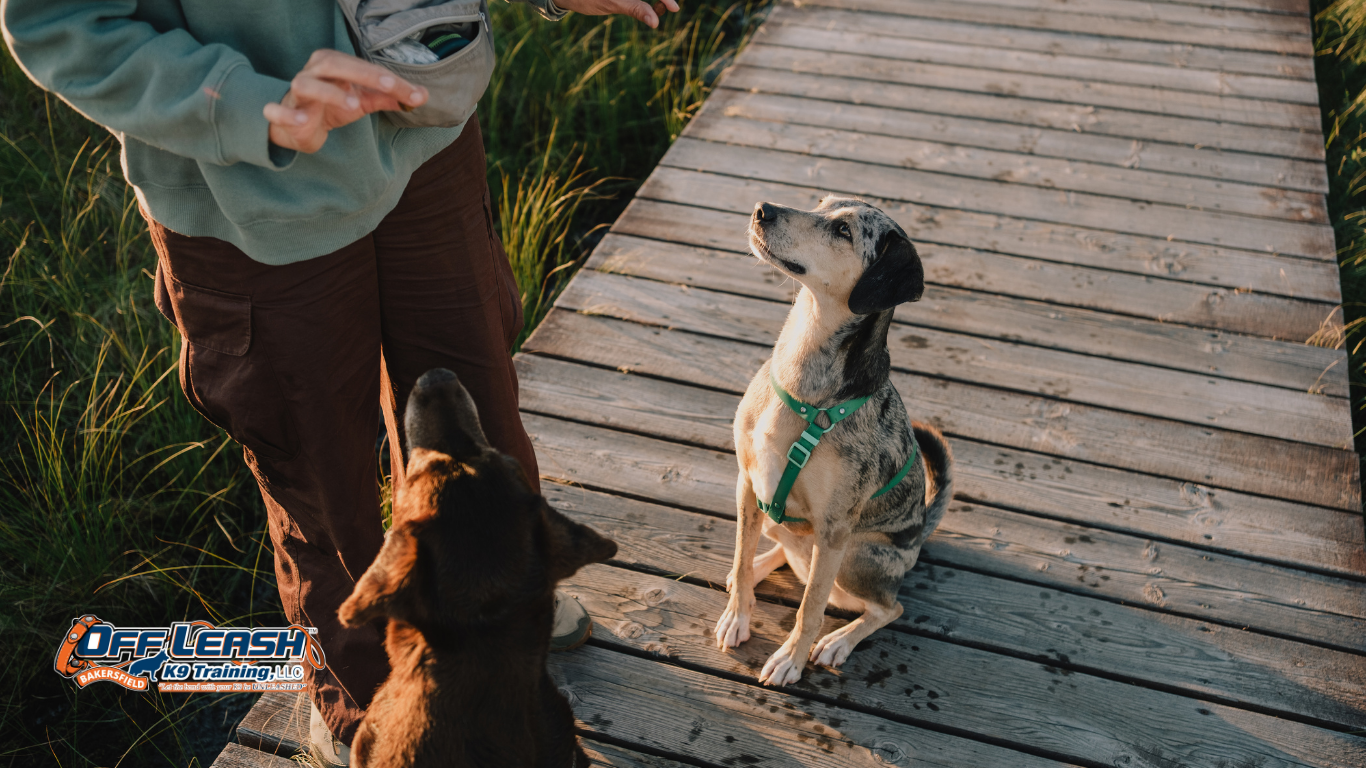
How to Train Your Dog to Handle Excitement Without Losing Control
Excitement is a normal part of being a dog. Dogs may become excited when they see their owners, meet new people, encounter other dogs, hear the doorbell, or discover something interesting outdoors. Although these reactions are natural, some dogs struggle to manage their excitement and respond appropriately once their emotions rise.
A dog that becomes overly excited may jump on people, pull hard on the leash, bark excessively, ignore familiar commands, or struggle to settle down. These behaviors can make everyday activities challenging for both the dog and the owner.
The goal of training is not to eliminate excitement completely. Instead, it is to teach dogs how to experience excitement without losing the ability to think, listen, and make appropriate choices.
Losing control during exciting situations often means a dog has difficulty regulating their behavior when something highly stimulating happens. With consistent training, dogs can learn to pause, redirect their attention, and recover from excitement more effectively.
By developing impulse control, rewarding calm behavior, and practicing around manageable distractions, owners can help their dogs become more responsive in everyday life.
What Does “Losing Control” During Excitement Mean in Dog Training?
This may look different from one dog to another.
Some dogs jump repeatedly when greeting visitors. Others pull toward another dog, bark at passing people, run around the house, or become unable to settle after play.
Common signs include:
-
Jumping on people during greetings
-
Pulling strongly on the leash
-
Barking repeatedly when something exciting appears
-
Ignoring familiar cues
-
Running around without settling
-
Grabbing clothing or the leash during play
-
Struggling to wait patiently
-
Becoming increasingly frantic around other dogs
-
Having difficulty returning to a calm state
These behaviors do not necessarily mean a dog is deliberately disobedient. The dog may not yet have learned how to manage excitement or may be practicing in an environment that is too difficult.
Training helps by teaching the dog specific behaviors to perform when excitement begins to rise.
Instead of expecting the dog to stop feeling excited, owners can teach them how to respond more appropriately.
Why Some Dogs Struggle to Manage Their Excitement
Dogs differ in temperament, experience, learning history, and sensitivity to their surroundings. Some become excited quickly, while others remain relatively calm in similar situations.
Several factors can contribute to difficulty managing excitement.
Limited Impulse Control
Impulse control is the ability to pause before acting on an immediate desire.
A dog with limited impulse control may rush toward people, grab toys, or pull toward interesting smells without waiting for direction.
This skill can be developed through gradual practice and reinforcement.
Repeated Reinforcement of Excited Behavior
If jumping consistently earns attention or pulling gets the dog closer to something interesting, those behaviors may become stronger.
The dog learns that acting immediately can produce a desirable result.
Too Much Stimulation
Busy environments can contain more sights, sounds, movement, and smells than a dog can comfortably process.
When the environment becomes overwhelming, responding to cues may become much harder.
Insufficient Practice Around Distractions
A dog may behave well in a quiet room but struggle around visitors, other dogs, or outdoor activity.
This happens because learning a behavior in one environment does not automatically make it reliable everywhere.
Frustration
Sometimes excitement develops because a dog wants to reach something but cannot.
For example, a dog may bark and pull when another dog is visible across the street. The reaction may involve frustration, social interest, fear, or a combination of emotions.
Understanding the cause helps owners choose an appropriate training strategy.
Common Situations That Cause Dogs to Become Overexcited
Excitement often occurs in predictable situations. Recognizing these triggers helps owners prepare before the dog becomes overwhelmed.
Greeting People
Some dogs jump, bark, spin, or rush toward visitors because greetings are highly rewarding.
Teaching the dog to approach calmly and receive attention for appropriate behavior can improve these interactions.
Seeing Other Dogs
Another dog may trigger excitement, frustration, uncertainty, or fear.
Owners should observe body language rather than assuming every intense reaction means friendliness.
Going for Walks
The sight of a leash may cause some dogs to jump, bark, or race toward the door.
Practicing calm behavior before leaving can help establish a more controlled routine.
Playing With Toys
Fast movement and energetic play can raise arousal levels.
Some dogs need help learning how to pause, release a toy, and transition from play to rest.
Hearing the Doorbell
The doorbell may predict visitors, activity, and attention.
Teaching a dog to go to a mat or another designated location can provide a predictable alternative to rushing toward the entrance.
Being Outdoors
Wildlife, bicycles, people, traffic, and unfamiliar smells can all capture a dog’s attention.
Gradual exposure and appropriate distance can help the dog practice staying responsive.
Understanding the Difference Between Excitement and Aggression
One of the most important parts of dog training is understanding that excitement and aggression are not the same thing.
An excited dog may jump, bark, pull, or move rapidly because they want to interact with something. An aggressive response involves behavior intended to threaten, drive away, or potentially harm another individual, although behavior and motivation can be complex.
Some outward behaviors can occur in several emotional states.
For example, barking and lunging toward another dog may reflect frustration, fear, defensive behavior, intense excitement, or a mixture of these factors.
Look at the whole picture, including:
-
Body stiffness or looseness
-
Facial tension
-
Weight distribution
-
Ability to disengage
-
Recovery after the trigger disappears
-
Whether the dog tries to approach or create distance
-
Changes in vocalization and movement
Do not assume a dog is friendly simply because their tail is moving, or aggressive simply because they bark.
If a dog displays threatening behavior, has bitten someone, or is difficult to control safely, avoid close encounters and seek guidance from a qualified, reward-based trainer or veterinary behavior professional.
The right training approach depends on what is driving the behavior.
How Impulse Control Helps Dogs Handle Excitement
Impulse control teaches dogs to pause, process information, and choose an appropriate behavior instead of immediately acting on every desire.
This does not mean suppressing normal emotions. It means giving the dog practical skills to manage their actions.
For example, a dog can learn to sit briefly before receiving a meal, wait before going through a doorway, or look toward their owner before approaching something interesting.
Useful impulse-control exercises include:
Waiting for Food
Ask the dog for a simple behavior before placing the food bowl down. Begin with a short pause and reward success.
Waiting at Doorways
Practice a brief pause before opening a door. Use a leash or barrier when necessary for safety.
Taking Turns During Play
Introduce short pauses during play and reward the dog for releasing a toy or responding to a familiar cue.
Checking In During Walks
Reward the dog for voluntarily looking toward you rather than constantly pulling toward every distraction.
Practicing Calm Greetings
Reinforce keeping four paws on the floor or offering another appropriate greeting behavior.
Start with easy exercises and increase difficulty gradually. If your dog becomes too excited to respond, reduce the stimulation and make the next repetition easier.
Building Calmness Before Introducing Exciting Situations
Dogs often learn more effectively when they practice a skill before encountering the situation that makes it difficult.
If your dog becomes extremely excited when visitors arrive, begin practicing calm behavior when the house is quiet.
If your dog pulls toward other dogs, start at a distance where they can notice another dog while still responding to you.
If your dog becomes frantic when the leash appears, practice calm leash routines without immediately leaving the house.
The process involves several important steps.
Start with a manageable situation. Choose an environment where your dog can pay attention.
Teach an alternative behavior. This might be standing calmly, sitting, checking in, moving beside you, or settling on a mat.
Reinforce the behavior. Reward the dog while they are still able to respond.
Introduce mild distractions. Gradually make the exercise more realistic.
Adjust when needed. If your dog stops responding, increase distance or reduce the difficulty.
Calmness is a skill that can be practiced. However, dogs also need adequate rest, appropriate exercise, enrichment, and opportunities to explore safely.
Training should not be based on keeping a dog motionless all day. It should help the dog move between activity and calm behavior more effectively.
How Rewards Can Encourage Better Self-Control
Rewards help dogs understand which behaviors are worth repeating.
When a dog becomes excited, owners sometimes focus only on stopping unwanted behavior. However, dogs also need to learn what they should do instead.
For example, if a dog jumps on visitors, simply saying “no” may not teach them how to greet people appropriately.
Rewarding a calm alternative provides clearer information.
Rewards can include:
-
Small food treats
-
Praise
-
Toys
-
Play
-
Petting when the dog enjoys it
-
Permission to approach something interesting
-
Opportunities to sniff and explore
-
Access to a desired activity
The reward should be delivered at the right moment.
If your dog notices another dog and then looks back at you, you can mark and reward that response. This teaches the dog that disengaging and reconnecting with you is valuable.
If your dog is learning to wait at a doorway, reward the pause rather than waiting until they have already rushed through.
Over time, these experiences can help dogs choose more appropriate behaviors in exciting situations.
Remember that rewards should match the dog and the situation. If food makes your dog more frantic, try a different reward or lower the difficulty.
Common Owner Mistakes That Make Excitement Harder to Manage
Even caring and experienced owners can accidentally reinforce overexcited behavior.
Expecting Immediate Calmness
A dog that has practiced jumping or pulling for years may need time to learn a different response.
Practicing Too Close to Triggers
If a dog is already barking, lunging, or unable to respond, the situation may be too difficult for effective learning.
Repeating Commands Constantly
Repeatedly saying “sit,” “come,” or “leave it” may not help when the dog is too stimulated to respond.
Rewarding the Wrong Moment
Owners may accidentally give attention while the dog is jumping or barking, strengthening the behavior they want to reduce.
Using Too Much Physical Pressure
Yanking the leash or physically forcing a dog into position can increase frustration or fear and may make learning less effective.
Failing to Teach an Alternative
Dogs need to learn what behavior should replace jumping, pulling, barking, or rushing.
Allowing Every Greeting
Not every person or dog needs to be approached. Repeated uncontrolled greetings can make social encounters increasingly exciting.
Increasing Difficulty Too Quickly
A dog that can remain calm around one person may struggle when several visitors arrive at once.
A better approach is to manage the environment, teach alternative behaviors, and gradually increase difficulty as the dog becomes more successful.
How to Train Your Dog to Handle Excitement Without Losing Control
A structured approach can help dogs learn to manage exciting situations.
Step 1: Identify What Triggers the Excitement
Observe when the behavior occurs. Does your dog become excited around visitors, during walks, when seeing other dogs, or when play begins?
Understanding the trigger helps you plan training.
Step 2: Recognize Early Signs
Watch for faster movement, increased pulling, repeated vocalization, intense staring, or difficulty responding.
Intervening early is usually easier than waiting until the dog is fully overwhelmed.
Step 3: Create Enough Distance
If another dog or person triggers an intense response, move farther away when possible.
Distance can help your dog remain comfortable enough to learn.
Step 4: Teach a Simple Alternative
Choose a behavior your dog can perform successfully, such as checking in, turning toward you, walking with a loose leash, or settling on a mat.
Practice it in a quiet environment first.
Step 5: Reward Calm Decisions
Reinforce moments when your dog pauses, disengages from a distraction, responds to a cue, or returns attention to you.
These are the skills you want to strengthen.
Step 6: Practice Short Sessions
Brief, successful training opportunities help prevent frustration.
End or simplify the exercise if your dog becomes too excited to respond.
Step 7: Gradually Increase Difficulty
Introduce more movement, closer distractions, longer durations, or busier environments one step at a time.
Do not increase every challenge simultaneously.
Step 8: Teach Recovery After Excitement
Dogs will sometimes become excited despite good training.
Teach them to return their attention to you, move to a quieter area, sniff, or settle after an exciting event.
Recovery is just as important as preventing overexcitement.
Step 9: Manage Everyday Opportunities
Use leashes, gates, distance, and structured routines to prevent repeated uncontrolled behavior while training progresses.
Management is not a failure. It helps prevent the dog from repeatedly practicing unwanted habits.
Step 10: Practice Consistently
Use the same basic expectations across everyday situations and family members.
Progress may be gradual, but consistent practice can help dogs develop more reliable responses.
Helping Dogs Build Better Self-Control With BakersfieldDogTrainer.com
Some dogs need additional support learning to manage excitement, especially when their behavior involves strong pulling, persistent jumping, difficulty around other dogs, or poor responsiveness outdoors.
BakersfieldDogTrainer.com can help owners work toward practical skills that improve communication, impulse control, and behavior in everyday environments.
Training can focus on understanding the dog’s triggers, reinforcing calm alternatives, improving leash manners, and teaching the dog to respond around manageable distractions.
Depending on the dog’s needs, training may address:
-
Excitement during greetings
-
Leash pulling and outdoor distractions
-
Focus and attention
-
Impulse control
-
Calm behavior around visitors
-
Responding to cues
-
Appropriate play and recovery
-
Reactivity and emotional regulation
The goal is not simply to stop a dog from moving or expressing excitement. It is to teach useful skills that allow the dog to handle stimulating situations more successfully.
Training plans should reflect the individual dog’s behavior, learning history, and comfort level.
Long-Term Benefits of Teaching Dogs to Manage Excitement
Teaching dogs to handle excitement without losing control can improve many aspects of everyday life.
Better Greeting Manners
Dogs can learn to approach people more appropriately rather than immediately jumping or rushing.
Improved Leash Walking
Impulse-control and attention skills can help dogs respond more reliably during walks.
Stronger Focus
Dogs can learn to reconnect with their owners after noticing distractions.
Improved Responsiveness
Practicing cues in gradually more challenging environments can help make obedience more dependable.
Better Recovery
Dogs can develop skills for returning to calmer behavior after play, greetings, or other stimulating experiences.
More Predictable Interactions
Clear expectations can make everyday situations easier for owners to manage.
Stronger Communication
Owners learn to recognize early signs of excitement and adjust the situation before it becomes overwhelming.
Increased Confidence
The long-term objective is not to eliminate a dog’s enthusiasm. It is to help the dog remain responsive and make safer, more appropriate choices even when something exciting happens.
10 Frequently Asked Questions
1. Why does my dog lose control when excited?
Your dog may have limited impulse-control skills, a history of reinforcement for excited behavior, or difficulty coping with stimulating situations. Identifying the trigger can help you choose an appropriate training approach.
2. Can an excited dog learn to stay calm?
Yes. Dogs can learn alternative behaviors and develop better self-control through gradual practice, appropriate reinforcement, and environmental management.
3. Does excitement mean my dog is aggressive?
No. Excitement and aggression are different, although some behaviors overlap. Barking, pulling, and lunging should be interpreted in context, including body language and the dog’s response to the trigger.
4. How do I stop my dog from jumping on people?
Manage greetings so jumping does not repeatedly produce attention. Teach and reward an appropriate alternative, such as standing with four paws on the floor or sitting, and practice with controlled greetings.
5. Should I correct my dog when they become overexcited?
Focus on safety, reducing stimulation, and reinforcing appropriate alternatives. Physical corrections or intimidation may increase fear or frustration and do not teach the dog what to do instead.
6. How can I help my dog calm down during walks?
Begin at a distance from distractions where your dog can still respond. Reward attention and loose-leash behavior, and move farther away if your dog becomes overwhelmed.
7. What is the best exercise for impulse control?
There is no single best exercise for every dog. Waiting briefly for food, practicing doorway pauses, checking in during walks, and taking breaks during play are useful starting points.
8. How long does it take to improve excitement-related behavior?
It depends on the dog, the trigger, the behavior’s history, and the consistency of training. Some dogs improve quickly in manageable situations, while others need longer-term practice.
9. Should I let my excited dog greet every person or dog?
No. Greetings should be selective and safe. Your dog can learn to notice people or dogs without needing to approach every one of them.
10. When should I seek professional training help?
Seek professional guidance if your dog is difficult to control safely, regularly lunges or snaps, shows signs of fear, has bitten someone, or remains overwhelmed despite careful training. A qualified reward-based trainer or veterinary behavior professional can help determine the next steps.
Comprehensive Conclusion
Teaching your dog to handle excitement without losing control is about building practical skills, not eliminating normal canine enthusiasm.
Dogs need opportunities to learn how to pause, pay attention, respond to cues, and recover when something interesting happens. With gradual training and consistent reinforcement, these skills can become more reliable over time.
Start by identifying your dog’s triggers and recognizing early signs of increasing excitement. Practice simple alternative behaviors in manageable environments, reward calm decisions, and gradually introduce more challenging distractions.
Avoid expecting immediate perfection. If your dog cannot respond, reduce the difficulty and give them a better opportunity to succeed.
Remember that excitement, frustration, fear, and aggression can sometimes look similar from a distance. Understanding your dog’s body language and emotional state is essential for choosing the right approach.
With patience, appropriate management, and consistent practice, dogs can learn to enjoy exciting experiences while remaining more responsive to their owners.
For owners who need additional guidance, BakersfieldDogTrainer.com can be a resource for developing better communication, impulse control, and real-world behavior skills.
The goal is not to prevent your dog from getting excited. It is to teach your dog what to do when excitement happens.
Website Contact Form
"*" indicates required fields