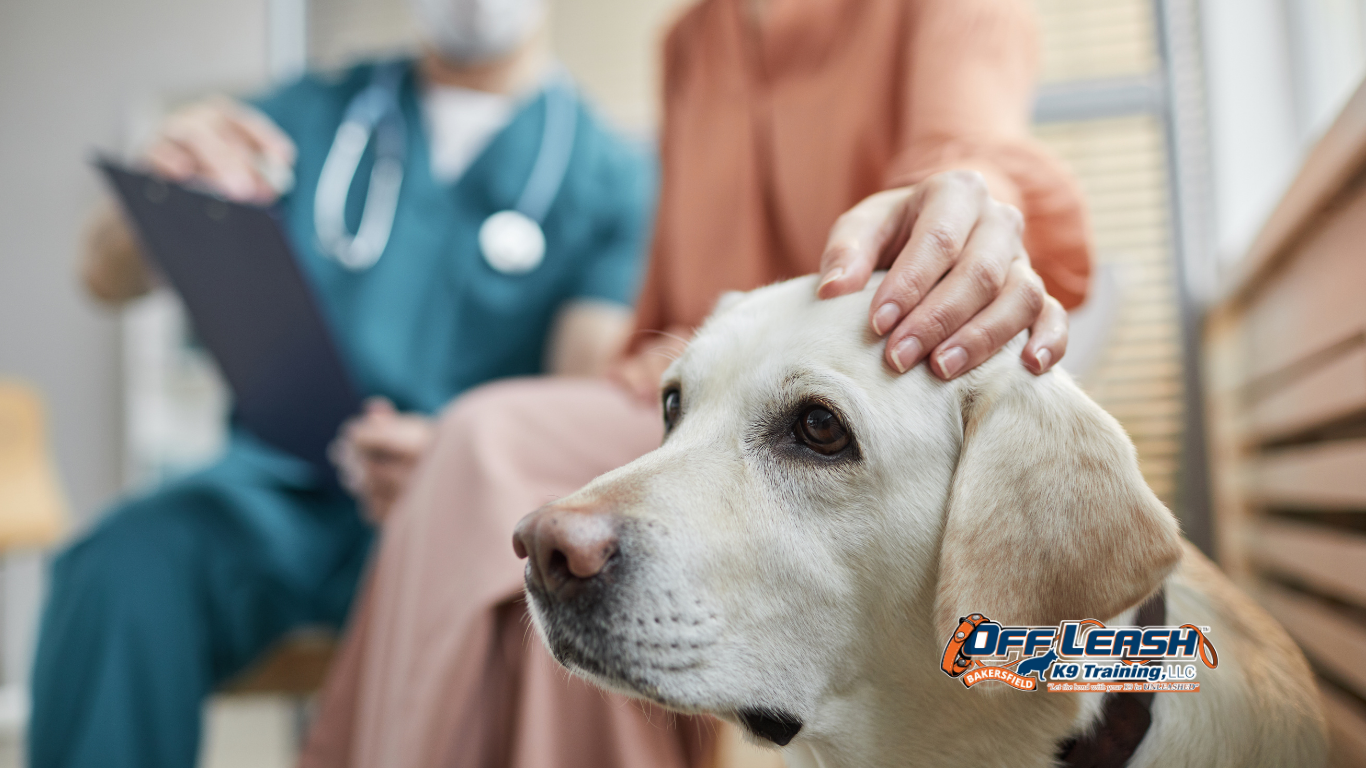
Why Dogs Become Nervous at Veterinary Check-In
A veterinary visit can be challenging for dogs that are sensitive to unfamiliar environments.
The difficulty may begin before the examination even starts.
A dog walks through the veterinary clinic door and suddenly:
- Pulls toward the exit
- Trembles
- Whines
- Barks
- Hides behind their owner
- Refuses treats
- Stares at unfamiliar people
- Becomes tense around other animals
- Tries to escape
- Becomes difficult to handle
For some dogs, the hardest part is simply veterinary check-in.
The reception area can contain many unfamiliar stimuli at once. There may be strange smells, other animals, unfamiliar voices, slippery flooring, doors opening and closing, and people approaching from different directions.
A dog does not necessarily understand what is happening.
They simply recognize that their normal routine has changed.
Some dogs also remember previous veterinary experiences. If a past visit involved uncomfortable handling, injections, restraint, or illness, the dog may begin anticipating another unpleasant experience as soon as they arrive.
This can create a learned emotional response.
The goal of training is not to force a nervous dog to “get over it.”
Instead, owners can help dogs develop confidence, predictable coping skills, and positive associations with handling and unfamiliar environments.
For Bakersfield dog owners, preparing dogs before veterinary appointments can make check-in and the rest of the visit easier for both the dog and the veterinary team.
Key Takeaways
- Veterinary clinics contain many unfamiliar sights, sounds, smells, and people.
- Dogs can become nervous before anything uncomfortable actually happens.
- Previous experiences may influence future veterinary behavior.
- Other animals in the waiting room can increase arousal.
- Nervousness can appear as freezing, hiding, barking, pulling, or refusal to interact.
- Calm handling practice at home can improve preparation.
- Positive associations should be built gradually.
- Owners should avoid forcing fearful dogs into overwhelming situations.
- Veterinary staff should be involved when a dog has significant fear or handling concerns.
- Confidence-based training can help dogs approach veterinary environments with greater emotional stability.
Common Owner Mistakes
When a dog is nervous at veterinary check-in, owners naturally want to make the experience easier. However, some well-intentioned responses can accidentally increase stress or prevent the dog from learning how to cope.
Forcing Interaction
One common mistake is encouraging a nervous dog to greet every person or animal in the waiting area.
Statements such as:
- “Go say hi.”
- “It’s okay, let them pet you.”
- “Don’t be scared.”
may not make the dog feel safer.
A nervous dog should have appropriate space and the ability to disengage when possible.
Punishing Fearful Behavior
Scolding a dog for trembling, hiding, growling, or barking can increase emotional pressure.
Punishment does not teach the dog that the veterinary clinic is safe.
Instead, it may teach the dog that showing discomfort around people or handling leads to additional unpleasant experiences.
Waiting Too Long in a Busy Lobby
If the clinic allows it, owners can ask whether their dog can wait somewhere quieter or remain outside until the veterinary team is ready.
Reducing unnecessary exposure can help prevent stress from building.
Always coordinate this with the veterinary staff.
Ignoring Early Stress Signals
Owners sometimes wait until a dog is barking, lunging, or attempting to escape before taking action.
Early signals such as lip licking, turning away, freezing, or increased scanning provide valuable information.
Responding earlier can prevent escalation.
Practicing Handling Only at the Vet
If a dog only experiences paw touches, ear checks, mouth examinations, or restraint at the veterinary clinic, those actions may become associated exclusively with stressful visits.
Short, positive handling exercises at home can help prepare the dog.
Teaching Dogs to Feel More Comfortable at Check-In
The goal is not to force a dog to enjoy every aspect of the veterinary environment.
The goal is to help the dog remain emotionally functional and recover more easily.
Build a Strong Foundation at Home
Begin with simple behaviors the dog already understands.
Useful skills include:
- Sit
- Down
- Place
- Look
- Hand target
- Calm leash walking
- Relaxation
These behaviors give owners tools to communicate with the dog when the environment becomes distracting.
Practice Calm Handling
Gradually introduce handling at home.
Touch a paw briefly.
Reward.
Touch an ear gently.
Reward.
Briefly examine the mouth when appropriate.
Reward.
Keep sessions short and stop before the dog becomes uncomfortable.
The dog’s tolerance should guide the pace.
Introduce New Environments Gradually
A dog does not need to go directly from a quiet home to a busy veterinary waiting room.
Practice visiting increasingly unfamiliar environments.
For example:
Quiet neighborhood → outdoor shopping area → pet-friendly environment → veterinary surroundings.
The exact progression should depend on the dog’s comfort level.
Create Positive Associations
When appropriate, pair unfamiliar experiences with things the dog enjoys.
That might include:
- Small treats
- Praise
- Favorite toys
- Sniffing opportunities
- Calm interaction
Rewards should be used when the dog is capable of remaining relaxed enough to learn.
If the dog is already overwhelmed and refusing food, increasing the distance or reducing stimulation may be more useful than continuing to offer treats.
Teach a Relaxation Behavior
A mat or Place behavior can provide the dog with a familiar routine.
At home:
Later, the behavior can be practiced in increasingly distracting environments.
The veterinary clinic itself may not always be the right place to begin this training.
Use Short Practice Visits When Appropriate
Some veterinary clinics are willing to accommodate brief, low-pressure visits.
For example, depending on the clinic’s policies and the dog’s needs, a practice visit might involve entering the lobby, receiving positive reinforcement, and leaving without a procedure.
These visits can help change the association:
Veterinary clinic = something stressful
into:
Veterinary clinic = sometimes calm and predictable experiences.
The veterinary team should determine whether these visits are appropriate.
Nervous at Veterinary Check-In in Bakersfield
For Bakersfield dog owners, veterinary appointments are an important part of responsible pet care. A dog that becomes highly nervous at check-in can make routine appointments more stressful for everyone.
Confidence-based training can help dogs prepare for common veterinary challenges, including:
- Entering unfamiliar buildings
- Waiting around other animals
- Walking calmly through busy areas
- Remaining near their owner
- Accepting basic handling
- Recovering after stressful moments
- Responding to familiar cues in distracting environments
Local training can also help owners practice skills in realistic settings rather than relying exclusively on training inside the home.
For dogs with significant fear, aggression, or handling sensitivity, owners should coordinate closely with their veterinarian and qualified behavior professionals. Training and veterinary care can work together to create a safer and more manageable experience.
Long-Term Benefits of Veterinary Confidence Training
Helping a dog become more comfortable with veterinary environments can provide benefits that extend beyond check-in.
Easier Routine Appointments
A dog that can remain relatively calm during arrival and waiting is easier for owners and veterinary staff to manage.
Better Handling Tolerance
Gradual handling practice can help dogs become more comfortable with routine procedures.
This does not mean forcing a dog through discomfort. It means building familiarity and trust over time.
Improved Recovery From Stress
Confidence training teaches dogs that an unfamiliar event can end and that they can return to a calm state.
That recovery skill can transfer to other environments.
Better Owner Communication
Training helps owners recognize subtle signs of stress.
Instead of waiting for barking or escape attempts, they can notice early signals and respond appropriately.
Greater Confidence in New Places
Dogs that learn coping strategies in one unfamiliar environment can sometimes apply those skills elsewhere.
The dog begins developing a broader understanding:
New does not automatically mean dangerous.
Frequently Asked Questions
1. Why is my dog nervous as soon as we enter the veterinary clinic?
Your dog may recognize the environment from previous visits or immediately notice unfamiliar smells, animals, people, and sounds. Previous experiences can create strong associations with the clinic.
2. Why does my dog shake at the vet?
Shaking can be a sign of fear or significant stress. Look at the dog’s overall body language and communicate with the veterinary team about what you are observing.
3. Should I comfort my dog when they are nervous?
Calm, supportive interaction is generally preferable to punishment or forcing interaction. Follow the veterinary team’s guidance and avoid creating additional pressure.
4. Can I give my dog treats at the vet?
Treats can be useful for positive reinforcement when the dog is comfortable enough to eat. If the dog refuses food, they may be too stressed for food-based training at that moment.
5. How can I prepare my puppy for veterinary visits?
Introduce puppies gradually to gentle handling, new environments, calm leash walking, and positive experiences with unfamiliar people. Keep experiences manageable and rewarding.
6. What if my dog is afraid of being touched?
Begin with very brief, gentle handling at home and pair it with appropriate rewards. Never force prolonged handling. If the fear is significant, seek guidance from your veterinarian and a qualified behavior professional.
7. Can training completely eliminate veterinary anxiety?
There is no guarantee that every dog will become completely comfortable with every veterinary procedure. The realistic goal is improved coping, reduced stress, and safer handling.
8. Should my nervous dog interact with other dogs in the waiting room?
Not necessarily. A nervous dog may benefit from additional space rather than forced social interaction. Ask the veterinary team about quieter waiting arrangements when available.
9. What if my dog growls at veterinary staff?
Growling is important communication. Do not punish the warning. Inform the veterinary team so they can adjust their handling approach and determine whether additional behavioral support is needed.
10. When should I seek professional help?
Professional assistance is particularly valuable when a dog attempts to bite, repeatedly tries to escape, cannot tolerate basic handling, becomes extremely distressed, or has progressively worsening veterinary fear.
Comprehensive Conclusion
When dogs become nervous at veterinary check-in, their behavior is often communicating that the environment feels unfamiliar, overwhelming, or associated with unpleasant experiences. The barking, trembling, freezing, hiding, pulling, or avoidance that owners see is not simply bad behavior. It is often a dog’s attempt to cope with an emotionally difficult situation.
The first step is understanding what the dog is experiencing.
A veterinary clinic contains many potential stressors at once: unfamiliar smells, other animals, new people, unusual sounds, handling, and changes to the dog’s normal routine. Previous veterinary experiences can also create powerful associations that cause anxiety before anything actually happens.
Owners can help by preparing dogs before appointments rather than expecting the veterinary clinic itself to provide all the training. Calm handling exercises, relaxation skills, positive reinforcement, and gradual exposure to unfamiliar environments can create a stronger foundation.
Just as importantly, owners should respect early signs of discomfort. A dog that turns away, freezes, licks their lips, or begins scanning the environment may already be telling us that the situation is becoming difficult. Responding at that stage can prevent the dog from reaching a much higher level of stress.
For Bakersfield dog owners, confidence-based training can make routine veterinary care more manageable. Dogs can learn to enter unfamiliar buildings, remain connected to their owners, tolerate appropriate handling, and recover from stressful moments without immediately escalating.
However, training should never replace veterinary care or ignore significant fear. Dogs with severe anxiety, aggression, or handling concerns should be managed collaboratively with their veterinarian and appropriate behavior professionals.
Ultimately, the goal is not to force a dog to love the veterinary clinic. The goal is to help them feel safe enough to cope.
With patience, gradual exposure, positive reinforcement, appropriate handling, and consistent support, many dogs can develop better emotional regulation around veterinary visits. A calmer check-in can lead to a calmer appointment, safer handling, and a more positive long-term relationship between the dog, their owner, and their veterinary care team.
Website Contact Form
"*" indicates required fields