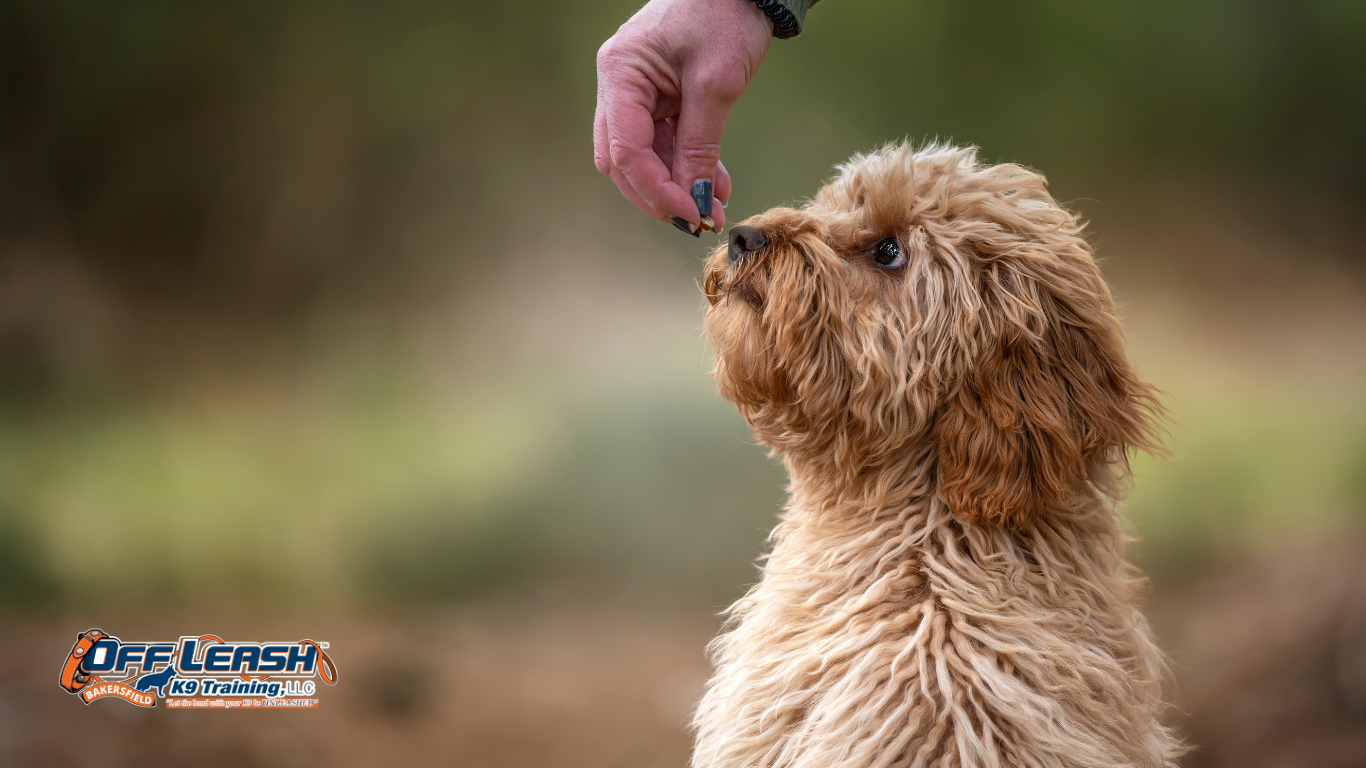
Why Dogs Bark When Another Dog Gets a Treat: Understanding Food Frustration and Impulse Control
Training multiple dogs can become surprisingly challenging when treats are involved.
You reward one dog for sitting.
The other dog immediately starts barking.
You reward the second dog.
Now the first dog begins whining, jumping, or pushing forward.
Before long, a simple training exercise has turned into a competition for attention.
If your dog barks when another dog gets a treat, the behavior may look like jealousy or possessiveness. However, several different emotions can contribute to it.
Your dog may be experiencing:
- Excitement
- Frustration
- Anticipation
- Impatience
- Competition
- Fear of missing out
- Strong food motivation
- Limited impulse control
The behavior does not automatically mean the dog is aggressive or genuinely jealous.
Dogs learn quickly that treats are valuable. When they watch another dog receive something desirable, they may naturally want access to the same reward.
The barking can become particularly persistent if the dog has learned that vocalizing changes what happens next.
For example:
Other dog gets treat → barking begins → owner gives barking dog a treat.
The dog may learn that barking is an effective strategy.
Teaching dogs to remain calm while another dog receives a reward creates a much healthier pattern:
Other dog gets treat → wait calmly → own turn arrives.
This skill is especially valuable in multi-dog households, group training environments, and homes where several pets regularly receive food rewards.
For Bakersfield dog owners, learning to manage treat-related excitement can improve household manners, obedience training, and interactions between dogs.
Key Takeaways
- Dogs may bark when another dog gets a treat because of excitement or frustration.
- Food is a powerful reward for many dogs.
- Barking can become reinforced if it results in attention or treats.
- Waiting calmly is an impulse-control skill.
- Dogs can learn that another dog receiving a reward does not mean they are losing theirs.
- Separate training stations can reduce competition.
- Calm behavior should be rewarded consistently.
- Taking turns teaches patience.
- Owners should avoid accidentally rewarding demanding behavior.
- Positive reinforcement can create calmer, more cooperative multi-dog training sessions.
What Does “Dog Gets a Treat” Mean?
When a dog gets a treat, they receive a highly valuable reward for a behavior, training response, or simply as part of everyday interaction. In multi-dog households, however, the moment one dog receives a treat can create excitement in another dog.
A second dog may immediately:
- Bark
- Whine
- Jump
- Push forward
- Paw at the owner
- Stare intensely
- Circle around the other dog
- Try to take the treat
- Become increasingly frustrated
This behavior does not automatically mean the dog is aggressive or jealous.
Often, the dog simply understands that something valuable is happening and wants access to it.
Dogs are excellent observers of patterns. If one dog sits and receives a treat, another dog quickly learns that sitting, approaching, or even barking may produce the same reward.
The important training goal is teaching dogs that another dog receiving a reward does not mean they need to compete for it.
A calm dog can learn:
Other dog gets treat → I wait → my turn comes.
That simple pattern develops patience, impulse control, and emotional regulation.
Why Dogs Become Excited When Another Dog Gets Food
Food is one of the strongest motivators for many dogs.
When another dog receives a treat, several things happen simultaneously.
The dog can:
- See the food
- Smell the food
- Hear the treat bag
- Watch another dog receive attention
- Anticipate their own reward
This combination can produce intense excitement.
Dogs Learn Through Observation
Dogs pay close attention to what happens around them.
If they repeatedly see another dog receive food after a particular behavior, they may begin anticipating the reward before it happens.
For example:
Dog A sits → owner reaches for treat → Dog B starts barking.
Dog B has learned that the treat is coming.
The anticipation itself can trigger barking.
Food Creates Competition
In a multi-dog household, dogs may perceive food rewards as limited resources.
Even when there are enough treats for everyone, the dog may not understand that another reward is coming.
Their immediate thought is simply:
“That dog has something valuable.”
This can increase urgency.
Attention Can Be Part of the Reward
Treats are not always the only valuable resource.
Dogs may also compete for:
- Owner attention
- Praise
- Physical affection
- Training opportunities
- Access to toys
If one dog receives attention and food while another watches, frustration may increase.
Frustration vs. Resource Guarding
Barking when another dog gets a treat can look like resource guarding, but the behaviors are not necessarily the same.
Understanding the difference is important.
Frustration
A frustrated dog wants access to the reward but cannot get it immediately.
They may:
- Bark
- Whine
- Jump
- Pace
- Pull forward
- Stare at the owner
- Try to interrupt the other dog
Their primary motivation is often:
“I want that.”
Resource Guarding
Resource guarding involves behavior intended to maintain control over something valuable.
A dog may:
- Stiffen
- Freeze over food
- Growl
- Show teeth
- Snap
- Guard the reward
- Prevent another dog from approaching
The emotional and behavioral pattern is different from simply barking because another dog received a treat.
Why the Distinction Matters
A frustrated dog may need impulse-control and patience training.
A dog displaying resource guarding may require a more careful behavior-modification plan.
Owners should avoid deliberately creating competition around valuable food if dogs have a history of guarding.
Why Dogs Bark for Their Turn
Barking can become a learned communication strategy.
A dog notices another dog receiving food.
The dog barks.
The owner eventually gives the barking dog a treat.
The dog learns:
Barking works.
This can happen accidentally.
Accidental Reinforcement
Owners often want to stop the noise quickly.
They may think:
“Here’s a treat. Now be quiet.”
Unfortunately, the dog may learn the opposite lesson.
The dog doesn’t necessarily understand that the treat was intended to stop the barking.
Instead, they may learn:
Bark → treat appears.
That makes future barking more likely.
Anticipation Strengthens the Pattern
Once a dog expects food, they may begin barking earlier.
Eventually:
Treat bag appears → barking starts.
This is why training should reward calmness before the dog becomes highly aroused.
The Role of Impulse Control and Delayed Rewards
Impulse control allows dogs to experience something desirable without immediately trying to obtain it.
This is essential in multi-dog households.
A dog needs to learn:
“I can wait even though another dog is getting something I want.”
Waiting Is a Learned Skill
Dogs do not automatically understand delayed rewards.
They learn through repetition.
A simple exercise might involve:
- Ask one dog for Sit.
- Reward calm behavior.
- Ask the second dog for Sit.
- Reward the second dog.
- Reward the first dog for remaining calm.
- Repeat.
The dogs gradually learn that waiting does not mean losing.
Delayed Rewards Build Patience
Instead of rewarding every dog immediately, owners can introduce very short waiting periods.
For example:
Sit → wait one second → reward.
Then:
Sit → wait three seconds → reward.
As the dog succeeds, the waiting period can gradually increase.
Calmness Should Control Access
Dogs learn that calm behavior opens doors to valuable rewards.
A dog that remains quiet while another dog gets a treat can receive their own reward for that self-control.
This creates a powerful association:
Body Language Around Treats
A dog’s body language can reveal whether they are excited, frustrated, anxious, or becoming possessive.
Signs of Excitement
An excited dog may show:
- Rapid tail movement
- Bouncy posture
- Bright eyes
- Forward movement
- Whining
- Barking
- Quick breathing
The dog may simply be anticipating their turn.
Signs of Frustration
Frustration can appear as:
- Pacing
- Repeated barking
- Jumping
- Pawing
- Pulling toward the food
- Rapid switching between dogs and owner
The dog wants access but cannot control the situation.
Signs of Possible Guarding
More concerning signals include:
- Sudden stiffness
- Freezing
- Hard staring
- Hovering over food
- Growling
- Lip lifting
- Snapping
If these behaviors appear, owners should avoid escalating competition and consider professional behavior guidance.
Emotional Regulation During Multi-Dog Training
Multi-dog training requires more than teaching individual commands.
Dogs must also learn how to manage their emotions while watching another dog receive attention.
This is an excellent opportunity to develop emotional regulation.
Teach Dogs That Waiting Is Safe
Some dogs become anxious when another dog gets a reward because they believe they may miss their opportunity.
Consistent turn-taking can change that expectation.
The dog learns:
My owner gives rewards predictably. I don’t need to fight for them.
Create Predictable Training Stations
Each dog can have a designated area.
For example:
- Dog A works on one bed.
- Dog B waits on another.
- Each dog receives individual rewards.
This reduces crowding and gives dogs clear expectations.
Reward Calm Observation
A dog does not have to perform a command every second to earn reinforcement.
Sometimes the most valuable behavior is simply remaining calm.
Reward your dog for:
- Watching quietly
- Remaining in place
- Looking away from the food
- Waiting for their name
- Relaxing while another dog trains
These moments teach emotional control.
Keep Training Sessions Short
Dogs that become highly frustrated may stop learning effectively.
Short sessions allow owners to end training while dogs are still successful.
Gradually increasing difficulty helps dogs build confidence without overwhelming them.
With consistent practice, dogs can learn that another dog receiving a treat is not a threat to their own access to rewards. Instead of barking, rushing forward, or competing for attention, they can remain in place, wait for their name, and calmly accept their own reward when the appropriate moment arrives. This turns a potentially frustrating situation into one of the most useful everyday exercises for developing patience, impulse control, and emotional regulation.
Common Owner Mistakes
When a dog gets a treat while another dog is watching, owners can accidentally reinforce barking, pushing, and competition. Small changes in how rewards are delivered can make multi-dog training much calmer.
Rewarding Barking
One of the most common mistakes is giving a barking dog a treat simply to make the noise stop.
The dog may learn:
Bark → human responds → treat appears.
Instead, wait for a brief moment of calm and reward that behavior.
Giving Treats Too Quickly
Rapidly handing out treats can create frantic behavior.
Dogs may begin:
- Jumping
- Snatching
- Barking
- Crowding
- Pushing toward the food
Slow, predictable delivery encourages patience.
Creating Competition
Putting dogs close together while waving high-value treats can increase tension.
Give each dog enough space to work comfortably, especially if either dog has a history of guarding food.
Expecting Too Much Too Soon
A dog that can wait for two seconds may not immediately be able to wait for thirty seconds.
Build duration gradually.
Small successful repetitions are more productive than pushing a dog beyond their ability to remain calm.
Inconsistent Rules
If barking sometimes earns food and sometimes does not, the behavior can become persistent.
Everyone in the household should follow the same basic rule:
Calm behavior earns rewards.
Teaching Dogs to Wait Calmly for Treats
The goal is to teach dogs that another dog receiving a reward does not mean they need to compete.
Start With Distance
Begin with the dogs far enough apart that both can remain calm.
Ask one dog for a simple behavior such as Sit.
Reward that dog.
Then reward the waiting dog for remaining calm.
Gradually decrease the distance only as both dogs become successful.
Reward the Waiting Dog
The waiting dog should not be forgotten.
If Dog A receives a treat while Dog B calmly waits, reward Dog B afterward.
This teaches:
Waiting works.
The dog does not need to bark or push forward to receive something valuable.
Teach a Release Cue
A release cue can tell the dog when waiting is over.
For example:
Wait → calm behavior → release → treat.
This creates clear communication and reduces uncertainty.
Use Individual Training Areas
Place each dog on a designated bed, mat, or station.
This gives them:
- Personal space
- Clear expectations
- Reduced competition
- Opportunities to practice independence
Station training can be especially useful in multi-dog households.
Reward Calmness Before Excitement Escalates
Watch your dog’s body language.
If the dog begins staring intensely, leaning forward, whining, or becoming restless, lower the difficulty before barking begins.
The goal is to practice while the dog can still think and respond.
Dog Gets a Treat in Bakersfield
For Bakersfield families with multiple dogs, treat-related excitement can become an everyday training challenge.
Dogs may compete for rewards during:
- Obedience sessions
- Puppy training
- Family routines
- Feeding preparation
- Treat delivery
- Recall practice
- Household activities
Professional dog training can help families establish structured reward systems that teach dogs how to wait, take turns, and remain calm while another dog receives attention.
Training can address:
- Barking for treats
- Jumping for food
- Snatching rewards
- Pushing between dogs
- Food-related frustration
- Poor impulse control
- Difficulty waiting
- Resource-related behavior
The goal is to create a predictable system where each dog understands what is expected.
Instead of viewing another dog’s reward as competition, dogs learn that their own turn will come.
Long-Term Benefits of Patience and Impulse Control
Teaching dogs to remain calm when another dog gets a treat creates skills that extend well beyond food rewards.
Better Patience
Dogs learn that desirable things do not always happen immediately.
This can improve behavior around:
- Doors
- Walks
- Toys
- Meals
- Visitors
- Car rides
- Training sessions
Improved Impulse Control
The dog learns to pause instead of immediately acting on an urge.
That skill can reduce:
- Jumping
- Barking
- Rushing
- Snatching
- Pushing
- Frustration
Better Multi-Dog Relationships
Predictable turn-taking can reduce unnecessary competition.
Dogs learn that another dog receiving attention does not mean they are being excluded.
Stronger Owner Communication
Training creates a clearer relationship between dogs and owners.
Dogs learn:
- When to wait
- When their turn begins
- When a reward is available
- Which behaviors earn reinforcement
Clear expectations reduce confusion.
Frequently Asked Questions
1. Why does my dog bark when another dog gets a treat?
Your dog may be excited, frustrated, impatient, or highly motivated by food. They may also have learned that barking gets attention or eventually results in a reward.
2. Is this behavior jealousy?
It can look like jealousy, but dogs may simply be responding to competition, anticipation, frustration, or the desire to access a valuable resource. The exact motivation varies between dogs.
3. Should I give my dog a treat when they bark?
Generally, avoid immediately rewarding barking if the goal is to reduce that behavior. Wait for a calm response and reinforce the quiet behavior instead.
4. How can I teach two dogs to take turns?
Start with plenty of space. Reward one dog while the other remains calm, then switch roles. Gradually increase the waiting period as both dogs become successful.
5. What if my dog becomes aggressive around treats?
If your dog stiffens, growls, snaps, guards food, or attempts to drive another dog away, avoid deliberately creating competition. Separate the dogs during valuable-resource situations and seek qualified professional guidance.
6. Can puppies learn to wait for treats?
Yes. Puppies can begin with very short waiting periods. Keep sessions simple and reward calm behavior frequently.
7. Should both dogs receive a treat at the same time?
Not necessarily. Taking turns can actually be useful for teaching patience. The important part is making the sequence predictable and rewarding calm waiting.
8. How long should my dog wait?
Start with a duration your dog can successfully handle. Even one or two seconds can be useful initially. Gradually increase the time rather than expecting prolonged patience immediately.
9. Can impulse-control training help outside of treat situations?
Absolutely. The ability to wait for rewards transfers to many everyday situations, including waiting at doors, greeting people, walking calmly, and responding to distractions.
10. When should I seek professional dog training?
Comprehensive Conclusion
When a dog gets a treat, another dog watching may experience a powerful combination of excitement, anticipation, and frustration. Barking, whining, jumping, or pushing forward can develop when a dog has not learned how to wait calmly for their turn. While the behavior may look like jealousy, it is often better understood as a problem involving impulse control, delayed gratification, and learned reinforcement.
The good news is that patience can be taught.
Dogs can learn that another dog receiving a reward does not mean they are losing access to food, attention, or affection. Through predictable turn-taking, appropriate spacing, short training sessions, and consistent reinforcement, owners can teach dogs to remain calm while waiting.
The most important principle is simple: reward the behavior you want repeated.
If calm waiting earns a treat, while barking no longer produces an immediate reward, dogs gradually have a reason to choose patience. Over time, waiting becomes easier because the dog learns that their turn reliably comes without needing to compete.
This training also creates valuable skills beyond treat sessions. A dog that can wait while another dog receives food may also find it easier to wait at doors, remain calm during greetings, ignore distractions, and control impulses during walks and play.
For Bakersfield families with multiple dogs, these skills can make everyday life considerably more manageable. Structured reward routines reduce unnecessary competition and give each dog clear expectations. With consistent positive reinforcement, dogs can learn to share training space, take turns, and remain emotionally balanced even when something highly desirable is happening nearby.
Ultimately, the goal is not simply to stop barking. It is to teach dogs a better response. Instead of “That dog got a treat, so I need to bark,“ the dog learns, “That dog got a treat, and I can calmly wait for my turn.”
That change builds patience, confidence, impulse control, and stronger communication—skills that can benefit dogs throughout their lives.
Website Contact Form
"*" indicates required fields