How to Teach Your Dog to Stop Following Every Movement
Does your dog get up every time you stand, follow you from room to room, or watch your every move even when they were resting comfortably just moments earlier? Many dogs develop a habit of paying close attention to their owner’s movements. While this behavior can seem affectionate, constant following may make it difficult for a dog to relax independently.
Dogs naturally pay attention to the people around them. Your movements can signal that something interesting is about to happen, such as mealtime, a walk, playtime, or an opportunity for attention. Over time, your dog may begin responding to nearly every movement because they expect something enjoyable to follow.
For some dogs, this behavior is connected to excitement and anticipation. Others may follow because they feel uncertain when their owners move away. Some dogs simply have not learned that they can remain comfortable in one place while people move around them.
The goal is not to stop your dog from enjoying your company. It is to teach them that your movements do not always require an immediate response. Through positive reinforcement, consistent practice, and gradual independence-building exercises, you can help your dog remain relaxed even when you move around.
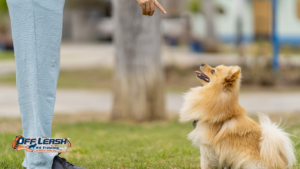
Understanding Why Dogs React to Their Owner’s Movements
Dogs are observant animals. They notice changes in body position, walking patterns, gestures, and everyday activities. Even small movements can attract their attention because they may be associated with something meaningful.
For example, your dog might recognize that standing up means you are going to the kitchen. Picking up your keys might predict that you are leaving, while reaching for a leash may signal an upcoming walk.
These associations develop through repeated experiences. Your dog learns to pay attention because certain movements have previously led to rewards, attention, or exciting activities.
Some dogs also follow their owners because staying nearby provides reassurance. They may feel more comfortable when they can see where their familiar person is going.
Understanding the reason behind the behavior helps you choose the right training approach. A dog following because they anticipate playtime may need impulse control exercises, while a dog following because they feel uncomfortable being alone may need confidence-building and gradual independence training.
Why Constant Following Can Become a Habit
Imagine that your dog gets up whenever you stand. You might naturally talk to them, pet them, give them a treat, or invite them to follow you. Even when you are not intentionally rewarding the behavior, your interaction can make following more rewarding.
Over time, your dog may begin anticipating that every movement deserves attention.
Other factors can contribute to this habit:
Inconsistent reinforcement: Sometimes following leads to attention or an activity, while other times it produces nothing. This unpredictability can make the behavior persistent.
Limited independent resting skills: Your dog may not have learned how to relax comfortably without staying close to you.
High anticipation: Everyday movements may predict exciting events, making your dog eager to investigate.
Insufficient enrichment: Dogs without enough appropriate mental and physical activity may spend more time monitoring their owners.
Uncertainty: Some dogs follow because they are unsure what to do when their owners move away.
Following is not automatically a problem. Many dogs naturally enjoy staying near their families. However, if your dog cannot relax unless they are moving with you, teaching independent settling can improve their everyday comfort.
The Connection Between Movement, Attention, and Anticipation
Your dog’s response to movement is often influenced by what they expect to happen next.
If standing up usually leads to a walk, your dog may immediately get up. If walking toward the kitchen often means food is coming, they may follow closely. If moving toward the couch usually results in cuddling, your dog may quickly position themselves beside you.
These patterns create anticipation.
The challenge is that your dog may begin responding before knowing whether anything interesting will actually happen.
For example, you might stand up simply to adjust a lamp, but your dog assumes you are preparing for an activity. They immediately get up and follow.
Teaching your dog to remain calm helps create a different association. Your movements become ordinary parts of the household environment rather than signals that always require action.
You can accomplish this by rewarding your dog for remaining relaxed while you perform simple movements. Over time, your dog learns that staying comfortable is just as appropriate as getting up to investigate.
Signs Your Dog Is Overly Focused on Your Movements
Some dogs casually follow their owners because they enjoy companionship. Others appear unable to ignore even the smallest movement.
Recognizing the difference can help you determine whether your dog would benefit from independence training.
Common signs include:
-
Getting up every time you stand.
-
Following you from room to room without settling.
-
Watching you constantly while lying down.
-
Immediately approaching whenever you move your hands or feet.
-
Becoming restless when you walk away.
-
Leaving a comfortable resting spot whenever you change position.
-
Waiting near doorways whenever you leave a room.
-
Interrupting independent activities to follow you.
-
Struggling to relax unless you remain nearby.
-
Becoming vocal or distressed when you move out of sight.
Pay attention to your dog’s body language. A relaxed dog may glance at you when you stand and then return to resting. A dog that is overly focused may immediately get up, become tense, and follow every movement.
If your dog shows significant distress when separated from you, constant following may be related to separation-related anxiety rather than simply a learned habit. In that case, professional guidance may be helpful.
How to Teach Your Dog to Stop Following Every Movement
The best way to reduce constant following is to teach your dog that they can remain comfortable while you move around.
Start with simple exercises in a familiar environment. Reward calm behavior, avoid creating unnecessary excitement, and gradually increase the difficulty.
The following steps can help your dog develop independence without feeling ignored or isolated.
Step 1: Start by Recognizing Your Dog’s Movement Triggers
Before beginning training, identify which movements cause your dog to get up and follow.
You might notice that your dog reacts when you:
-
Stand up from a chair.
-
Walk toward the kitchen.
-
Pick up your phone or keys.
-
Move toward the front door.
-
Walk between rooms.
-
Reach for household objects.
-
Change your position on the couch.
-
Begin preparing for a walk.
Observe your dog during normal household activities. Notice whether they react to every movement or only specific actions.
For example, your dog may remain relaxed when you walk across the living room but immediately get up when you reach for your shoes.
This information helps you choose appropriate training exercises.
Start with movements that produce only a mild reaction. If your dog becomes highly excited when you pick up the leash, begin with something easier, such as standing up or taking one step away.
The goal is to practice at a level where your dog can remain comfortable and learn successfully.
Step 2: Reward Your Dog for Staying Calm While You Move
Begin when your dog is comfortably resting on a bed, mat, or another suitable location.
Stand up slowly. If your dog remains relaxed, calmly mark the behavior with a word such as “yes” and deliver a small treat.
If your dog gets up, avoid scolding or physically guiding them back into position. Simply make the next repetition easier.
For example, you could begin by shifting your weight, then sitting upright, and eventually standing.
As your dog becomes more comfortable, reward them for remaining relaxed while you take a step or two.
Keep your movements natural and calm. Avoid making the exercise overly exciting by talking continuously or waving treats around.
You want your dog to understand that remaining comfortable is a rewarding choice, even when something in the environment changes.
Step 3: Teach Your Dog to Settle in a Designated Area
A designated resting area gives your dog a clear place to relax while you move around.
Choose a comfortable mat, dog bed, or blanket in a quiet area of your home.
Begin by rewarding your dog for approaching the resting area. Then reward standing, sitting, or lying down on it.
Once your dog begins relaxing naturally, introduce a cue such as “settle.”
Practice while sitting nearby before gradually adding small movements.
For example:
-
Ask your dog to settle on the mat.
-
Reward them for relaxing.
-
Shift your position slightly.
-
Reward your dog if they remain comfortable.
-
Stand up briefly and return.
-
Gradually increase your movement as your dog succeeds.
Do not expect your dog to remain on the mat for long periods immediately. Start with short, successful sessions.
The resting area should feel comfortable and rewarding, not like a place where your dog is forced to remain.
Over time, your dog can learn that they have a comfortable place to relax even when you are busy.
Step 4: Practice Taking Small Steps Away Without Encouraging Following
Once your dog can remain relaxed while you stand, begin practicing short movements away from their resting area.
Start with a single step. If your dog remains in place, reward them calmly.
Then return to your original position.
Repeat the exercise with small variations. You might take one step to the side, turn around, or walk a short distance before returning.
If your dog gets up, avoid turning the situation into a chase or repeatedly calling them back. Reduce the distance and practice an easier version.
You can gradually build toward walking across the room while your dog remains comfortable.
Keep in mind that the purpose is not to prevent your dog from ever moving. Your dog should still be free to move around normally when appropriate.
You are teaching them that your movements do not always require immediate following.
Step 5: Gradually Increase the Distance and Duration
As your dog becomes more comfortable, increase how far you move and how long they remain relaxed.
Avoid increasing both difficulty levels too quickly.
For example, you might first practice walking two steps away while returning immediately. Once your dog handles that comfortably, you can gradually increase the distance.
You can also introduce slightly longer periods before returning to reward your dog.
A simple progression might look like this:
-
Beginning: Stand up and sit down while your dog remains relaxed.
-
Next: Take one step away and return.
-
Developing: Walk several steps across the room.
-
Advanced: Move around the room while your dog continues resting.
-
Everyday practice: Perform short household tasks while your dog relaxes independently.
These are examples rather than strict requirements. Some dogs may need more repetitions at each stage.
Watch for signs that your dog is becoming uncomfortable, such as repeatedly getting up, staring intensely, pacing, or vocalizing.
If that happens, make the exercise easier.
Gradual progress builds confidence and helps your dog learn that they do not need to monitor every movement.
Step 6: Teach Your Dog That Not Every Movement Requires a Response
Your dog needs opportunities to experience ordinary household movements without expecting something to happen.
This can be practiced throughout the day.
For example, stand up and sit down without immediately starting an activity. Walk toward the kitchen and return without preparing food. Pick up a household object and put it back.
These simple actions help make your movements less predictable as signals for exciting events.
Reward your dog for remaining calm during these activities.
If your dog gets up and follows, do not automatically turn the moment into playtime or attention. Continue your normal activity calmly when appropriate.
However, avoid deliberately confusing or teasing your dog. The purpose is to make everyday movement less exciting, not to create frustration.
Over time, your dog can learn that some movements are simply part of daily life and do not require an immediate response.
Step 7: Practice During Everyday Household Activities
Training becomes more useful when your dog can apply the skill outside structured sessions.
Start incorporating calm independence into ordinary routines.
You might reward your dog for remaining on their bed while you:
-
Prepare a meal.
-
Fold laundry.
-
Read a book.
-
Work at a desk.
-
Put away household items.
-
Walk between rooms.
-
Watch television.
-
Complete short cleaning tasks.
At first, choose activities that involve only mild movement. Gradually introduce more challenging situations as your dog becomes comfortable.
You can also provide appropriate enrichment, such as a safe chew or food puzzle, to encourage independent engagement.
Make sure your dog still receives regular attention, exercise, play, and opportunities to explore. Independence training should create a healthy balance, not reduce your dog’s access to meaningful interaction.
Step 8: Build Independence Without Making Your Dog Feel Isolated
Healthy independence means your dog can relax comfortably without needing to monitor you constantly.
Begin by creating short opportunities for independent activity while you remain nearby.
For example, allow your dog to enjoy a suitable chew on their bed while you sit elsewhere in the room.
Gradually practice moving around while they continue enjoying their activity.
You can also briefly step into an adjacent room if your dog is comfortable with that. Return before they become distressed, and build duration gradually.
If your dog shows signs of separation-related distress, such as persistent barking, frantic pacing, destructive behavior, or attempts to escape, do not simply increase the time apart. A veterinarian or qualified professional experienced in separation-related problems can help develop an appropriate plan.
The goal is to help your dog feel secure enough to make independent choices while knowing that attention and companionship remain available.
Common Mistakes That Reinforce Constant Following
Some everyday habits can unintentionally encourage your dog to respond to every movement.
Understanding these mistakes can help you avoid reinforcing the behavior.
Giving attention every time your dog follows. If following consistently results in petting, talking, or play, your dog may become more motivated to repeat it.
Making every movement exciting. Reaching for a leash, picking up keys, or standing up can become strong signals for upcoming activities.
Expecting independence too quickly. A dog who has always followed closely may need gradual practice before remaining relaxed at a distance.
Repeatedly telling your dog to stay. Constant commands may create frustration if your dog does not yet understand how to relax independently.
Using physical corrections. Pushing, pulling, or scolding your dog for following can create confusion and discomfort instead of teaching a better alternative.
Ignoring emotional needs. Some dogs follow because they feel uncertain or distressed. Treating all following as attention-seeking can overlook the underlying cause.
Inconsistent expectations. If you sometimes encourage constant following and sometimes become frustrated by it, your dog may struggle to understand what behavior is expected.
Focus on rewarding the behavior you want to see. Calmly resting, engaging with an appropriate toy, and remaining comfortable while you move are all valuable behaviors to reinforce.
How to Respond When Your Dog Gets Up Every Time You Move
If your dog immediately gets up whenever you stand or walk away, try to avoid reacting with frustration.
First, consider whether the movement is too challenging. Your dog may need to practice with smaller changes before handling more noticeable movement.
Return to an easier exercise. Instead of walking across the room, shift your weight or take a single step.
Reward your dog when they remain relaxed.
If they get up, calmly reset the situation without turning it into a repeated command-and-correction exercise.
You can also look at what your movements usually predict. If standing almost always leads to a walk, meal, or play session, your dog may be responding to anticipation.
Practice neutral movements that do not lead to exciting activities. This can help your dog become less reactive to ordinary changes in your position.
If your dog follows because they appear worried when you move away, provide reassurance and work on gradual independence rather than simply withholding attention.
The best response depends on why your dog is following. Addressing the underlying motivation will produce more lasting improvement than trying to stop the behavior without understanding it.
Building Calm Independence Through Consistent Practice
Your dog may initially get up whenever you stand, but consistent training can help them understand that they do not need to follow every action.
Look for opportunities to reward calm behavior throughout the day. When your dog chooses to remain on their bed while you walk across the room, acknowledge that choice.
When they continue resting while you prepare a meal or complete a household task, reinforce the behavior when appropriate.
Keep practice sessions short and manageable. If your dog struggles, reduce the difficulty instead of expecting them to push through discomfort.
It is also important to maintain a healthy balance between independence and companionship. Spend time playing, walking, training, and interacting with your dog.
A confident dog should be able to enjoy your company while also feeling comfortable relaxing independently.
Over time, these habits can help reduce unnecessary movement monitoring and create a calmer household routine.
How BakersfieldDogTrainer.com Can Help Your Dog Develop Better Independence
Constantly following every movement can become frustrating when your dog struggles to relax independently. It may interrupt household activities, make resting difficult, and create unnecessary excitement around ordinary movements.
BakersfieldDogTrainer.com can help dog owners explore practical ways to build better everyday manners, improve impulse control, and encourage calmer behavior through positive reinforcement.
A thoughtful training approach begins by understanding why your dog follows. Some dogs are motivated by anticipation, others want attention, and some may feel uncomfortable when their owners move away.
Identifying the underlying reason makes it easier to choose appropriate exercises.
Training can focus on:
-
Teaching your dog to settle in a designated resting area.
-
Rewarding calm behavior when you stand or walk away.
-
Reducing excitement around everyday household movements.
-
Developing independent play and relaxation habits.
-
Improving impulse control and environmental awareness.
-
Building confidence through gradual practice.
Every dog has different needs, so training should progress at a comfortable pace. Dogs who show significant distress when separated from their owners may need additional support from a veterinarian or qualified behavior professional.
The goal is not to make your dog less affectionate. It is to help them become comfortable enough to relax without feeling that every movement requires their attention.
With consistency and positive reinforcement, your dog can learn to enjoy companionship while developing greater independence.
Frequently Asked Questions
1. Why does my dog follow me every time I move?
Your dog may follow because they associate your movements with exciting activities, attention, food, or walks. Some dogs also stay close because familiar people provide reassurance. Observe when the behavior happens and reward calm independence to help your dog learn that not every movement requires a response.
2. Is it normal for dogs to follow their owners around the house?
Yes. Many dogs naturally enjoy staying close to their families. Following becomes more concerning when a dog cannot relax independently, becomes distressed when their owner moves away, or constantly interrupts resting to monitor movement. Teaching calm settling can help create a healthier balance between companionship and independence.
3. How can I teach my dog to stay in one place while I move?
Start by teaching your dog to settle on a comfortable mat or bed. Reward them for remaining relaxed while you make small movements, such as standing up or taking one step away. Gradually increase distance and duration. Keep exercises short and make them easier if your dog struggles.
4. Why does my dog get up whenever I stand?
Your dog may have learned that standing predicts something interesting, such as food, playtime, a walk, or attention. They may also be monitoring your activity out of habit. Practice standing and sitting without immediately starting an activity, and reward your dog for remaining comfortably settled.
5. Can constant following be a sign of separation anxiety?
It can sometimes be associated with separation-related anxiety, especially when following is accompanied by distress when the owner leaves. Other signs may include persistent vocalization, destructive behavior, pacing, and attempts to escape. However, following alone does not establish separation anxiety. A veterinarian or qualified behavior professional can help assess the situation.
6. Should I ignore my dog when they follow me everywhere?
Not necessarily. Following may be normal companionship, excitement, attention-seeking, or a sign of uncertainty. Instead of automatically ignoring your dog, identify why they follow and teach an alternative behavior, such as relaxing on a mat. Continue providing appropriate attention and interaction.
7. How do I teach my dog to relax independently?
Provide a comfortable resting area and reward your dog for relaxing there while you remain nearby. Gradually introduce small movements and short periods of independent activity. You can also provide suitable enrichment, such as a chew or food puzzle. Increase difficulty slowly so your dog remains comfortable.
8. Why does my dog follow me even when they are comfortable?
Dogs may follow because staying close has become a familiar habit or because they expect something interesting to happen. Even a relaxed dog may naturally prefer being near their owner. If the behavior is not causing problems, it may not require intervention. If necessary, reinforce independent resting in small, positive steps.
9. How long does it take to teach a dog to stop following every movement?
Progress depends on your dog’s age, temperament, previous experiences, and the reason for following. Some dogs improve within a few weeks of consistent practice, while others need longer. Focus on gradual improvement rather than a strict deadline, and make sure your dog remains comfortable throughout training.
10. Can puppies learn to remain calm when their owners move around?
Yes. Puppies can begin learning independence through short, positive exercises. Reward them for relaxing on a comfortable bed while you move around nearby. Provide age-appropriate enrichment, regular rest, and plenty of interaction. Avoid expecting young puppies to remain alone or settled for extended periods.
Conclusion: Helping Your Dog Stay Calm When You Move Around
Teaching your dog to stop following every movement is about developing confidence, impulse control, and the ability to relax independently.
Dogs naturally pay attention to their owners, but they do not need to respond to every step, gesture, or change in position. Through consistent practice, you can help your dog understand that everyday household movements are not always signals for an activity.
Start by identifying movement triggers, rewarding calm behavior, and teaching your dog to settle in a comfortable resting area. Gradually increase the distance and duration while maintaining a positive and supportive environment.
Remember that independence should never come at the expense of your dog’s emotional well-being. Some dogs need more reassurance and gradual practice than others.
With patience, positive reinforcement, and realistic expectations, you can help your dog become more comfortable relaxing while you move around. The result is a dog who can enjoy your companionship without feeling the need to monitor every movement throughout the day.
Website Contact Form
"*" indicates required fields