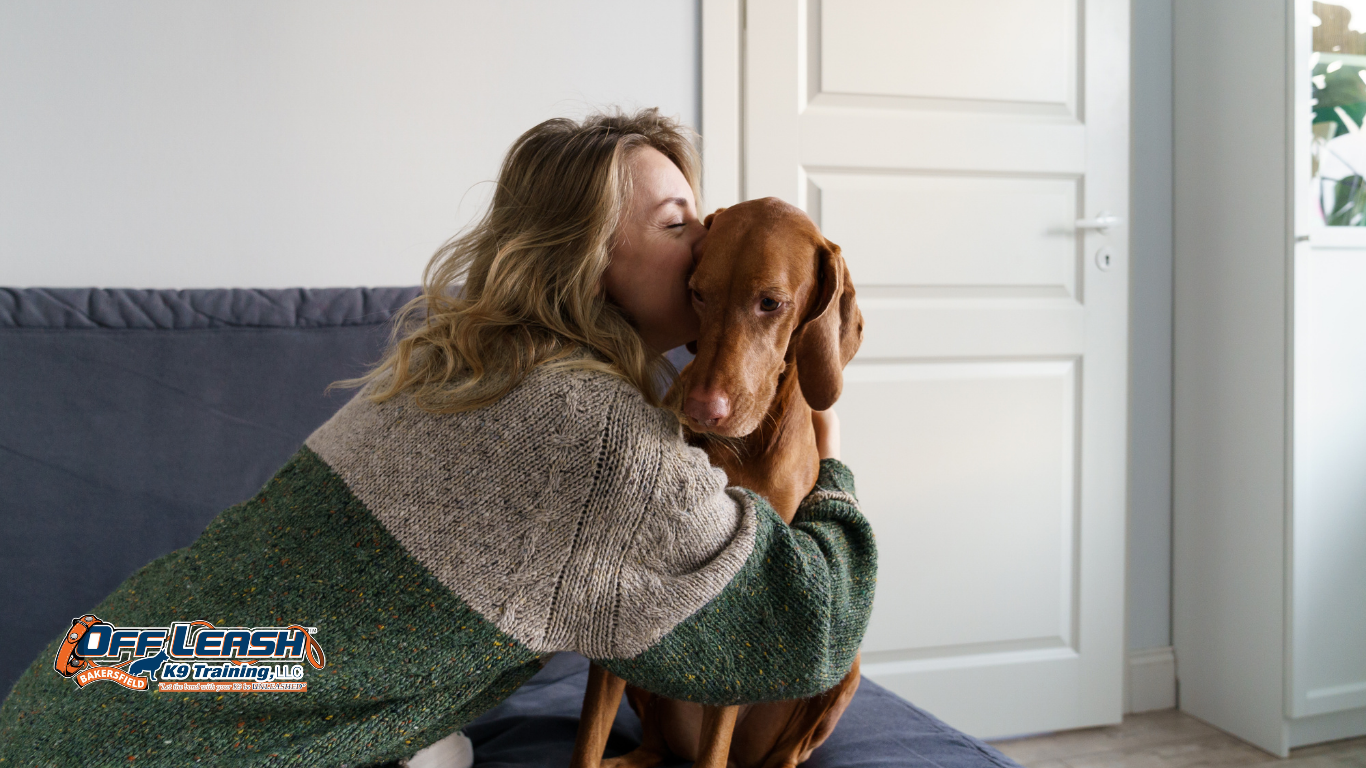
Why Dogs Have Difficulty Settling in Unfamiliar Rooms
Have you ever taken your dog into a room they have never visited before, only to notice that they cannot seem to relax? Instead of lying down, your dog may pace around, sniff everything, follow you from one place to another, stare at unfamiliar objects, or react to every little sound.
This behavior is common, especially when dogs enter environments that feel different from what they experience every day. An unfamiliar room contains new smells, sounds, surfaces, furniture, and visual details. Your dog may feel the need to investigate everything before deciding whether the space is safe and comfortable.
Some dogs adjust quickly, while others need more time and reassurance. A dog that normally settles peacefully at home may become restless when visiting a friend’s house, staying in a hotel, entering a different room, or spending time in an unfamiliar indoor environment.
The important thing to remember is that difficulty settling does not necessarily mean your dog is misbehaving. Your dog may simply be processing unfamiliar information and trying to understand the surroundings.
With patience, positive reinforcement, and gradual exposure, you can help your dog become more comfortable in new spaces. Teaching your dog how to settle in unfamiliar rooms can improve everyday behavior, reduce unnecessary stress, and make visits to different environments more enjoyable.
Understanding How Dogs Respond to Unfamiliar Rooms
Dogs experience their surroundings through a combination of smell, hearing, sight, and physical sensations. When they enter an unfamiliar room, they encounter information that may be completely different from what they recognize at home.
A new room might contain unfamiliar furniture, different flooring, strange household sounds, unfamiliar people, or scents left behind by other animals. Your dog may need time to investigate these details before feeling comfortable enough to rest.
Some dogs respond by walking around and sniffing. Others remain close to their owners, watch the doorway, or repeatedly change resting positions.
These reactions can be part of normal environmental exploration. Your dog is gathering information and learning what to expect from the new surroundings.
However, if your dog becomes increasingly restless, repeatedly attempts to leave, or struggles to relax even after having time to investigate, the environment may be overwhelming.
Understanding your dog’s individual response is important. Rather than expecting every dog to settle immediately, give them opportunities to become familiar with the room at their own pace.
Why New Environments Make It Difficult for Dogs to Relax
Dogs often develop strong associations with familiar environments. At home, they recognize where they sleep, where they eat, where their toys are kept, and which areas are comfortable for resting.
These familiar patterns help create predictability.
An unfamiliar room removes many of those familiar references. Your dog may not know where to rest, what sounds to expect, or whether certain objects and activities are safe.
Several factors can make settling difficult.
Lack of familiarity: Your dog has not had enough experience with the room to understand its surroundings.
Environmental stimulation: New smells, sounds, movement, and objects may keep your dog alert.
Changes in routine: Visiting a different location may disrupt familiar sleeping, resting, or activity patterns.
Uncertainty: Your dog may be unsure whether to explore, stay near you, or find a place to rest.
Previous experiences: If your dog has experienced frightening situations in unfamiliar places, new environments may create additional concern.
Individual temperament: Some dogs naturally investigate new spaces confidently, while others need more time and support.
A dog that struggles to settle is not necessarily being stubborn. They may simply need a slower introduction and more opportunities to build confidence.
The Role of New Sounds, Smells, and Visual Distractions
A room that appears quiet and ordinary to you can contain many interesting details from your dog’s perspective.
Smells are particularly important. Dogs may notice scents from cleaning products, food, outdoor areas, other animals, or previous visitors. These unfamiliar smells can encourage repeated sniffing and investigation.
Sounds can also interfere with settling. A refrigerator turning on, footsteps in another room, plumbing noises, distant conversations, or traffic outside may attract your dog’s attention.
Visual distractions create another challenge. Moving curtains, reflections, ceiling fans, unfamiliar furniture, and people walking past doorways may cause your dog to remain alert.
Some dogs respond to these details by repeatedly moving around the room. Others may sit and watch one particular area for extended periods.
You can help by reducing unnecessary stimulation. Close curtains if outdoor movement is distracting, lower television volume, and choose a quieter area when possible.
Allow your dog to investigate safely, but avoid encouraging constant activity. The goal is to help your dog gradually understand that the room does not require continuous attention.
How Uncertainty and Environmental Changes Affect Dog Behavior
Dogs often feel more comfortable when they can predict what happens next. Familiar routines provide information about when it is time to eat, rest, play, and interact with their owners.
An unfamiliar room may interrupt those expectations.
For example, your dog may normally sleep in a quiet corner of the living room. When visiting another home, that familiar resting location is unavailable. Your dog may not immediately understand where to relax.
Changes in your behavior can also influence how your dog responds. If you are moving furniture, talking with visitors, preparing belongings, or frequently changing locations, your dog may remain alert to your activity.
Some dogs respond by following their owners closely because familiar people provide reassurance in unfamiliar surroundings.
Others may repeatedly check doorways, investigate corners, or move between different resting locations.
You can reduce uncertainty by maintaining familiar routines wherever possible. Bring recognizable belongings, use familiar cues, and give your dog time to understand the new environment.
Predictability does not require recreating your entire home. Even a familiar blanket, a consistent resting cue, and a calm introduction can make a meaningful difference.
Signs Your Dog Is Having Difficulty Settling in an Unfamiliar Room
Common signs include:
-
Pacing repeatedly around the room.
-
Sniffing every surface without taking breaks.
-
Following you constantly instead of resting.
-
Frequently changing resting positions.
-
Watching doorways, windows, or unfamiliar objects.
-
Reacting to small or distant sounds.
-
Whining, barking, or making repeated vocalizations.
-
Panting when the environment is not physically warm.
-
Refusing to lie down even when tired.
-
Trying to leave the room or remain close to an exit.
Some dogs may also display subtle body language, such as a lowered posture, tucked tail, ears held back, lip licking, or repeated yawning.
These signs should be considered in context. For example, panting may be related to heat or physical activity, while lip licking can occur for several reasons.
If your dog appears uncomfortable, avoid forcing them to remain in the room. Give them more space, reduce stimulation, and allow them to move somewhere they feel safer.
The goal is to help your dog develop comfort, not to make them tolerate an environment that is overwhelming.
How to Help Your Dog Settle in Unfamiliar Rooms
Teaching your dog to settle in unfamiliar rooms requires a gradual approach. You want your dog to learn that new spaces can be explored safely and that relaxing is an option even when the surroundings are different.
Start with environments that are only mildly unfamiliar. Keep expectations realistic and reward small signs of comfort.
The following steps can help your dog become more confident and relaxed.
Step 1: Give Your Dog Time to Explore the New Space
When entering an unfamiliar room, avoid immediately asking your dog to lie down or remain in one position.
Give them a chance to investigate the surroundings at a comfortable pace. Allow appropriate sniffing, walking, and observation while keeping them away from unsafe objects or areas.
If your dog wants to examine a corner or sniff a piece of furniture, allow the investigation when it is safe.
Avoid pulling your dog around the room or repeatedly redirecting them without a reason. Too much interference can make the environment feel more confusing.
However, exploration should not become endless stimulation. Once your dog has had an opportunity to investigate, begin encouraging calmer activities.
You might guide them toward a familiar blanket or resting area and reward them for approaching it.
Some dogs need only a few minutes to become comfortable, while others require several visits. Let your dog’s behavior guide the pace.
Step 2: Create a Familiar and Comfortable Resting Area
Bring something your dog already associates with comfort, such as:
-
Their regular dog bed.
-
A familiar blanket.
-
A comfortable mat.
-
A favorite safe chew.
-
A familiar toy.
Place the resting area somewhere away from busy walkways, loud equipment, and constant movement.
Give your dog the freedom to approach the resting area rather than forcing them onto it.
You can reward your dog for investigating the bed, stepping onto the mat, or lying down voluntarily.
If your dog chooses another comfortable location, that may be acceptable as long as the area is safe.
The objective is to create a predictable resting opportunity, not to insist that your dog use one specific spot regardless of comfort.
Step 3: Reward Calm Behavior Without Forcing It
Dogs need to understand that relaxing in unfamiliar environments is worthwhile.
Watch for small signs of calm behavior. Your dog might stop pacing, soften their body posture, sit quietly, lie down, or briefly rest their head.
When you notice these moments, calmly offer praise or a small treat.
Avoid becoming overly excited when rewarding your dog. A loud voice or sudden movement could interrupt the relaxed behavior you are trying to encourage.
You can also reward your dog for remaining calmly near their resting area while you sit nearby.
At first, you may need to reinforce very brief moments of relaxation. That is perfectly fine.
Gradually, your dog may begin offering these behaviors without needing a reward every time.
Remember that a dog does not have to lie down immediately to demonstrate progress. Calmly observing the room or standing without pacing can also be a useful step.
Step 4: Reduce Distractions and Environmental Pressure
If your dog is struggling to relax, look at the room from their perspective.
Is there a television playing loudly? Are people frequently walking past? Can your dog see other animals through a window? Are unfamiliar sounds coming from nearby rooms?
Reducing these distractions can make the environment easier to understand.
Try the following adjustments:
-
Choose a quieter corner of the room.
-
Lower television or music volume.
-
Close curtains if outdoor movement attracts attention.
-
Ask visitors to avoid crowding or repeatedly approaching your dog.
-
Keep unfamiliar animals at a comfortable distance.
-
Remove unnecessary objects that your dog might investigate or chew.
Avoid allowing several people to surround your dog or repeatedly call them over.
A quieter environment gives your dog more opportunities to rest without feeling that something is constantly happening.
If the room remains overwhelming, consider moving to a different space.
Step 5: Teach Your Dog a Reliable Settle Cue
A settle cue can help your dog understand when it is appropriate to relax.
Choose a word such as “settle” or “relax.” Begin teaching it at home, where your dog already feels comfortable.
Follow these steps:
-
Place a familiar mat or blanket in a quiet area.
-
Allow your dog to approach it voluntarily.
-
Reward them for standing or sitting on the mat.
-
When your dog lies down naturally, calmly say “settle.”
-
Reward the relaxed position.
-
Gradually reward longer periods of comfortable resting.
Avoid repeatedly saying the cue when your dog is not ready to respond.
The cue should become associated with a comfortable activity rather than pressure to remain still.
Once your dog understands the behavior at home, practice in different rooms before introducing completely unfamiliar locations.
If your dog becomes restless, return to an easier environment and reinforce the skill there.
Step 6: Practice Relaxing in Different Rooms at Home
Your dog does not need to visit a new location every time you practice settling.
You can build confidence by introducing the skill in different rooms of your own home.
For example, if your dog normally settles in the living room, practice short resting sessions in the bedroom, dining area, or another comfortable space.
Use the same familiar mat and settle cue.
At first, choose rooms with minimal distractions. Reward your dog for relaxing, then gradually practice in spaces where normal household activities occur.
This helps your dog learn that settling is not limited to one specific location.
You can also vary your position. Sit nearby, move a short distance away, or perform a quiet household task while your dog rests.
Do not immediately expect your dog to relax while you leave the room. Build independence gradually and reward comfortable behavior.
Step 7: Gradually Introduce More Unfamiliar Environments
After your dog becomes comfortable settling in different rooms at home, begin practicing in mildly unfamiliar environments.
You might start with a quiet room at a familiar relative’s home or another location where your dog can explore safely.
Bring their familiar blanket or mat and follow the same general routine used during home practice.
Allow your dog to investigate before encouraging them to settle.
Once they begin showing comfortable behavior, reward it. Keep the first visits relatively short and leave before your dog becomes overwhelmed.
Over time, you can introduce more varied environments, such as:
-
A different room at a friend’s home.
-
A quiet indoor training space.
-
A calm pet-friendly accommodation.
-
A familiar indoor area with slightly different sounds and activity.
Progress gradually. A busy room filled with unfamiliar people and animals may be too challenging for a dog who is just learning to settle outside the home.
The goal is to build confidence through manageable experiences, not to expose your dog to as much stimulation as possible.
Step 8: Recognize When Your Dog Needs More Space or Support
Not every dog will feel comfortable in every unfamiliar room, and that is important to recognize.
If your dog is pacing constantly, hiding, panting excessively, vocalizing, or repeatedly trying to leave, they may need more distance from the activity.
Instead of insisting that they settle, reduce the pressure.
You can move to a quieter room, increase distance from unfamiliar people, or allow your dog to rest in a familiar space.
Pay attention to changes in body language. A dog that is becoming more comfortable may begin sniffing normally, resting their body, taking treats gently, or choosing to lie down.
A dog that becomes increasingly tense may need a break rather than another training repetition.
If your dog consistently struggles in new environments, consider consulting a qualified, reward-based trainer or veterinarian. Persistent anxiety, sudden behavioral changes, or signs of physical discomfort deserve appropriate attention.
Supporting your dog sometimes means recognizing when the best choice is to stop practicing and make the environment easier.
Common Mistakes That Make Settling in New Rooms More Difficult
Expecting immediate relaxation. A dog may need time to investigate before feeling comfortable enough to rest.
Forcing the dog onto a bed or mat. Physical pressure can create negative associations with the resting area.
Allowing too much stimulation. Busy rooms, loud noises, and constant movement can prevent your dog from relaxing.
Repeatedly calling the dog over. Constant interaction can interrupt exploration and make it harder for your dog to settle naturally.
Ignoring signs of discomfort. Pacing, hiding, trembling, and attempts to leave should not be dismissed as stubbornness.
Introducing too many new environments too quickly. Dogs need time to build confidence through manageable experiences.
Using the settle cue as a correction. Repeatedly telling a restless dog to settle does not teach relaxation if the environment is too difficult.
Rewarding only perfect behavior. Small improvements, such as briefly stopping, sitting calmly, or approaching a resting area, deserve recognition.
The most effective approach is patient and flexible. Make the environment easier when necessary, reward progress, and allow your dog to develop confidence at a comfortable pace.
How to Respond When Your Dog Cannot Relax in an Unfamiliar Room
If your dog cannot settle despite your efforts, take a moment to assess what may be making the room difficult.
Look for specific triggers. Your dog may be reacting to a sound, watching activity outside, avoiding an unfamiliar person, or feeling uncomfortable with the flooring.
Once you identify a possible cause, make a simple adjustment.
For example, close the curtains if your dog is watching movement outside. Move their resting area away from a busy doorway if people keep passing. Reduce background noise if sudden sounds are attracting their attention.
You can also offer a familiar chew or food enrichment activity if your dog is comfortable eating in that environment.
Avoid using food to lure a frightened dog into an area they are trying to avoid. Let them make choices and maintain access to a safe retreat.
If your dog needs to leave the room, allow that when it is safe to do so. A break can prevent a difficult experience from becoming more stressful.
Remember that the purpose of training is to help your dog feel secure enough to relax. Remaining in an unfamiliar room is not automatically a sign of success if your dog is uncomfortable throughout the experience.
Building Confidence Through Gradual Exposure and Consistent Practice
Confidence in unfamiliar environments develops through repeated experiences that are manageable and positive.
A dog who struggles to settle in a new room may need several opportunities to investigate, recognize familiar items, and discover that the environment is safe.
Consistency helps make these experiences easier.
Use familiar resting equipment, maintain predictable routines, and reward calm behavior whenever it appears.
You can also practice everyday activities in different rooms. Ask your dog to relax while you read, work quietly, or perform a simple household task. These small exercises help your dog learn that new surroundings do not always require constant attention.
Gradual exposure is especially important for dogs who are naturally cautious. Avoid overwhelming them with crowded spaces, unfamiliar animals, or prolonged visits before they are ready.
As your dog becomes more comfortable, you may notice that they explore more naturally, spend less time pacing, and choose to rest without needing constant encouragement.
Progress may not be perfectly consistent. Your dog might settle easily in one unfamiliar room but struggle in another. That does not mean training has failed.
Continue building positive experiences and adjust your approach based on your dog’s behavior.
How BakersfieldDogTrainer.com Can Help Your Dog Settle More Comfortably
Helping a dog settle in unfamiliar rooms requires more than teaching them to lie down on command. It involves understanding their behavior, recognizing environmental triggers, building confidence, and developing practical relaxation skills.
BakersfieldDogTrainer.com can help dog owners explore ways to improve everyday behavior through positive reinforcement, consistent communication, and manageable training exercises.
A thoughtful training approach can help you identify why your dog struggles in unfamiliar environments. Is your dog reacting to new sounds? Are unfamiliar people creating uncertainty? Does your dog rely heavily on one familiar resting location? Understanding these patterns can help determine which skills need attention.
Training can also focus on:
-
Building confidence in different indoor environments.
-
Teaching a reliable settle cue.
-
Encouraging calm behavior around unfamiliar sounds.
-
Developing independence without removing reassurance.
-
Practicing relaxation in different rooms.
-
Helping dogs respond more comfortably to environmental changes.
Every dog has individual needs. Some dogs need more opportunities to explore, while others benefit from reduced stimulation and a familiar resting area.
The goal is to help your dog feel comfortable enough to relax, even when the surroundings are different from home.
With patient guidance and consistent practice, unfamiliar rooms can gradually become less overwhelming and easier for your dog to navigate.
Frequently Asked Questions
1. Why does my dog follow me around instead of settling in a new room?
Your dog may follow you because you are a familiar and reassuring presence in an unfamiliar environment. They may also be uncertain about where to rest or what to expect. Give your dog time to explore, provide a familiar resting area, and reward moments when they choose to relax independently. Avoid forcing distance before your dog feels comfortable.
2. How long does it take for a dog to settle in an unfamiliar room?
The adjustment period varies depending on the dog’s temperament, experience, and the environment. Some dogs become comfortable within minutes, while others may need several visits. Rather than focusing on a specific time limit, watch for signs of relaxation, such as a loose body posture, normal exploration, and voluntary resting.
3. Should I bring my dog’s bed when visiting a new place?
Yes, bringing a familiar bed or blanket can help create a recognizable resting area. Familiar scents and textures may make a new environment feel more predictable. Place the item somewhere quiet and allow your dog to approach it voluntarily. Do not force your dog to remain on the bed if they are uncomfortable.
4. Why does my dog pace when entering an unfamiliar room?
Pacing may indicate excitement, uncertainty, environmental stimulation, or stress. Your dog may be investigating the surroundings or trying to find a comfortable place to rest. Reduce distractions, allow safe exploration, and reward brief moments of calm behavior. If pacing is persistent or accompanied by signs of distress, consider seeking professional advice.
5. Can treats help a dog relax in a new environment?
Treats can help create positive associations with unfamiliar rooms. Reward calm behavior, voluntary exploration, and approaching a familiar resting area. Choose treats your dog enjoys and keep the environment manageable. If your dog refuses food, do not force the issue; they may need more space or a quieter setting.
6. Should I make my dog stay on a mat in an unfamiliar room?
It is better to teach mat settling gradually rather than force your dog to remain on a mat. Start at home and reward voluntary approaches, sitting, and lying down. Once your dog understands the behavior, practice in different rooms. In unfamiliar environments, allow your dog to choose a comfortable resting position if they are not ready to use the mat.
7. Why does my dog bark at unfamiliar sounds indoors?
New sounds may attract your dog’s attention or make them uncertain about the environment. Footsteps, plumbing, appliances, voices, and outdoor noises can all trigger barking. Identify the sound when possible, reduce unnecessary exposure, and reward calm responses at a comfortable distance. Avoid punishing your dog for reacting to sounds they do not understand.
8. How can I help my dog settle when visiting someone else’s home?
Bring a familiar blanket or bed, allow your dog to explore safely, and choose a quiet resting area away from busy walkways. Maintain familiar routines and reward calm behavior. Ask visitors not to crowd or repeatedly approach your dog. Keep the first visits short enough that your dog can have a comfortable experience.
9. Can puppies learn to relax in unfamiliar rooms?
Yes. Puppies can begin learning relaxation skills through short, positive experiences in different rooms. Introduce new environments gradually, provide familiar resting items, and reward calm exploration. Avoid overwhelming puppies with too many unfamiliar people, sounds, or animals at once. Give them plenty of opportunities to sleep and rest.
10. What should I do if my dog refuses to settle in a new space?
First, assess whether the room is too stimulating or uncomfortable. Reduce noise, increase distance from distractions, and provide access to a familiar resting area. Allow your dog to explore or leave the room when appropriate. If the difficulty is persistent, severe, or accompanied by signs of anxiety, consult a veterinarian or qualified reward-based trainer.
Conclusion: Helping Your Dog Feel Comfortable and Relaxed in Unfamiliar Rooms
Dogs may struggle to settle in unfamiliar rooms because new environments contain sounds, smells, objects, and experiences they do not recognize. What appears to be restlessness may actually be your dog trying to understand the surroundings and determine whether they feel safe.
You can make the adjustment easier by allowing time for exploration, providing familiar resting items, reducing distractions, and rewarding calm behavior.
Start with familiar rooms at home before gradually introducing new environments. Teach a settle cue, maintain predictable routines, and pay attention to your dog’s body language. Most importantly, avoid forcing relaxation when your dog is showing signs of discomfort.
Every dog adjusts at a different pace. Some become comfortable quickly, while others need more time and support.
With patience, positive reinforcement, and consistent practice, you can help your dog develop the confidence to settle in different spaces. The goal is not simply to make your dog lie down in an unfamiliar room. It is to help them feel secure, relaxed, and comfortable wherever life takes them.
Website Contact Form
"*" indicates required fields