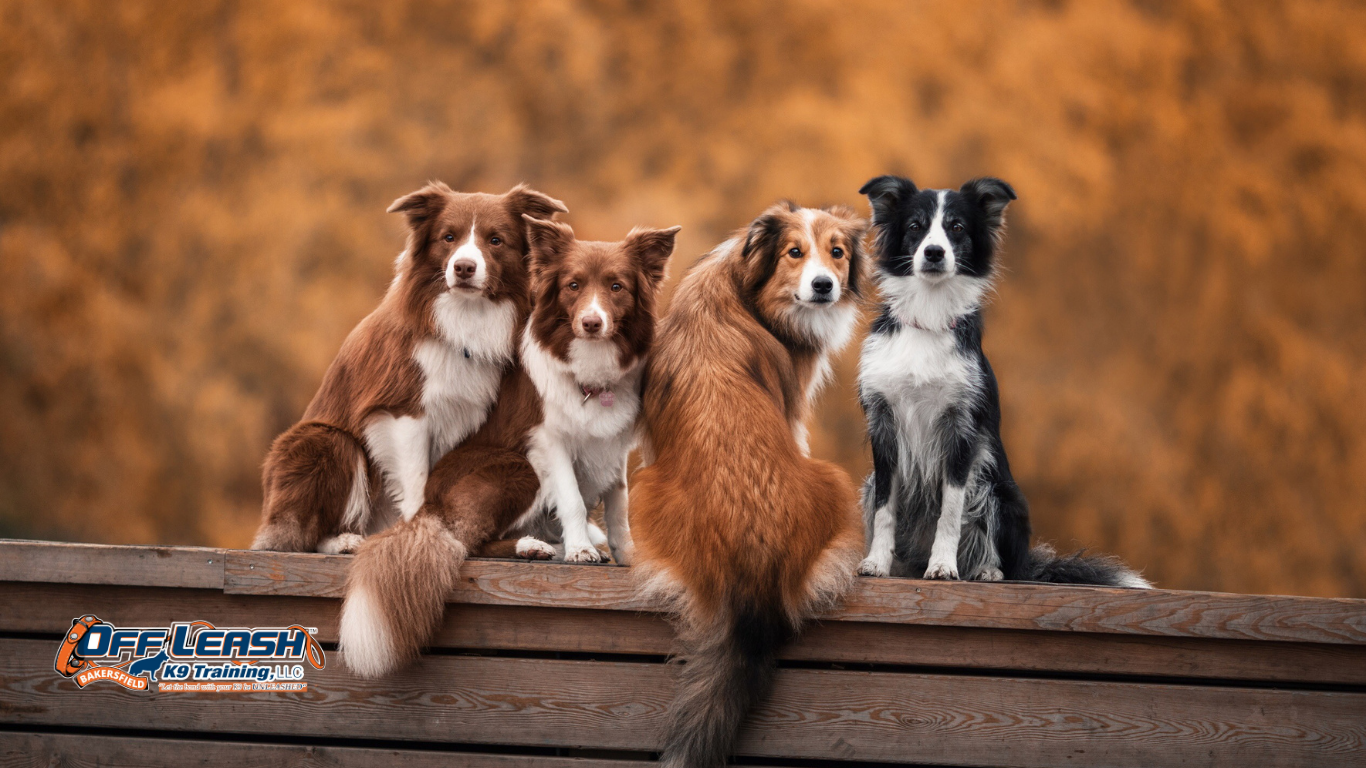
Why Dogs Become Less Responsive When Their Environment Changes
Have you ever noticed that your dog listens beautifully at home but seems to forget everything the moment you step outside? Your dog may respond to commands in the living room, follow directions in the backyard, and stay focused during familiar training sessions. However, when you visit a new park, walk through a busy neighborhood, or encounter unfamiliar people and animals, those same responses may suddenly become less reliable.
This is a common challenge for dog owners. When dogs become less responsive as their environment changes, it does not automatically mean they are stubborn, disobedient, or deliberately ignoring their owners. Instead, their attention may be divided between familiar training cues and the many new sights, sounds, smells, and experiences around them.
Dogs learn through associations, repetition, and experience. A behavior that works consistently in one location may not immediately transfer to another. New environments can also create excitement, uncertainty, or stress, making it harder for a dog to process information and respond calmly.
The good news is that responsiveness can improve with thoughtful training. By building confidence, gradually introducing distractions, and rewarding attention in different settings, you can help your dog become more dependable in everyday situations.
Why Dogs Respond Differently in Familiar and New Environments
Dogs are highly influenced by their surroundings. They notice environmental details that people often overlook, including unfamiliar scents, subtle sounds, movement, and changes in social activity.
At home, your dog may understand the routine. The environment is predictable, familiar objects remain in place, and distractions are often limited. Your dog has repeated training exercises under similar conditions, making it easier to recognize cues and respond successfully.
A new environment presents a different challenge. Your dog may need to investigate unfamiliar surroundings, assess other animals, or determine whether a situation feels safe. These competing priorities can reduce the attention available for training.
For example, your dog might respond immediately to their name in the kitchen but hesitate when called at a park filled with other dogs. The cue itself has not necessarily lost its meaning. The surroundings have simply made responding more difficult.
The key is to understand that familiar behavior does not always transfer automatically to unfamiliar situations. Dogs need opportunities to practice the same skills under different conditions before those skills become dependable across environments.
How Environmental Changes Affect a Dog’s Attention
A dog’s attention is not unlimited. When the environment changes, the number of things competing for that attention can increase dramatically.
Consider what your dog experiences during an ordinary walk. There may be passing vehicles, rustling leaves, unfamiliar dogs, children playing, people talking, and countless new scents. Each stimulus may attract your dog’s attention, particularly if it is novel or emotionally exciting.
When this happens, your dog may take longer to respond to a familiar cue. They may look away, sniff the ground, scan the surroundings, or appear completely absorbed in something else.
This does not necessarily indicate a lack of training. It may mean the current environment requires more focus than your dog can comfortably manage at that moment.
To help, begin training in settings where your dog can pay attention without struggling. Gradually introduce more challenging conditions as your dog becomes successful.
Short training sessions are often more productive than long sessions filled with repeated commands. Rewarding small moments of attention teaches your dog that staying connected with you remains worthwhile, even when something interesting is happening nearby.
The Role of Distractions in Reduced Responsiveness
Distractions are one of the most common reasons dogs become less responsive when their environment changes. However, not all distractions affect dogs in the same way.
A mildly interesting sound might briefly interrupt one dog’s attention, while another dog may become highly excited by the same sound. A moving squirrel, a barking dog, or an unfamiliar person approaching quickly can be especially challenging for dogs that have not practiced responding around those triggers.
Distractions can affect responsiveness in several ways:
-
Visual distractions: Movement, unfamiliar people, other animals, bicycles, and vehicles can draw your dog’s attention away from you.
-
Auditory distractions: Traffic, barking, loud voices, construction, and sudden noises may interrupt focus or cause uncertainty.
-
Scent distractions: Interesting smells can encourage sniffing and exploration, making it harder to maintain attention.
-
Social distractions: Other dogs and people may trigger excitement, frustration, fear, or a strong desire to investigate.
-
Environmental activity: Crowded spaces and unpredictable movement can make it difficult for some dogs to settle and concentrate.
The goal is not to eliminate every distraction. Dogs need to learn how to function around ordinary environmental activity.
Instead, choose distractions your dog can handle successfully and gradually increase the difficulty. If your dog cannot respond to a simple cue, create more distance, reduce the intensity of the distraction, or return to an easier setting.
Why Dogs May Ignore Familiar Commands in New Places
For example, your dog may have learned to sit beside the kitchen counter because that behavior has been practiced repeatedly in the same location. When you ask for a sit on a busy sidewalk, the different surroundings may make the cue less familiar in practice.
Dogs often learn details about the circumstances surrounding a behavior. The location, your body position, the presence of treats, and the sequence of events can all become part of what predicts the expected response.
This is why a dog can appear well-trained in one setting yet struggle in another.
Other factors may contribute to the problem:
-
The dog is too excited to concentrate.
-
The environment contains stronger distractions than the dog has practiced around.
-
The command has not been reinforced consistently in different locations.
-
The dog is uncertain or uncomfortable.
-
The owner expects the same level of performance despite a significant increase in difficulty.
Rather than assuming your dog is choosing to disobey, evaluate whether the behavior has been taught under comparable conditions.
If necessary, briefly return to an easier version of the exercise. Reward success, build momentum, and gradually increase the challenge.
How Stress and Uncertainty Affect a Dog’s Behavior
Some dogs become excited when entering unfamiliar places. Others become cautious, worried, or overwhelmed. Both emotional extremes can interfere with responsiveness.
A stressed dog may have difficulty eating treats, responding to familiar cues, or shifting attention away from something concerning. They may also freeze, move away, pant when it is not hot, repeatedly scan their surroundings, or attempt to escape.
These behaviors should not automatically be interpreted as stubbornness. They may indicate that the dog needs more time, distance, or support.
For example, imagine asking your dog to sit while an unfamiliar dog approaches directly. If your dog is uncomfortable, repeating the command may not solve the problem. Creating distance and helping your dog feel safer may be much more effective.
Confidence is an important part of reliable responsiveness. Dogs learn more effectively when they feel safe enough to explore, think, and engage with their handlers.
Use gradual exposure, reward calm observation, and allow your dog to move away from situations that feel overwhelming. Never force a dog to remain close to a frightening stimulus simply to prove that they can obey.
The Importance of Generalizing Training Skills
In dog training, generalization means teaching a dog to perform a learned behavior under different conditions rather than only in the setting where it was originally taught.
A dog that understands “come” in the living room may still need practice responding to the same cue in the yard, on a quiet sidewalk, and in a busier outdoor space.
Generalization does not happen automatically. It develops through repeated, successful practice across different locations, distances, distractions, and situations.
To build generalization, vary one factor at a time whenever possible. You might begin by practicing a familiar cue in a different room. Next, try the backyard, then a quiet outdoor area, and eventually a more active location.
Keep the behavior easy enough that your dog can succeed. If performance drops sharply, the new setting may be too challenging, and you should reduce the difficulty.
It is also important to use consistent cues. If you say “come” sometimes and use several different phrases at other times, your dog may have more difficulty identifying the expected response.
With patient repetition and meaningful rewards, your dog can learn that familiar skills remain useful even when the surroundings change.
How to Build Responsiveness Across Different Environments
Improving responsiveness requires a balance of consistency, gradual progression, and realistic expectations. Instead of testing your dog in the most difficult places immediately, create a learning process that helps them succeed.
Focus on teaching your dog to notice you, respond to familiar cues, and recover attention after becoming distracted.
The following steps can help.
Step 1: Start With a Familiar, Low-Distraction Setting
Begin where your dog already feels comfortable and can respond successfully.
Choose a quiet room or another familiar location with minimal interruptions. Practice simple behaviors such as responding to their name, making eye contact, sitting, or following you for a few steps.
Reward each successful response promptly. Keep sessions brief and finish while your dog is still engaged.
Starting in an easier environment establishes a reliable foundation. It also helps you identify whether the difficulty comes from the environment itself or from a behavior that needs additional practice.
Once your dog responds consistently, introduce a slightly different setting without immediately adding several new challenges.
Step 2: Introduce Environmental Changes Gradually
Avoid moving directly from a quiet living room to a crowded park and expecting the same level of performance.
Instead, create a progression of increasingly challenging environments. You might practice in another room, then the backyard, then a quiet driveway, and later a calm public space.
Change only a few things at a time. If you move to a new location, initially keep the session short and the exercises simple. If you introduce a stronger distraction, increase distance or reduce the duration of the exercise.
Gradual exposure gives your dog opportunities to investigate the surroundings while learning that responding to you remains rewarding.
If your dog becomes overwhelmed, return to an easier setting. Progress is more dependable when each stage builds on successful experiences rather than repeated struggles.
Step 3: Reward Attention and Voluntary Check-Ins
Responsiveness is not just about following commands. It also involves your dog voluntarily checking in with you while navigating the environment.
A check-in might involve your dog glancing toward you during a walk, turning toward you after hearing a noise, or briefly reconnecting after sniffing an interesting area.
Reward these moments with a treat, praise, play, or permission to continue exploring when appropriate.
Voluntary check-ins are valuable because they teach your dog that paying attention to you can be worthwhile without requiring constant verbal instructions.
You can also practice saying your dog’s name once in a low-distraction setting and rewarding them when they turn toward you. Gradually repeat the exercise in more challenging places.
Avoid demanding continuous eye contact. The goal is a dog who can explore the world while remaining responsive and connected to their handler.
Step 4: Adjust Your Expectations to the Environment
A dog who responds immediately at home may need more time in a new environment. That is a normal part of learning.
When distractions increase, simplify your requests. Ask for a brief check-in rather than a long sequence of behaviors. Reward a few successful steps of walking beside you rather than expecting perfect leash manners throughout an entire busy outing.
Watch your dog’s body language and responsiveness. If they can no longer engage, take a break, move farther from distractions, or choose a quieter route.
Adjusting expectations does not mean abandoning training. It means matching the difficulty to your dog’s current ability so learning can continue.
As your dog’s skills improve, gradually ask for more challenging responses.
Step 5: Practice Commands in Different Locations
Once your dog responds reliably in a familiar setting, deliberately practice the same skills in other locations.
For example, work on name response, recall foundations, sitting, and walking with you in several safe environments. Start with minimal distractions and gradually increase them.
Use a secure, fenced area for off-leash practice. In unfenced public spaces, keep your dog on a suitable leash and do not rely on recall alone to prevent dangerous situations.
Consistency is essential. Use the same cue for the same behavior, reward the response you want, and give your dog time to process the request.
You do not need to practice every command in every location during every session. A few successful repetitions can be more useful than a long session that becomes frustrating.
Step 6: Recognize When Your Dog Needs More Space
Sometimes, the most effective way to improve responsiveness is to increase distance from a distraction.
If your dog becomes fixated on another dog, stops accepting treats, repeatedly pulls toward something, or shows signs of worry, they may be too close to the stimulus to learn comfortably.
Move to a greater distance where your dog can notice the distraction and still respond to you. Reward calm observation, voluntary check-ins, and the ability to turn away.
Over time, you may be able to work closer to the distraction, but there is no need to rush.
Space is especially important when working with fearful or reactive dogs. The objective is not to force a response under pressure. It is to create conditions in which your dog can make better choices and develop confidence.
Common Mistakes That Make Dogs Less Responsive
Even well-intentioned owners can accidentally make environmental training more difficult.
One common mistake is repeating commands over and over. When an owner repeatedly says “sit” or calls the dog’s name without obtaining a response, the cue may become less meaningful. Instead, make the situation easier and practice again when the dog can pay attention.
Another mistake is increasing difficulty too quickly. A dog who has practiced around mild distractions is not necessarily ready to work beside busy traffic or a group of energetic dogs.
Other mistakes include:
-
Expecting instant generalization: Assuming that a skill learned at home will work perfectly everywhere.
-
Using punishment for delayed responses: This can increase uncertainty or stress, particularly when the dog is already overwhelmed.
-
Ignoring emotional signals: Missing signs of fear, frustration, or excessive excitement can lead to sessions that are too difficult.
-
Training for too long: Fatigue and frustration can reduce attention and make learning less productive.
-
Rewarding inconsistently: Failing to reinforce developing skills can make them harder to maintain in challenging environments.
-
Allowing unsafe off-leash testing: Trying recall in an open public area before it is reliable can put a dog at risk.
-
Focusing only on commands: Overlooking voluntary attention, confidence, and the ability to disengage from distractions can limit progress.
A better approach is to identify what makes the task difficult, adjust the conditions, and reward the behavior you want to see more often.
How to Tell Whether Your Dog Is Distracted, Confused, or Overwhelmed
Not every failure to respond has the same cause. Understanding the difference can help you choose the right training strategy.
A distracted dog may be interested in a smell, sound, person, or animal but still show a loose body, move around comfortably, and occasionally check in with you. Increasing distance from the distraction or rewarding attention may be enough to help.
A confused dog may hesitate, offer a different behavior, look between you and the environment, or appear unsure what a cue means in that setting. Return to an easier version of the exercise and reward the correct response clearly.
An overwhelmed dog may show a tense body, tucked tail, pinned ears, repeated attempts to escape, freezing, intense scanning, or an inability to engage with familiar rewards. These signs vary among dogs and should be interpreted in context. Create space, reduce pressure, and prioritize safety rather than continuing to demand obedience.
Some dogs become highly active when overwhelmed, while others become unusually still. Neither reaction should automatically be mistaken for disobedience.
If your dog’s behavior changes suddenly, becomes more severe, or occurs even in familiar environments, consider consulting a veterinarian to rule out pain, illness, sensory changes, or other contributing factors.
Recognizing your dog’s emotional state allows you to respond with better timing and more appropriate training.
Building Reliable Responses in Everyday Situations
The ultimate goal is not simply to have a dog who obeys commands in a training session. It is to develop skills that remain useful during everyday life.
Your dog should gradually learn to respond when you call them away from a mild distraction, check in during walks, pause before moving forward, and recover attention after something interesting happens.
These skills are particularly valuable during neighborhood walks, visits to outdoor spaces, trips to new places, and encounters with unfamiliar people or animals.
Build reliability by practicing in manageable situations. Reward your dog for reconnecting with you, responding to familiar cues, and calmly navigating the environment. Give them appropriate opportunities to sniff and explore, too.
Remember that responsiveness does not require your dog to ignore everything around them. A well-trained dog can investigate the world while remaining aware of you and able to respond when needed.
Progress may vary depending on age, temperament, previous experiences, health, and the difficulty of the environment. Some dogs adjust quickly, while others require a more gradual approach.
Patience and consistency help create skills that are more likely to hold up beyond the training area.
How BakersfieldDogTrainer.com Can Help Dogs Become More Responsive
When a dog becomes less responsive as their environment changes, it can be difficult for owners to determine whether the main challenge involves distractions, inconsistent training, excitement, uncertainty, or a combination of factors.
BakersfieldDogTrainer.com emphasizes the importance of building practical skills that can carry over into everyday situations. A structured training approach can help owners identify where their dogs struggle and develop a plan that progresses at an appropriate pace.
Training may focus on improving attention, strengthening responses to familiar cues, developing impulse control, and helping dogs remain engaged around manageable distractions. It can also help owners recognize signs of stress and adjust their handling when a situation becomes too challenging.
An effective plan should account for the individual dog. A confident dog who becomes excited around interesting smells may need a different approach from a fearful dog who struggles in unfamiliar places.
Owners also play an important role. Learning how to reward the right behavior, introduce distractions gradually, and practice consistently helps dogs understand what is expected of them in different settings.
Frequently Asked Questions
1. Why does my dog listen at home but not outside?
Home is usually familiar and relatively predictable, while outdoor environments contain more scents, sounds, movement, and distractions. Your dog may also have learned a behavior in the context of your home without yet understanding how to perform it elsewhere. Practice familiar cues in progressively more challenging locations to build generalization.
2. Do dogs forget their training in new environments?
Dogs do not necessarily forget what they have learned. Instead, a new environment may make it harder to recognize the cue or concentrate on the expected behavior. Reintroduce the skill in the new setting at an easier level, reward success, and gradually increase the challenge.
3. How long does it take a dog to adjust to a new environment?
It depends on the dog’s temperament, previous experiences, confidence, and the level of stimulation. Some dogs become comfortable within a short visit, while others need repeated, gradual exposure over days or weeks. Let your dog’s behavior guide the pace rather than expecting a fixed adjustment period.
4. Should I repeat commands when my dog does not respond?
Generally, avoid repeating the same command continuously. Give your dog a moment to process the cue. If they cannot respond, reduce distractions, create more space, or return to an easier exercise. Then reward a successful response rather than allowing the cue to become background noise.
5. Can distractions make a well-trained dog seem disobedient?
Yes. Even a well-trained dog can struggle when distractions are more intense than those encountered during practice. This does not automatically mean the training has failed. It often means the dog needs more gradual practice and reinforcement under those conditions.
6. How can I improve my dog’s focus in public?
Start in quiet outdoor settings and reward brief attention, voluntary check-ins, and responses to familiar cues. Increase the difficulty gradually, keep your dog at a comfortable distance from distractions, and take breaks when needed. Choose safe locations where you can control the intensity of the experience.
7. Should I use more treats when training in new places?
Treats can be especially helpful in new environments because they provide clear, immediate feedback. Use rewards your dog finds valuable and deliver them promptly after the desired behavior. If your dog refuses treats they normally enjoy, consider whether the environment is too stressful or distracting and make the exercise easier.
8. Can stress make a dog less responsive?
Yes. Stress and uncertainty can interfere with attention, learning, and the ability to respond to familiar cues. Watch for changes in body posture, avoidance, freezing, excessive scanning, or other signs of discomfort. Increase distance from the source of stress and allow your dog to recover before continuing.
9. How often should I practice training in different environments?
Frequent, short sessions are often more useful than occasional, lengthy sessions. You might practice for a few minutes in different suitable locations throughout the week, adjusting the frequency to your dog’s needs. Prioritize successful repetitions and gradual progress rather than exposing your dog to as many environments as possible at once.
10. When should I seek professional dog training help?
Consider professional help if your dog consistently struggles to respond outside familiar settings, becomes highly reactive, shows significant fear, or is difficult to manage safely. A qualified trainer can assess the situation and develop a practical plan. If the change in responsiveness is sudden or accompanied by other behavioral or physical changes, consult a veterinarian as well.
Conclusion: Building Confidence and Consistency Through Environmental Changes
When dogs become less responsive as their environment changes, the cause is often more complicated than simple disobedience. Distractions, unfamiliar surroundings, incomplete generalization, excitement, and stress can all affect how reliably a dog responds.
The solution is to make training easier when necessary, introduce environmental changes gradually, reward attention, and recognize when your dog needs additional space. By practicing familiar skills in different settings, you help your dog understand that those skills apply beyond the comfort of home.
Most importantly, measure progress by more than immediate obedience. Look for improvements in confidence, voluntary check-ins, recovery after distractions, and the ability to respond in increasingly challenging situations.
With patience, consistent practice, and realistic expectations, you can help your dog become more attentive, adaptable, and dependable in everyday life. The goal is a stronger partnership in which your dog feels comfortable exploring the world while remaining connected to you.
Website Contact Form
"*" indicates required fields