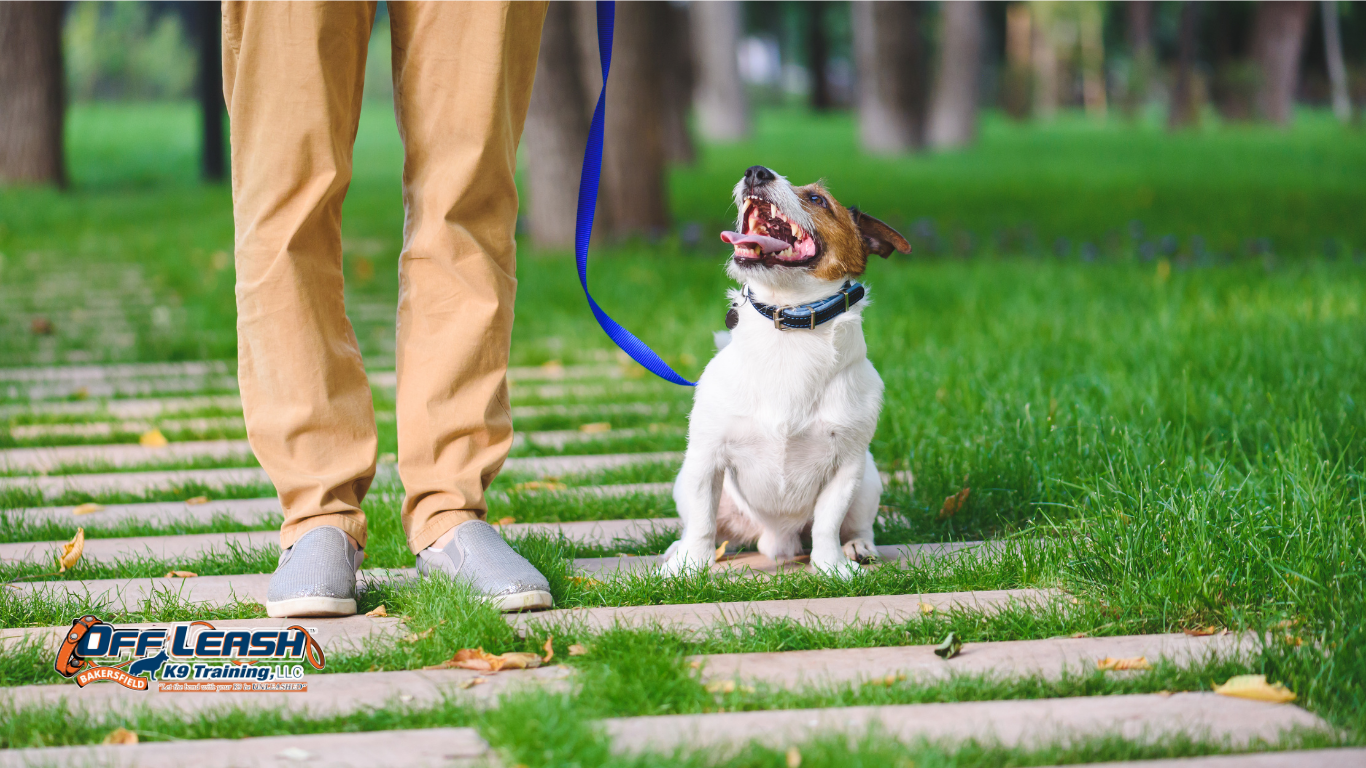
The Role of Focus, Impulse Control, and Leash Skills in Dog Training
Why Focus, Impulse Control, and Leash Skills Matter
A well-behaved dog is not simply a dog that knows basic commands. Everyday situations require dogs to make good choices while surrounded by distractions, movement, smells, people, animals, and unfamiliar environments.
This is where focus, impulse control, and leash skills become especially important.
Focus helps a dog pay attention to their owner and respond to guidance. Impulse control helps them pause instead of immediately reacting to everything they see. Leash skills help them move safely and appropriately while exploring their surroundings.
These three areas work together. A dog that can focus but cannot control impulses may still rush toward distractions. A dog with good impulse control may struggle if they have not learned how to walk calmly on a leash. Strong leash skills become easier when the dog can focus and make thoughtful choices.
Developing these skills takes consistency and practice. The goal is not perfection but helping the dog become more reliable and comfortable in everyday situations.

Why Focus, Impulse Control, and Leash Skills Matter
Focus, impulse control, and leash skills provide a foundation for many everyday behaviors.
A focused dog is more likely to notice their owner’s communication even when something interesting is happening nearby.
Impulse control allows the dog to pause before reacting.
Together, these abilities can help dogs:
- Walk more calmly
- Respond to familiar cues
- Handle distractions more appropriately
- Wait before moving toward something exciting
- Reduce unnecessary pulling
- Navigate busy environments
- Develop better everyday manners
- Communicate more effectively with their owners
These skills are useful for puppies and adult dogs alike.
What Does “Focus, Impulse Control, and Leash Skills” Mean in Dog Training?
These three concepts are connected but represent different abilities.
Focus
Focus is the dog’s ability to pay attention to their handler or respond to a cue despite appropriate distractions.
Focus does not mean a dog must constantly stare at their owner. It means they can shift their attention when guidance is needed.
Impulse Control
Impulse control involves pausing before acting.
A dog may notice a squirrel, another dog, or an exciting smell but learn that they do not have to immediately pull toward it.
Leash Skills
Leash skills involve learning how to move appropriately while connected to a leash.
This can include:
- Walking with a loose leash
- Responding to changes in direction
- Checking in with the handler
- Moving away from distractions
- Maintaining an appropriate pace
- Stopping when necessary
When these skills develop together, everyday walks can become more manageable and predictable.
Why Dogs Struggle to Focus During Walks
Walking environments are full of information that dogs naturally find interesting.
Dogs rely heavily on their senses, especially their sense of smell. A simple neighborhood walk can include:
- New scents
- Other dogs
- Wildlife
- People
- Vehicles
- Bicycles
- Children
- Sounds
- Moving objects
- Food
- Different surfaces
It is therefore understandable that a dog may find focusing difficult.
A dog that listens perfectly in a quiet room may struggle outside because the level of distraction is significantly higher.
This does not necessarily mean the dog is being stubborn.
They may simply need to learn how to perform familiar behaviors in increasingly distracting environments.
Training should gradually bridge the gap between a controlled environment and real-world situations.
How Impulse Control Affects Everyday Dog Behavior
Impulse control influences many behaviors beyond walking.
A dog with developing impulse control can learn to pause before:
- Going through a doorway
- Taking food
- Greeting someone
- Chasing a moving object
- Jumping on furniture
- Grabbing a toy
- Leaving the car
- Approaching another dog
- Moving toward an interesting smell
The goal is not to prevent the dog from enjoying these activities.
Instead, the dog learns that access to something exciting can come after an appropriate behavior.
For example, a dog may learn:
Pause → Look at owner → Receive permission → Continue
This creates a predictable pattern and gives the dog an alternative to immediately reacting.
The Connection Between Focus and Leash Skills
Focus and leash skills often support one another.
A dog that constantly scans the environment without checking in with their handler may be more difficult to guide during walks.
On the other hand, a dog that has learned to occasionally check in can be easier to redirect when something interesting appears.
This does not mean the dog should be expected to ignore their surroundings.
Sniffing and exploring are natural parts of walking.
Instead, the goal is to teach the dog that they can explore while still remaining responsive to their handler.
For example, if a dog notices something interesting across the street, the owner might ask for attention, change direction, or create more distance.
Over time, the dog can learn that responding to their handler does not mean exploration has ended.
Common Distractions That Make Walking Difficult
Different dogs react to different distractions.
Some common challenges include:
Other Dogs
Dogs may pull, stare, bark, whine, or become overly excited when they see another dog.
Wildlife
Squirrels, rabbits, birds, and other animals can trigger chasing instincts.
Smells
Dogs naturally want to investigate scents. Strong smells can make maintaining attention difficult.
People
Joggers, children, visitors, or groups of people can attract a dog’s attention.
Moving Objects
Bicycles, skateboards, vehicles, and other moving objects may be especially exciting.
Environmental Changes
Construction, unusual noises, new surfaces, or unfamiliar locations can also affect a dog’s ability to focus.
Training should account for these differences instead of expecting every dog to respond identically.
Reading Your Dog’s Body Language During Walks
Body language can provide important information about a dog’s emotional state and level of arousal.
Before a dog begins pulling or reacting, you may notice:
- Sudden staring
- Body stiffness
- Ears changing position
- Increased scanning
- Faster movement
- Closed mouth
- Weight shifting forward
- Whining
- Increased leash tension
- Difficulty responding to familiar cues
Recognizing these signals early can make it easier to redirect the dog.
For example, if your dog notices another dog but can still respond to their name, you may have an opportunity to practice focus.
If the dog is already lunging or unable to respond, increasing distance may be more appropriate.
Good leash training involves more than simply controlling where the dog goes. It involves understanding what the dog is communicating.
Common Owner Mistakes With Focus and Leash Training
Common mistakes include:
- Expecting immediate results
- Practicing only in highly distracting environments
- Pulling continuously on the leash
- Repeating commands without giving the dog time to respond
- Allowing inconsistent leash rules
- Moving too close to difficult distractions
- Ignoring early body-language signals
- Expecting a dog to focus for too long
- Failing to reward appropriate behavior
- Becoming frustrated when progress is gradual
Training works best when expectations match the dog’s current ability.
If a dog cannot focus around a particular distraction, make the situation easier rather than repeatedly asking for a behavior they are not yet ready to perform.
How to Build Better Focus, Impulse Control, and Leash Skills
Start in an environment where your dog can succeed.
Practice simple attention exercises indoors or in a quiet outdoor area.
Reward your dog when they voluntarily look toward you or respond to their name.
Then gradually introduce mild distractions.
A progression might look like:
Quiet room → backyard → quiet neighborhood → mild distractions → busier environment
For leash skills, begin with short walking sessions.
Reward your dog for:
- Walking near you
- Keeping a loose leash
- Checking in
- Following changes in direction
- Responding to cues
- Ignoring manageable distractions
For impulse control, practice simple pauses throughout the day.
Ask your dog to wait briefly before:
- Eating
- Going outside
- Getting a toy
- Greeting someone
- Starting a walk
Keep sessions short and successful.
Use the Environment as a Reward
Rewards do not always have to be treats.
If your dog wants to sniff something interesting, calm behavior can be followed by permission to investigate.
This teaches an important lesson:
Good choices can lead to access to the things your dog enjoys.
As your dog’s skills improve, gradually increase distractions and duration.
Helping Bakersfield Dogs Build Better Walking Skills With BakersfieldDogTrainer.com
BakersfieldDogTrainer.com can help owners work toward practical skills that transfer into everyday situations.
Focus, impulse control, and leash skills can be incorporated into a broader training program designed around the individual dog’s needs.
Training may address areas such as:
- Loose-leash walking
- Attention and focus
- Impulse control
- Calm greetings
- Distraction management
- Obedience
- Everyday manners
- Confidence
- Appropriate responses to environmental triggers
The goal is to build practical behaviors that owners can continue reinforcing during daily life.
Long-Term Benefits of Stronger Focus and Leash Skills
Developing these skills can have benefits far beyond a single walk.
Potential benefits include:
- Better communication
- Improved walking manners
- Greater responsiveness
- Better impulse control
- Increased focus
- More predictable behavior
- Improved handling around distractions
- Safer outdoor experiences
- Stronger owner-dog cooperation
- A better foundation for advanced training
These skills can also make everyday activities easier for both the dog and the owner.
A dog does not need to ignore everything around them. Instead, they can learn how to explore while remaining connected to their handler.
10 Frequently Asked Questions
1. Why is focus important for dogs?
2. What is impulse control in dogs?
Impulse control is the ability to pause or make an appropriate choice instead of immediately acting on an exciting desire.
3. Can leash skills be taught to older dogs?
Yes. Adult dogs can learn improved leash skills with appropriate training, consistency, and gradual practice.
4. Why does my dog listen at home but not on walks?
Outdoor environments usually provide far more distractions. Your dog may need to practice familiar skills gradually in increasingly challenging environments.
5. Should my dog always walk directly beside me?
Not necessarily. Appropriate walking can include sniffing and exploring. The important part is teaching the dog to remain responsive and maintain manageable leash behavior.
6. Can treats help with leash training?
Yes. Rewards can reinforce behaviors such as checking in, walking calmly, and responding to distractions.
7. How long does leash training take?
There is no universal timeline. Progress depends on the dog’s age, history, temperament, consistency, and the difficulty of the environment.
8. Can impulse control reduce pulling?
Impulse-control training can help dogs learn to pause and make different choices around distractions. Leash pulling may require additional training depending on its underlying cause.
9. How often should I practice?
10. When should I consider professional training?
Professional guidance can be useful when leash behavior is difficult to manage, reactions are intense, progress has stalled, or an owner wants individualized support.
Comprehensive Conclusion
Focus, impulse control, and leash skills form an important foundation for successful everyday dog behavior.
Focus helps dogs remain connected to their handlers. Impulse control teaches them to pause before acting. Leash skills help them navigate the world safely while still having opportunities to explore.
These abilities do not develop overnight. Dogs need consistent practice, appropriate rewards, manageable distractions, and gradual increases in difficulty.
Rather than expecting a dog to immediately behave perfectly in a busy environment, start where they can succeed and build from there.
A calm walk is not simply about keeping a leash loose. It is about helping the dog understand how to respond to the world around them while maintaining communication with their owner.
With patience, consistency, and practical training, these skills can become part of a dog’s everyday behavior and create a stronger foundation for continued learning. BakersfieldDogTrainer.com can help owners turn these principles into practical training strategies for real-world situations.
Website Contact Form
"*" indicates required fields