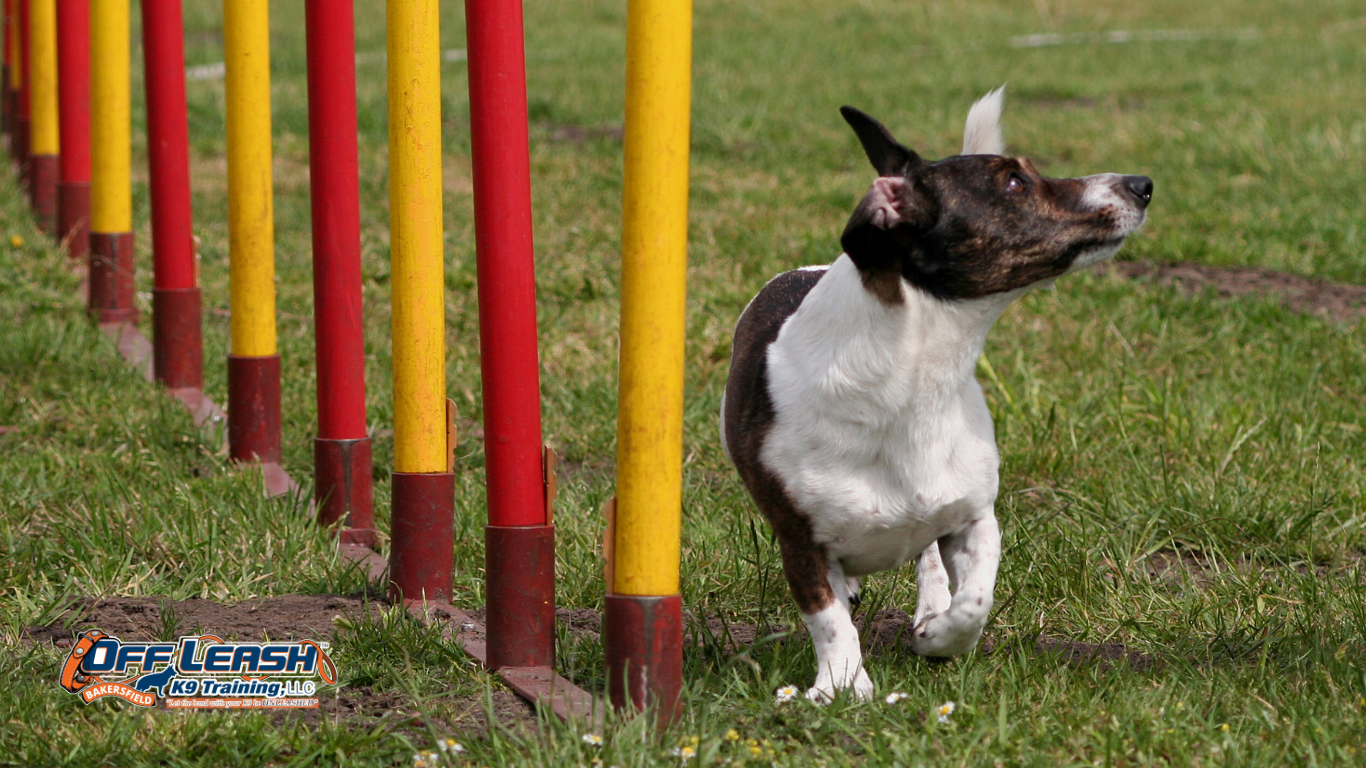
Why Dogs Thrive With Predictable Routines: Building Confidence Through Consistency
Dogs naturally seek patterns. Unlike people, who can understand schedules by reading a clock or calendar, dogs learn by recognizing repeated daily events. When life follows a consistent rhythm, dogs begin to predict what comes next, allowing them to relax and feel secure.
This is why dogs thrive with predictable routines. A structured day reduces uncertainty, which in turn lowers stress and helps dogs make better decisions. They know when to expect meals, exercise, rest, and interaction with their family, making it easier for them to remain calm throughout the day.
Dogs living with consistent routines often display:
- Better emotional regulation
- Improved obedience
- Greater confidence
- Reduced anxiety
- Faster learning
- Better sleep habits
- Fewer unwanted behaviors
- Easier transitions between activities
- More predictable energy levels
- Stronger relationships with their owners
By contrast, constantly changing schedules can leave some dogs feeling uncertain. Meals at random times, inconsistent walks, unpredictable training sessions, or irregular bedtime routines may increase excitement, frustration, or stress because the dog never knows what to expect.
Routine does not mean every minute of the day must be identical. Instead, it means creating enough consistency that your dog develops confidence in their daily life while still learning to adapt to occasional changes.
For Bakersfield dog owners, predictable routines create calmer households while improving success with obedience training, leash walking, crate training, puppy development, and behavior modification.
The encouraging news is that routines are easy to establish. Small daily habits, repeated consistently, often create remarkable improvements in behavior over time.
Key Takeaways
- Dogs naturally learn through predictable patterns.
- Routine reduces uncertainty and stress.
- Consistent schedules improve emotional regulation.
- Predictable routines support faster learning.
- Confidence grows when dogs know what to expect.
- Meals, walks, and rest benefit from consistency.
- Structured days improve household behavior.
- Positive routines strengthen the human-dog bond.
- Flexibility is still important within an overall routine.
- Most dogs become calmer and more confident when daily life follows a predictable structure.
What Does “Thrive With Predictable Routines” Mean?
When dogs thrive with predictable routines, they feel more secure because they know what to expect throughout the day. Regular schedules for meals, walks, training, playtime, and rest create a sense of stability that helps dogs relax and make better decisions.
Unlike humans, dogs cannot read clocks or calendars.
Instead, they recognize patterns.
Over time, they learn that certain events happen in a familiar sequence.
For example:
- Morning potty break
- Breakfast
- Walk
- Quiet rest
- Afternoon play
- Evening training
- Dinner
- Bedtime
As these patterns repeat, dogs begin anticipating what comes next.
Predictability reduces uncertainty.
When uncertainty decreases, many dogs become calmer, more confident, and easier to train.
Dogs that thrive with predictable routines often:
- Relax more easily
- Sleep better
- Respond more consistently to training
- Show improved emotional regulation
- Recover faster after excitement
- Display fewer unwanted behaviors
- Feel more confident in new situations
- Settle more quickly indoors
- Handle transitions better
- Develop stronger relationships with their owners
Routine does not mean every day must be identical.
Instead, it means creating enough consistency that your dog understands the general rhythm of daily life.
Why Dogs Naturally Seek Patterns
They quickly notice repeated events.
For example, many dogs recognize:
- The sound of a leash before a walk
- A food container opening
- Keys before a car ride
- A bedtime routine
- A family member arriving home
These predictable cues help dogs prepare emotionally for what comes next.
Why Dogs Love Routine
Routine provides information.
When dogs know what to expect, they spend less energy trying to predict what might happen.
That allows them to relax.
Predictability Creates Safety
In nature, uncertainty often meant danger.
Modern dogs still carry many of these survival instincts.
Unexpected changes may increase alertness because the brain automatically asks:
“Is something wrong?”
Predictable routines answer that question before it becomes stressful.
The dog learns:
“This is normal.”
Normal experiences become easier to process.
Routine Reduces Stress
Dogs that experience:
- Consistent feeding times
- Regular exercise
- Scheduled rest
- Predictable training
- Familiar bedtime routines
often show lower levels of daily stress than dogs living with constantly changing schedules.
Consistency helps the nervous system remain balanced.
Learning Becomes Easier
Training improves when dogs know what to expect.
For example:
Morning walk.
Short training session.
Breakfast.
Repeated consistently.
The dog quickly learns the routine and arrives mentally prepared to work.
Predictability supports faster learning.
How Routine Builds Confidence
Confidence develops when dogs repeatedly experience successful outcomes.
Routine creates opportunities for those successes every day.
Success Becomes Predictable
Imagine a puppy that always experiences:
- Calm walks
- Positive training
- Relaxing naps
- Pleasant mealtimes
Over time, these predictable experiences teach:
“The world is safe.”
Confidence grows through repetition.
Routine Reduces Uncertainty
Dogs rarely fear routines they understand.
Instead, uncertainty often creates anxiety.
Examples include:
Random meal times.
Unexpected long absences.
Inconsistent bedtime.
Changing household rules.
These situations may leave some dogs unsure about what will happen next.
Routine removes much of that uncertainty.
Puppies Especially Benefit
Young puppies are still learning how the world works.
Predictable routines help puppies develop:
- Confidence
- House-training habits
- Better sleep
- Emotional regulation
- Independence
Early structure provides an excellent foundation for lifelong learning.
Routine Supports Recovery
Even confident dogs become excited sometimes.
Routine helps them recover.
For example:
After an energetic play session…
the puppy knows quiet crate time comes next.
The predictable transition encourages relaxation.
The Connection Between Routine and Emotional Regulation
Emotional regulation is a dog’s ability to stay calm and recover after exciting, frustrating, or stressful situations.
Routine strengthens this ability.
Dogs begin understanding:
Play has a beginning.
Play has an end.
Walks happen every day.
Meals always come.
Owners return home.
This predictability reduces emotional extremes.
Anticipation Without Anxiety
Dogs naturally anticipate enjoyable events.
Healthy anticipation looks like:
- Wagging tails
- Excited waiting
- Calm attention
- Relaxed body language
Unhealthy anticipation often includes:
- Barking
- Pacing
- Jumping
- Whining
- Difficulty settling
Routine helps many dogs experience excitement without becoming overwhelmed.
Consistency Builds Self-Control
Repeated daily patterns create opportunities to practice:
- Waiting politely
- Going to Place
- Loose leash walking
- Settling after activity
- Calm greetings
These repeated habits gradually strengthen impulse control.
Daily Habits That Benefit Dogs
Small daily routines often create major improvements over time.
Helpful habits include:
Consistent Meal Times
Feeding at approximately the same times each day helps:
- Digestion
- House training
- Daily rhythm
- Predictability
Dogs quickly learn when meals are coming.
Scheduled Walks
Daily walks provide:
- Exercise
- Mental stimulation
- Sniffing opportunities
- Confidence-building
- Predictable activity
Even if the exact route changes, regular walking times help create structure.
Short Training Sessions
Five to ten minutes of daily training often produces better results than occasional long sessions.
Regular practice strengthens:
- Obedience
- Engagement
- Confidence
- Communication
Consistency matters more than duration.
Planned Rest Periods
Many dogs—especially puppies—benefit from scheduled downtime.
Rest supports:
- Learning
- Emotional recovery
- Physical development
- Better behavior
Overtired dogs often become:
- Mouthy
- Barky
- Hyperactive
- Easily frustrated
Routine naps help prevent these problems.
Predictable Bedtime
Dogs benefit from winding down at a similar time each evening.
A calm bedtime routine may include:
- A final potty break
- Quiet time
- Gentle interaction
- Settling on a bed or in a crate
Regular bedtime routines encourage deeper relaxation and better sleep quality.
When these healthy habits become part of everyday life, dogs no longer need to guess what comes next. Instead of constantly reacting to unpredictable changes, they begin trusting the rhythm of their day. This sense of security supports emotional regulation, improves learning, and creates a calmer, more confident companion who can enjoy daily life with greater ease.
Common Owner Mistakes
Although most owners want the best for their dogs, many unintentionally create unpredictable daily schedules that increase stress and make learning more difficult. Fortunately, small adjustments to everyday routines can make a significant difference.
Constantly Changing the Schedule
Life occasionally requires flexibility, but dramatic changes every day can leave some dogs feeling uncertain.
Examples include:
- Feeding at random times
- Walking at completely different hours
- Inconsistent bedtime
- Skipping exercise
- Training only occasionally
Dogs generally adjust better when the overall rhythm of the day remains predictable.
Inconsistent Household Rules
One family member allows the dog on the couch.
Another says no.
One person rewards jumping.
Another corrects it.
Mixed expectations make learning confusing.
Every family member should follow the same basic rules whenever possible.
Skipping Mental Enrichment
Routine is about more than feeding and exercise.
Dogs also benefit from regular mental stimulation such as:
- Short training sessions
- Food puzzle toys
- Nose work
- Problem-solving games
- Confidence-building exercises
Mental exercise helps reduce boredom and supports emotional regulation.
Expecting Constant Activity
Some owners believe dogs should always be entertained.
In reality, healthy routines include both activity and rest.
Without scheduled downtime, many dogs become:
- Overtired
- Hyperactive
- Mouthy
- Barky
- Easily frustrated
Teaching dogs how to relax is just as important as teaching obedience.
Changing Expectations Too Quickly
Owners sometimes expect immediate adaptation to new schedules.
Dogs generally adjust more successfully when changes occur gradually.
For example:
Instead of suddenly changing a walk from morning to evening, shift the time little by little over several days.
Gradual transitions reduce stress.
Building a Healthy Daily Routine
A good routine balances physical exercise, mental enrichment, training, social interaction, and rest.
The exact schedule will vary from one household to another, but consistency is the key.
Begin the Morning Calmly
Many dogs benefit from a predictable start to the day.
A simple morning routine might include:
- Potty break
- Short walk
- Breakfast
- Quiet relaxation
Beginning the day calmly often helps set the tone for the hours ahead.
Schedule Daily Training
Training does not need to be lengthy.
Five to ten minutes each day helps reinforce:
- Basic obedience
- Focus
- Impulse control
- Confidence
- Communication
Frequent practice builds stronger habits than occasional marathon sessions.
Include Mental Enrichment
Rotate enrichment activities such as:
- Food puzzles
- Snuffle mats
- Scent games
- Safe chew toys
- Trick training
These activities encourage problem-solving while reducing boredom.
Build Rest Into the Day
Dogs need opportunities to recover physically and emotionally.
Encourage regular rest periods after:
- Walks
- Training
- Play sessions
- Exciting outings
Rest allows the nervous system to reset and prepares the dog for future learning.
End the Day Predictably
A consistent evening routine may include:
- Final walk or potty break
- Quiet family time
- Relaxation on Place
- Bedtime at a similar hour each night
Predictable endings often improve sleep quality for both dogs and owners.
Thrive With Predictable Routines in Bakersfield
For Bakersfield dog owners, predictable routines make everyday life more enjoyable while improving training success.
Whether you live in a busy neighborhood or a quieter residential area, consistent routines help dogs adapt to:
- Morning walks
- Community parks
- Pet-friendly businesses
- Family schedules
- Veterinary visits
- Grooming appointments
- Car rides
- Household visitors
Professional dog training helps Bakersfield families establish routines that improve:
- Obedience
- Loose leash walking
- Emotional regulation
- Crate training
- Household manners
- Confidence in public
Long-Term Benefits of Structured Living
Dogs that thrive with predictable routines often enjoy lasting behavioral and emotional improvements.
Long-term benefits include:
- Greater confidence
- Reduced anxiety
- Better emotional regulation
- Improved focus
- Faster learning
- Better sleep habits
- Easier transitions throughout the day
- Stronger household manners
- Improved adaptability
- Stronger relationships with family members
Over time, these small daily habits create significant lifelong results.
Frequently Asked Questions
1. Why do dogs thrive with predictable routines?
Dogs learn through patterns. Consistent schedules help them understand what to expect, reducing uncertainty and making them feel more secure.
2. Do I need to follow the exact same schedule every day?
No. Small variations are perfectly normal. The goal is to maintain a general rhythm so your dog can anticipate meals, walks, rest, and training without every day being identical.
3. Can routine reduce anxiety?
Yes. Predictable routines often reduce stress because dogs spend less time wondering when important activities will happen.
4. Why does my dog become excited before dinner?
Dogs quickly recognize patterns. If dinner usually follows a walk or another routine event, they naturally learn to anticipate mealtime.
5. Are routines important for puppies?
Absolutely. Puppies benefit greatly from consistent schedules because they support house training, crate training, sleep habits, confidence, and emotional development.
6. What happens if my schedule changes?
Most dogs adapt well to occasional changes, especially if they already have a strong foundation of consistent routines. Gradual adjustments are often easier than sudden shifts.
7. Can routines improve obedience?
Yes. Dogs often learn faster when training occurs consistently as part of their daily schedule. Predictable practice strengthens communication and reliability.
8. How much exercise should be included in a routine?
The amount depends on your dog’s age, breed, health, and energy level. Pair physical exercise with mental enrichment for the best overall results.
9. Can professional training help establish routines?
Absolutely. Professional trainers can help families create practical daily routines that support obedience, confidence, emotional regulation, and good household manners.
10. Will routines make my dog less adaptable?
No. In fact, confident dogs with stable routines often adapt more easily to occasional changes because they have a strong emotional foundation. A predictable home life helps them recover more quickly when something unexpected happens.
Comprehensive Conclusion
Dogs thrive with predictable routines because consistency provides something every dog needs: a sense of security. When meals, walks, training sessions, playtime, and rest occur in a familiar pattern, dogs spend less time anticipating uncertainty and more time relaxing, learning, and enjoying their daily lives. This stability supports emotional regulation, strengthens confidence, and helps dogs make better decisions in both familiar and unfamiliar situations.
Routine also creates countless opportunities for positive learning. Every calm morning walk, every short training session, every scheduled nap, and every consistent bedtime reinforces healthy habits that become stronger over time. Rather than relying on constant correction, owners can shape behavior simply by creating a structured environment where success is easy and predictable.
For Bakersfield dog owners, establishing a daily routine offers benefits that extend far beyond the home. Dogs with consistent schedules are often calmer during neighborhood walks, more focused in training classes, easier to manage during veterinary visits, and more comfortable accompanying their families on everyday outings. These routines help prepare dogs for real-world situations while strengthening the bond between dog and owner.
Ultimately, routines are not about creating a rigid lifestyle—they are about providing stability in a changing world. By balancing exercise, mental enrichment, training, relaxation, and quality time together, owners give their dogs the confidence to handle life’s challenges with greater ease. Over time, those simple daily habits become the foundation for a calmer, happier, and more resilient companion who can thrive in every stage of life.
Website Contact Form
"*" indicates required fields