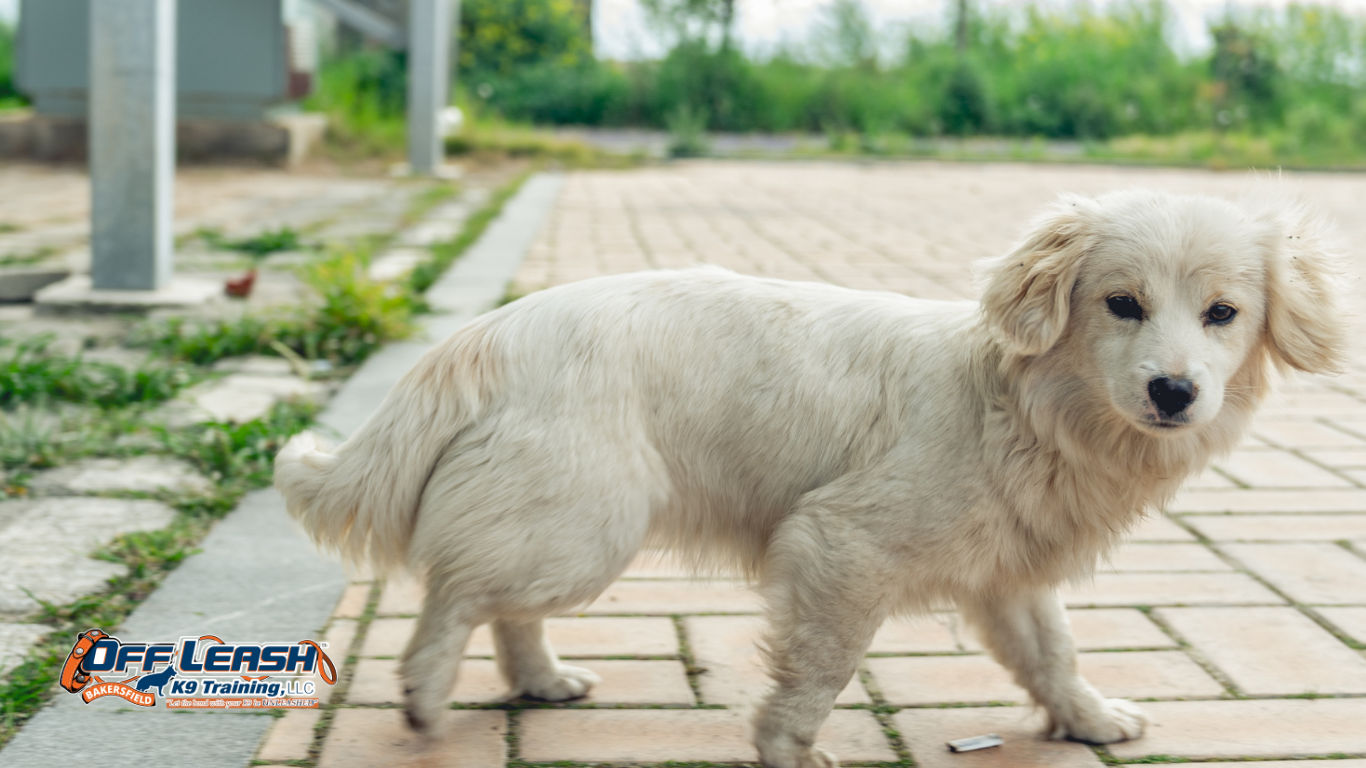
Shy Dogs Feel Safe Around Visitors: Helping Shy Dogs Feel Safe Around Visitors
Many dogs enjoy greeting guests with excitement, but others become quiet, withdrawn, or fearful the moment someone knocks on the door. If your goal is helping shy dogs feel safe around visitors, it’s important to understand that fearful behavior is usually driven by uncertainty rather than stubbornness.
For a shy dog, every visitor represents something unfamiliar. New voices, scents, body language, and movements can all feel overwhelming, especially if the dog has had limited socialization or negative experiences with strangers.
Shy dogs may respond by:
- Hiding behind furniture
- Retreating to another room
- Barking from a distance
- Trembling
- Avoiding eye contact
- Refusing treats
- Remaining frozen
- Watching visitors closely
- Pacing
- Taking a long time to relax
These behaviors are signs that the dog is trying to create safety, not misbehave.
Several factors may contribute to visitor anxiety, including:
- Limited early socialization
- Genetics
- Previous frightening experiences
- Lack of confidence
- Sensitivity to unfamiliar people
- Sudden movements
- Loud voices
- Unpredictable interactions
The good news is that confidence can be built over time. Through gradual exposure, positive reinforcement, predictable routines, and respectful introductions, shy dogs often become much more comfortable welcoming guests into the home.
For Bakersfield dog owners, improving visitor confidence not only creates a calmer household but also helps dogs feel more secure during veterinary visits, grooming appointments, neighborhood walks, and other everyday social situations.
Key Takeaways
- Shyness is usually rooted in fear or uncertainty.
- Never force a shy dog to greet visitors.
- Allow the dog to approach at their own pace.
- Positive associations build confidence.
- Calm routines reduce stress.
- Emotional regulation improves recovery.
- Visitors should avoid overwhelming interactions.
- Confidence grows through repeated positive experiences.
- Consistency is essential.
- Most shy dogs become more comfortable around visitors with patient, structured training.
What Does “Shy Dogs Feel Safe Around Visitors” Mean?
Helping shy dogs feel safe around visitors means teaching them that unfamiliar people entering the home are not a threat. Instead of reacting with fear, hiding, trembling, or excessive barking, the goal is for the dog to remain calm, confident, and emotionally balanced while visitors come and go.
Many owners assume shy dogs simply need “more socialization.”
In reality, shy dogs need positive experiences—not forced interactions.
Confidence develops when dogs are allowed to observe unfamiliar people at a pace they can comfortably handle.
A shy dog may:
- Hide behind furniture
- Retreat to another room
- Bark from a distance
- Tremble
- Avoid eye contact
- Refuse treats
- Stay frozen in place
- Watch visitors closely
- Pace around the room
- Take a long time to relax
These behaviors are signs of uncertainty rather than disobedience.
Understanding this helps owners focus on building trust instead of forcing greetings.
Why Every Visitor Feels Different
Every new person brings unfamiliar:
- Voices
- Smells
- Clothing
- Body language
- Movements
- Energy levels
While humans quickly recognize visitors as harmless guests, dogs must evaluate each person individually.
For naturally cautious dogs, this process takes time.
Why Some Dogs Are Naturally Shy
Every dog is born with a unique personality.
Some puppies confidently explore everything.
Others naturally approach new experiences more cautiously.
Neither personality is “wrong.”
However, shy dogs often need additional support while learning about the world.
Several factors influence confidence.
Genetics
Temperament is partially inherited.
Some bloodlines naturally produce dogs that are:
- More cautious
- More sensitive
- More observant
- Slower to trust strangers
These traits are normal and do not necessarily indicate poor behavior.
Early Socialization
The first several months of life play a major role in confidence development.
Puppies exposed to a wide variety of:
- People
- Sounds
- Environments
- Objects
- Gentle handling
often develop greater confidence later in life.
Limited exposure may leave puppies uncertain when encountering unfamiliar situations.
Previous Experiences
A single frightening event may influence future behavior.
Examples include:
- A visitor startling the puppy
- Rough handling
- Loud voices
- Children chasing the dog
- Painful veterinary experiences
Dogs naturally remember emotionally significant events.
Personality Differences
Some dogs simply prefer observing before interacting.
These dogs often:
- Watch carefully
- Move slowly
- Approach cautiously
- Take longer to relax
Respecting this natural personality often builds confidence more effectively than pushing for immediate interaction.
Fear vs. Caution Around New People
Not every shy dog is frightened.
Some are simply cautious.
Understanding the difference helps owners respond appropriately.
Fearful Dogs May:
- Tremble
- Hide
- Refuse treats
- Avoid eye contact
- Tuck their tail
- Attempt to escape
Their primary goal is increasing distance from unfamiliar people.
Cautious Dogs May:
- Observe quietly
- Sniff from a distance
- Watch visitors closely
- Approach slowly
- Retreat briefly before returning
These dogs are gathering information before deciding whether interaction feels safe.
Why Caution Can Be Healthy
Caution is not necessarily a problem.
Many emotionally balanced dogs naturally:
- Observe first
- Think before acting
- Approach gradually
These thoughtful behaviors often prevent impulsive reactions.
Training should support confidence without eliminating healthy caution.
Common Visitor Triggers
Certain visitor behaviors naturally feel more intimidating to shy dogs.
Common triggers include:
- Direct eye contact
- Leaning over the dog
- Fast movements
- Loud voices
- Children running
- Reaching toward the dog’s head
- Large groups
- Unfamiliar scents
- Hats
- Sunglasses
Even friendly visitors may accidentally overwhelm a cautious dog.
Entry Excitement
The moment someone enters the home often produces the highest emotional arousal.
Dogs experience:
- Doorbells
- Knocking
- Opening doors
- New voices
- Increased household movement
These events occur simultaneously, making greetings especially challenging.
Reading Body Language Around Guests
Dogs almost always communicate discomfort before barking or retreating.
Recognizing early body language allows owners to reduce stress before fear escalates.
Common signs include:
- Lip licking
- Yawning
- Looking away
- Slow movement
- Lowered body posture
- Tucked tail
- Ears pinned back
- Paw lifting
- Trembling
- Freezing
These subtle signals often appear long before obvious barking or hiding begins.
Distance Is Communication
Many shy dogs simply ask for space.
If allowed to maintain comfortable distance, they often relax much more quickly.
Respecting this communication builds trust.
Emotional Regulation During Greetings
Emotional regulation allows dogs to remain calm when unfamiliar people enter the home.
Dogs with strong emotional regulation can:
- Notice visitors.
- Stay relaxed.
- Observe quietly.
- Accept treats.
- Recover quickly after greetings.
- Choose whether to approach.
These skills improve through gradual, positive experiences rather than forced interaction.
Helpful confidence-building exercises include:
- Place training
- Rewarding calm observation
- Controlled visitor introductions
- Engagement games
- Short greeting sessions
- Distance-based exposure
- Relaxation exercises
Each successful experience teaches the dog that visitors are predictable and safe. Over time, repeated positive interactions replace uncertainty with confidence, allowing shy dogs to recover more quickly, remain emotionally balanced during greetings, and approach unfamiliar people on their own terms. As trust grows, many dogs become increasingly comfortable welcoming visitors into the home without feeling pressured or overwhelmed.
Common Owner Mistakes
Helping shy dogs feel safe around visitors requires patience and careful management. Many owners unintentionally increase their dog’s anxiety by encouraging interactions before the dog is emotionally ready.
Recognizing these common mistakes allows owners to build trust while helping shy dogs develop lasting confidence.
Forcing Greetings
One of the most common mistakes is encouraging visitors to immediately pet the dog.
Owners may say:
- “Go say hello.”
- “He’s friendly.”
- “She just needs to meet you.”
For a shy dog, being approached before they feel comfortable can increase fear.
Instead, allow the dog to decide if and when they want to approach.
Choice builds confidence.
Letting Visitors Lean Over the Dog
Many people instinctively bend over a dog’s head to pet them.
From a shy dog’s perspective, this posture can appear intimidating.
Instead, visitors should:
- Stand sideways.
- Avoid direct eye contact.
- Let the dog approach first.
- Keep movements slow and relaxed.
This creates a much less threatening interaction.
Punishing Fearful Behavior
If a shy dog barks, hides, or retreats, punishment often increases anxiety.
Fear is an emotional response—not disobedience.
Instead of correcting the behavior, focus on helping the dog feel safe enough that barking or hiding becomes unnecessary.
Expecting Immediate Progress
Confidence develops through many small successes.
Expecting a shy dog to welcome visitors after one or two training sessions often leads to disappointment.
Celebrate gradual improvements such as:
- Looking at visitors calmly
- Accepting treats
- Remaining in the same room
- Recovering more quickly
- Choosing to approach voluntarily
These milestones indicate meaningful progress.
Ignoring Early Stress Signals
Owners sometimes wait until barking or hiding begins before intervening.
However, early body language provides valuable information.
Watch for:
- Lip licking
- Looking away
- Freezing
- Lowered posture
- Tail tucked
- Ears pinned back
Responding early helps prevent fear from escalating.
Teaching Shy Dogs to Welcome Visitors
The goal is not to make every dog love strangers.
The goal is helping them remain calm, confident, and emotionally secure when visitors arrive.
Create Distance First
Allow your dog to observe visitors from a comfortable distance.
Many shy dogs relax more quickly when they know they have space.
Avoid encouraging immediate interaction.
Distance often creates confidence.
Reward Calm Observation
Whenever your dog notices a visitor without reacting fearfully:
- Offer quiet praise.
- Give a favorite treat.
- Remain relaxed.
This teaches your dog that calm behavior around people leads to positive outcomes.
Teach Place
Place training gives shy dogs a predictable location where they can relax.
When visitors arrive, your dog learns to:
- Go to their bed.
- Lie down.
- Observe calmly.
- Receive rewards.
Having a familiar routine often reduces uncertainty.
Allow the Dog to Initiate Contact
If your dog becomes curious:
Let them approach.
If they choose to walk away:
Respect their decision.
Giving dogs control over greetings often builds trust more quickly than encouraging interaction.
Practice With Calm Visitors
Begin with people who understand your training goals.
Ask visitors to:
- Ignore the dog initially.
- Avoid reaching toward them.
- Speak softly.
- Toss treats nearby if appropriate.
These controlled experiences build confidence over time.
Shy Dogs Feel Safe Around Visitors in Bakersfield
For Bakersfield dog owners, confidence around visitors improves many aspects of everyday life.
Dogs regularly encounter unfamiliar people during:
- Family gatherings
- Neighborhood walks
- Veterinary visits
- Grooming appointments
- Delivery visits
- Outdoor restaurants
- Community events
- Pet-friendly businesses
Professional dog training helps Bakersfield owners improve:
- Visitor manners
- Emotional regulation
- Confidence building
- Relaxation skills
- Place training
- Appropriate greetings
Real-world practice helps shy dogs develop confidence that extends far beyond the home.
Long-Term Benefits of Confidence Training
Helping shy dogs feel safe creates lasting improvements in behavior and overall well-being.
Long-term benefits include:
- Increased confidence
- Reduced fear
- Better emotional regulation
- Faster recovery after surprises
- Improved social skills
- Better focus during training
- Reduced barking
- Easier veterinary visits
- More enjoyable public outings
- Stronger relationship with owners
As confidence grows, many dogs become more adaptable and less overwhelmed by unfamiliar situations.
Frequently Asked Questions
1. Why is my dog afraid of visitors?
Many shy dogs are naturally cautious, had limited early socialization, or experienced frightening situations involving unfamiliar people. Fear is usually rooted in uncertainty rather than aggression.
2. Should visitors pet my shy dog?
Not immediately. Allow your dog to approach voluntarily if they feel comfortable. Forced interaction often delays confidence building.
3. Is hiding a bad behavior?
No. Hiding is a coping strategy. Your dog is creating distance to feel safe. Punishing hiding can increase anxiety.
4. Can treats help shy dogs?
Yes. High-value treats can create positive associations with visitors, provided your dog is relaxed enough to eat.
5. Why won’t my dog take treats around guests?
Refusing food often indicates that your dog is above their emotional threshold. Increasing distance usually helps them relax enough to accept treats again.
6. Does Place training help shy dogs?
Absolutely. Place provides a predictable, comfortable location where dogs can observe visitors without feeling pressured to interact.
7. Can professional training improve visitor confidence?
Yes. Professional trainers create structured exposure plans that gradually build confidence while preventing overwhelming experiences.
8. Should children greet a shy dog?
Children should always be supervised and encouraged to allow the dog space. Calm, predictable interactions are much less intimidating than enthusiastic greetings.
9. Will my shy dog ever enjoy visitors?
Many shy dogs become significantly more comfortable over time. While some may always be naturally reserved, they can still learn to remain calm and relaxed around guests.
10. How long does confidence training take?
Every dog progresses differently. Some improve within weeks, while others require several months of consistent positive experiences. Slow, steady progress produces the most reliable long-term results.
Comprehensive Conclusion
Helping Shy Dogs Feel Safe Around Visitors is not about forcing social interaction—it is about creating an environment where dogs feel secure enough to make confident choices. Shy dogs are often responding to unfamiliar people with caution because they are unsure what will happen next. By respecting their need for space, recognizing early signs of stress, and allowing them to approach visitors on their own terms, owners replace uncertainty with trust.
Confidence develops gradually through repeated positive experiences. Rewarding calm observation, practicing Place training, introducing visitors in a predictable way, and avoiding overwhelming interactions all help dogs learn that unfamiliar people do not represent danger. As emotional regulation improves, many shy dogs recover more quickly from greetings and begin showing greater curiosity instead of fear.
For Bakersfield dog owners, these confidence-building skills provide benefits that extend well beyond welcoming guests into the home. Dogs that feel comfortable around visitors often become calmer during veterinary appointments, grooming sessions, neighborhood walks, and community events. The confidence they build in one setting frequently carries over into many other areas of daily life.
Ultimately, every shy dog deserves the opportunity to develop confidence at their own pace. With patience, consistency, and positive reinforcement, even naturally cautious dogs can learn to feel safe around visitors. Rather than trying to change their personality, successful training helps them become the best version of themselves—a calm, secure companion capable of navigating new social situations with trust and emotional balance.
Website Contact Form
"*" indicates required fields