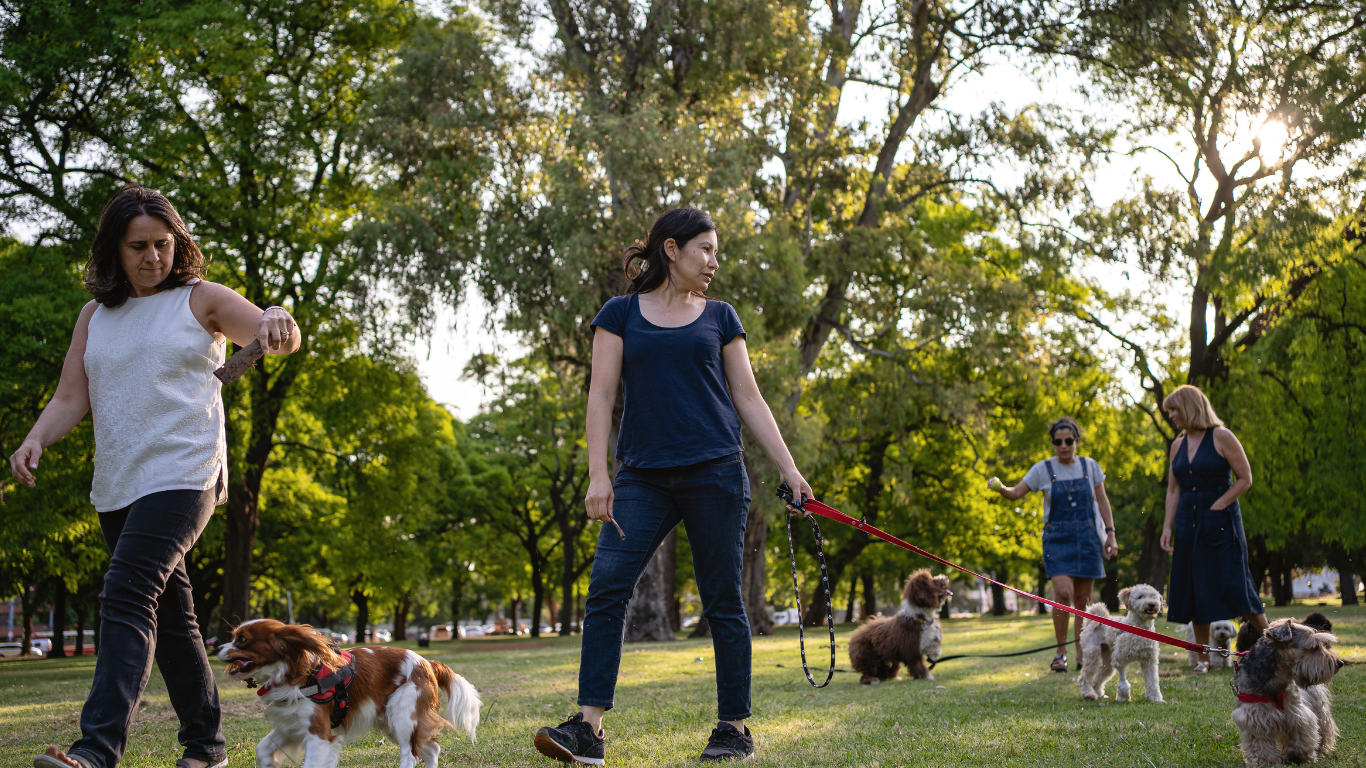
Public Manners: Why Dogs Need Better Public Manners
Public Manners are one of the most important skills a dog can develop, yet they are often overlooked by many owners. While basic obedience commands such as sit, down, stay, and come are important, those commands only become truly valuable when a dog can perform them reliably in public environments filled with distractions.
Many owners are surprised when a dog that behaves perfectly at home suddenly becomes difficult to manage in public. A dog may listen well in the living room but completely ignore commands at a park, shopping center, outdoor restaurant, apartment complex, or neighborhood event. This happens because public environments challenge emotional regulation, impulse control, and focus in ways that home environments do not.
Public manners refer to a dog’s ability to behave appropriately around people, dogs, noises, movement, and everyday distractions. A dog with strong public manners can remain calm and respectful without becoming overly excited, reactive, anxious, or impulsive.
Examples of good public manners include:
- Walking politely on leash
- Ignoring unnecessary distractions
- Remaining calm around strangers
- Not jumping on people
- Staying focused around other dogs
- Settling quietly in public settings
- Waiting patiently when asked
- Responding reliably to commands
For example:
- Pulling toward people
- Barking at dogs
- Jumping on visitors
- Lunging at distractions
- Whining in public
- Hyperactivity during outings
- Ignoring commands outdoors
Busy public areas throughout Bakersfield constantly expose dogs to distractions. Parks, outdoor shopping centers, sidewalks, sporting events, apartment complexes, restaurants, and community gatherings all challenge a dog’s emotional control. Without proper training, many dogs struggle to remain calm and focused in these situations.
Teaching public manners helps dogs become more adaptable, more confident, and easier to manage in everyday life. It also creates safer and more enjoyable experiences for both the dog and the owner.
Key Takeaways
- Public manners improve behavior in real-world environments
- Dogs need practice beyond basic obedience commands
- Good public manners reduce pulling, barking, and jumping
- Emotional regulation plays a major role in public behavior
- Structured exposure improves confidence and reliability
- Public manners help dogs stay calm around distractions
- Consistency is essential for long-term success
- Real-world training builds dependable obedience
- Better manners create more enjoyable outings
- Public manners improve overall quality of life
What Are Public Manners for Dogs?
These skills include:
- Walking politely on leash
- Remaining calm around strangers
- Ignoring unnecessary distractions
- Waiting patiently
- Settling quietly when required
- Respecting personal space
- Responding reliably to commands
Public manners help dogs navigate everyday life successfully.
Why Public Manners Matter
Many dogs spend most of their lives around people, other animals, and public environments.
Without public manners, simple outings can become stressful and frustrating.
Good public manners help dogs:
- Stay safer
- Experience less stress
- Enjoy more freedom
- Build confidence
- Improve social interactions
Well-mannered dogs are often welcomed in more places and situations.
Why Home Obedience Is Not Enough
Many owners train their dogs only at home.
While home training is important, it does not automatically prepare dogs for public environments.
Public settings introduce:
- Noise
- Movement
- Other dogs
- Strangers
- Food distractions
- Environmental stimulation
Dogs need specific training to succeed around these challenges.
Common Signs of Poor Public Manners
Dogs lacking public manners often display:
- Pulling on leash
- Jumping on people
- Barking excessively
- Lunging toward dogs
- Ignoring commands
- Whining in public
- Hyperactivity
- Difficulty settling
These behaviors often indicate a need for more real-world training.
Why Dogs Become Overexcited in Public
Public environments are exciting.
Dogs encounter:
- New smells
- New people
- New sounds
- New experiences
This stimulation often increases emotional arousal.
When excitement becomes too high, dogs struggle to:
- Focus
- Listen
- Control impulses
- Make good decisions
Emotional Regulation and Public Manners
Many public behavior issues stem from poor emotional regulation.
Dogs that regulate emotions effectively often:
- Stay calmer
- Recover faster
- Ignore distractions
- Respond more reliably
Emotional balance is one of the foundations of good public manners.
Why Public Manners Improve Safety
A dog with poor public manners can create safety concerns.
Examples include:
- Pulling into traffic
- Lunging at strangers
- Jumping on children
- Running toward distractions
Public manners improve control and reduce risk.
Why Public Manners Improve Confidence
Confidence grows when dogs understand how to navigate the world successfully.
Dogs with strong public manners often:
- Feel more comfortable in new environments
- Recover from surprises quickly
- Adapt better to change
- Remain calmer during outings
Confidence and public manners often improve together.
The Importance of Leash Manners
Leash manners are a major part of public behavior.
Dogs should learn to:
- Walk calmly
- Avoid pulling
- Stay engaged with the handler
- Ignore distractions appropriately
Better leash manners create more enjoyable walks.
Why Dogs Need Patience in Public
Public environments require patience.
Dogs often need to:
- Wait at doors
- Sit calmly near people
- Remain settled during events
- Ignore food and distractions
Patience helps dogs remain emotionally balanced.
Why Jumping Is a Public Manners Problem
Many owners accidentally reinforce jumping behavior.
Jumping often occurs because:
- Dogs become excited
- Greetings lack structure
- Impulse control is weak
Teaching calm greetings improves public manners significantly.
Why Barking Can Create Problems
Excessive barking often disrupts public experiences.
Dogs may bark because of:
- Excitement
- Anxiety
- Frustration
- Reactivity
Public manners training helps reduce unnecessary barking.
Why Dogs Need Neutrality
Neutrality means dogs can observe the world calmly without reacting to everything.
Neutral dogs:
- Notice distractions
- Stay emotionally balanced
- Avoid overreacting
- Maintain focus
Neutrality is one of the most valuable public skills.
Public Manners Around Other Dogs
Many dogs struggle around other dogs in public.
Common issues include:
- Pulling
- Lunging
- Barking
- Hyper-fixation
Public manners help dogs remain calm and controlled during encounters.
Public Manners Around Strangers
Dogs should learn how to:
- Remain calm around people
- Respect personal space
- Avoid jumping
- Stay responsive to commands
These skills improve public interactions dramatically.
Why Impulse Control Matters
Impulse control helps dogs:
- Delay reactions
- Make better decisions
- Stay calmer around distractions
- Respond consistently
Impulse control is closely connected to public manners.
Structured Training Builds Better Public Manners
Effective training focuses on:
Consistency
Rules should remain predictable.
Calm Behavior
Calmness should be rewarded regularly.
Real-World Exposure
Dogs need practice in realistic environments.
Gradual Difficulty
Distractions should increase slowly over time.
Why Real-World Training Matters
Dogs improve public manners through practice in:
- Parks
- Sidewalks
- Shopping areas
- Apartment complexes
- Outdoor events
Training in real environments creates reliable behavior.
Public Manners in Bakersfield
Common locations include:
- Public parks
- Shopping centers
- Outdoor restaurants
- Neighborhood sidewalks
- Community events
Structured Bakersfield dog training helps dogs improve:
- Leash manners
- Public obedience
- Emotional regulation
- Focus around distractions
- Confidence in public settings
Common Mistakes Owners Make
Many owners unintentionally weaken public manners by:
- Allowing pulling on leash
- Rewarding excitement
- Using inconsistent rules
- Skipping real-world training
- Repeating commands constantly
Consistency and structure create better results.
Long-Term Benefits of Better Public Manners
Dogs with strong public manners often become:
- Easier to handle
- More confident
- Less reactive
- More adaptable
- Better companions
Good public behavior improves everyday life significantly.
Frequently Asked Questions
1. What are public manners for dogs?
Public manners are behaviors that allow dogs to remain calm, respectful, and responsive in public environments.
2. Why does my dog behave differently in public?
Public environments contain more distractions, stimulation, and emotional pressure than home environments.
3. Can public manners be taught?
Yes. Structured training and real-world practice improve public behavior significantly.
4. Why is neutrality important?
Neutrality helps dogs observe distractions calmly without overreacting emotionally.
5. Can professional training improve public manners?
Conclusion
Public Manners are essential for helping dogs navigate the modern world successfully. While basic obedience provides an important foundation, true reliability comes from teaching dogs how to remain calm, focused, and respectful in real-world environments filled with distractions.
Dogs with strong public manners are safer, easier to manage, more confident, and more enjoyable to take on outings. They can walk politely, remain calm around strangers and dogs, settle appropriately in public settings, and respond reliably despite environmental stimulation.
For Bakersfield dog owners, public manners training is especially valuable because dogs regularly encounter busy parks, sidewalks, shopping centers, apartment communities, and community events. Structured training helps dogs develop emotional regulation, impulse control, confidence, and dependable behavior in these environments.
With patience, consistency, and real-world practice, dogs can learn the public manners needed to become calm, reliable companions wherever they go.
"*" indicates required fields