Fearful Dog: Professional Fearful Dog Trainer in Bakersfield
Every year, thousands of dogs exhibit signs of fear due to various reasons, transforming their lives and the lives of their owners into a challenge. In Bakersfield, professional fearful dog trainers have made significant strides to address this issue. Their tools and expertise offer hope, demonstrating remarkable changes in dog behavior.
Historically, dog training in Bakersfield has evolved, incorporating advanced techniques that cater specifically to fearful dogs. With consistent success stories, statistics reveal that over 70% of dogs show improvement after structured training sessions. These trainers employ strategies that both respect and nurture the dog’s emotional well-being, providing a holistic solution to combat fearfulness.
Expert fearful dog trainers in Bakersfield specialize in alleviating anxiety in dogs through tailored, humane methods. They use techniques such as desensitization and counter-conditioning to transform fearful behaviors into confidence. Their expertise ensures effective behavior modification, providing both immediate relief and long-term improvement for dogs impacted by fear.

Fearful Dog: Professional Fearful Dog Trainer in Bakersfield
Fearful dogs face many challenges that can affect their quality of life. Professional dog trainers in Bakersfield have specialized skills to help these dogs. They use various techniques to reduce anxiety and build confidence in dogs. Training sessions are tailored to each dog’s specific fears. This personalized approach is essential for effective results.
One of the key methods used by trainers is desensitization. This technique involves exposing dogs to their fears in a controlled manner. Gradually, the dog becomes less reactive to the fear-inducing stimuli. Trainers also use positive reinforcement to encourage desired behaviors. This helps to create a safe and supportive environment for learning.
Professional fearful dog trainers in Bakersfield come with extensive experience. They can identify the root causes of a dog’s fear and address them effectively. Many have years of experience and certifications in animal behavior. Their expertise makes a significant difference in the lives of fearful dogs. This training not only helps the dogs but also brings peace of mind to their owners.
Choosing the right trainer is crucial for your dog’s success. Look for trainers with a proven track record in handling fearful dogs. It’s also important to check their certifications and training methods. A good trainer will use humane methods and provide a structured training plan. This ensures that your dog receives the best possible care.
Key Signs of Fearful Behavior in Dogs
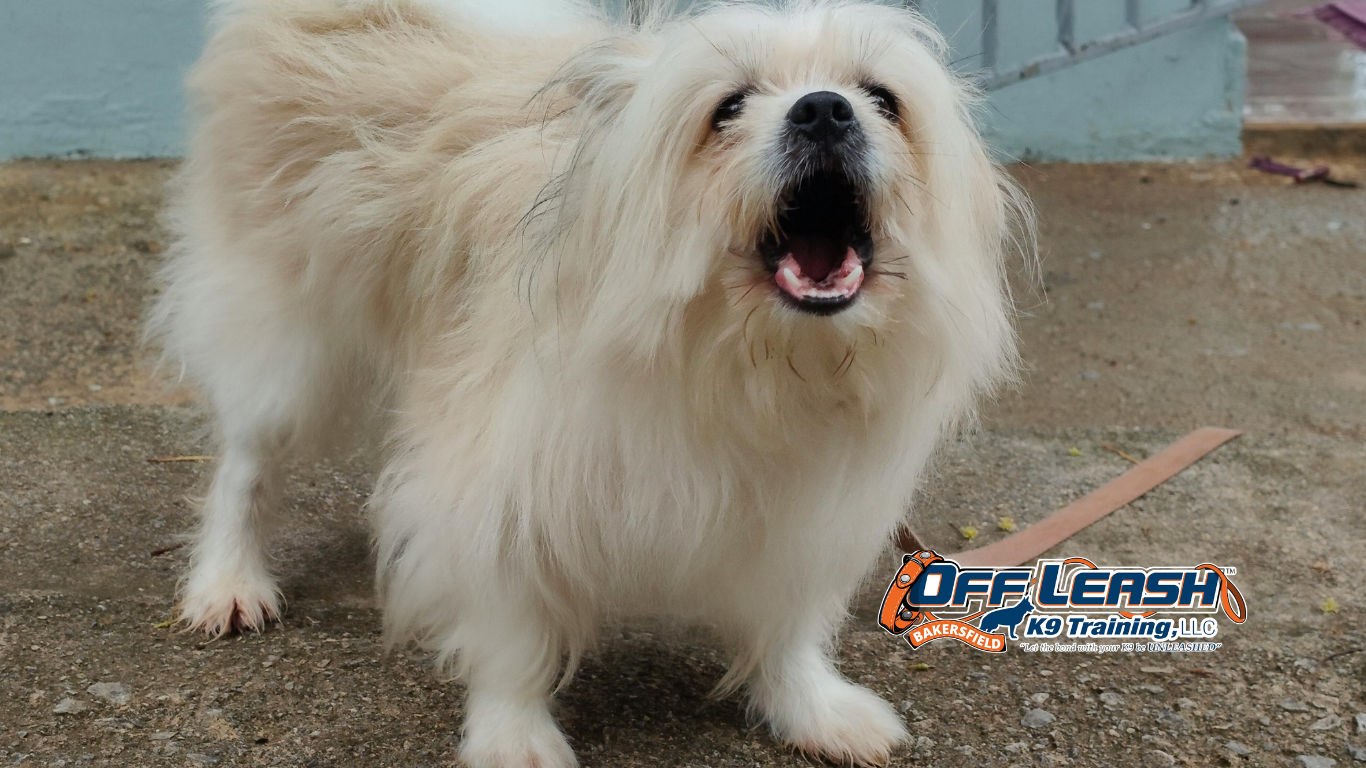
Understanding the signs of fearful behavior in dogs is crucial for helping them. One common sign is excessive barking, especially when faced with new situations or people. Dogs may also show fear by trembling or shaking. Another indicator is attempting to hide or escape from the perceived threat. Recognizing these behaviors early can help in addressing the fear effectively.
In addition to these signs, fearful dogs might display aggression. This can include growling, snapping, or biting when they feel cornered. Fear-induced aggression is different from regular aggressive behavior. It is critical to approach a fearful, aggressive dog calmly and patiently. Reducing fear can help diminish aggressive behaviors in dogs.
Some fearful dogs may display physical stress signs. These can include drooling, panting, or even vomiting. They might also have accidents indoors even if they are house-trained. Physical symptoms are often accompanied by changes in body language, such as cowering or ears pinned back. Monitoring these signs can provide insights into the dog’s emotional state.
Another key sign of fear is avoidance behavior. Fearful dogs may refuse to go near certain objects or people. They might also freeze in place when scared. Avoidance is their way of coping with fear. Noticing avoidance behavior can help in creating a plan to gradually expose the dog to its fears in a controlled manner.
How Professional Trainers Address Fear in Dogs
Professional trainers use a variety of techniques to help fearful dogs. One common method is counter-conditioning, which changes the dog’s negative reactions to positive ones. This involves pairing the fear-inducing stimulus with something the dog loves, like treats or toys. Over time, the dog starts to associate the once-feared object or situation with something positive. This helps reduce fear and anxiety.
Desensitization is another important technique. This process exposes the dog to the fear source gradually and at a low intensity. The idea is to slowly increase the exposure level as the dog becomes more comfortable. This step-by-step approach aims to lessen the dog’s fear response. It’s a controlled and patient method, requiring consistency from the trainer.
Using a combination of positive reinforcement and clear communication is essential. Trainers reward the dog for calm behavior and correct responses. This encourages the dog to repeat those behaviors, building confidence over time. Clear communication helps dogs understand what is expected of them. This builds trust between the dog and the trainer, which is crucial for progress.
In some cases, trainers might use specialized equipment. This can include calming aids like wraps that apply gentle pressure, mimicking a comforting hug. Sometimes, soothing music or pheromone diffusers help create a calm environment. The goal is always to help the dog feel safe and secure. Each tool and technique is selected based on the dog’s specific needs.
Benefits of Professional Training for Fearful Dogs
Professional training provides numerous benefits for fearful dogs. One of the most significant advantages is improved behavior. Well-trained dogs are less likely to react aggressively or destructively. This can make home life much smoother for both the dog and the owner. Reduced fear can also lead to a happier and more confident dog.
Training also enhances the bond between the dog and its owner. Through consistent training sessions, dogs learn to trust their owners more. This trust is crucial for a strong and healthy relationship. It makes communication easier, ensuring the dog feels safe and understood. This can lead to a more harmonious living environment.
Another benefit is the socialization opportunities provided by professional training. Fearful dogs often struggle in social settings. Professional trainers can create controlled environments where dogs can interact safely. This helps the dog learn to cope with new situations and other animals. Over time, the dog becomes more comfortable and less fearful.
Health improvements are another advantage of proper training. Fearful dogs often experience high stress levels that can affect their physical health. Through training, stress levels decrease, leading to better overall health. Regular mental and physical exercise during training sessions also keeps the dog fit and healthy. Less stress means fewer health problems.
Having a professionally trained dog can also offer peace of mind for the owner. Knowing that their dog can cope with various situations reduces worries. It allows for more enjoyable outings and interactions with others. Owners can feel more confident in their dog’s behavior, making shared activities more fun. This mutual trust enhances the overall quality of life for both the dog and the owner.
Choosing the Right Fearful Dog Trainer in Bakersfield
When selecting a trainer for your fearful dog, it’s essential to look at their experience. Trainers should have a proven track record of working with fearful dogs. Reviews and testimonials can provide insight into their success rates. A trainer with experience knows how to handle various fear-related behaviors. This expertise is crucial for ensuring effective training.
Another critical factor is the trainer’s certification. Look for trainers who are certified by reputable organizations. Certification ensures that the trainer has undergone proper training. It also indicates their commitment to professional standards. This can add an extra layer of trust for dog owners.
It’s also essential to observe the trainer in action. Attend a session if possible to see their methods firsthand. Pay attention to how they interact with the dogs. Are they patient and positive in their approach? Observing them can help you decide if they are a good fit for your dog.
Training techniques used by the trainer are equally important. Humane methods that focus on positive reinforcement are ideal. Avoid trainers who use harsh or punitive measures. Positive reinforcement helps build trust and encourages good behavior. It is especially beneficial for fearful dogs.
Communication is a key element in choosing a trainer. A good trainer should provide clear instructions and updates on your dog’s progress. They should also be willing to explain their methods and answer any questions. Open communication ensures that you are involved and can continue the training at home.
Tips for Supporting Your Fearful Dog at Home
Creating a safe space for your fearful dog is essential. This can be a quiet room or a cozy crate where the dog can retreat when feeling scared. Make sure this area is comfortable and has familiar items like their favorite toys or blanket. Having a designated safe space can help reduce anxiety. It gives the dog a sense of security.
Maintaining a consistent routine can also support your fearful dog. Dogs thrive on predictability, so keep feeding and walking times the same each day. Sudden changes can increase anxiety. A stable routine helps the dog know what to expect. This can make them feel more secure and less stressed.
Using calming aids can be beneficial for fearful dogs. Products like calming collars, sprays, or diffusers can help soothe anxious dogs. These items often contain pheromones that mimic the calming scent produced by mother dogs. They can help create a relaxing environment. This can make it easier for the dog to stay calm.
Positive reinforcement is key to building your dog’s confidence. Reward your dog for showing calm behavior, especially in situations that typically cause fear. Use treats, praise, or playtime as rewards. This encourages your dog to repeat these positive behaviors. Consistency in using positive reinforcement is important.
Gradual exposure to fear-inducing situations can help desensitize your dog. Start with low-intensity versions of the feared event and slowly increase the exposure. For example, if your dog is afraid of loud noises, start with soft sounds and gradually increase the volume. This helps the dog build tolerance over time. Be patient and take it slow.
Finally, consider seeking support from a professional trainer if needed. Sometimes, home methods may not be enough. A professional can provide customized training plans and additional support. They can help address specific fears more effectively. Working together can lead to better results for your dog.
Frequently Asked Questions
Professional trainers in Bakersfield are skilled in helping fearful dogs overcome their anxieties. Here are some common questions and answers related to this topic.
1. How can I tell if my dog is fearful?
Fearful dogs often show specific behaviors such as trembling, hiding, or excessive barking. These signs can also include aggression, such as growling or snapping when cornered. By observing these behaviors, you can identify if your dog is dealing with fear issues.
Other signs include physical symptoms like drooling, panting, or even vomiting indoors. Avoidance behavior, such as refusing to go near certain objects, can also indicate fear. Recognizing these cues early can help you seek the right professional training.
2. What techniques do professional trainers use for fearful dogs?
One common method is desensitization, which involves exposing the dog to fear-inducing stimuli in a controlled way. Over time, the dog becomes less reactive to these stimuli, reducing overall fear. Trainers also use counter-conditioning to change the dog’s negative reactions into positive ones.
Positive reinforcement is another key technique. Trainers reward the dog for calm behavior, encouraging positive actions. This builds the dog’s confidence and trust in their environment, making them less fearful over time.
3. Are there any at-home methods to calm a fearful dog?
Creating a safe, quiet space for your dog to retreat can help reduce anxiety. Consistent routines for feeding and walking can also make your dog feel more secure. Introducing calming aids like sprays or diffusers can create a soothing environment.
Using positive reinforcement at home by rewarding calm behavior can further build your dog’s confidence. Gradually exposing your dog to fear-inducing situations in a controlled manner can also desensitize them to these triggers.
4. What qualifications should I look for in a professional dog trainer?
Look for trainers with certifications from reputable organizations and a proven track record. Experience in handling fearful dogs is crucial for effective training. Checking reviews and testimonials can provide insight into their success rates.
Observing a trainer’s session can also help determine if their methods align with your dog’s needs. Ensure they use humane, positive reinforcement techniques rather than harsh methods.
5. How long does it take for a fearful dog to show improvement with training?
The duration varies depending on the dog’s specific issues and the consistency of training. Some dogs may show improvement in a few weeks, while others may take several months. Patience and consistency are key for successful behavior modification.
Regular training sessions combined with at-home reinforcement can speed up the process. Working closely with a professional trainer ensures that progress is tracked and adjustments are made as needed.
Conclusion
Professional training for fearful dogs in Bakersfield provides a structured path to reduce anxiety and build confidence. The use of tailored, humane methods ensures effective behavior modification. With the right trainer, dogs can transform fear into a sense of security.
Supporting your dog at home with consistent routines and positive reinforcement complements professional training. Together, these efforts can lead to significant improvements in your dog’s behavior. This comprehensive approach benefits both the dog and the owner, fostering a harmonious relationship.
"*" indicates required fields