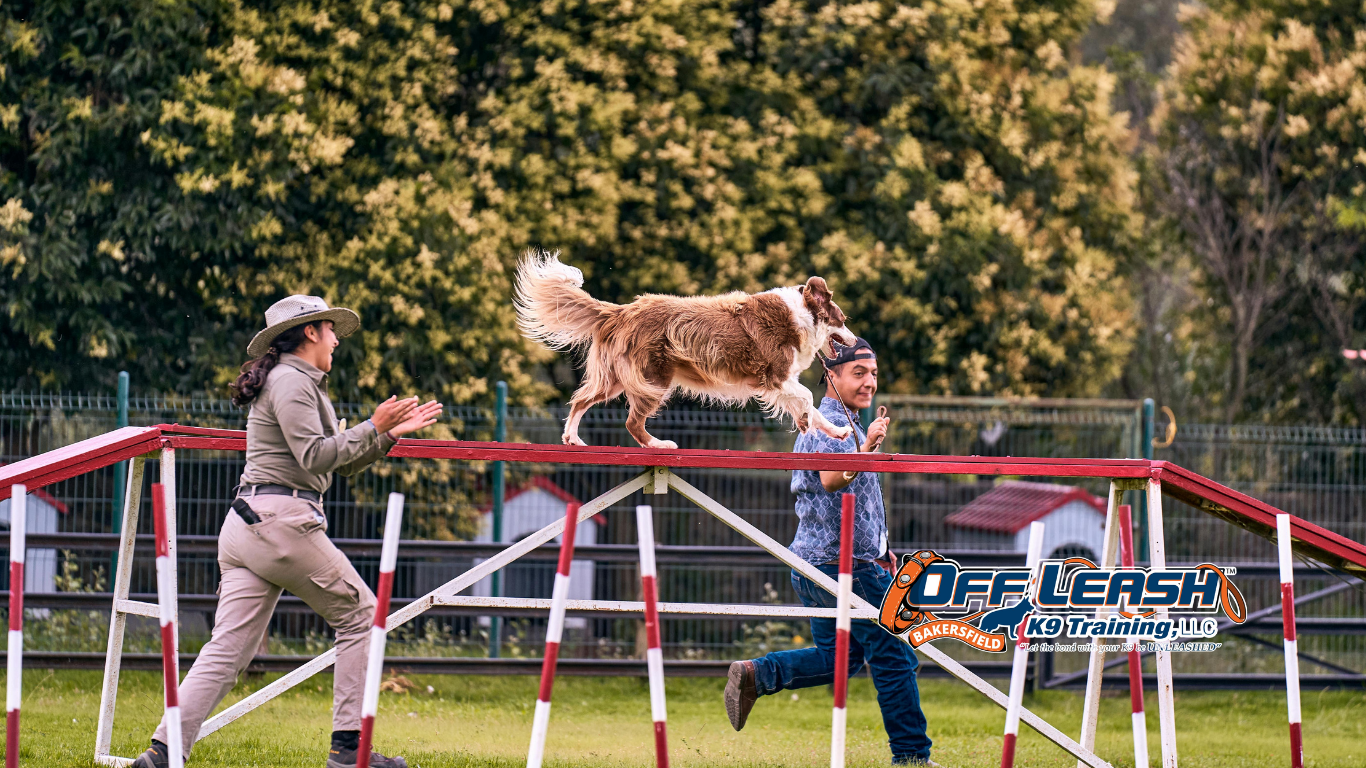
Won’t Come When Called Dog Training Help
It’s surprising how many pet owners experience frustration when their dog won’t come when called, despite putting in significant time and effort into training. This common issue isn’t just a behavioral problem, but can pose a safety risk as well. Understanding the nuances of this training challenge is critical for developing effective techniques and fostering a more obedient pet.
The roots of a dog’s reluctance to come when called can be traced back to inconsistent training or a lack of positive reinforcement. According to a recent survey, over 60% of dog owners have struggled with this specific command at some point. By implementing consistent reward-based training and ensuring that the command is associated with positive experiences, owners can significantly improve their dog’s responsiveness.
Inconsistent training, distractions, lack of positive reinforcement, and fear or anxiety are common reasons dogs may not respond to recall commands. Utilizing consistent cues, rewarding behaviors immediately, practicing in various environments, and addressing any fears can improve a dog’s response and ensure successful recall training.

Won’t Come When Called Dog Training Help
Training a dog to come when called is often challenging but essential for their safety. One key issue many trainers face is inconsistent response from dogs. The problem usually stems from lack of proper reinforcement and varied training environments. Effective recall relies on repeated practice in different settings. Dogs get the hang of it quicker when they associate coming to their owner with positive outcomes.
Consistency in commands is vital for successful recall training. Using the same cue every time and rewarding the dog creates a strong association. Initially, it’s important to practice in a distraction-free environment to help the dog focus. With progress, gradually introducing distractions can significantly improve their obedience. Consistency and patience are fundamental to this process.
Engaging activities can make recall training more enjoyable for the dog. Adding games and rewards keeps the dog interested and more likely to respond. For example, playing hide and seek or offering high-value treats can be effective. Keeping sessions short and fun encourages better performance. Training should always end on a positive note.
High-quality training tools can aid in refining recall skills. Using clickers, long lines, and treat pouches can streamline the process. Training tools help maintain control and reinforce desired behaviors effectively. Additionally, professional trainers can provide tailored advice and support. Proper training with the right tools leads to a more reliable response.
Common Reasons Dogs Ignore the Recall Command
One of the main reasons dogs ignore the recall command is due to insufficient training. Dogs need repetitive practice to understand and respond to commands consistently. If training is inconsistent or sporadic, dogs may not fully grasp or recall the command. This situation can be frustrating for both the dog and the owner. Regular training sessions help solidify the recall behavior.
Distractions play a significant role in why dogs ignore the recall command. Outdoor environments present many captivating sights, sounds, and smells. These distractions can easily divert a dog’s attention away from their owner. To improve recall reliability, it’s crucial to train in varied environments. Gradual exposure to distractions enhances a dog’s focus and obedience.
Another common reason is lack of positive reinforcement. Dogs respond well to rewards such as treats and praise. If a dog doesn’t associate coming when called with positive experiences, they may choose to ignore the command. Strong reinforcement ensures the dog understands the benefits of responding correctly. Incorporating high-value rewards can boost their motivation.
Fear or anxiety can also cause dogs to ignore recall commands. For example, a negative experience when coming to the owner may deter the dog from obeying. It’s important to create a safe and encouraging training atmosphere. Consistent positive interactions build trust and confidence in the dog. Addressing fears early can improve recall success.
The Impact of Consistency and Positive Reinforcement
Consistency in training is crucial for establishing reliable behaviors in dogs. When commands and routines are consistently applied, dogs can predict what is expected of them. This predictability reduces confusion and encourages obedience. Inconsistent training can lead to mixed signals, making it harder for dogs to learn. Ensuring uniformity in training sessions promotes understanding and cooperation.
Positive reinforcement is another key element in successful dog training. Rewarding desired behaviors with treats, praise, or playtime motivates dogs to repeat those behaviors. This approach helps to build a positive association with the command. It’s essential to reward promptly so the dog understands the link between the action and the reward. Reinforcement should always be enjoyable and enticing for the dog.
Combining consistency with positive reinforcement accelerates learning. Dogs thrive in environments where expectations are clear and rewards are plentiful. The reinforcing positive behaviors repeatedly solidifies the training. For example, a reliable recall command can be achieved quicker with regular practice and high-value rewards. The more consistent and positive the training, the better the results.
Mistakes may happen, but staying consistent and positive is key. If a dog struggles with a command, reassessing the training approach can help. Adjusting the level of reinforcement or the setting might be necessary. Keeping the training sessions short and fun can also make a huge difference. Ultimately, a consistent and positive approach fosters a well-trained and happy dog.
Effective Recall Training Techniques for Expert Trainers
Expert trainers often begin recall training with a high-value reward system. Treats or toys that excite the dog make them more eager to respond to commands. This approach establishes a strong incentive for the dog to pay attention and obey. Consistently offering rewards helps reinforce the behavior. Over time, the dog learns that coming when called results in positive outcomes.
Using long lines is a technique favored by skilled trainers. This tool allows trainers to maintain control while giving the dog some freedom to explore. It prevents the dog from running off and strengthens the recall command. Gradually reducing the length of the line helps the dog transition towards complete recall. The long line facilitates safe and effective outdoor training.
Trainers also utilize varied environmental exposure to build recall reliability. Training in different locations ensures the dog can obey commands regardless of distractions. Busy parks, quiet neighborhoods, and other diverse settings serve this purpose well. Dogs learn to focus on their owner regardless of external stimuli. This method helps prepare dogs for real-world scenarios.
Incorporating games into training sessions engages the dog and makes learning enjoyable. Hide and seek or fetch can be aligned with recall practice. These games keep the dog mentally stimulated and eager to return to their owner. Playful interaction boosts enthusiasm and solidifies the recall command. Fun and training blend seamlessly for better results.
Consistency and timing are crucial components for successful recall training. Commands should be issued clearly and at appropriate moments. Immediate rewards following correct responses enhance understanding. Trainers must ensure they are consistent in their methods to prevent confusion. Effective recall training hinges on precise timing and uniform instruction.
Addressing Distractions and Strengthening Reliability
One effective method to address distractions is to gradually increase their intensity during training sessions. Start in a quiet environment, then slowly introduce mild distractions. As the dog shows progress, increase the complexity of the distractions. This step-by-step approach helps dogs build focus and resilience to external stimuli. It improves their ability to obey commands in real-world situations.
Using leash training can be helpful in maintaining control amidst distractions. A leash ensures the dog stays near while they learn to focus. Gradually transitioning to off-leash training can follow as the dog’s reliability improves. This method enhances both obedience and safety while dealing with distractions. Confidence in the dog’s response grows with each successful session.
Incorporating interactive games can sharpen a dog’s focus. Games like tug-of-war or fetch can be intertwined with recall commands. These engaging activities hold the dog’s attention and make learning fun. Consistency in mixing play and training strengthens reliability. Dogs are more likely to respond correctly when training is enjoyable.
Progress tracking can be facilitated through a structured approach. Setting clear goals and recording results ensure a systematic improvement. Trainers can identify areas where the dog excels or needs more work. Creating a training schedule with specific targets is beneficial. This structured approach underscores the progress and helps adjust techniques effectively.
Active reinforcement of commands during daily routines solidifies training outcomes. Utilizing commands during walks or playtime integrates recall into everyday life. Dogs become accustomed to responding in varied contexts. This method builds consistency and strengthens reliability. Regular practice in familiar environments enhances overall obedience.
Tools and Resources for Advanced Dog Training Success
High-quality training tools are essential for advanced dog training success. Clickers are popular for marking desired behaviors precisely. Long lines allow control and freedom simultaneously, helping dogs transition smoothly from on-leash to off-leash training. Treat pouches keep rewards handy for immediate reinforcement. These tools streamline the training process.
Digital resources offer invaluable support for trainers. Online videos demonstrate techniques and provide expert insights. Websites and forums host a wealth of advice and discussions. Accessing digital resources enhances knowledge and keeps trainers updated on the latest methods. These resources foster continuous learning and improvement.
Professional seminars and workshops provide direct interaction with experts. These events offer hands-on experience and personalized guidance. Trainers can network and exchange ideas with peers, which enriches their practices. Attending seminars broadens perspectives and introduces advanced strategies. Such engagements are important for professional growth.
Books and manuals remain crucial for in-depth understanding. Detailed guides cover various aspects of dog behavior and training methodologies. They serve as comprehensive references that trainers can consult regularly. Combining book knowledge with practical experience ensures a well-rounded approach. Reading fosters deeper insights into advanced training techniques.
Innovative training apps bring convenience and customization to mobile devices. Features like progress tracking, scheduling, and interactive lessons enhance training efficiency. Apps offer tailored recommendations based on the dog’s performance. Utilizing apps makes training organized and accessible on the go. Mobile technology integrates seamlessly into modern training routines.
Frequently Asked Questions
Training your dog to obey commands, especially the recall command, can be challenging. Here are answers to some common questions experts encounter in this training process.
1. Why is my dog ignoring me during recall training?
Your dog may ignore you due to distractions or insufficient training consistency. To address this, start training in a quiet environment and gradually introduce distractions. Consistency in commands and immediate rewards can significantly improve your dog’s focus and response.
Another reason could be that your dog doesn’t associate recall with positive experiences. Ensure that every time your dog comes when called, they receive high-value treats or praise. This positive reinforcement helps the dog understand that responding to the recall command results in enjoyable outcomes.
2. How long does it take to train a dog to come when called?
The time it takes to train a dog to come when called varies depending on the dog’s age, breed, and previous training experiences. On average, it can take several weeks of consistent training to see reliable results. Patience is key.
Starting with short, frequent training sessions helps maintain the dog’s interest. Gradually increase the duration and complexity of the training as the dog improves. Consistent practice and positive reinforcement are crucial for long-term success.
3. What are the best rewards to use for recall training?
Using high-value rewards is essential for effective recall training. These can include small, tasty treats, favorite toys, or enthusiastic praise. The key is to choose rewards that the dog finds particularly motivating.
It’s important to vary the rewards to keep the dog engaged. Sometimes, a surprise reward like a fun game can be more effective than regular treats. Consistently rewarding successful recall ensures the dog associates the command with positive experiences.
4. Can recall training be effective for older dogs?
Yes, recall training can be effective for older dogs. While it might take more time and patience compared to training a puppy, older dogs are capable of learning new commands. The main challenge is breaking any established habits.
Using consistent, positive reinforcement techniques can help re-train older dogs. It’s important to be patient and understanding of their learning pace. Regular, short training sessions can gradually improve their recall response.
5. Are there specific breeds that excel at recall training?
Some breeds are naturally more responsive to recall training due to their temperament and working background. Breeds known for their intelligence and eagerness to please, such as Border Collies and Labrador Retrievers, often excel at recall training.
However, any breed can learn to come when called with patience and consistent training. Tailoring training methods to suit the individual dog’s personality and motivation is more important than the breed. Every dog can achieve reliable recall with the right approach.
Conclusion
Successfully training a dog to come when called requires a combination of consistency, positive reinforcement, and patience. Expert trainers emphasize starting in distraction-free environments and gradually introducing more complex settings. This step-by-step approach fosters reliable behavior and enhances the dog-owner relationship.
Incorporating high-value rewards keeps the training engaging and effective. Tailoring techniques to fit the individual dog’s personality and needs ensures better outcomes. Ultimately, a well-executed recall training not only promotes obedience but also ensures the safety and well-being of the dog.
"*" indicates required fields