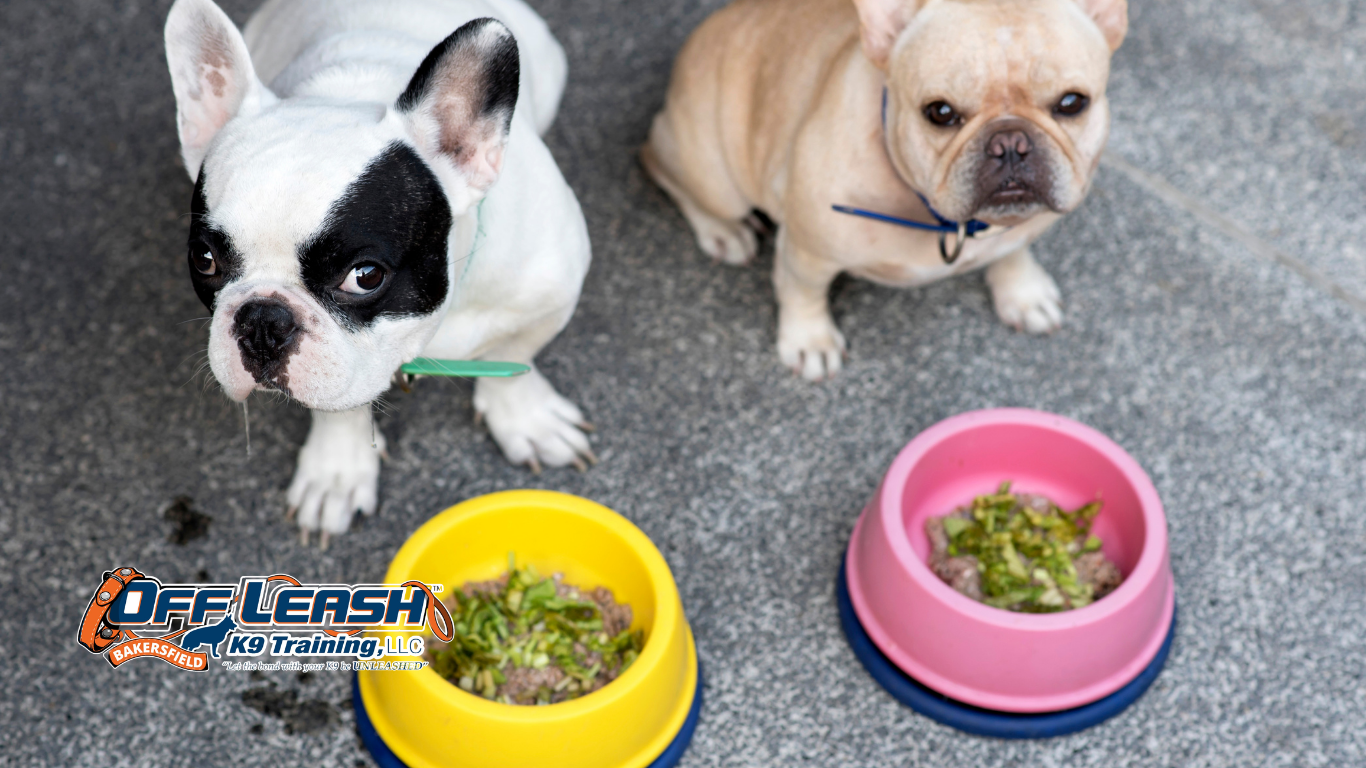
Food Manners for Dogs: Prevent Begging and Stealing
It’s not uncommon for even the best-behaved dogs to sneak a bite from an unattended plate. The challenge of preventing begging and stealing has perplexed pet owners for years. How does one ensure their furry friend adheres to proper food manners? Research shows that consistent training with positive reinforcement can drastically reduce begging behaviors. Historical evidence suggests that structured feeding routines have been effective for centuries. A compelling study found that dogs trained under such regimes were 60% less likely to exhibit undesirable food-related behaviors.
Consistent training with positive reinforcement and setting clear boundaries is essential in preventing your dog from begging and stealing. Avoid giving table scraps, establish a designated feeding area, and maintain a regular feeding schedule. Redirect undesirable behaviors using basic commands and ensure all household members follow the same rules.
Food Manners for Dogs: Prevent Begging and Stealing
Teaching your dog good food manners is crucial to prevent issues like begging and stealing. Dogs are naturally curious and may be tempted by the enticing smells of human food. This can lead to undesirable behaviors that disrupt the household. Consistent training is essential to curb these instincts. Positive reinforcement is a proven method to encourage good behavior.
One effective approach is to establish and maintain a strict feeding routine. Feed your dog at the same time every day. This helps create a sense of security and predictability for your pet. Along with regular feeding, use commands like “sit” and “stay” to reinforce discipline. Consistency is the key to success in training.
It’s also important to avoid giving your dog table scraps or feeding them from your plate. This reinforces begging behavior and makes it harder to stop. Instead, set clear boundaries. Use treats sparingly and only as a reward for good behavior. This teaches your dog to associate positive actions with rewards.
Engaging your dog in regular physical activities can also reduce begging and stealing. A well-exercised dog is less likely to seek food out of boredom. Provide mental stimulation through training games and toys. Keeping your dog’s mind and body active helps prevent unwanted behaviors. This holistic approach ensures your dog leads a balanced, well-mannered life.
Recognizing Common Food Behavior Issues in Dogs
Identifying food behavior problems early can help prevent long-term issues. Begging is one of the most common problems. Dogs often learn that looking cute will get them treats. However, this can lead to disruptive behavior during meals. Persistence and consistency are needed to combat this habit.
Another issue is food guarding. Some dogs become aggressive when someone approaches their food. This can be dangerous for both humans and other pets. Recognizing the signs, such as growling or stiff body posture, is crucial. Addressing this behavior requires patience and a calm approach.
Stealing food is a frequent concern for pet owners. Dogs may snatch food from tables or countertops. This behavior is not only annoying but can also be harmful. Preventing access to food and training your dog on appropriate behavior is essential. Consistent reinforcement of rules can help stop this issue.
Some dogs might suffer from pica, a condition where they eat non-food items. This can include anything from socks to rocks. Such behavior is harmful and needs immediate attention. Consulting with a vet is the best course of action. They can help identify underlying causes and suggest treatments.
Why Food Manners Matter for Canine Health and Behavior
Establishing good food manners is crucial for a dog’s overall health. It not only prevents overeating but reduces the risk of obesity. When dogs eat in a controlled environment, they are less likely to choke or swallow harmful objects. Also, scheduled feeding times create stable routines. This fosters a sense of security and reduces anxiety.
Proper food behavior also enhances positive interactions between pets and their owners. Dogs that exhibit good manners are more pleasant to be around. They can enjoy family meals without causing disruptions. These well-behaved dogs are more likely to be welcomed in various social settings. They contribute to a harmonious household.
In addition, teaching food manners helps in preventing aggressive tendencies. Dogs who understand boundaries are less likely to guard their food possessively. This behavior makes meal times safer for everyone involved. Encouraging patience and discipline while eating can minimize these risks. It’s a proactive step towards ensuring a calm environment.
Another benefit is the reinforcement of obedience and listening skills. Dogs that follow commands around food are more likely to listen in other situations. Training during meal times can strengthen their overall discipline. This is crucial for their well-being and safety. Good food manners are a cornerstone of a well-trained, happy dog.
Effective Training Methods to Stop Begging and Stealing
Training your dog to stop begging and stealing starts with setting clear boundaries. Consistently reinforce the rule that begging is unacceptable. When your dog begs, ignore them completely. Avoid any eye contact or interaction. Over time, they will learn that begging doesn’t get them what they want.
Utilize positive reinforcement to encourage good behavior. Reward your dog when they are calm and not begging. Treats, praise, and affection can be effective incentives. Set specific spots where your dog is allowed to eat. This creates a clear distinction between their space and yours.
Another strategy is to teach basic commands like “sit,” “stay,” and “leave it.” Practice these commands regularly. When your dog starts to beg or steal, use these commands to redirect their behavior. Consistency in training results in a well-behaved pet. Regular practice builds a strong foundation of obedience.
During meal times, it’s essential to manage your environment. Keep all food out of reach and use baby gates if necessary. This prevents opportunities for stealing. If you catch your dog in the act, give a firm “no” and redirect them to an appropriate behavior. Immediate correction helps them understand what is unacceptable.
Using puzzle feeders can also be very beneficial. They stimulate your dog’s mind and keep them occupied. This decreases the chances of them getting bored and seeking out food in inappropriate ways. Combine this with physical exercise to ensure your dog stays engaged and satisfied.
Lastly, be patient and consistent with your training. Some dogs may take longer to learn these new habits. Repetition and positive reinforcement will eventually lead to success. Consult a professional trainer if you’re facing persistent issues. They can provide personalized strategies tailored to your dog’s needs.
How to Maintain Consistent Food Manners At Home
Consistency is key to maintaining your dog’s food manners at home. Establish a fixed feeding schedule. Feed your dog at the same times every day. This helps create a routine. It also prevents begging between meals.
Set clear rules and stick to them. Ensure everyone in the household follows these rules. This includes not feeding the dog from the table. Mixed signals confuse your dog and impede their training. Consistent rules help reinforce good behavior.
Use designated feeding spots for your dog. This should be a specific area where they feel comfortable and safe. Having a designated spot reduces distractions. It also helps your dog understand where they should eat. This practice reinforces orderliness and routine.
Positive reinforcement works wonders in maintaining food manners. Reward your dog for good behavior with treats and praises. Use these rewards selectively and consistently. This helps reinforce what behaviors are acceptable. A happy and well-mannered dog is the result.
Incorporate training into daily activities. Simple commands like “sit” before meals can create a pattern of obedience. These small practices go a long way. Continual training keeps your dog on track. It ensures that good manners are maintained over time.
Tools and Resources for Teaching Proper Food Etiquette
There are many tools available to help teach your dog proper food manners. One popular option is the use of clicker training. Clickers help reinforce positive behavior through sound. Each time your dog follows a command, you use the clicker and give a treat. This method is highly effective and easy to use.
Puzzle feeders are another great resource. These feeders challenge your dog mentally. They make your pet work for their food. This not only engages their mind but also slows down their eating habits. Benefits include reduced anxiety and boredom.
Training classes can provide professional guidance. Many pet stores and trainers offer classes focused on food etiquette. These classes provide structured environments. They also offer socialization opportunities. Trained professionals can offer tips tailored to your dog’s specific needs.
Online resources can also be incredibly helpful. Websites, videos, and forums dedicated to pet training offer valuable information. You can find step-by-step guides and expert advice. Many of these resources are free and easily accessible. They provide a wealth of knowledge right at your fingertips.
Tools like baby gates can be used to restrict access to areas where food is kept. This prevents your dog from sneaking into the kitchen. Gates are simple yet effective solutions. They create physical boundaries that reinforce good behavior. This ensures that your home environment supports proper food manners.
Frequently Asked Questions
Understanding how to improve your dog’s food manners is essential for a happy household. Here are some common questions and answers to help guide you.
1. How can I teach my dog to eat in a designated area?
Start by choosing a specific spot for your dog’s meals, like a mat or a corner of the kitchen. Consistently feeding your dog in this spot reinforces their understanding. If your dog moves while eating, gently guide them back to the designated area. It’s important to be patient and consistent in this training.
Using a command such as “go to your spot” can also help your dog understand where to eat. Praise and treat them when they follow the command correctly. Over time, your dog will naturally go to the designated area at meal times. This practice reduces mess and keeps your dog’s eating zone organized.
2. Why does my dog guard their food?
Food guarding is a common behavior due to a dog’s instinct to protect their resources. This issue can arise from anxiety, insecurity, or past experiences where the dog felt their food was threatened. Recognizing this behavior early is crucial to address it properly and avoid potential aggression.
To reduce food guarding, avoid taking away your dog’s food while they are eating. Instead, practice offering them additional treats or food when you approach. This teaches your dog that your presence is positive, not a threat. Consult with a professional trainer if the behavior persists or worsens.
3. What should I do if my dog steals food from the table?
Preventing a dog from stealing food involves managing their environment and setting clear boundaries. Keep food out of reach and never leave it unattended on tables and countertops. Use a firm “no” and redirect your dog to a more suitable activity, like playing with a toy or going to their bed.
Installing baby gates to restrict access to the kitchen or dining areas can be effective. Consistent training and supervision are key to changing this behavior. Teach your dog that stealing food is not rewarding by ensuring they do not succeed in their attempts. Reinforcing positive behavior leads to better manners.
4. How can I reduce my dog’s begging during meals?
To minimize begging, ignore your dog completely when they exhibit this behavior. Giving in to begging reinforces it, making it harder to stop. Ensure that all family members understand this and do the same. Consistency across the household is essential for eliminating begging.
Providing your dog with a comfortable space or activity during your meal times can help distract them. Interactive toys or puzzle feeders keep their minds occupied. Establishing a firm routine where begging is not rewarded will eventually lead to its elimination.
5. What are some effective training tools for food manners?
Training tools such as clickers and puzzle feeders are very effective in teaching food manners. Clickers help mark desired behaviors with a sound, followed by a reward. This clear communication speeds up the training process and makes it enjoyable for your dog.
Puzzle feeders engage your dog’s mind and slow down their eating, reducing anxiety and preventing overeating. Baby gates and mats can also be useful in setting physical boundaries. Consistently using these tools supports good food etiquette and a well-behaved pet.
Conclusion
Implementing proper food manners for your dog is essential for a harmonious home. Consistent training, positive reinforcement, and clear rules help establish these behaviors. Tools like clickers and puzzle feeders make the process easier. With patience and dedication, your dog can learn to behave well during meal times.
Addressing issues like begging and stealing early can prevent long-term problems. Creating a structured feeding routine and setting boundaries are key. By investing time and effort into your dog’s food manners, you ensure a peaceful and enjoyable environment for both you and your pet. A well-mannered dog is a happy companion.
"*" indicates required fields