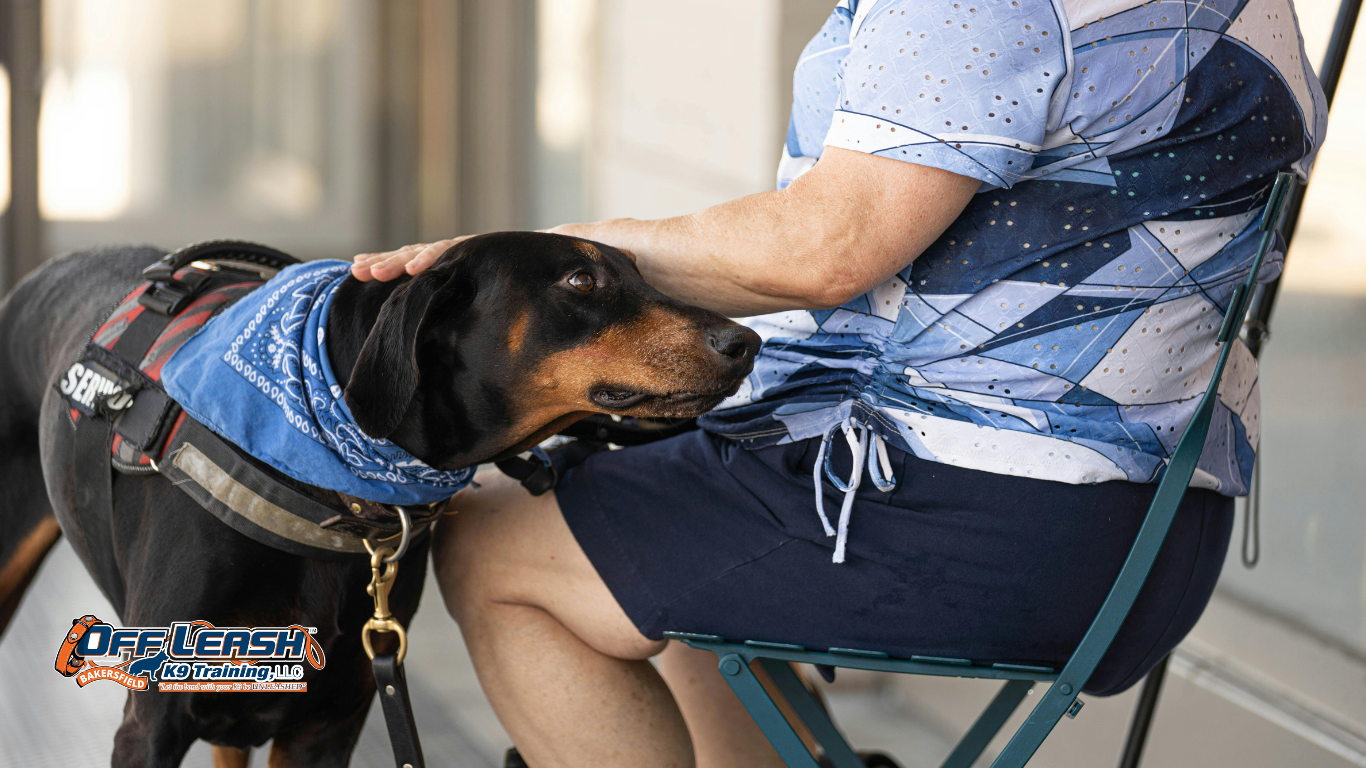
Why Dogs Become More Demanding When Their Needs Are Delayed
Dogs communicate their needs in many ways. They may bring you a toy when they want to play, approach you when they need attention, stand near their food bowl when they are hungry, or wait by the door when they want to go outside. These behaviors are normal parts of living with a dog. However, some dogs become increasingly demanding when they do not receive what they want immediately.
A dog might bark, whine, paw at you, jump, nudge your hands, or repeatedly follow you around when attention or access to something is delayed. What begins as a simple request can turn into persistent behavior that becomes difficult to manage.
Learning why dogs become more demanding when their needs are delayed can help owners respond more effectively. Instead of becoming frustrated or giving in to every demand, you can teach your dog how to wait, handle disappointment, and communicate calmly.
The goal is not to prevent your dog from expressing needs. It is to help them understand that waiting is a normal part of everyday life and that calm behavior is worthwhile.
Understanding Why Dogs Become Demanding
When a dog wants something, they may try different behaviors to get your attention. If barking, pawing, jumping, or nudging has worked before, the dog may repeat those actions whenever they want something.
For example, imagine your dog approaches you while you are working. They nudge your arm, and you stop what you are doing to pet them. Your dog learns that nudging gets a response. If you continue responding this way, the behavior may become more frequent.
Demanding behavior can also develop when a dog has difficulty handling frustration. They may understand that something they want is available but struggle when they cannot have it immediately.
Some common reasons include:
-
Learned expectations: Your dog has become accustomed to receiving attention or rewards quickly.
-
Low frustration tolerance: Waiting feels difficult because your dog has not learned how to manage disappointment.
-
Excitement: Your dog becomes overly stimulated when anticipating something enjoyable.
-
Inconsistent responses: Sometimes you respond to demanding behavior, while other times you do not.
-
Unmet needs: Your dog may need exercise, mental stimulation, companionship, or an opportunity to go outside.
-
Limited impulse control: Your dog struggles to pause before acting on what they want.
Understanding the reason behind the behavior helps you choose an appropriate response rather than treating every demand as disobedience.
How Delayed Attention and Rewards Create Frustration
Dogs often develop expectations around daily activities. They may recognize when it is time for meals, walks, playtime, or attention from their owners.
When these activities are delayed, some dogs become frustrated because they are anticipating something they enjoy.
For example, your dog may become excited when you reach for the leash. If you then spend several minutes looking for your shoes or gathering your belongings, your dog might start barking, pacing, or jumping.
The same thing can happen when preparing meals. A dog that recognizes the sound of a food container may become increasingly impatient if the food does not arrive immediately.
Delayed attention can create similar reactions. A dog may approach you expecting affection, but when you are busy, they might begin pawing, whining, or nudging you repeatedly.
These reactions often happen because the dog has not learned how to manage anticipation.
The important lesson is that a delay does not mean something enjoyable will never happen. Dogs can learn that they do not need to become demanding to receive attention, food, play, or access to activities.
The Difference Between Communicating a Need and Demanding Something
It is important to recognize that dogs need ways to communicate with their owners. Approaching you, making eye contact, bringing a toy, or waiting near a door can all be appropriate ways to express a need.
The problem is not communication itself. The concern develops when the dog becomes increasingly persistent, disruptive, or unable to settle when the request is not immediately fulfilled.
Consider the difference between these situations:
Appropriate communication:
-
Your dog brings you a toy and waits.
-
Your dog sits near the door when they need to go outside.
-
Your dog approaches you and calmly seeks attention.
-
Your dog looks at you when they want something.
-
Your dog waits while you finish a task.
Demanding behavior:
-
Your dog repeatedly paws at you when you do not respond.
-
Your dog barks continuously for attention.
-
Your dog jumps on you when you are occupied.
-
Your dog pushes objects or knocks things over to get a reaction.
-
Your dog becomes increasingly agitated when asked to wait.
The goal is to encourage appropriate communication while teaching your dog that persistent or pushy behavior is not necessary.
This distinction is especially important because some behaviors that appear demanding may actually indicate a genuine need. If your dog suddenly becomes unusually persistent about going outside, eating, drinking, or receiving attention, consider whether something has changed physically or emotionally.
Common Signs Your Dog Is Becoming More Demanding
Demanding behavior can appear in several forms. Some dogs are vocal, while others use physical contact or repeated movements to get what they want.
Recognizing these signs early allows you to respond before the behavior becomes more intense.
Common signs include:
-
Repeated barking: Your dog barks whenever you do not immediately respond.
-
Whining: Your dog makes persistent sounds when attention or rewards are delayed.
-
Pawing: Your dog repeatedly places their paws on you to request attention.
-
Nudging: Your dog pushes your hands, legs, or belongings to interrupt what you are doing.
-
Jumping: Your dog jumps on you when they want something.
-
Pacing: Your dog moves around restlessly while waiting.
-
Persistent following: Your dog follows you closely and repeatedly tries to get your attention.
-
Demanding play: Your dog drops toys on you or barks when you do not begin playing.
-
Food-related impatience: Your dog becomes restless, vocal, or pushy when meals are being prepared.
-
Difficulty settling: Your dog struggles to relax when something they want is unavailable.
Not every dog will display all these behaviors. Pay attention to patterns and identify the situations in which your dog has the most difficulty waiting.
Why Some Dogs Struggle When They Have to Wait
Waiting is a skill that dogs need to learn through consistent experiences. It does not automatically develop simply because a dog grows older.
Some dogs have difficulty waiting because they are accustomed to immediate rewards. Others become frustrated easily because they have not had enough opportunities to practice patience.
A few factors can make waiting especially challenging.
Limited experience with delays
High excitement
Dogs that become very excited about food, walks, toys, or visitors may struggle to control their reactions when those activities are postponed.
Inconsistent household expectations
If one person responds to barking while another waits for calm behavior, the dog receives mixed messages.
Insufficient mental and physical activity
A dog that lacks appropriate exercise, enrichment, or interaction may seek attention more frequently.
Difficulty managing frustration
Some dogs have a harder time coping when they cannot immediately access something they want. They may need gradual practice learning how to pause and settle.
Patience develops through repetition. Dogs need opportunities to experience small delays, remain calm, and discover that waiting can lead to positive outcomes.
How to Teach Your Dog to Handle Delayed Needs Calmly
Teaching patience does not require making your dog wait for long periods or deliberately frustrating them. Instead, focus on short, manageable delays that gradually become part of everyday routines.
Use positive reinforcement to reward calm behavior, and make sure your dog continues receiving appropriate attention, exercise, enrichment, and care.
Step 1: Identify What Your Dog Is Trying to Communicate
Before addressing demanding behavior, determine what your dog wants.
Are they asking for attention, food, playtime, a walk, or access to something interesting? Are they uncomfortable, anxious, or trying to communicate a physical need?
Understanding the reason behind the behavior helps you avoid responding incorrectly.
For example, a dog that repeatedly approaches the door may genuinely need a bathroom break. A dog that brings a toy may simply be asking to play.
Once you understand the situation, you can decide whether the request should be addressed immediately or whether a short delay is appropriate.
Never use patience training to postpone necessary bathroom breaks, meals, water, medical attention, or other essential needs.
Step 2: Recognize the Situations That Trigger Demanding Behavior
Observe when your dog becomes most impatient.
You might notice that demanding behavior happens when:
-
You are preparing meals.
-
You are working at your desk.
-
You are talking on the phone.
-
You are getting ready for a walk.
-
You are preparing to leave the house.
-
You are playing with another pet.
-
You are giving attention to someone else.
Identifying these situations helps you create focused training opportunities.
For example, if your dog becomes demanding whenever you sit down to work, begin practicing calm behavior for short periods while you are seated.
If the behavior happens during meal preparation, teach your dog to remain in a comfortable designated area while you prepare their food.
The more predictable the training situation, the easier it becomes to build a new habit.
Step 3: Reward Calm Behavior Before Demands Escalate
One of the most effective ways to reduce demanding behavior is to recognize and reward calm behavior before your dog becomes impatient.
If your dog sits quietly while you are busy, offer a small reward. If they lie down instead of pawing at you, calmly acknowledge the behavior.
You want your dog to discover that relaxed behavior can produce positive results.
Avoid waiting until your dog has been barking, jumping, or nudging for several minutes before giving them attention. Instead, look for opportunities to reward the behavior you want to see more often.
For example, if your dog approaches you and waits without jumping, calmly praise them and offer attention when appropriate.
Over time, your dog can learn that calm communication is more effective than persistent demands.
Step 4: Teach Your Dog That Waiting Can Lead to Good Things
Start with something your dog likes, such as a toy or treat.
Ask your dog for a simple behavior, such as sitting, and briefly pause before giving the reward. Begin with only a second or two.
If your dog remains calm, mark the behavior with a word such as “yes” and provide the reward.
Gradually increase the waiting time as your dog becomes more comfortable.
Keep the exercise easy enough that your dog can succeed. If they become frustrated, shorten the delay and make the next repetition easier.
The purpose is to build confidence and patience, not to test how long your dog can tolerate frustration.
Step 5: Avoid Accidentally Reinforcing Pushy Behavior
Dogs repeat behaviors that produce results.
If your dog barks and you immediately give them a treat, they may learn that barking is an effective way to request food.
If they paw at you and you immediately start petting them, they may repeat the behavior whenever they want attention.
This does not mean you should punish your dog or ignore every request. Instead, be thoughtful about which behaviors receive rewards.
For example, if your dog nudges your hand for attention, wait for a brief pause in the nudging. When they settle or offer an appropriate alternative behavior, provide attention if it is a suitable time.
Be consistent, but remain attentive to genuine needs. If your dog is communicating discomfort or an urgent requirement, address it rather than treating it as a training opportunity.
Step 6: Practice Short Delays During Everyday Activities
Training becomes more effective when patience is practiced outside formal sessions.
Look for small opportunities throughout the day.
You can practice while:
-
Preparing your dog’s meals.
-
Putting away toys.
-
Getting ready for a walk.
-
Sitting down to work.
-
Preparing a favorite activity.
-
Organizing your belongings.
For example, ask your dog to sit calmly while you pick up their leash. Reward them for waiting before continuing with the routine.
If your dog becomes excited, pause the exercise and make it easier. You may need to practice simply picking up the leash and rewarding calm behavior before adding other steps.
These small experiences help your dog become more comfortable with ordinary delays.
Step 7: Build Consistency Around Attention, Meals, and Playtime
Dogs benefit from predictable routines. When household expectations are consistent, they have an easier time understanding what behaviors are appropriate.
If you want your dog to wait calmly before playtime, use the same general approach each time.
If you are busy and cannot provide attention immediately, avoid encouraging repeated barking or pawing by responding inconsistently.
You can also create routines that include clear signals.
For example:
-
Use a release cue to begin playtime.
-
Encourage your dog to settle while you prepare meals.
-
Reward calm behavior before opening the door.
-
Provide attention when your dog approaches appropriately.
-
Use a designated resting place when you need to concentrate.
Everyone in the household should follow similar expectations whenever possible.
Consistency helps your dog understand that calm behavior is valuable across different situations and with different people.
Step 8: Gradually Increase Your Dog’s Ability to Wait
Once your dog can handle short delays, slowly introduce more challenging situations.
Start by increasing the waiting period slightly. Then practice in different rooms, around mild distractions, and during different daily routines.
For example, your dog may learn to wait calmly while you prepare a toy in the living room. The next challenge might be waiting while you gather your belongings near the front door.
Avoid increasing the duration, difficulty, and distractions all at once.
If your dog becomes frustrated, return to an easier exercise and reward successful attempts.
Remember that progress is not always perfectly consistent. Your dog may wait successfully one day and struggle the next, especially when tired, excited, or distracted.
Patience develops through regular practice and realistic expectations.
Common Mistakes That Can Make Demanding Behavior Worse
Owners often want to respond quickly when their dogs become demanding. However, certain reactions can unintentionally strengthen the behavior.
Avoid these common mistakes:
Giving in every time your dog insists
Immediately providing attention, food, or play after barking or pawing can teach your dog that persistence works.
Expecting too much too soon
Asking a dog to wait for several minutes before they have learned to handle a few seconds can create unnecessary frustration.
Using punishment
Yelling, scolding, or physically correcting a dog may increase stress without teaching an appropriate alternative.
Ignoring genuine needs
Not every request is an attempt to get attention. Dogs may be trying to communicate hunger, discomfort, fear, or the need to go outside.
Changing the rules frequently
Inconsistent responses make it harder for dogs to understand which behaviors are appropriate.
Only practicing when the dog is already frustrated
It is easier to teach patience when your dog is relaxed than when they are already barking, jumping, or becoming overly excited.
Forgetting to provide enough enrichment
Dogs need appropriate opportunities for exercise, play, exploration, rest, and mental stimulation. Training should complement these needs rather than replace them.
A successful approach focuses on teaching better habits while making sure your dog’s physical and emotional needs are being met.
How to Respond When Your Dog Becomes Pushy or Impatient
Even with consistent training, your dog may still become demanding occasionally. The way you respond can influence whether the behavior improves or becomes more frequent.
Start by remaining calm. Avoid yelling, arguing with your dog, or turning the interaction into an exciting game.
If your dog is jumping or pawing, calmly interrupt the interaction when safe and redirect them toward an appropriate behavior.
For example, you might ask for a sit, encourage them to settle on a mat, or guide them toward an appropriate activity.
If your dog is barking for attention, avoid immediately rewarding the barking. Look for a brief moment of quiet or a calmer alternative before providing attention, provided the request is not related to an urgent need.
If your dog is becoming too frustrated to respond, make the situation easier. Increase distance from the trigger, reduce the delay, or provide a suitable calming activity.
The goal is to help your dog succeed rather than create a confrontation.
If the behavior suddenly increases, becomes intense, or includes aggression, consider consulting a veterinarian or qualified behavior professional to rule out medical or emotional causes.
Building Patience Through Everyday Training and Communication
Patience is not a single command. It is a skill that develops through many small experiences.
Your dog can practice patience when waiting for a meal, allowing you to finish a conversation, staying relaxed while you prepare for a walk, or waiting for a toy to become available.
These everyday situations provide opportunities to reinforce self-control and appropriate communication.
Make sure your dog has clear expectations. Reward calm behavior, provide appropriate outlets for energy, and avoid creating unnecessary frustration.
It is also important to recognize your dog’s progress. A dog that previously barked repeatedly may begin waiting quietly for a few seconds. Another may learn to bring a toy and sit instead of jumping on their owner.
These improvements matter.
When dogs learn that their needs can be communicated appropriately and that delays are manageable, everyday interactions often become more peaceful.
How BakersfieldDogTrainer.com Can Help With Demanding Dog Behavior
Some dogs need additional guidance when they struggle with delayed attention, frustration, impulse control, or persistent attention-seeking behavior.
BakersfieldDogTrainer.com can help owners understand the behaviors behind these challenges and develop practical training strategies that encourage patience and better communication.
A structured training approach can focus on:
-
Teaching dogs to wait calmly before receiving rewards.
-
Improving impulse control during everyday activities.
-
Reducing jumping, pawing, barking, and other demanding behaviors.
-
Encouraging appropriate ways to request attention.
-
Building consistency around household routines.
-
Helping dogs manage excitement and frustration.
-
Strengthening communication between dogs and their owners.
The goal is not simply to stop unwanted behavior. It is to help dogs develop skills that make daily life easier for everyone.
With appropriate guidance, consistent expectations, and positive reinforcement, dogs can learn that they do not need to demand everything immediately.
FAQs
1. Why does my dog become demanding when I make them wait?
Your dog may become demanding because they are frustrated, excited, or accustomed to receiving attention and rewards immediately. If persistent behaviors have worked in the past, your dog may repeat them when something is delayed. Gradual waiting exercises can help build patience.
2. Is demanding behavior a sign that my dog is spoiled?
Not necessarily. Demanding behavior is often learned through repeated experiences, inconsistent responses, excitement, or difficulty managing frustration. Rather than labeling your dog as spoiled, focus on identifying what triggers the behavior and teaching appropriate alternatives.
3. Why does my dog bark or whine when I delay giving attention?
Your dog may have learned that barking or whining gets a response. They may also struggle with waiting when they anticipate attention. Rewarding quiet moments and appropriate ways of requesting interaction can help reduce the behavior.
4. Can dogs learn to be patient when their needs are delayed?
Yes. Dogs can develop patience through gradual training, consistent routines, and positive reinforcement. Start with very short delays and reward calm behavior before gradually increasing the difficulty.
5. Should I ignore my dog when they demand attention?
Ignoring every request is not recommended. First determine whether your dog has a genuine need. If they are seeking attention through barking or pawing, you can encourage a calmer alternative and provide attention when they settle. Avoid ignoring signs of distress or urgent needs.
6. Why does my dog paw at me when I am busy?
Pawing is often a way for dogs to get attention or initiate interaction. If the behavior has successfully interrupted your activities before, your dog may continue using it. Teaching your dog to settle nearby or wait calmly can provide a more appropriate alternative.
7. How can I stop my dog from demanding food or treats?
Establish consistent feeding and treat routines. Reward calm behavior while preparing food, and avoid giving treats immediately after barking, jumping, or pawing. You can also teach a designated waiting position and gradually increase the time your dog remains calm.
8. Does giving in to my dog’s demands make the behavior worse?
It can. If your dog repeatedly receives what they want after barking, whining, or jumping, those behaviors may become stronger. However, you should always respond to genuine needs. Focus on rewarding appropriate communication instead of reinforcing persistent demands.
9. How long does it take to teach a dog to wait patiently?
The timeline depends on your dog’s age, temperament, previous experiences, and the difficulty of the situations involved. Some dogs improve within a few training sessions, while others need consistent practice over several weeks or longer. Focus on gradual progress rather than a specific deadline.
10. What should I do if my dog becomes frustrated when I say no?
Stay calm and avoid turning the situation into a confrontation. Redirect your dog toward an appropriate activity, reward calmer behavior, and make future training exercises easier. If frustration becomes severe or includes aggressive behavior, seek professional guidance.
Conclusion: Helping Your Dog Become More Patient When Needs Are Delayed
Dogs do not automatically understand that attention, food, playtime, and other enjoyable activities cannot always happen immediately. When their expectations are interrupted, some dogs respond with barking, whining, pawing, jumping, or other demanding behaviors.
With consistent training, these reactions can become opportunities to teach patience, impulse control, and better communication.
Start with small delays, recognize calm behavior, establish predictable routines, and reward appropriate ways of requesting attention. Make sure your dog’s physical and emotional needs are being met, and gradually introduce more challenging situations as their skills improve.
Most importantly, remember that patience develops through practice. Your dog does not need to learn everything at once.
By helping your dog understand that waiting is manageable and calm behavior is rewarding, you can create more respectful interactions and a more peaceful household.
Website Contact Form
"*" indicates required fields