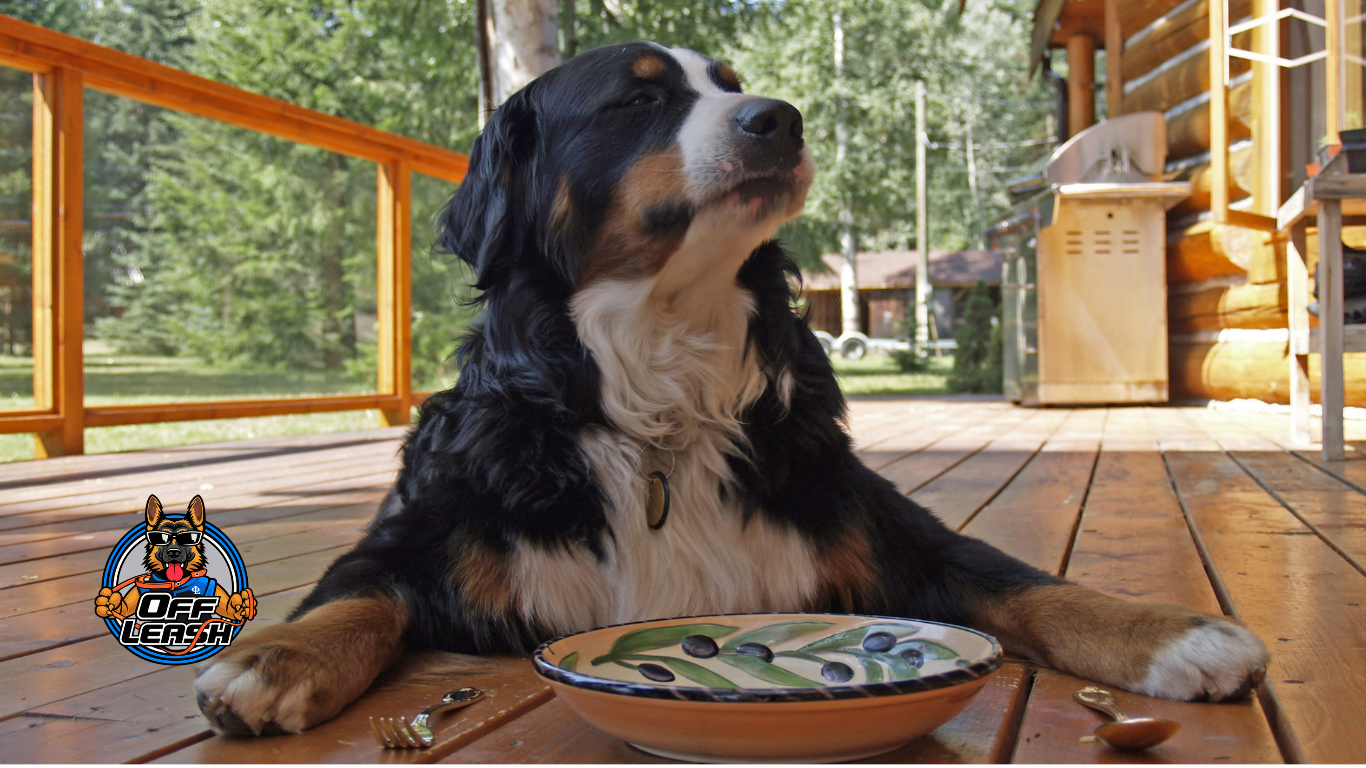
Why Dogs Have Trouble Waiting When They Know Something Is Coming
Have you ever noticed your dog becoming restless the moment they realize something exciting is about to happen? Maybe they start pacing when you reach for the leash, barking when you prepare their food, or jumping around when they see you getting ready to leave the house. Even though they know something enjoyable is coming, waiting for it can feel surprisingly difficult.
This behavior is often connected to anticipation. Dogs learn to recognize familiar routines, objects, sounds, and movements that predict rewarding experiences. Once they understand what is about to happen, their excitement may increase before the activity even begins.
For some dogs, this excitement makes it difficult to remain still, listen to instructions, or control their impulses. They may whine, bark, jump, pull, or repeatedly move toward whatever they expect to receive.
The good news is that patience is a skill dogs can learn. With consistent practice, positive reinforcement, and manageable expectations, you can help your dog remain calmer when they know something is coming.
The goal is not to eliminate excitement. It is to teach your dog how to experience anticipation without allowing it to control their behavior.
Understanding Anticipation and Excitement in Dogs
Dogs are excellent at recognizing patterns. They observe everyday activities and gradually learn which actions predict something interesting or rewarding.
For example, your dog may recognize that picking up the leash means a walk is coming. Opening a particular cabinet may signal mealtime, while putting on your shoes may suggest that you are preparing to leave.
These familiar signals can trigger excitement before the expected activity begins.
Anticipation is a normal part of canine behavior. It helps dogs prepare for experiences they find rewarding. However, some dogs become so excited that they struggle to remain calm while waiting.
You might notice your dog:
-
Following you closely as you prepare something.
-
Watching your hands or movements intensely.
-
Whining when an expected activity is delayed.
-
Pacing around the room.
-
Jumping or barking when they recognize familiar signals.
-
Moving toward doors, food bowls, or other exciting objects.
-
Becoming less responsive to familiar commands.
These behaviors suggest that your dog is having difficulty managing excitement.
Understanding anticipation helps you recognize that your dog may not be intentionally ignoring you. They may simply need more practice handling the emotions that come with expecting something enjoyable.
Why Dogs Struggle to Control Themselves Before Exciting Events
Dogs often become focused on the expected outcome rather than the behavior needed to reach it. Their attention may shift toward the food, walk, toy, visitor, or activity they anticipate.
Several factors can contribute to this difficulty.
Strong excitement: Some activities create such a high level of enthusiasm that your dog struggles to settle before they begin.
Limited impulse control: Dogs that have not practiced waiting may immediately act on their excitement instead of pausing.
Learned expectations: If an activity usually follows a familiar signal, your dog may begin reacting as soon as they recognize that signal.
Inconsistent routines: When waiting sometimes leads to immediate rewards and sometimes involves unpredictable delays, dogs may become restless because they do not understand what to expect.
Past reinforcement: If barking, jumping, or rushing has previously resulted in getting something faster, those behaviors may become more frequent.
Insufficient practice: Waiting is not always an automatic skill. Dogs need opportunities to learn that remaining calm can be rewarding.
These factors can overlap. A dog may become excited because they recognize a familiar routine while also having limited experience waiting for the expected reward.
Common Situations That Trigger Anticipatory Behavior
Anticipation can appear throughout the day. Some dogs remain relatively calm most of the time but struggle when they recognize specific activities.
Common triggers include:
Mealtime: Your dog may begin pacing, barking, or jumping as soon as you reach for their food container.
Walk preparation: Seeing the leash, harness, or walking shoes may cause immediate excitement.
Playtime: Your dog may become restless when they see you picking up a favorite toy.
Visitors arriving: Hearing a doorbell or recognizing that someone is approaching may trigger barking and movement.
Car rides: Some dogs become excited when they see car keys, travel bags, or the vehicle itself.
Outdoor activities: Dogs may become impatient when they know they are about to go into the yard, visit a park, or explore a familiar walking route.
Owner attention: A dog may become demanding when they recognize that you are preparing to interact with them.
Identifying the situations that trigger your dog’s anticipation gives you a starting point for training.
Rather than trying to improve waiting in every situation at once, choose one predictable activity and practice calm behavior around it.
How Excitement Affects a Dog’s Ability to Wait
Excitement can make it harder for dogs to process information and respond to familiar cues.
A dog that normally responds well to their name may suddenly ignore it when they see you preparing their favorite activity. They may also struggle to remain in one place, listen to instructions, or control their movements.
This happens because their attention is strongly focused on what they expect to happen next.
For example, a dog waiting for a walk may be so interested in getting outside that they repeatedly approach the door, pull toward the leash, or jump around their owner.
In these moments, simply repeating commands may not solve the problem. Your dog may need help lowering their excitement before they can respond successfully.
Look for signs that your dog is becoming overwhelmed by anticipation:
-
Increasingly rapid movements.
-
Repeated barking or whining.
-
Difficulty responding to familiar cues.
-
Persistent jumping or pacing.
-
Pulling toward the expected activity.
-
Inability to settle even briefly.
When you notice these signs, make the situation easier. Reduce the amount of excitement, create more space, or briefly pause the activity.
The purpose is to help your dog practice waiting at a level they can handle.
The Difference Between Knowing Something Is Coming and Being Ready to Wait
Recognizing an upcoming activity and being able to wait calmly are two different skills.
A dog may understand exactly what happens when you pick up the leash but still struggle to remain composed while you attach it.
Similarly, a dog may know that food is coming but become increasingly restless while the bowl is being prepared.
Recognizing a pattern creates anticipation. Learning to wait requires additional skills, including patience, impulse control, and the ability to respond to cues despite excitement.
Consider these examples:
| Situation | Anticipation | Calm waiting |
|---|---|---|
| Preparing food | Dog becomes excited when the container appears | Dog remains in a comfortable position while food is prepared |
| Getting ready for a walk | Dog rushes toward the leash | Dog allows the harness to be attached calmly |
| Preparing a toy | Dog jumps and barks | Dog waits briefly before play begins |
| Opening the door | Dog pushes forward | Dog pauses and waits for an appropriate release cue |
The goal is to help your dog move from simply recognizing an exciting event to understanding how to behave while waiting for it.
How to Teach Your Dog to Wait Calmly When Something Is Coming
Start with activities your dog enjoys but can still handle without becoming overly excited. Keep the exercises short and gradually increase difficulty as your dog improves.
Avoid creating long delays just to test your dog’s patience. The purpose is to teach a useful skill, not to frustrate your dog.
Start With Short and Manageable Waiting Exercises
Begin with very brief waiting periods.
Choose a familiar activity, such as preparing a meal or getting ready for a walk. Before your dog becomes overly excited, ask for a simple behavior they already understand.
For example, you might ask your dog to sit while you prepare their food.
Initially, reward even a few seconds of calm behavior. If your dog remains relaxed, continue preparing the food and reward them again.
If they become restless, reduce the difficulty. You may need to shorten the waiting period or move more slowly through the activity.
Avoid expecting your dog to wait for several minutes when they are just beginning to learn.
Short, successful repetitions help build confidence and make the exercise easier to understand.
Use a Consistent Wait Cue
Choose a simple verbal cue such as “wait.”
Use the same word whenever you want your dog to pause before an activity begins.
Start in a quiet environment where your dog can focus. Ask them to wait for a very short moment, then reward them before releasing them.
For example:
-
Ask your dog to sit or stand comfortably.
-
Say “wait” in a calm voice.
-
Pause briefly.
-
Reward your dog for remaining in position.
-
Use a release word such as “okay” to signal that they can move.
Keep the cue consistent.
Avoid repeating “wait” several times or using an increasingly loud voice. If your dog struggles, make the exercise easier instead of adding more pressure.
Over time, your dog can learn that the cue means they should pause until you provide another signal.
Reward Calm Behavior Before the Exciting Event
Many owners naturally focus on rewarding their dogs after an activity is completed. However, rewarding calm behavior during the preparation process can be equally important.
For example, when preparing your dog’s meal, reward them for standing or sitting calmly while you handle the food container.
When preparing for a walk, reward them for remaining relaxed while you pick up the leash.
You can reinforce behaviors such as:
-
Keeping all four paws on the floor.
-
Standing or sitting comfortably.
-
Waiting without barking.
-
Maintaining a loose body posture.
-
Looking toward you without rushing.
-
Remaining calm while you move around.
This teaches your dog that calm behavior is part of the process, not something that happens only after the exciting activity begins.
Practice Delaying Access to Favorite Activities
Dogs need to learn that exciting activities do not always begin immediately.
You can teach this by introducing small, manageable delays before giving access to something your dog enjoys.
For example, hold a favorite toy while your dog waits briefly. If they remain calm, give the release cue and begin playing.
You can also practice with a door, food bowl, or outdoor access.
The important part is keeping the delay reasonable. If your dog becomes frustrated, reduce the waiting time and reward an easier response.
Do not use prolonged waiting as a way to exhaust your dog’s excitement. The goal is to create a predictable learning experience.
As your dog improves, gradually introduce slightly longer pauses.
Teach Your Dog That Waiting Does Not Mean Losing the Opportunity
Some dogs become impatient because they appear to believe that waiting means they might miss out on something exciting.
They may rush toward the door, bark at the food bowl, or repeatedly demand attention because they want to make sure the activity happens.
You can help by making the relationship between waiting and receiving the reward clear.
For example, ask your dog to wait briefly before opening the door. If they remain calm, give your release cue and allow them to move forward when it is safe.
Repeat the same pattern during other activities.
Your dog gradually learns that waiting is not a punishment or a reason to become more demanding.
Instead, calm behavior becomes a reliable part of reaching the expected reward.
Consistency is important. Avoid rewarding rushing one day and expecting calm waiting the next.
Gradually Increase Waiting Time
Once your dog can wait for a few seconds, you can slowly increase the duration.
Do not increase the waiting time too quickly. A dog that succeeds for three seconds may not be ready to wait for thirty seconds.
Try changing only one aspect of the exercise at a time.
For example:
-
Begin with a one- or two-second pause.
-
Reward your dog for remaining calm.
-
Gradually add a few more seconds.
-
Introduce small movements while your dog waits.
-
Practice around slightly more exciting activities.
-
Increase difficulty only when your dog is successful.
If your dog becomes restless, return to a shorter duration.
Remember that the objective is reliable calm behavior, not simply making your dog wait for as long as possible.
Help Your Dog Stay Calm When They Recognize Familiar Routines
Dogs often begin anticipating activities long before the activity actually starts.
They may recognize your movements, the sound of a container opening, or the appearance of familiar objects.
You can use these moments to practice calm behavior.
For example, pick up the leash and reward your dog for remaining relaxed. Put it down, take a short break, and repeat when your dog is comfortable.
You can also practice during meal preparation by rewarding calm behavior at different stages of the routine.
Keep the exercises positive and avoid deliberately creating excitement that your dog cannot manage.
Over time, familiar signals can become opportunities for practicing patience instead of automatic triggers for rushing or barking.
How to Handle Whining, Barking, Jumping, or Pacing While Waiting
Some dogs express anticipation through vocalization and movement.
They may whine near the food bowl, bark when the leash appears, jump against their owner, or pace repeatedly while waiting for an activity.
The first step is to recognize what is causing the behavior.
Is your dog simply excited? Are they confused about what is expected? Are they becoming frustrated because the waiting period is too difficult?
Your response should make the situation easier rather than increase the excitement.
If your dog starts jumping, pause your movement when it is safe and avoid rewarding the jumping with immediate access to the activity. Wait for a brief moment when all four paws are on the floor, then reward that calmer behavior.
If your dog barks or whines, avoid shouting or repeatedly giving commands. Reduce the waiting time and reward a quieter moment.
For pacing, consider whether your dog needs more space or whether the activity is too exciting to practice at the current distance.
You can also teach an alternative behavior, such as going to a mat while food is prepared or waiting in a comfortable position before the door opens.
If the behavior is accompanied by intense distress, persistent panting, trembling, or other signs of anxiety, do not assume it is simply excitement. Consider seeking professional guidance.
Common Mistakes That Make Anticipation More Difficult to Manage
Teaching patience can become harder when everyday routines accidentally reinforce the very behaviors you are trying to reduce.
Watch out for these common mistakes.
Expecting too much too soon: A dog that has never practiced waiting may struggle with long delays. Begin with short exercises and build gradually.
Making waiting unpredictable: Frequently changing expectations can confuse your dog. Use consistent cues and clear release signals.
Rewarding excitement unintentionally: If barking or jumping regularly results in immediate access to an activity, those behaviors may become stronger.
Repeating commands constantly: Repeatedly saying “wait” can make the cue less meaningful. Give your dog time to respond.
Using frustration as a teaching method: Deliberately making your dog wait until they become upset can create negative associations with the activity.
Ignoring small improvements: Waiting calmly for just a few seconds is meaningful progress. Reward those early successes.
Practicing when your dog is already overwhelmed: If your dog is too excited to focus, simplify the exercise or choose a quieter moment.
A successful training routine should make patience easier to practice, not turn every exciting activity into a struggle.
How to Build Patience and Better Impulse Control
Patience improves when dogs regularly experience situations where pausing and making calm choices lead to rewarding outcomes.
You can support this skill by incorporating short exercises into your everyday routine.
For example, ask your dog to wait briefly before:
-
Receiving meals.
-
Going through an open doorway.
-
Starting a play session.
-
Getting out of the car.
-
Approaching a favorite toy.
-
Going outside.
-
Receiving attention.
Keep the expectations realistic and reward calm responses consistently.
You can also practice activities that encourage your dog to slow down and think.
Simple scent games, food puzzles, relaxed exploration, and short obedience exercises can provide useful opportunities for focus and self-control.
Make sure your dog also receives enough physical activity, mental stimulation, rest, and opportunities to explore. A balanced routine can help support calmer behavior throughout the day.
Most importantly, do not expect your dog to remain perfectly still whenever something exciting happens. The aim is to build flexible self-control so your dog can handle anticipation without becoming overwhelmed.
When Professional Training Support May Help
Some dogs struggle with anticipation more intensely than others.
Professional support may be useful if your dog consistently barks, jumps, pulls, or becomes difficult to manage whenever an exciting activity is expected.
It may also help if your dog becomes distressed during delays, cannot settle during familiar routines, or shows little improvement despite consistent practice.
A qualified trainer can observe the situations that trigger your dog’s behavior and help create an appropriate training plan.
They can also show you how to reward calm behavior, introduce waiting cues, and gradually increase the difficulty of everyday exercises.
Choose a professional who uses humane, reward-based methods and understands the importance of your dog’s emotional comfort.
At BakersfieldDogTrainer.com, owners can explore practical approaches to building patience, improving impulse control, and creating calmer everyday routines.
The goal is to help dogs understand what is expected while making exciting experiences easier to manage.
FAQs
1. Why does my dog get excited when they know something is about to happen?
Dogs learn to recognize familiar patterns and signals that predict enjoyable activities. Seeing a leash, food container, or favorite toy may trigger excitement because your dog anticipates what will happen next.
This is normal, but some dogs need help learning to manage that excitement. Short waiting exercises and positive reinforcement can encourage calmer responses.
2. Why does my dog struggle to wait even when they know they will get what they want?
Knowing a reward is coming does not automatically create patience. Your dog may become so focused on the expected activity that they struggle to control their impulses.
Practicing short delays and rewarding calm behavior can help your dog understand that waiting is part of the process.
3. How can I teach my dog to be patient before meals or walks?
Start by introducing a short waiting period before the activity begins.
Ask your dog for a simple behavior, such as sitting or standing calmly, and reward them for remaining relaxed. Gradually increase the waiting time as they improve.
Keep the routine consistent and avoid expecting too much too quickly.
4. Should I ignore my dog when they become excited while waiting?
Not necessarily. Ignoring every behavior may not address why your dog is struggling.
Instead, avoid rewarding unwanted behavior with immediate access to the activity. Look for a brief moment of calm behavior and reinforce it.
If your dog becomes overwhelmed, reduce the difficulty and help them succeed with a shorter waiting period.
5. How long should I expect my dog to wait during training?
Start with just one or two seconds if necessary. The appropriate duration depends on your dog’s experience, excitement level, and ability to remain comfortable.
Gradually increase the waiting time as your dog becomes more consistent. Reliable, relaxed waiting is more important than achieving a specific duration.
6. Can treats help teach my dog to wait calmly?
Yes. Treats are useful for rewarding calm behavior and helping your dog understand what you want.
Give a reward when your dog waits appropriately, then use a consistent release cue when the waiting period ends.
You can gradually introduce different rewards, such as toys, play, walks, or access to favorite activities.
7. Why does my dog bark or whine when anticipating something exciting?
Barking and whining can be expressions of excitement, frustration, or difficulty managing anticipation.
Your dog may have learned that vocalizing sometimes makes an activity happen faster. They may also be struggling with a waiting period that is too challenging.
Reward quiet moments, keep delays manageable, and avoid turning the situation into a confrontation.
8. Can puppies learn to wait patiently for exciting activities?
Yes. Puppies can begin learning simple waiting skills through short, positive exercises.
Use brief pauses, gentle guidance, and frequent rewards. Keep expectations appropriate for their age and attention span.
Early practice can help puppies develop useful habits around meals, playtime, doorways, and other daily activities.
9. How do I stop my dog from rushing when they know something is coming?
Teach your dog that calm behavior allows the activity to continue.
For example, if your dog rushes toward the door, pause when it is safe and reward them for stepping back or waiting calmly. Open the door gradually and use a release cue before allowing them to move through.
Practice in manageable situations and gradually increase distractions.
10. How can I help my dog stay calm when waiting becomes part of a daily routine?
Use consistent cues, predictable expectations, and short opportunities to practice patience.
Reward your dog for calm behavior during familiar routines, such as preparing food, picking up the leash, or getting ready for play.
Over time, these repeated experiences can help your dog become more comfortable waiting without becoming overly excited.
Conclusion: Helping Your Dog Develop Patience Before Exciting Moments
Dogs naturally become excited when they recognize that something enjoyable is coming. Whether they are anticipating a meal, a walk, playtime, or attention, those familiar signals can make waiting difficult.
The important thing is to teach your dog that excitement does not have to lead to rushing, barking, jumping, or frustration.
Start with short waiting exercises, introduce a consistent cue, and reward calm behavior before the expected activity begins. Gradually increase the difficulty while paying attention to your dog’s comfort and ability to succeed.
Remember that patience develops through repetition. Every brief pause, relaxed response, and successful waiting moment helps your dog build better impulse control.
With consistent practice and positive reinforcement, your dog can learn to handle anticipation more calmly. Instead of becoming overwhelmed by the thought of what is coming next, they can develop the confidence to wait, respond, and enjoy exciting moments with greater self-control.