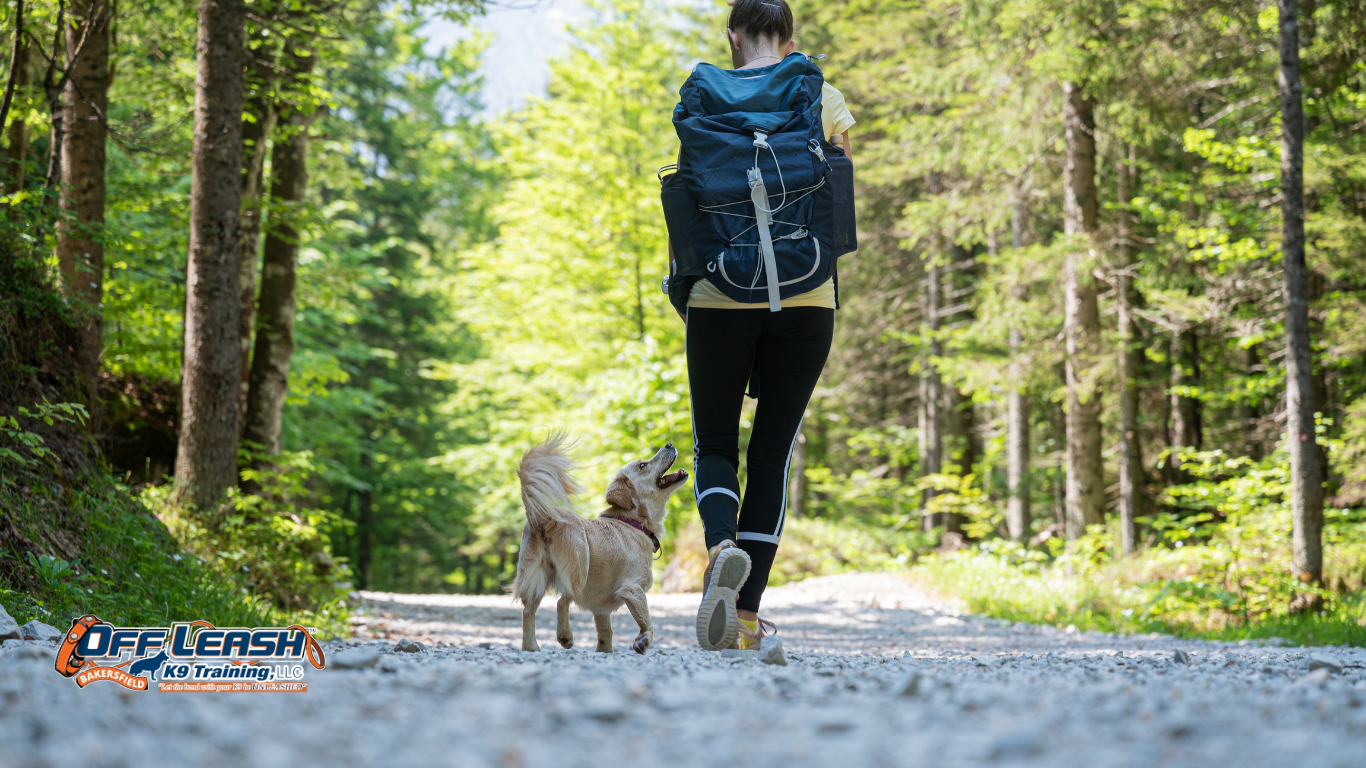
How to Train Your Dog to Pay Attention Outdoors
Introduction: Why Dogs Struggle to Pay Attention Outdoors
Getting a dog to pay attention indoors can be relatively easy. Outside, however, the environment becomes much more interesting. New smells, sounds, people, animals, movement, and unfamiliar surroundings can compete for your dog’s attention.
A dog that listens well inside the home may suddenly seem distracted once they step outside. This does not necessarily mean the dog has forgotten their training. Outdoor environments simply require a higher level of focus.
The goal is to gradually teach your dog that they can explore their surroundings while still checking in with you and responding to familiar cues.
What Does “Outdoor, Pay Attention” Mean in Dog Training?
Outdoor, Pay Attention refers to teaching a dog to remain responsive to their owner while outside and surrounded by distractions.
This does not mean expecting your dog to stare at you throughout an entire walk.
Instead, useful outdoor attention can include:
- Looking toward you when called
- Responding to their name
- Checking in voluntarily
- Following a simple cue
- Changing direction with you
- Returning attention after noticing a distraction
- Walking calmly beside you
The goal is to create a balance between exploration and communication.
Why Dogs Lose Focus Outside
Outdoor environments provide significantly more stimulation than most indoor spaces.
Dogs may encounter:
- New smells
- Other dogs
- Wildlife
- People
- Vehicles
- Bicycles
- Children
- Loud noises
- Moving objects
- Food
- New surfaces
- Changes in weather
Dogs naturally want to investigate these things.
A dog may also become excited, nervous, curious, or frustrated depending on what they encounter.
When there are many competing distractions, the dog may have difficulty responding to cues they already know.
This is why outdoor training should usually begin with manageable environments rather than immediately moving into the busiest location available.
Common Outdoor Distractions That Compete for Your Dog’s Attention
Different dogs have different triggers and interests.
Other Dogs
Another dog may immediately attract your dog’s attention, particularly if your dog enjoys social interaction or becomes excited around other animals.
Wildlife
Birds, squirrels, rabbits, and other animals can trigger chasing or intense curiosity.
Smells
Dogs experience the world largely through their sense of smell. An interesting scent can be extremely rewarding to investigate.
People
Joggers, children, visitors, or groups of people can easily capture a dog’s attention.
Moving Objects
Skateboards, bicycles, vehicles, and runners can create additional challenges.
Sounds
Construction, barking dogs, traffic, alarms, and unfamiliar noises may also interrupt a dog’s concentration.
Understanding what distracts your individual dog can help you create a more effective training plan.
Building Focus Before Increasing Outdoor Distractions
Before asking your dog to focus in a highly stimulating environment, build a strong foundation in easier locations.
Start with simple exercises indoors.
For example:
Dog’s name → dog looks toward you → reward
Once the response becomes reliable, move to a quieter outdoor area.
You can gradually progress from:
Inside → backyard → quiet outdoor area → quiet neighborhood → busier environment
If your dog’s attention decreases dramatically, reduce the difficulty.
Training should challenge the dog without repeatedly overwhelming them.
How Rewards Can Improve Outdoor Attention
Rewards can help your dog understand that paying attention to you has value.
Food treats are one option, but rewards can also include:
- Praise
- Toys
- Play
- Petting
- Permission to sniff
- Access to an interesting area
- Moving toward something the dog wants
For example, if your dog checks in with you during a walk, you might reward the behavior and then allow them to continue exploring.
This teaches an important concept:
Paying attention to the owner does not mean the fun has to stop.
Instead, appropriate attention can become part of the dog’s outdoor experience.
The Role of Distance, Timing, and Consistency
Three factors can make outdoor training much easier: distance, timing, and consistency.
Distance
If your dog cannot focus around another dog at 10 feet, try 30 or 40 feet instead.
More distance can reduce the intensity of a distraction and give your dog a better opportunity to respond.
Timing
Reward attention when it happens.
If your dog looks at you immediately after hearing their name, reinforce that behavior promptly.
Consistency
Practice regularly.
A few minutes of focused practice during everyday outings can provide valuable learning opportunities.
The objective is not to make every walk a formal training session. Instead, use natural moments throughout the day to reinforce the behaviors you want.
Common Owner Mistakes When Training Dogs Outdoors
Starting in an Environment That Is Too Difficult
Repeating Cues
Repeatedly calling the dog’s name or giving the same command can reduce the importance of the cue.
Expecting Perfect Focus
Dogs need opportunities to explore and sniff. Expecting constant attention is unrealistic for most dogs.
Ignoring Early Signs of Distraction
A dog may show increased interest in something before they completely lose focus.
Recognizing this early can provide an opportunity to redirect attention.
Moving Too Close to Distractions
If a dog becomes overwhelmed, creating more distance can make training easier.
Using the Same Reward Everywhere
A reward that works perfectly inside may not be motivating enough outdoors.
How to Train Your Dog to Pay Attention Outdoors
Start somewhere quiet and familiar.
Step 1: Practice Attention Indoors
Say your dog’s name once.
When they look toward you, reward them.
Step 2: Move Outside
Practice in a low-distraction outdoor area.
Keep sessions short.
Step 3: Reward Voluntary Check-Ins
Whenever your dog naturally looks toward you, reward that choice.
Step 4: Add Mild Distractions
Introduce distractions gradually.
Don’t immediately test your dog’s focus around the most exciting trigger.
Step 5: Increase Distance When Needed
If your dog struggles, move farther away from the distraction.
Step 6: Practice Different Locations
Once your dog is successful, practice in several environments.
Step 7: Gradually Increase Difficulty
Add more distractions, longer durations, or more challenging environments one variable at a time.
Helping Dogs Build Better Outdoor Focus With BakersfieldDogTrainer.com
BakersfieldDogTrainer.com can help owners develop practical focus and obedience skills that transfer into outdoor environments.
Training may address:
- Outdoor attention
- Focus
- Leash skills
- Impulse control
- Recall foundations
- Distraction management
- Obedience
- Everyday manners
- Handler communication
Every dog has different challenges.
Some dogs may struggle primarily with smells, while others may become highly distracted by animals, people, or movement.
Training can be adjusted to the dog’s individual needs and current skill level.
Long-Term Benefits of Better Outdoor Attention
Building better outdoor focus can make everyday activities more manageable.
Potential benefits include:
- Better communication
- Improved leash walking
- Faster responses to cues
- Stronger focus
- Better impulse control
- Improved distraction management
- More reliable obedience
- Greater confidence during outings
- Better owner-dog cooperation
- A stronger foundation for advanced training
Outdoor attention is not about preventing dogs from enjoying their environment.
It is about teaching them that they can explore while remaining connected to their owner.
10 Frequently Asked Questions
1. Why does my dog listen inside but not outside?
Outdoor environments contain significantly more distractions. Your dog may need to gradually practice their skills in increasingly challenging environments.
2. How can I get my dog to focus on me outside?
Start in a quiet outdoor area, reward attention, and gradually introduce distractions.
3. Should I use treats during outdoor training?
Treats can be effective rewards, especially when teaching a new behavior or working around distractions.
4. Why does my dog ignore me when they smell something interesting?
Smells can be highly rewarding to dogs. Instead of eliminating sniffing, teach your dog to check in with you and then provide appropriate opportunities to explore.
5. How long should outdoor training sessions be?
Short sessions can be effective. The ideal length depends on your dog’s attention span, experience, and the difficulty of the environment.
6. Should my dog constantly look at me during walks?
No. Dogs need opportunities to explore and sniff. The goal is responsive attention rather than constant eye contact.
7. What should I do if my dog becomes too distracted?
Increase distance from the distraction and move to a quieter environment where your dog can respond successfully.
8. Can puppies learn to pay attention outdoors?
Yes. Puppies can begin learning outdoor focus through short, positive training sessions appropriate for their age and experience.
9. Can outdoor attention improve leash walking?
Yes. A dog that can respond to their handler around distractions may have an easier time developing better leash skills.
10. When should I consider professional training?
Professional guidance can be useful when outdoor distractions are difficult to manage, your dog consistently struggles to respond, or you want an individualized training plan.
Comprehensive Conclusion
Teaching a dog to pay attention outdoors requires patience, gradual progression, and realistic expectations.
The outside world is filled with distractions that simply do not exist inside the home. Rather than expecting immediate focus, begin in manageable environments and gradually increase the difficulty.
Reward your dog for checking in, responding to their name, following cues, and returning their attention after noticing distractions.
Remember that outdoor training is not about stopping your dog from exploring. Sniffing, observing, and investigating are normal parts of being a dog.
The goal is to build a healthy balance where your dog can enjoy the environment while still being responsive to you.
With consistent practice, appropriate rewards, good timing, and gradual exposure to distractions, outdoor attention can become a reliable part of your dog’s everyday skills. BakersfieldDogTrainer.com can help owners build these practical behaviors and apply them to real-world situations.
Website Contact Form
"*" indicates required fields