How to Teach a Dog to Stay Focused Around Wildlife
Why Dogs Struggle to Stay Focused Around Wildlife
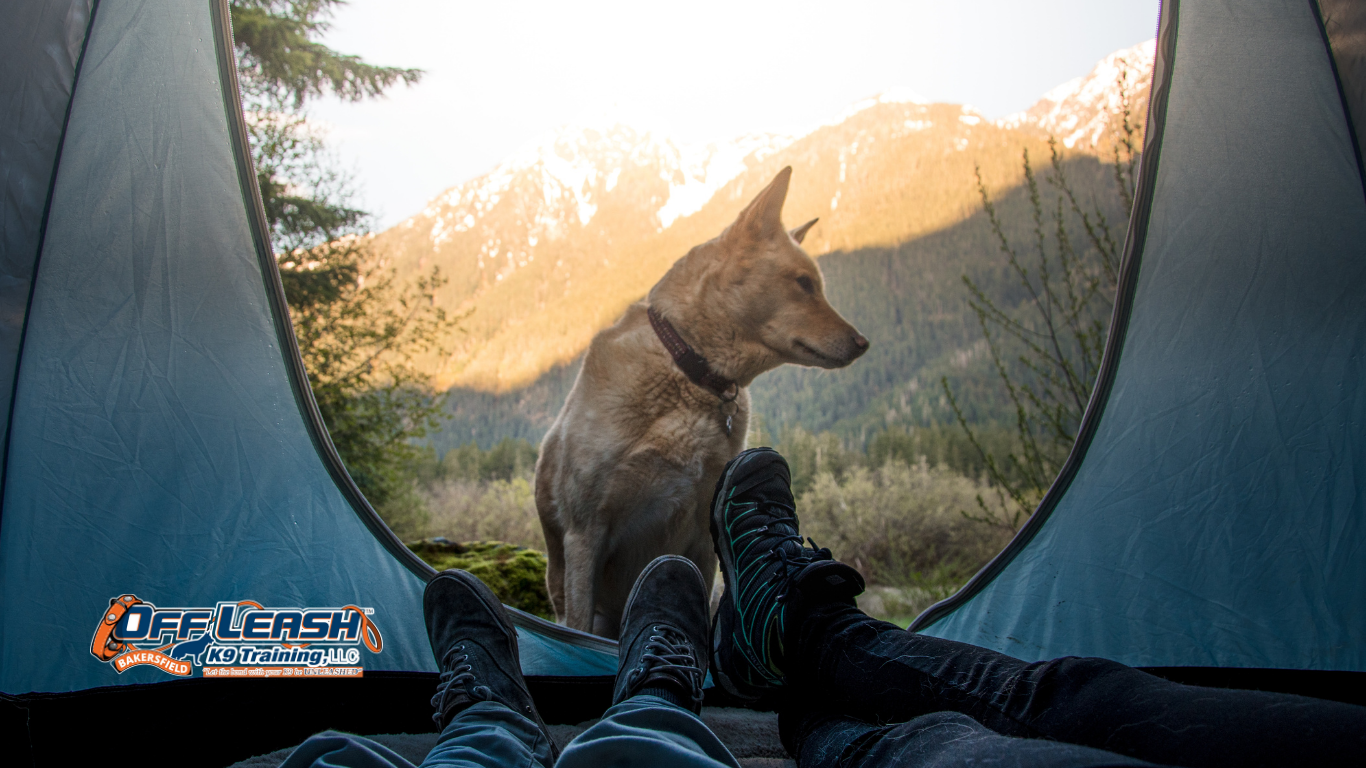
Dogs naturally notice movement, sounds, scents, and unfamiliar animals. Wildlife can be especially difficult for a dog to ignore because a rabbit running across a path, a squirrel climbing a tree, or a bird suddenly taking flight can trigger an immediate response.
For some dogs, seeing wildlife leads to staring, pulling, barking, lunging, whining, or attempting to chase. These behaviors do not necessarily mean a dog is aggressive. They may be connected to curiosity, excitement, frustration, fear, or a strong instinct to pursue movement.
Teaching a dog to stay focused around wildlife is therefore less about forcing the dog to ignore every animal and more about developing reliable attention, impulse control, and calm decision-making. With appropriate distance, consistent practice, positive reinforcement, and good management, dogs can learn that noticing wildlife does not automatically mean they should chase or react.
1. What Does “Focus, Wildlife” Mean in Dog Training?
Focus, wildlife refers to a dog’s ability to notice wildlife without immediately becoming controlled by the distraction.
A focused dog might see a squirrel, pause briefly, and then redirect attention toward their owner. The goal is not necessarily for the dog to pretend the wildlife does not exist. Instead, the dog learns to observe the distraction while remaining responsive.
Good focus can include behaviors such as:
- Looking toward the owner when called
- Responding to a familiar cue
- Walking without immediately pulling toward wildlife
- Pausing before moving forward
- Disengaging from an animal after noticing it
- Remaining within a safe distance
- Recovering calmly after the wildlife disappears
This is an important part of real-world dog training because wildlife rarely appears according to a training schedule. A dog may encounter animals during neighborhood walks, hikes, outdoor activities, or even in the backyard.
2. Why Dogs Become Distracted by Wildlife
Wildlife can be extremely rewarding for dogs to watch, investigate, or chase. Movement is particularly powerful. A small animal suddenly running across a dog’s path can capture attention faster than many ordinary distractions.
Several factors can contribute to this behavior.
Movement: Fast-moving animals can trigger an immediate pursuit response.
Scent: Dogs have an extraordinary sense of smell and may detect wildlife before their owners see anything.
Novelty: An animal that rarely appears in a particular environment may become especially interesting.
Excitement: Some dogs become highly stimulated simply because another animal is nearby.
Frustration: A dog may want to approach or chase wildlife but become frustrated when the leash prevents access.
Fear: Not every wildlife reaction is about chasing. Some dogs become nervous when they encounter unfamiliar animals.
A dog’s individual temperament, previous experiences, training history, and environment can all influence the intensity of the response.
3. Prey Drive vs. Excitement, Curiosity, and Fear
It is easy to describe every wildlife reaction as “prey drive,” but dog behavior can be more complicated.
A dog staring at a rabbit may be highly interested in movement. Another dog may bark because the animal makes them nervous. A third dog may pull forward because they are excited and want to investigate.
Understanding the motivation behind the behavior helps determine the appropriate training approach.
Prey-oriented behavior may involve intense visual fixation, stalking, chasing, or attempting to pursue a moving animal.
Excitement may involve pulling, whining, jumping, rapid movement, or difficulty responding to familiar cues.
Curiosity may look like sniffing, observing, or carefully investigating without significant escalation.
Fear can involve backing away, hiding, freezing, barking defensively, or attempting to create distance.
There can also be overlap. A dog may begin with curiosity and become increasingly excited as the animal moves.
Rather than labeling the dog based on one behavior, owners should look at the entire body-language picture and consider what happens before, during, and after the reaction.
4. Common Wildlife Triggers for Dogs
Wildlife triggers vary depending on where a dog lives and spends time.
Common examples include:
- Squirrels
- Rabbits
- Birds
- Cats
- Raccoons
- Opossums
- Coyotes
- Rodents
- Deer
- Other small animals
Even insects or unusual movement in vegetation can capture a dog’s attention.
The environment also matters. A dog may behave calmly on a familiar sidewalk but become much more distracted on a hiking trail where scents and wildlife activity are stronger.
Owners should identify which animals create the strongest reaction and under what circumstances the behavior occurs.
For example, a dog might ignore a stationary squirrel but immediately pull when it runs. Another dog might become distracted by birds overhead but remain calm around animals on the ground.
Recognizing these patterns makes training more precise.
5. Reading Your Dog’s Body Language Around Wildlife
Body language can provide valuable information before a dog begins pulling, barking, or chasing.
Early signs of increasing arousal may include:
- Staring intensely
- Closing the mouth suddenly
- Leaning forward
- Becoming very still
- Raising the head
- Ears becoming highly focused on the animal
- Tightening the body
- Moving faster
- Ignoring familiar cues
More intense reactions may include lunging, barking, whining, spinning, or attempting to chase.
Learning to recognize the early stages of arousal gives owners an opportunity to redirect the dog before the behavior becomes difficult to manage.
Distance is particularly important. If the dog cannot respond to their name, take a familiar treat, or disengage from the animal, the distraction may currently be too intense.
Moving farther away can make it easier for the dog to think, respond, and learn.
6. The Role of Impulse Control and Emotional Regulation
Focus around wildlife is closely connected to impulse control.
A dog may notice something exciting without immediately acting on it. That pause is an important training skill.
Impulse control can be developed through everyday exercises such as:
- Waiting before going through doors
- Pausing before receiving food
- Responding to a recall cue
- Practicing attention around mild distractions
- Waiting calmly before greeting people
- Disengaging from toys on cue
Emotional regulation is equally important. A dog that becomes overwhelmed by excitement may technically know a command but be unable to respond when the distraction becomes intense.
Training should therefore progress gradually.
Start with manageable distractions and build toward more difficult situations. The goal is to help the dog remain under a level of arousal where learning and communication are still possible.
7. Common Owner Mistakes When Dogs See Wildlife
Wildlife encounters can happen unexpectedly, which sometimes leads owners to react instinctively.
One common mistake is waiting until the dog is already lunging before attempting to redirect them. At that point, getting the dog’s attention may be much harder.
Another mistake is allowing repeated chasing opportunities. Every successful chase can make the behavior more rewarding and potentially harder to interrupt.
Other common mistakes include:
- Training too close to wildlife
- Repeating cues when the dog is not responding
- Using inconsistent rules
- Allowing the dog to rehearse chasing
- Punishing fear-based reactions
- Expecting immediate results
- Practicing only in quiet indoor environments
- Ignoring early body-language signals
Management is an important part of training. Keeping a safe distance, using appropriate equipment, and choosing controlled environments can prevent unnecessary rehearsals of unwanted behavior while new skills are being developed.
8. How to Teach a Dog to Stay Focused Around Wildlife
Teaching wildlife focus should begin in situations where the dog can succeed.
Start by practicing attention in low-distraction environments. Reward the dog for voluntarily looking toward you, responding to their name, and disengaging from mild distractions.
Once those skills are reliable, gradually introduce more challenging environments.
A useful progression may look like:
When the dog notices wildlife, avoid immediately rushing toward or away from the trigger. Instead, create enough distance for the dog to remain responsive.
Reward behaviors such as:
- Looking at you
- Turning away from the wildlife
- Walking calmly
- Responding to a cue
- Checking in voluntarily
- Remaining relaxed
The timing of reinforcement matters. Rewarding the dog while they are still capable of making good choices helps strengthen those choices.
Recall training can also be valuable, particularly for dogs that may encounter wildlife in open areas. However, owners should not rely solely on recall in situations where the dog could chase wildlife into traffic, dangerous terrain, or another unsafe area. Physical management and appropriate leash use remain essential.
9. Focus and Wildlife Training in Bakersfield
Bakersfield dog owners may encounter wildlife and other outdoor distractions in neighborhoods, parks, yards, walking areas, and surrounding outdoor environments.
Dogs can encounter birds, rabbits, squirrels, rodents, and other animals while exploring their surroundings. Outdoor smells and movement can make maintaining attention considerably harder than practicing inside the home.
For local training, it can be helpful to work on several connected skills:
- Leash manners
- Recall
- Impulse control
- Attention cues
- Calm walking
- Disengagement
- Environmental awareness
- Emotional regulation
Bakersfield dog training can also emphasize transferring skills from controlled practice into everyday environments. The goal is not simply to create a dog that listens perfectly in a quiet room, but a dog that can make better choices when the world becomes interesting.
10. Long-Term Benefits of Better Focus Around Wildlife
Teaching a dog to remain focused around wildlife can provide benefits well beyond one specific distraction.
Better focus can contribute to:
- Safer walks
- Improved leash manners
- Stronger recall skills
- Better impulse control
- Increased responsiveness
- More predictable outdoor behavior
- Reduced chasing opportunities
- Greater confidence around distractions
- Easier management in new environments
- Stronger communication between dogs and owners
Perhaps most importantly, the dog learns that noticing something exciting does not automatically require immediate action.
That lesson can transfer to many other situations, including people, other dogs, bicycles, vehicles, noises, and unfamiliar environments.
11. 10 Frequently Asked Questions
1. Why does my dog lose focus when they see wildlife?
2. Can every dog learn to ignore wildlife?
Dogs can learn better responses, but the amount of training required varies. Some dogs may always find wildlife highly interesting and will need continued management.
3. Should I let my dog chase squirrels?
Generally, intentionally allowing a dog to chase wildlife is not a good training strategy. Chasing can reinforce the behavior and create safety risks.
4. What should I do when my dog sees a rabbit?
5. Why won’t my dog listen when wildlife is nearby?
The distraction may currently be too difficult. Increase distance and practice at a lower level of distraction before progressing.
6. Is chasing wildlife always caused by prey drive?
No. Dogs can react to wildlife because of excitement, curiosity, fear, frustration, or a combination of motivations.
7. Can treats help with wildlife training?
Yes. Food rewards can reinforce attention, calm behavior, disengagement, and responsiveness when used appropriately.
8. Should I punish my dog for chasing animals?
Punishment may not address the underlying motivation and can create additional stress. Teaching an alternative behavior while managing the environment is generally more productive.
9. When should I get professional dog training?
10. How long does wildlife focus training take?
There is no universal timeline. Progress depends on the dog’s temperament, training history, environment, consistency, and the intensity of the wildlife trigger.
12. Comprehensive Conclusion
Teaching a dog to stay focused around wildlife is a gradual process built around attention, impulse control, emotional regulation, and safe management.
Wildlife can trigger strong reactions because of movement, scent, curiosity, excitement, fear, or pursuit instincts. Instead of expecting a dog to immediately ignore these distractions, owners can teach them how to notice wildlife and then redirect their attention toward a safer, more appropriate behavior.
Successful training begins at a manageable distance and progresses gradually. Reward calm choices, practice disengagement, strengthen recall and leash skills, and avoid repeatedly allowing the dog to rehearse chasing.
With patience and consistency, wildlife can become another opportunity for your dog to practice focus, self-control, and calm decision-making. These skills can ultimately make walks and outdoor experiences safer, more enjoyable, and easier to manage for both dogs and their owners.
Website Contact Form
"*" indicates required fields