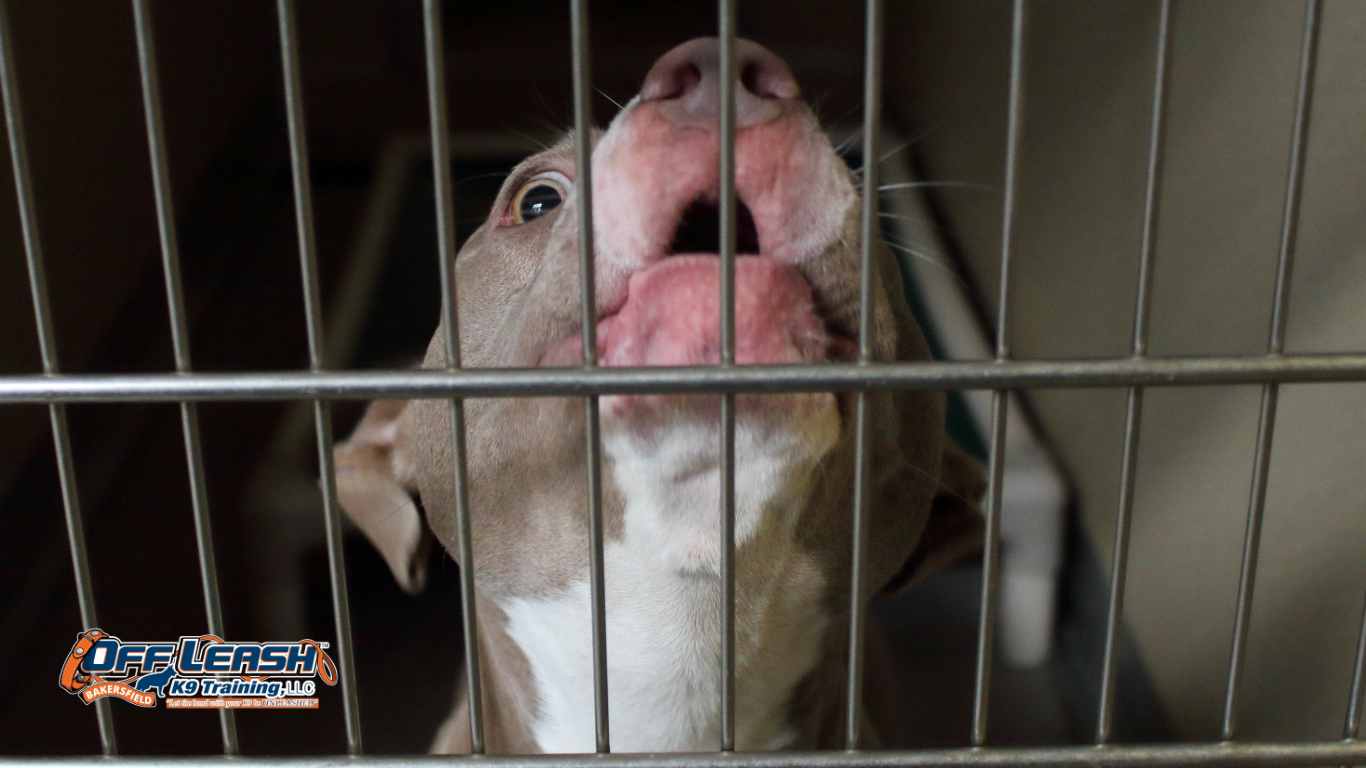
Bark Inside Their Crate: Why Puppies Bark Inside Their Crate
Crate training is one of the most valuable skills a puppy can learn, but it often comes with an adjustment period. If your puppy barks inside their crate, you’re not alone. Barking, whining, and restlessness are common behaviors as puppies learn that the crate is a safe place rather than something to fear.
For young puppies, the crate represents a completely new experience. They may be separated from their littermates for the first time, adjusting to a different home, or learning a new daily routine. Because of these changes, barking is often a normal form of communication rather than a sign that crate training is failing.
Puppies that bark inside their crate may also:
- Whine
- Cry
- Paw at the crate door
- Turn in circles
- Bite the crate bars
- Pace before lying down
- Bark when people leave the room
- Refuse to settle
- Become quiet and then bark again
- Wake and bark during the night
These behaviors are usually connected to emotional arousal rather than stubbornness. Some puppies bark because they are excited, while others bark because they are uncertain, overtired, or simply have not yet learned how to relax in the crate.
Several factors can contribute to crate barking, including:
- Normal adjustment to a new home
- Separation from people
- Inconsistent crate routines
- Overtiredness
- Boredom
- Potty needs
- Lack of positive crate associations
- Limited emotional regulation
The encouraging news is that most puppies adapt well with patient, positive crate training. By creating predictable routines, rewarding calm behavior, and introducing the crate gradually, owners help puppies develop confidence and learn that the crate is a comfortable place to rest.
For Bakersfield puppy owners, successful crate training provides benefits that extend far beyond bedtime. A puppy that feels comfortable in their crate often develops better household manners, improved emotional regulation, easier travel habits, and greater confidence throughout life.
Key Takeaways
- Barking in the crate is common during puppyhood.
- Most crate barking is caused by adjustment, excitement, or anxiety rather than stubbornness.
- Positive crate experiences build long-term confidence.
- Consistent routines help puppies settle more quickly.
- Emotional regulation improves relaxation.
- Puppies need appropriate potty breaks during crate training.
- Reward calm behavior whenever possible.
- Avoid using the crate as punishment.
- Patience and consistency are essential.
- Most puppies learn to relax comfortably in their crate through structured, positive training.
What Does “Bark Inside Their Crate” Mean?
When puppies bark inside their crate, they vocalize because they are trying to communicate a need, emotion, or level of excitement. Barking during crate training is extremely common, especially during the first few days or weeks after a puppy arrives in a new home.
Many owners worry that crate barking means their puppy dislikes the crate.
Fortunately, that is not always the case.
Most puppies simply need time to learn that the crate is a safe, predictable place where they can relax.
Young puppies experience many changes at once, including:
- Leaving their littermates
- Living in a new home
- Meeting unfamiliar people
- Following a new routine
- Sleeping alone
Because everything feels different, barking often becomes their way of expressing uncertainty or excitement.
Puppies that bark inside their crate may also:
- Whine
- Cry
- Paw at the crate door
- Turn in circles
- Bite the crate bars
- Pant
- Pace before lying down
- Refuse to settle
- Wake and bark during the night
- Become quiet briefly before barking again
These behaviors usually reflect emotional arousal rather than stubbornness.
Understanding why puppies bark helps owners respond with patience while building positive crate experiences.
Why Barking Is Normal During Crate Training
For many puppies, the crate is completely unfamiliar.
They have not yet learned:
- The crate is safe.
- Someone will return.
- Rest happens inside the crate.
- Calm behavior leads to positive experiences.
These lessons develop gradually through repetition and consistency.
Why Puppies Bark in the Crate
Several factors can cause crate barking.
Often, more than one contributes to the behavior.
Adjusting to a New Home
Moving into a new environment is a major life change.
Everything feels unfamiliar.
New smells.
New sounds.
New people.
New routines.
Some puppies naturally vocalize while adjusting.
Needing a Potty Break
Young puppies have very small bladders.
Sometimes barking communicates a genuine need to go outside.
Consider:
- Age
- Time since the last potty break
- Water intake
- Daily schedule
Meeting legitimate physical needs should always come first.
Overtiredness
Many owners assume barking means the puppy has too much energy.
Often, the opposite is true.
Overtired puppies commonly become:
- Barky
- Mouthy
- Restless
- Hyperactive
- Unable to settle
Scheduled naps often reduce these behaviors significantly.
Excess Excitement
Sometimes puppies bark simply because exciting things are happening nearby.
Examples include:
- Family members talking
- Children playing
- Other pets moving around
- Visitors arriving
Their emotional arousal makes relaxation more difficult.
Separation vs. Attention-Seeking
Owners often wonder whether their puppy is experiencing separation anxiety or simply asking for attention.
The answer depends on the emotional motivation.
Separation-Related Barking
Puppies experiencing separation concerns may:
- Bark immediately after being left alone
- Cry continuously
- Pace inside the crate
- Pant heavily
- Scratch persistently
- Struggle to settle
These puppies feel uncertain when separated from people.
Their goal is restoring proximity.
Attention-Seeking Barking
Some puppies quickly discover:
“I bark.”
“Someone comes.”
If barking consistently brings interaction, puppies may repeat the behavior.
However, attention-seeking itself usually begins because interaction has been rewarded repeatedly.
Why the Difference Matters
Both situations involve barking.
However, the emotional causes differ.
A frightened puppy requires confidence-building.
An excited puppy benefits from learning patience and relaxation.
Understanding the underlying emotion leads to more effective training.
The Importance of Positive Crate Associations
Successful crate training depends on helping puppies associate the crate with positive experiences.
The crate should become one of the safest places in the home.
Positive experiences include:
- Meals inside the crate
- Favorite toys
- Stuffed food puzzles
- Comfortable bedding
- Quiet rest
- Calm praise
- Short successful crate sessions
Repeated positive experiences gradually replace uncertainty with confidence.
Why Puppies Learn Through Repetition
Every crate experience teaches something.
If crate time always predicts:
- Rest
- Comfort
- Safety
- Rewards
the puppy begins entering willingly.
Consistency creates trust.
Avoid Making the Crate Feel Negative
The crate should never become associated with punishment.
Avoid:
- Sending the puppy to the crate because they were “bad.”
- Yelling while placing them inside.
- Forcing them into the crate roughly.
Instead, encourage voluntary entry whenever possible.
Body Language Before Barking
Puppies almost always display body language before vocalizing.
Recognizing these early signals allows owners to respond proactively.
Common signs include:
- Pacing
- Turning repeatedly
- Sitting and standing repeatedly
- Looking toward the door
- Pawing lightly
- Panting
- Lip licking
- Restlessness
- Ears moving toward household sounds
- Difficulty lying down
These signals often appear several seconds before barking begins.
Emotional Escalation Happens Gradually
Most puppies follow a predictable sequence.
First:
They become alert.
Next:
They become restless.
Then:
They vocalize.
Recognizing early signs helps owners build calm routines before emotional arousal reaches its peak.
Emotional Regulation During Crate Training
Puppies with stronger emotional regulation can:
- Enter the crate willingly.
- Lie down calmly.
- Rest quietly.
- Recover after hearing household sounds.
- Settle without constant reassurance.
These abilities develop through repeated positive experiences.
Helpful crate-training exercises include:
- Short crate sessions
- Feeding meals inside the crate
- Stuffed enrichment toys
- Calm bedtime routines
- Scheduled naps
- Rewarding quiet behavior
- Gradually increasing crate time
Rather than expecting puppies to feel comfortable immediately, owners should view crate training as a gradual confidence-building process. Every calm crate session, every successful nap, and every positive association teaches the puppy that the crate is a safe place to rest. Over time, emotional regulation improves, barking decreases, and the crate becomes a familiar environment where puppies can relax comfortably whether their family is nearby or briefly out of sight.
Common Owner Mistakes
Helping puppies feel comfortable in their crate requires patience and consistency. Unfortunately, many owners unintentionally make crate training more difficult by responding to barking in ways that increase excitement or uncertainty.
Recognizing these common mistakes helps puppies develop confidence while learning that the crate is a safe place to rest.
Using the Crate as Punishment
One of the biggest mistakes is sending a puppy to the crate after they have done something wrong.
For example:
- After chewing furniture
- After jumping on guests
- After having an accident
- After barking excessively
If the crate consistently follows unpleasant experiences, puppies may begin viewing it as a place of isolation rather than comfort.
Instead, the crate should remain associated with:
- Rest
- Relaxation
- Meals
- Enrichment toys
- Positive experiences
Letting the Puppy Out Every Time They Bark
Many owners naturally want to stop the barking.
If the puppy barks and the crate door immediately opens, the puppy quickly learns:
“I bark.”
“The door opens.”
This unintentionally reinforces barking.
Instead, whenever possible, wait for a brief moment of quiet before opening the crate, provided the puppy does not urgently need a potty break.
Leaving Puppies in the Crate Too Long
Young puppies cannot remain crated for extended periods.
Long crate sessions may lead to:
- Frustration
- Barking
- Restlessness
- Potty accidents
- Anxiety
Puppies need regular opportunities for:
- Potty breaks
- Exercise
- Play
- Social interaction
- Training
Age-appropriate crate schedules help prevent unnecessary stress.
Skipping Exercise Before Crate Time
A puppy that has excess energy may struggle to relax.
Before crate sessions, provide:
- Short walks
- Play sessions
- Basic training
- Mental enrichment
- Sniffing opportunities
A mentally satisfied puppy usually settles more easily.
Responding Inconsistently
Sometimes owners ignore barking.
Other times they comfort the puppy immediately.
Sometimes they scold.
Sometimes they open the crate.
Mixed responses create confusion.
Consistency helps puppies understand what to expect.
Teaching Puppies to Relax in Their Crate
The goal of crate training is not simply quiet behavior.
The goal is helping puppies genuinely feel calm and secure while resting.
Feed Meals Inside the Crate
One of the easiest ways to build positive associations is feeding every meal inside the crate.
The puppy begins connecting the crate with:
- Food
- Safety
- Routine
- Comfort
Many puppies eventually enter voluntarily at mealtime.
Use Food Puzzle Toys
Offer enrichment items such as:
- Stuffed rubber toys
- Safe chew items
- Food puzzles
- Frozen enrichment treats
These activities encourage relaxation and help puppies settle during crate time.
Practice Short Sessions
Rather than starting with long crate periods, begin with several short, successful sessions throughout the day.
For example:
- Two minutes
- Five minutes
- Ten minutes
Gradually increase the duration as your puppy becomes more comfortable.
Small successes build confidence.
Reward Calm Behavior
Whenever your puppy lies quietly in the crate:
- Offer calm praise.
- Provide an occasional treat.
- Keep your voice relaxed.
Rewarding calm behavior helps puppies understand what earns positive outcomes.
Build Independence Gradually
Practice moving a short distance away from the crate before returning.
Increase the time and distance slowly.
This teaches puppies that people leaving is temporary and predictable.
Bark Inside Their Crate in Bakersfield
For Bakersfield puppy owners, crate training is one of the most valuable early life skills.
A well crate-trained puppy is often easier to manage during:
- Veterinary visits
- Grooming appointments
- Car travel
- Boarding stays
- Family vacations
- Recovery after medical procedures
- Household routines
- Emergency situations
Professional puppy training helps Bakersfield owners develop:
- Positive crate routines
- Emotional regulation
- Independence
- Household manners
- Confidence
- Relaxation skills
Early guidance often prevents small crate-training challenges from becoming long-term habits.
Long-Term Benefits of Crate Training
Positive crate training creates benefits that extend far beyond puppyhood.
Long-term advantages include:
- Better emotional regulation
- Increased independence
- Improved confidence
- Easier travel
- Safer recovery after illness or surgery
- Better household manners
- Reduced stress during emergencies
- Improved veterinary visits
- Stronger daily routines
- Greater overall adaptability
Dogs that view the crate as a comfortable resting place often transition more easily through many different life experiences.
Frequently Asked Questions
1. Is it normal for puppies to bark in their crate?
Yes. Barking is common during the early stages of crate training as puppies adjust to a new environment and routine.
2. How long does crate training usually take?
Every puppy is different. Some adjust within a few days, while others may require several weeks of consistent, positive practice.
3. Should I ignore crate barking?
It depends. If your puppy has recently had a potty break and all of their needs have been met, waiting briefly for a quiet moment before responding can help avoid reinforcing barking. However, very young puppies may genuinely need to go outside.
4. Should I cover the crate?
Some puppies relax with a partially covered crate because it reduces visual stimulation, while others prefer more visibility. Observe your puppy’s response and choose the option that helps them settle best.
5. Why does my puppy bark more at night?
Nighttime barking often occurs because puppies are adjusting to sleeping alone, need a potty break, or are still becoming comfortable with their new surroundings.
6. Can crate training reduce separation anxiety?
Crate training alone does not treat separation anxiety, but positive crate experiences can help puppies develop independence and confidence when introduced gradually.
7. What should I put inside the crate?
Comfortable bedding (when appropriate), safe chew toys, food puzzle toys, and water when needed all help create a positive environment. Choose items that are safe for your puppy’s age and chewing habits.
8. Can professional puppy training help with crate barking?
Absolutely. Professional trainers can identify why your puppy is barking and create a personalized training plan that builds confidence while improving crate routines.
9. Should the crate be in my bedroom?
For many young puppies, placing the crate near the owner’s bed during the first few weeks helps them adjust more comfortably before gradually increasing independence.
10. Will my puppy eventually enjoy the crate?
Most puppies do. With consistent positive experiences, predictable routines, and patience, many dogs come to view their crate as a safe place to rest and willingly enter it on their own.
Comprehensive Conclusion
Bark Inside Their Crate is one of the most common challenges new puppy owners face, but it is usually a normal part of the adjustment process rather than a sign that crate training is failing. Puppies are adapting to a new home, new routines, and often their first experience sleeping away from their littermates. Barking is simply one way they communicate uncertainty, excitement, discomfort, or a temporary need.
The encouraging news is that most puppies learn to love their crate when training focuses on building positive associations instead of forcing confinement. Feeding meals inside the crate, providing enrichment toys, rewarding calm behavior, and gradually increasing crate time all help puppies understand that the crate is a place of safety, comfort, and relaxation. Consistency, patience, and realistic expectations are the foundation of long-term success.
For Bakersfield puppy owners, crate training offers benefits that extend far beyond the early months of puppyhood. A dog that feels secure in a crate is often easier to travel with, more comfortable during veterinary visits, better prepared for boarding or grooming, and more adaptable during unexpected life events. These skills contribute to a calmer household and a more confident companion.
Ultimately, crate training is about helping puppies develop emotional security, not simply teaching them to be quiet. As trust grows and positive experiences accumulate, most puppies begin entering the crate willingly, resting peacefully, and viewing it as their own safe space. Those early lessons in confidence and independence create lifelong benefits that support good behavior, emotional resilience, and a strong bond between puppy and owner.
Website Contact Form
"*" indicates required fields