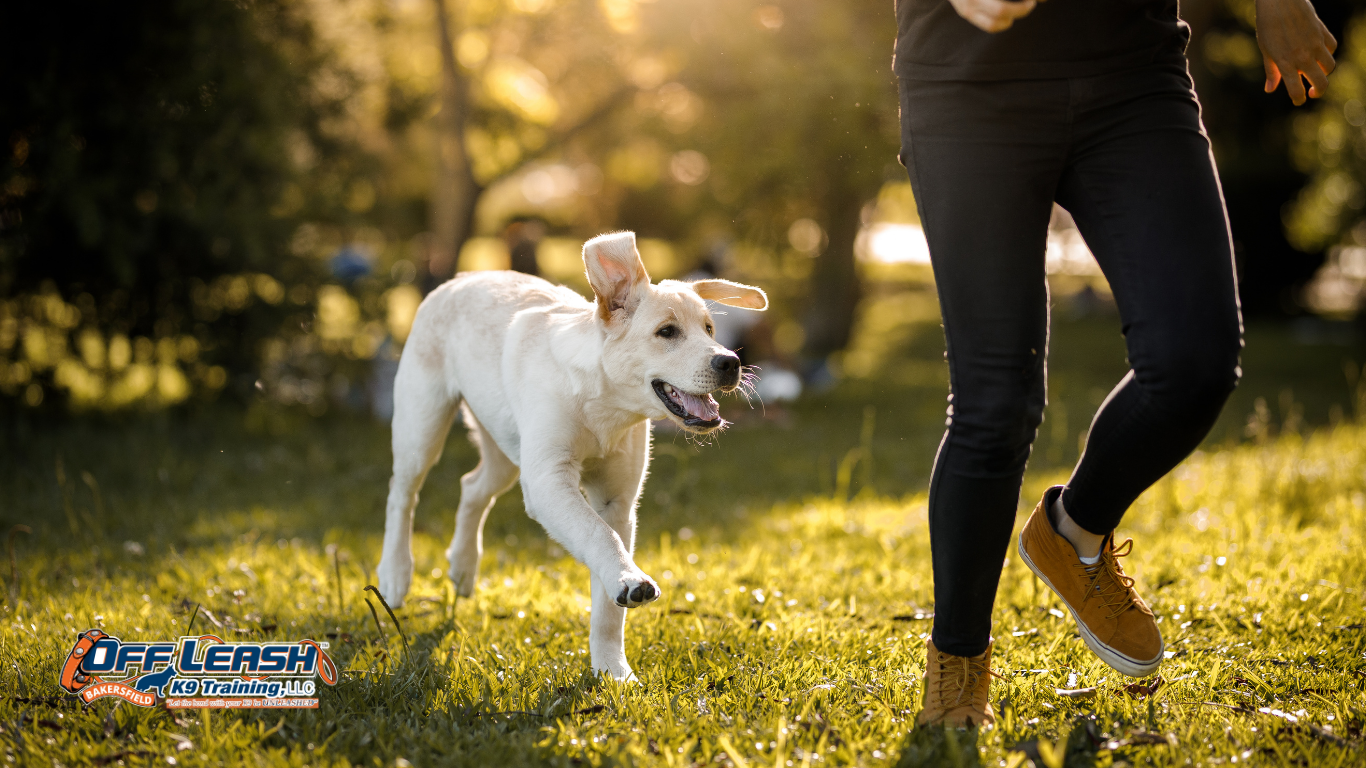
Why Puppies Chase Feet: Understanding and Stopping Foot Chasing Behavior
Watching a puppy dart across the room to chase someone’s feet may seem funny at first, but it can quickly become frustrating when playful chasing turns into nipping, barking, or grabbing at shoes and pant legs. If your puppy chases feet, you’re experiencing one of the most common behaviors seen during puppyhood.
Young puppies explore the world through movement, play, and their mouths. Fast-moving feet naturally capture their attention because they resemble the kind of quick movement that instinctively encourages chasing. Every step, shuffle, or change in direction can trigger a puppy’s desire to play.
Puppies that chase feet may also:
- Nip at shoes
- Grab pant legs
- Bark while chasing
- Jump toward moving feet
- Chase running children
- Follow family members closely
- Become more excited during play
- Ignore verbal cues
- Zoom around the house
- Continue chasing after being redirected
In most cases, this behavior is completely normal and reflects healthy puppy development rather than aggression. Puppies have not yet learned impulse control or appropriate play skills, so they often react immediately when something exciting moves.
Several factors contribute to foot-chasing behavior, including:
- Natural prey drive
- Play instincts
- Teething discomfort
- Excitement
- Limited self-control
- Lack of appropriate outlets
- Reinforced play behavior
- Excess energy
The encouraging news is that puppies are highly capable of learning. Through positive reinforcement, structured play, redirection, and consistent routines, owners can teach puppies to remain calm around moving feet while still satisfying their need for play and exploration.
For Bakersfield puppy owners, addressing this behavior early helps prevent it from becoming a long-term habit. Puppies that learn impulse control during their first months of life often develop into calmer, more focused adult dogs with better household manners.
Key Takeaways
- Chasing feet is a common puppy behavior.
- Moving feet naturally trigger play and chase instincts.
- Teething often increases mouthing behavior.
- Puppies need appropriate outlets for energy.
- Redirection is more effective than punishment.
- Impulse control develops gradually.
- Reward calm behavior consistently.
- Structured play reduces unwanted chasing.
- Early training prevents long-term habits.
- Most puppies outgrow foot chasing with consistent guidance and positive reinforcement.
What Does “Puppies Chase Feet” Mean?
When puppies chase feet, they instinctively run after moving feet, shoes, pant legs, or ankles, often trying to nip, grab, or play with them. While this behavior can become frustrating, especially in busy households, it is one of the most common behaviors seen during puppyhood.
Most puppies are not trying to be aggressive.
Instead, they are responding to movement.
Fast-moving feet naturally trigger a puppy’s instinct to chase because movement captures their attention and encourages play.
Dogs learn about their world through:
- Movement
- Play
- Exploration
- Their mouths
- Social interaction
Young puppies have not yet developed the impulse control needed to ignore exciting motion.
Puppies that chase feet may also:
- Nip at shoes
- Grab pant legs
- Bark while chasing
- Jump toward moving feet
- Follow running children
- Chase people down hallways
- Become excited during family activity
- Ignore verbal cues
- Continue after being redirected
- Experience evening zoomies
These behaviors are usually signs of normal puppy development rather than dominance or aggression.
Understanding why puppies chase helps owners teach better habits before the behavior becomes a long-term routine.
Why Movement Is So Exciting
Movement naturally activates a puppy’s attention.
Every step creates:
- Motion
- Sound
- Direction changes
- Opportunity for interaction
To a curious puppy, moving feet resemble an invitation to play.
Without guidance, puppies simply react.
Why Puppies Chase Moving Objects
Puppies are biologically programmed to notice movement.
Long before becoming family pets, dogs depended on movement to locate prey, avoid danger, and interact with littermates.
Although today’s puppies no longer hunt for survival, those instincts remain.
Common moving objects that attract puppies include:
- Feet
- Shoes
- Pant legs
- Running children
- Toys
- Balls
- Bicycles
- Leaves blowing in the wind
- Other pets
- Wildlife
Fast movement naturally increases excitement.
The Chase Instinct
Many breeds possess varying levels of prey drive.
Prey drive does not necessarily mean aggression.
Instead, it reflects an instinctive desire to:
- Chase
- Catch
- Investigate
- Interact with movement
Foot chasing often satisfies this natural instinct.
Play Builds Social Skills
Puppies spend much of their early life chasing one another.
During play they learn:
- Bite inhibition
- Communication
- Social boundaries
- Body language
- Self-control
When puppies move into a home, they often transfer these same playful behaviors toward people.
Play Behavior vs. Aggression
Many owners worry that foot chasing means their puppy is becoming aggressive.
Fortunately, this is rarely the case.
Playful puppies usually display:
- Loose body posture
- Wagging tails
- Play bows
- Bouncy movement
- Relaxed ears
- Soft eyes
Their goal is interaction rather than harm.
Signs of Play
Healthy play often includes:
- Running toward moving feet
- Light mouthing
- Jumping
- Chasing
- Quick direction changes
- Returning repeatedly for more play
Most puppies quickly disengage once play ends.
When to Watch More Carefully
While most foot chasing is playful, owners should monitor behaviors that become:
- Highly intense
- Difficult to interrupt
- Accompanied by stiff body posture
- Escalating into repeated hard bites
- Triggered by frustration
These situations benefit from early professional guidance before habits become stronger.
The Role of Teething and Development
Teething contributes significantly to foot-chasing behavior.
Between approximately three and six months of age, puppies experience discomfort as adult teeth replace baby teeth.
Chewing and mouthing temporarily relieve this discomfort.
Unfortunately, moving feet often become convenient chewing targets.
Why Puppies Mouth Everything
Puppies explore using their mouths.
Just as human babies grab objects with their hands, puppies investigate by:
- Biting
- Chewing
- Mouthing
- Carrying objects
This is a completely normal stage of development.
Providing appropriate chew toys helps redirect this natural behavior.
Limited Impulse Control
Young puppies simply lack emotional self-control.
They often react immediately to:
- Excitement
- Movement
- Sounds
- New experiences
Impulse control develops gradually through consistent training and maturity.
Body Language Before Chasing
Puppies almost always communicate before chasing begins.
Recognizing these early signals allows owners to redirect behavior before nipping starts.
Common signs include:
- Intense staring
- Lowering the front of the body
- Wiggles
- Tail wagging
- Quick head movements
- Ears forward
- Weight shifting toward the feet
- Small playful hops
- Mouth opening slightly
- Sudden bursts of energy
These signals often appear just seconds before chasing begins.
The Zoomies Connection
Foot chasing commonly appears during:
- Evening zoomies
- Excited greetings
- Family play
- High-energy moments
These situations often reflect emotional excitement rather than intentional misbehavior.
Emotional Regulation in Young Puppies
Emotional regulation is a puppy’s ability to stay calm instead of reacting immediately to exciting situations.
Young puppies are still learning this skill.
Dogs with stronger emotional regulation can:
- Watch moving feet without chasing.
- Pause before reacting.
- Respond to cues.
- Redirect toward toys.
- Recover quickly after excitement.
- Settle more easily indoors.
These abilities develop through repeated practice.
Helpful exercises include:
- Short training sessions
- Structured play
- Rewarding calm behavior
- Appropriate chew toys
- Place training
- Impulse-control games
- Scheduled naps
Rather than expecting puppies to outgrow foot chasing on their own, owners can use these everyday opportunities to teach thoughtful decision-making. Each successful redirection from feet to an appropriate toy, each calm response to movement, and each rewarded moment of self-control strengthens the puppy’s ability to manage excitement. Over time, these positive experiences help puppies replace impulsive chasing with calmer, more appropriate behaviors that carry into adulthood.
Common Owner Mistakes
When puppies chase feet, owners often react instinctively without realizing they may be reinforcing the behavior. Because foot chasing usually begins during play, excitement, or teething, the way owners respond has a significant impact on whether the behavior improves or becomes a lasting habit.
Recognizing these common mistakes helps puppies develop better impulse control and more appropriate play skills.
Turning It Into a Game
One of the biggest mistakes is running away while laughing.
From the puppy’s perspective:
“The chase has started!”
Fast movement naturally encourages puppies to chase even harder.
Instead of running:
- Stop moving.
- Stay calm.
- Redirect your puppy to an appropriate toy.
- Reward the new behavior.
This prevents the puppy from practicing unwanted chasing.
Using Hands or Feet as Toys
Some owners intentionally wiggle their feet under blankets or tap their shoes to encourage playful chasing.
Although entertaining at first, this teaches puppies that feet are acceptable play objects.
Instead, encourage interaction with:
- Tug toys
- Balls
- Plush toys
- Appropriate chew toys
Clear boundaries reduce confusion.
Punishing Playful Behavior
Foot chasing is usually driven by excitement—not aggression.
Yelling, grabbing the puppy, or using harsh corrections may increase fear or frustration.
Positive redirection is generally much more effective.
Allowing Inconsistent Rules
Sometimes owners laugh at foot chasing.
Other times they become upset.
This inconsistency makes learning difficult.
Every family member should respond in the same calm, predictable way.
Skipping Rest Periods
Overtired puppies often become much more mouthy.
Without scheduled naps, puppies may:
- Chase more
- Bite harder
- Bark excessively
- Experience evening zoomies
- Struggle to settle
Adequate rest is an essential part of successful puppy training.
Teaching Puppies Appropriate Play
The goal is not to eliminate play.
The goal is teaching puppies what is appropriate to chase and what should be left alone.
Redirect to Toys
Keep appropriate toys nearby.
Whenever your puppy begins chasing feet:
- Stop moving.
- Offer a toy.
- Praise enthusiastic toy play.
Over time, puppies learn that toys—not feet—lead to fun.
Reward Calm Choices
Whenever your puppy:
- Walks beside you calmly
- Ignores moving feet
- Chooses a toy independently
- Looks at you instead of chasing
offer calm praise or a reward.
Dogs repeat behaviors that consistently produce positive outcomes.
Practice Impulse Control
Simple exercises strengthen self-control.
Examples include:
- Sit before meals
- Wait at doors
- Leave It
- Place
- Short Stay exercises
These skills help puppies pause before reacting to exciting movement.
Schedule Appropriate Exercise
Puppies need opportunities to burn energy constructively.
Healthy activities include:
- Short walks
- Fetch
- Tug games
- Food puzzles
- Nose work
- Training sessions
Balanced exercise reduces the likelihood of inappropriate chasing indoors.
Encourage Relaxation
Not every waking moment should involve excitement.
Teach your puppy how to settle using:
- Place training
- Calm chewing sessions
- Quiet enrichment toys
- Predictable daily routines
Learning to relax is just as important as learning to play.
Puppies Chase Feet in Bakersfield
Whether your puppy is learning at home or exploring the community, they will encounter exciting situations involving:
- Children running
- Family gatherings
- Neighborhood walks
- Parks
- Pet-friendly businesses
- Outdoor events
- Visitors entering the home
- Busy sidewalks
Professional puppy training helps Bakersfield owners develop:
- Bite inhibition
- Impulse control
- Emotional regulation
- Appropriate play skills
- Confidence
- Household manners
Starting early often prevents small puppy behaviors from becoming larger adolescent challenges.
Long-Term Benefits of Early Training
Teaching appropriate play during puppyhood provides lasting advantages.
Long-term benefits include:
- Better impulse control
- Reduced mouthing
- Improved focus
- Stronger obedience
- Calmer household behavior
- Better social skills
- Increased confidence
- Easier public outings
- Healthier family interactions
- Stronger owner-puppy relationship
Frequently Asked Questions
1. Why does my puppy chase my feet instead of toys?
Moving feet naturally attract a puppy’s attention. Their motion often triggers chasing instincts more strongly than stationary toys.
2. Is foot chasing a sign of aggression?
Usually not. Most puppies chase feet because of play, excitement, teething, or natural curiosity rather than aggressive intent.
3. Should I stop moving when my puppy chases me?
Yes. Remaining still removes the excitement of the chase. Once your puppy pauses, calmly redirect them to an appropriate toy.
4. Why does my puppy chase feet more in the evening?
5. Will my puppy outgrow this behavior?
Many puppies improve with age, but consistent training helps ensure the behavior doesn’t become a long-term habit.
6. What toys work best for redirection?
Durable chew toys, tug toys, soft plush toys, and food-stuffable enrichment toys are all excellent options for redirecting playful energy.
7. Can children accidentally encourage foot chasing?
Yes. Running, squealing, and sudden movements often make feet even more exciting for puppies. Teaching children to stay calm during training helps everyone succeed.
8. Can professional puppy training help?
Absolutely. Professional trainers teach bite inhibition, impulse control, emotional regulation, and appropriate play skills before unwanted habits become established.
9. Should I punish my puppy for biting my shoes?
Punishment is rarely necessary. Calmly interrupt the behavior, redirect your puppy to a toy, and reward appropriate chewing instead.
10. When should I seek professional help?
If foot chasing becomes intense, difficult to interrupt, causes injuries, or continues despite consistent training, working with a qualified professional trainer can help you develop an effective plan.
Comprehensive Conclusion
Why Puppies Chase Feet is rooted in normal puppy development, not bad intentions. Moving feet naturally trigger a puppy’s instinct to chase, while teething, curiosity, excitement, and limited impulse control make shoes and pant legs especially tempting targets. Although this behavior can be frustrating, it is typically a playful response rather than a sign of aggression.
The encouraging news is that puppies are constantly learning. By redirecting them to appropriate toys, rewarding calm behavior, practicing impulse control exercises, and providing regular opportunities for physical exercise and mental enrichment, owners can teach puppies healthier ways to play. Consistency is essential, as every positive interaction helps build better habits and stronger self-control.
For Bakersfield puppy owners, early training provides benefits that extend far beyond preventing foot chasing. Puppies that develop good manners, emotional regulation, and confidence are better prepared for neighborhood walks, family gatherings, veterinary visits, and future obedience training. Addressing playful behaviors during puppyhood creates a solid foundation for lifelong success.
Ultimately, foot chasing is simply one stage in a puppy’s journey toward adulthood. With patience, structure, and positive reinforcement, most puppies learn that toys—not feet—are the appropriate outlet for their playful energy. Over time, these early lessons lead to a calmer, more focused, and well-mannered companion who enjoys play while respecting household boundaries.
Website Contact Form
"*" indicates required fields