
Inconsistent Training and Dog Behavior Confusion
Every dog owner dreams of having a well-behaved companion, yet many struggle with achieving this due to inconsistent training. Have you ever wondered why your dog seems confused even when you think you’ve done everything right? This bewilderment often stems from the unpredictable cues and mixed signals they receive, leading to an array of behavioral issues.
Historically, the concept of dog training dates back to ancient times, evolving significantly over the years. Research indicates that inconsistent training can disrupt a dog’s mental stability, causing stress and anxiety. A compelling solution to mitigate such confusion lies in consistent and clear communication, ensuring the dog’s understanding aligns with the owner’s expectations.
Inconsistent training leads to dog behavior confusion by providing mixed signals and unclear commands. Dogs thrive on routine and consistency, so when commands and rewards vary, it becomes challenging for them to understand expectations. Clear communication, regular schedules, and uniform commands from all family members are crucial for effective training.
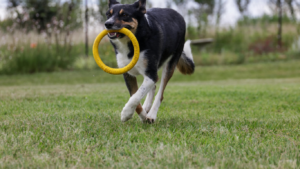
Inconsistent Training and Dog Behavior Confusion
Inconsistent training can lead to a lot of confusion for dogs. When commands vary or are given in different tones, dogs struggle to understand what is expected of them. This inconsistency can cause them to behave erratically, leading to frustration for both the owner and the pet. Clear and consistent commands are key to effective training. This helps the dog learn and reinforces good behavior.
For example, if one person says “sit” and another uses “sit down,” the dog may get confused, not knowing which command to follow. Additionally, if rewards are given sporadically or for different behaviors, the dog might not grasp which action is being rewarded. This miscommunication results in a dog that seems unable to follow basic commands. It’s crucial to use the same words and tones consistently. This way, pets have a clear understanding of what’s expected.
A significant reason for behavior confusion is the mixed signals dogs receive. Owners might unknowingly reinforce negative behavior by giving treats or pats when the dog is acting out. This teaches the dog that its bad behavior is acceptable. Furthermore, if commands are sometimes enforced and other times ignored, the dog won’t learn proper discipline. Consistency helps clarify acceptable behavior.
Using a proper training schedule can mitigate these issues. Training for a few minutes every day can lead to better results. Incorporate fun activities into these sessions to keep the dog engaged. By maintaining a regular and clear training routine, dogs can better understand and follow commands. Ultimately, this approach fosters a harmonious relationship between owner and pet.
Causes of Inconsistent Training in Dogs
One major cause of inconsistent training in dogs is a lack of knowledge. Many new dog owners might not be aware of proper training techniques. They may use varying commands or modify their training methods frequently. This can make it difficult for the dog to understand what is expected. Without clear guidance, dogs can become confused and stressed.
Another common reason is time constraints. Busy schedules often make it hard for owners to maintain a regular training routine. This sporadic training can hinder the dog’s ability to learn and retain commands. Regular and structured training sessions are important for consistency. Dogs thrive on routine and repetition.
Multiple family members giving different commands can also lead to inconsistent training. If each person uses different words or methods, the dog won’t know which ones to follow. This can create confusion and lead to behavioral issues. It’s vital for everyone in the household to use the same commands and training techniques. Consistency from all family members helps reinforce the expected behaviors.
Lastly, emotional inconsistency from owners can confuse dogs. If an owner is sometimes strict and other times lenient, the dog won’t understand how to behave. Consistent reactions and consequences for actions are crucial. This helps dogs learn the boundaries and expectations. Maintaining a calm and steady approach is beneficial for effective training.
How Mixed Signals Impact Dog Behavior
Mixed signals can significantly impact a dog’s behavior. When dog owners send conflicting messages, it creates confusion and uncertainty. For example, commanding a dog to “stay” and then calling it over immediately afterward can be puzzling. The dog doesn’t know which command to follow. This inconsistency can lead to stress and anxiety in dogs.
Inconsistent rewards also contribute to mixed signals. If a dog receives praise for sitting one day but gets ignored for the same action the next, it won’t understand what it needs to do. This mixed messaging makes the training process slower and less effective. Consistently rewarding desired behavior is crucial for a clear understanding. This approach helps reinforce positive actions.
Another way mixed signals manifest is through body language. Dogs rely heavily on visual cues from their owners. If an owner’s body language contradicts verbal commands, the dog might not know whether to obey. For instance, leaning forward while saying “stay” could signal the dog to move. Aligning body language with commands offers a clearer message to the pet.
Family members using different commands can also lead to behavioral issues. If one person says “off” and another says “down” for the same action, it confuses the dog. This can make it difficult for the dog to learn proper behavior. It’s important for all family members to agree on consistent commands. This unified approach helps dogs understand and follow instructions better.
Common Signs of Confusion in Canine Companions
Recognizing confusion in dogs is essential for effective training. One common sign is when a dog repeatedly performs the wrong action after a command. This could mean they aren’t clear on what to do. Other times, a dog might freeze and not do anything at all. This hesitation indicates uncertainty and confusion.
Changes in body language can also signal confusion. If a dog tilts its head frequently when given commands, it might be trying to understand. Additionally, dogs may display signs of stress, like excessive panting or yawning. These actions are ways dogs show they are unsure. Observing these behaviors helps identify when a dog is confused.
Erratic behavior is another indicator. If a dog suddenly becomes hyperactive or appears anxious, it might be reacting to unclear instructions. This inconsistency can manifest as jumping, barking, or pacing. Providing clear and consistent commands can help reduce these behaviors. Stability in training methods is crucial.
Confusion can also lead to defensive actions. A confused dog may growl or even snap when it doesn’t understand what’s expected. This reaction occurs out of fear or uncertainty. Ensuring that commands are simple and consistent can minimize these defensive behaviors. A calm approach helps set a positive tone.
Physical changes can reveal confusion too. For instance, a dog might have a low, tucked tail or flattened ears when unsure. These signs indicate that the dog is either scared or confused. Recognizing these subtle cues can aid in adjusting training techniques. Making training sessions more engaging and clear helps.
Lastly, a dog’s learning plateau can be a sign. If progress stalls despite consistent efforts, it’s possible the dog is confused. Revisiting basic commands and ensuring consistency can help resume progress. Clear, simple instructions pave the way for better comprehension. This approach reassures the dog and improves their training experience.
Strategies for Consistent Dog Training
Consistency in dog training is crucial for success. One effective method is to use clear, simple commands. Stick to one-word commands such as “sit,” “stay,” or “come”. This minimizes confusion for the dog. Repetition of the same commands reinforces understanding.
Another strategy is to establish a regular training schedule. Short, frequent training sessions are more effective than long, sporadic ones. For example, dedicating 10 minutes a day to training can yield better results. This routine helps the dog anticipate and learn faster. Consistency in timing also builds discipline.
Positive reinforcement is a key component. Rewarding the dog for correct behavior encourages them to repeat it. Use treats, praise, or toys as rewards. Make sure to give rewards immediately after the desired behavior. This helps the dog associate the action with the reward.
Consistency from all family members is vital. Everyone should use the same commands and training methods. Mixed signals from different people can confuse the dog. It’s helpful to have a family meeting to agree on training approaches. Unified efforts lead to better results.
Monitoring progress and adapting techniques is also important. Keep track of what works and what doesn’t. If certain methods aren’t effective, be flexible and try new approaches. Regularly assessing the dog’s progress ensures the training remains productive. Tailoring techniques to the dog’s needs improves outcomes.
The Role of Clear Communication in Behavior Correction
Clear communication is essential for correcting a dog’s behavior effectively. When commands are clear and consistent, dogs are more likely to understand and follow them. This clarity reduces confusion and builds trust. Consistent language helps dogs connect words to actions. This method strengthens their learning process.
Body language is another crucial aspect. Dogs rely heavily on visual cues. Aligning body language with verbal commands enhances understanding. For instance, using hand signals with spoken commands can reinforce the message. Consistent gestures paired with words provide a clear direction for the dog.
A unified approach from all family members is also vital. If everyone uses different commands, it can confuse the dog and slow progress. Having a family meeting to agree on specific words and signals is useful. This shared strategy ensures clarity for the dog. Consistent communication across the board leads to smoother training.
Positive reinforcement plays a key role in behavior correction. Rewarding the dog immediately after they follow a command correctly helps reinforce the behavior. This method makes it clear to the dog what is expected. Rewards can include treats, praise, or playtime. Consistent rewards for good behavior encourage repetition of the desired actions.
Regular monitoring and adjustments ensure the communication remains effective. If the dog isn’t responding well, evaluate the commands and make necessary changes. Adaptability in training methods helps find the most effective approach. Keeping track of progress helps identify successful techniques. This ongoing assessment maintains clear communication.
Incorporating varied training tools can enhance communication. Clickers, whistles, or specific toys can provide additional clarity. These tools, when used consistently, can serve as strong communication aids. They help reinforce verbal and non-verbal commands. A varied but consistent approach aids in clear behavior correction.
Frequently Asked Questions
Understanding dog behavior and training can be challenging, especially with inconsistent methods. Here are some common questions and answers to help you navigate effective training techniques.
1. Why is consistency important in dog training?
Consistency is key in dog training because it helps your dog understand what is expected. If commands and rewards are always the same, the dog learns faster and retains the information better. This regularity reduces confusion and builds trust between the dog and the owner.
Without consistent training, dogs receive mixed signals, making it hard for them to learn. They might get confused about what behaviors are acceptable. Consistency in training provides clear guidelines and helps reinforce positive behaviors more effectively.
2. How can mixed signals affect a dog’s behavior?
Mixed signals can confuse a dog and cause them to act out. If commands and rewards vary, the dog may not understand what is expected. This inconsistency can lead to stress and anxiety as the dog struggles to grasp the desired behavior.
Regular and clear communication is crucial to avoid these mixed signals. Align verbal commands with body language and always follow through with the same rewards. This helps minimize confusion and reinforces learning, making training more effective.
3. What are signs that a dog is confused by training?
A confused dog may show signs like tilting its head when given commands. Other indicators include freezing in place, displaying stress behaviors like yawning, or erratic actions such as jumping or barking excessively. These signs suggest the dog is unsure of what to do.
Watching for these behaviors can help you adjust your training methods. By providing consistent commands and rewards, you can ease the dog’s confusion and encourage better performance. This adjustment fosters a clearer understanding for your pet.
4. How can family members ensure they train the dog consistently?
To ensure consistency, all family members need to use the same commands and training techniques. You might hold a family meeting to decide on specific words and signals. This unified approach helps prevent confusion and reinforces the dog’s learning.
It’s important everyone sticks to the agreed methods. Mixed commands from different people can confuse the dog and hinder progress. Consistent training from all family members builds a clear, effective learning environment for the dog.
5. What role does positive reinforcement play in dog training?
Positive reinforcement is very effective in dog training. It involves rewarding the dog immediately after they perform the desired behavior. Rewards can include treats, praise, or playtime. This encourages the dog to repeat the good behavior.
Using positive reinforcement consistently helps the dog understand what behaviors are expected. Dogs learn faster and feel more motivated when they receive praise and rewards for their actions. This method strengthens the bond between the dog and the owner.
Conclusion
Consistent training is crucial for a well-behaved and happy dog. It eliminates confusion and establishes clear communication between the pet and the owner. By maintaining regular routines and unified commands, dogs learn to respond appropriately and confidently. This fosters a strong, trusting relationship.
Understanding the causes and impacts of mixed signals can greatly improve training outcomes. Adjusting methods based on observing your dog’s behavior ensures better results. Clear communication and positive reinforcement are keys to effective training. These strategies lead to a harmonious and fulfilling bond with your dog.
"*" indicates required fields