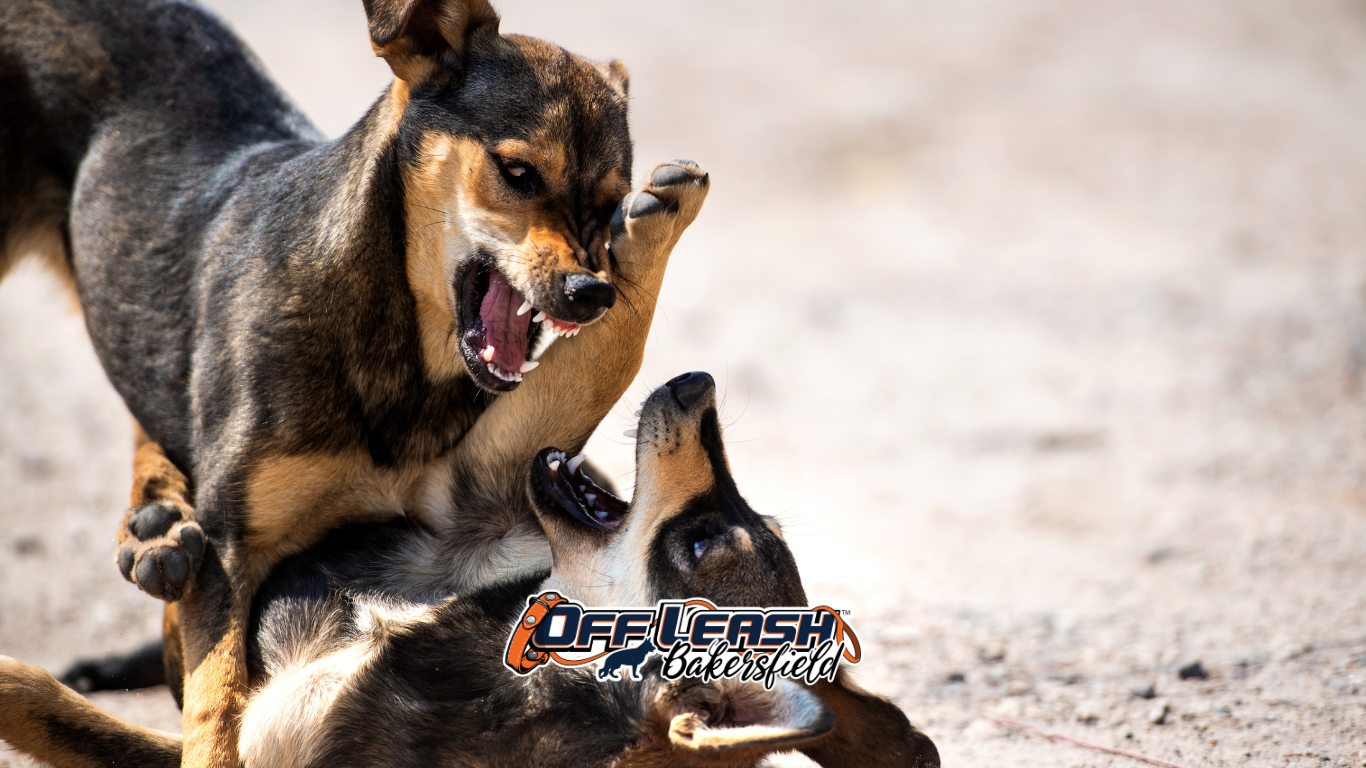
Aggressive dog training Bakersfield
It’s alarming to know that nearly 4.5 million dog bites occur in the U.S. annually, many of which involve children. Barkersfield has seen a surge in the need for aggressive dog training, urging experts to respond with innovative approaches. These training sessions focus on behavior modification to foster safer environments for both pets and their owners.
In Bakersfield, the emphasis on understanding the underlying causes of aggression has shaped a unique training landscape. Historical techniques blended with modern behavioral science have proven to be effective. According to recent studies, over 70% of aggressive dogs show significant improvement after structured training sessions. This approach offers a lifeline to dog owners, highlighting the importance of professional intervention in reducing aggression.
Aggressive dog training in Bakersfield focuses on behavior modification through positive reinforcement and desensitization techniques. Experienced trainers assess each dog’s triggers and use tailored strategies to manage aggression, involving owners in the process for consistent results. Regular follow-up sessions ensure long-term success and maintenance of desired behaviors.
Aggressive Dog Training Bakersfield
Dog aggression can be a serious issue for many pet owners. Bakersfield has seen a significant demand for professional dog trainers specializing in aggression. These experts employ various methods to help aggressive dogs become more manageable. Techniques often include positive reinforcement and behavior modification. Some dogs respond faster, while others may need more time.
Understanding what triggers a dog’s aggression is crucial for effective training. Trainers in Bakersfield start by assessing the dog’s environment and past experiences. They create personalized plans tailored to each dog’s needs. This approach helps identify the root causes of aggressive behaviors. It’s not just about correcting the actions but understanding why they occur.
Training programs in Bakersfield typically involve a combination of obedience training and socialization. Obedience training focuses on teaching the dog to follow commands. Socialization helps dogs behave better around people and other animals. Trainers use both individual and group sessions to achieve these goals. They work closely with dog owners to ensure consistency at home.
The results of professional training can be impressive. Many dogs show marked improvement in behavior after just a few sessions. Consistency and patience from the owner are key to maintaining progress. Regular follow-up sessions can help reinforce new behaviors. Long-term success requires a commitment from both the dog and their owner.
Common Causes of Aggression in Dogs
A key factor in dog aggression is fear. Many dogs become aggressive when they feel threatened or cornered. This can happen if they have had negative experiences in the past. Fear-based aggression is often a result of poor socialization. Early socialization can help reduce this type of aggression.
Another common cause of aggression is territorial behavior. Dogs may become aggressive when they feel their space is being invaded. This is especially true for dogs that spend a lot of time in one place. They might see strangers or other animals as threats to their territory. This type of aggression can be managed with proper training.
Medical issues can also lead to aggression in dogs. Pain or discomfort can cause a normally friendly dog to become irritable. Conditions like arthritis or dental problems are common culprits. Regular vet check-ups can help identify and treat these issues. Addressing medical problems can often reduce aggression.
Additionally, lack of proper training and discipline plays a role in aggressive behavior. Dogs need to learn appropriate behaviors from a young age. Without consistent training, they may not understand what is acceptable. This confusion can lead to frustration and aggression. Obedience training and positive reinforcement are essential in curbing this behavior.
Key Training Techniques for Aggressive Dogs
Behavior modification is a primary technique used to address aggression in dogs. This method involves changing the dog’s response to certain triggers. Trainers use positive reinforcement to encourage desired behaviors. For instance, rewarding a dog for not barking at strangers can be effective. Gradually, dogs learn to associate positive outcomes with non-aggressive behavior.
Desensitization is another important technique. This process involves slowly exposing the dog to the trigger of its aggression. The exposure starts at a low level that doesn’t evoke a strong reaction from the dog. Over time, the level of exposure is increased. The goal is to have the dog remain calm during situations that previously caused anxiety or aggression.
Counter-conditioning pairs a negative trigger with something positive. When a dog shows aggression, trainers may give them treats or praise for calm behavior. This helps the dog see the trigger in a new, less threatening way. It’s essential that this process is done gradually. Immediate and intense exposure can worsen the aggression.
In some cases, obedience training is crucial for aggressive dogs. Teaching basic commands like sit, stay, and heel can improve control. A structured routine helps establish clear rules and expectations. This reduces confusion and stress for the dog. Consistency and patience are key to successful obedience training.
How to Choose the Right Trainer in Bakersfield
Selecting the right dog trainer in Bakersfield involves careful consideration. First, it’s crucial to verify their credentials. Look for certifications from reputable organizations. These certifications indicate that the trainer has received professional education. It also shows a commitment to ethical training practices.
Experience is another key factor. Trainers who have worked with aggressive dogs will have developed effective methods. Ask about their experience with cases similar to yours. It can be helpful to see before-and-after examples of their work. These case studies show their ability to handle difficult situations.
Reading reviews and seeking recommendations can provide valuable insights. Feedback from past clients can reveal the trainer’s strengths and weaknesses. Personal recommendations from friends or family are also valuable. They provide a firsthand account of the trainer’s methods. This can make your decision easier.
Consider the training methods used by the trainer. Some trainers focus on positive reinforcement, while others may use different techniques. Make sure their approach aligns with your values and expectations. It’s important that you feel comfortable with their methods. This ensures a positive experience for both you and your dog.
Meeting the trainer in person is essential before making a decision. This gives you an opportunity to ask questions. You can discuss your dog’s specific issues and observe how the trainer interacts with your pet. This initial meeting can help you gauge if the trainer is a good fit. It also sets the stage for a successful training journey.
What to Expect During an Aggressive Dog Training Program
An aggressive dog training program often begins with an assessment. Trainers evaluate the dog’s behavior and identify triggers for aggression. This step is crucial for creating a customized training plan. The assessment may include observing the dog in different situations. Understanding the root cause helps tailor the training methods used.
The first few sessions usually focus on building trust between the dog and trainer. Establishing this trust is essential for a successful outcome. Trainers use positive reinforcement to reward good behavior. This approach helps the dog associate training with positive experiences. The goal is to make the dog feel safe and secure during sessions.
Owners should also expect to be involved in the training process. Trainers will teach them how to reinforce techniques at home. Consistency is key to reinforcing new behaviors. Regular practice helps solidify what the dog learns during sessions. This involvement also strengthens the bond between owner and pet.
Progress might be gradual, and setbacks are common. Some dogs may show improvement quickly, while others take longer. Patience and persistence are important throughout the program. Regular evaluations help track progress and adjust techniques as needed. Overall, open communication with the trainer can ensure the best results.
Group sessions may be included, where dogs practice around others. This helps with socialization and reduces aggression in different settings. Dogs learn to behave well even with distractions. These sessions also allow for shared experiences among dog owners. Such interactions can be supportive and educational.
Long-term Results and Maintenance Strategies
Long-term results of aggressive dog training programs show that consistent effort pays off. Dogs that complete these programs can become well-behaved, calm pets. Owners often notice a significant reduction in aggressive behavior. The key is maintaining the techniques learned during training. Continuous practice ensures these new behaviors stick.
Regular follow-up sessions with the trainer help reinforce progress. These sessions can address any new issues that arise. They also provide a chance to revisit and strengthen existing skills. Ongoing support from a professional can be invaluable. This consistent guidance helps keep both owner and pet on track.
Owners should also implement daily training routines at home. Short training sessions can be very effective. Routine practice keeps the dog’s skills sharp. It also provides structure, which is beneficial for maintaining good behavior. Reinforcing commands and rewarding positive actions are crucial.
Socialization should continue even after formal training ends. Regular exposure to different environments and other dogs helps maintain progress. Play dates and visits to dog parks offer good opportunities. These activities help dogs practice their social skills. Socialization prevents regression and supports long-term success.
Finally, maintaining a healthy lifestyle is important for behavior. Adequate exercise, a balanced diet, and mental stimulation contribute to overall well-being. A happy, healthy dog is less likely to exhibit aggressive behavior. Owners must commit to a comprehensive approach for lasting results. This holistic strategy ensures both the dog and owner enjoy a positive relationship.
Frequently Asked Questions
If you have a dog showing signs of aggression, you likely have several questions about training methods. Here are some common questions and answers to help you better understand aggressive dog training.
1. Can old dogs be trained to stop aggressive behavior?
Yes, old dogs can be trained to stop aggressive behavior. The key is to understand that training may take longer compared to younger dogs. Patience and consistency are crucial in these cases. Senior dogs, like younger ones, respond well to positive reinforcement and structured routines.
It’s important for trainers to consider any underlying health issues in older dogs. Pain or discomfort can contribute to aggression. Addressing these medical concerns alongside training can improve the chances of success. Professional trainers in Bakersfield are experienced in handling older dogs with care.
2. What types of aggression commonly manifest in dogs?
Dogs can exhibit various types of aggression, including fear-based, territorial, and protective aggression. Fear-based aggression occurs when a dog feels threatened and uses aggression as a defense mechanism. Territorial aggression is when a dog defends its home or space from perceived intruders.
Protective aggression happens when a dog tries to guard its family members or other pets. Understanding the specific type of aggression is essential for effective training. Each type requires different approaches and techniques tailored to the dog’s needs.
3. How long does it take to see results from aggressive dog training?
The duration to see results from aggressive dog training varies depending on the dog and the severity of the aggression. Some dogs may show improvement within a few weeks, while others might take several months. Consistent practice and follow-up sessions are important for sustained progress.
Owners’ involvement significantly impacts the training timeline. Regular practice at home and commitment to the trainer’s guidelines can accelerate improvements. Dogs trained in Bakersfield benefit from the expertise of seasoned professionals who can provide valuable insights and adjustments as needed.
4. What role do owners play in the training process?
Owners play a vital role in the training process, as they reinforce the techniques learned during sessions. Consistency at home is crucial for the dog’s success. Owners need to practice commands and reward positive behavior just as the trainer does.
This continuous reinforcement helps cement the new behaviors. Owners’ active involvement also fosters a stronger bond with their pets. Their commitment ensures that the progress made during training sessions is maintained over the long term.
5. Are there any alternative therapies for aggressive behavior?
Yes, there are alternative therapies that can complement traditional training for aggressive dogs. Some trainers use aromatherapy, which involves using scents to calm the dog. This can reduce anxiety and aggression. Another option is dog massage therapy, which helps relax tense muscles and reduce stress.
Additionally, some pet owners explore the use of behavioral medication under a veterinarian’s guidance. These medications can help manage underlying anxiety or stress contributing to aggression. Always consult with a professional before starting any alternative therapies to ensure they are appropriate for your dog’s needs.
Conclusion
Aggressive dog training in Bakersfield utilizes expert techniques to achieve meaningful results. Training programs are tailored to each dog’s unique needs and focus on long-term behavior modification. With the right approach, even the most aggressive dogs can become well-behaved companions.
Consistency, patience, and owner involvement are crucial for success. Regular follow-up and practice ensure the new behaviors stick. Investing in professional training not only improves safety but also strengthens the bond between owner and dog.
"*" indicates required fields