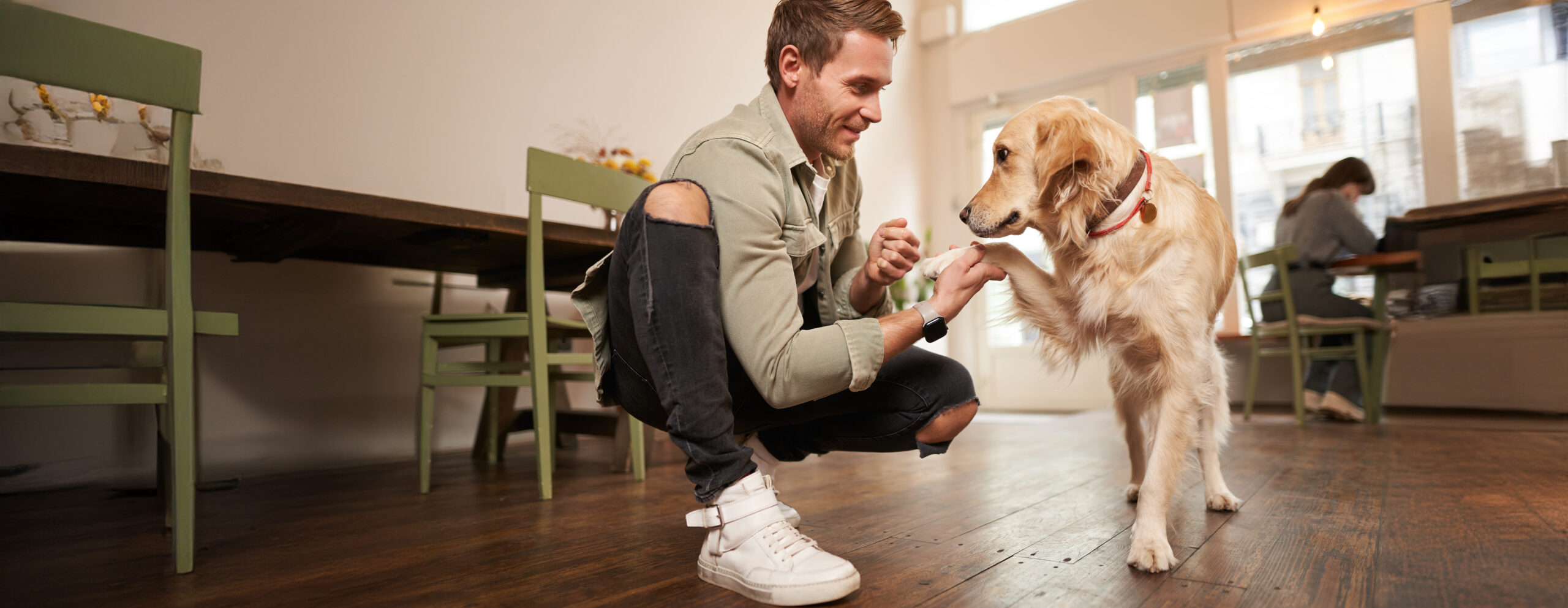
Managing Your Dog’s Arousal Levels During Training
Training sessions can quickly turn into chaos if your dog’s arousal levels aren’t kept in check. A highly excitable dog can find it challenging to focus on commands, making the training process frustrating for both the owner and the pet. It’s essential to understand the dynamics between excitement and learning in dogs to achieve effective training outcomes.
Historically, it’s been observed that dogs are more responsive when their arousal levels are balanced. Studies indicate that a calm and focused dog retains more commands and training cues. A well-managed arousal level ensures that the dog not only learns better but also enjoys the process, creating a harmonious training environment.
Arousal levels during training involve identifying triggers, maintaining consistency, and using positive reinforcement. Incorporate regular physical exercise and mental stimulation activities to balance energy levels. Creating a calm environment with minimal distractions also promotes better focus and learning outcomes for the dog.
Managing Your Dog’s Arousal Levels During Training

Managing your dog’s arousal levels during training is a common challenge for many pet owners. Dogs can become easily overstimulated by new environments, other animals, or even excitement from their owners. This overstimulation can lead to behaviors that disrupt training sessions, making it difficult for dogs to focus. Understanding what triggers your dog’s excitement helps in developing effective strategies for maintaining a calm demeanor. By identifying these triggers, you can create a more controlled training environment.
It’s essential to recognize the signs that your dog is too aroused. Common indicators include excessive barking, jumping, and an inability to follow simple commands. These behaviors suggest that the dog’s arousal level is too high for them to concentrate. Addressing such signs promptly can help redirect their energy towards more productive behavior. Simple exercises like sit or stay can work well in calming the dog.
Effective strategies for managing arousal include positive reinforcement and structured routines. Using treats and praise when your dog remains calm reinforces good behavior. Incorporating breaks during training sessions allows your dog to relax and reset. Additionally, engaging in regular physical activities can help expend excess energy, making dogs less likely to become overexcited during training. A consistent routine can further help in setting clear expectations.
Incorporating specific tools and exercises can also aid in controlling arousal levels.
- Interactive toys
- Puzzle feeders
- Calming sprays
are excellent for keeping dogs engaged and reducing overexcitement. Regular practice with these tools helps in gradually training dogs to maintain a balanced arousal level. Long-term benefits include improved focus, better command retention, and a more enjoyable training experience for both the dog and the owner.
Common triggers of increased arousal in dogs during training
Training sessions can be disrupted by several common triggers that increase a dog’s arousal. One major trigger is the presence of other animals, especially if the dog isn’t used to them. Dogs may also become overly excited by unfamiliar locations or new environments. Certain sounds like loud noises or high-pitched tones can cause a spike in arousal levels. Understanding these triggers is the first step to managing them effectively.
Another significant trigger is the owner’s behavior. If a pet owner is overly enthusiastic or inconsistent with commands, it can confuse and excite the dog. Dogs are sensitive to their owners’ emotions and can mirror their excitement. Maintaining a calm and composed demeanor helps keep your dog’s arousal in check. Consistency in commands and actions is vital for balanced training.
The use of stimulating toys can also contribute to increased arousal. Toys that are noisy or overly interactive might be fun but can lead to overstimulation during training sessions. It’s essential to choose the right type of toys that engage your dog without causing excessive excitement. Here are a few suggestions:
- Stuffed animals
- Rubber chew toys
- Kongs filled with treats
Lastly, the duration of the training session matters. Prolonged sessions without breaks can lead to increased arousal and reduced focus. Dogs need periodic breaks to calm down and regain focus. Scheduling short, effective training periods with regular intervals keeps arousal levels manageable. This method ensures that the dog remains attentive and responds well to commands.
Signs your dog’s arousal level is impacting training success
Recognizing the signs that your dog’s arousal level is affecting training success is crucial. Excessive barking is a clear indicator that your dog is too excited to focus. When a dog’s vocalizations increase, it’s a signal that their energy needs to be managed. Another sign is incessant jumping, which can disrupt training continuity. These behaviors make it difficult for the dog to follow instructions.
In addition to barking and jumping, another sign is a lack of response to commands. If your dog usually obeys “sit” or “stay” but suddenly cannot, their arousal levels may be too high. This lack of focus is a significant barrier to effective training. Consistently ignoring commands requires immediate attention. It indicates that the dog’s excitement levels are impacting their ability to concentrate.
Destructive behavior is another clear sign. If your dog starts chewing on furniture or tearing up toys during a training session, they are likely overstimulated. Such actions show that the dog is channeling its excess energy into inappropriate activities. It’s essential to recognize and curb these behaviors for successful training. Providing appropriate activities can help redirect this destructive energy.
Physical signs can also indicate an arousal issue.
- Panting excessively
- Dilated pupils
- Raised hair on the back
are all clues that the dog is too excited. Monitoring these signs closely can help in timely intervention. A calm environment and adequate breaks can mitigate these physical signs and help refocus the dog during training.
Strategies for promoting optimal arousal and focus
To promote optimal arousal and focus during training, consistency is key. Consistent routines help your dog understand what to expect and reduce unnecessary excitement. Regular schedules for meals, playtime, and training sessions can maintain a balanced arousal level. Dogs thrive on routines, making it easier for them to stay calm and focused. Simple, structured activities throughout the day support this consistency.
Positive reinforcement is another effective strategy. Rewarding your dog with treats, praise, or playtime when they exhibit calm behavior reinforces good habits. This method helps your dog associate calmness with positive outcomes. However, it’s important to provide rewards immediately after the desired behavior. Timing is crucial for reinforcing the right actions.
Physical exercise plays a significant role in managing arousal and focus. Regular walks, play sessions, and other physical activities help in expending excess energy. A well-exercised dog is less likely to become overexcited during training. Outdoor activities also offer mental stimulation, which is essential for maintaining focus. Incorporating varied physical activities keeps the dog engaged and balanced.
Mental stimulation is equally important. Engaging your dog in activities like puzzle toys, nose work, and obedience drills sharpens their mind. These tasks require focus and problem-solving, which can calm an overexcited dog.
- Interactive feeders
- Training games
- Scent work
are excellent tools for mental stimulation. Regular mental challenges keep your dog’s arousal levels in check while enhancing their cognitive skills.
Creating a calm environment is essential for training. Reducing distractions in the training area minimizes the chances of overstimulation. Using calming aids like soft music, calming sprays, or pheromone diffusers can help. These tools create a serene setting conducive to effective training. A peaceful environment encourages better focus and learning.
Incorporating relaxation techniques can also be beneficial. Teaching your dog how to relax on command using techniques like deep breathing exercises or massage helps manage arousal. Practicing relaxation before and after training sessions can make a significant difference. These techniques signal to your dog that it’s time to calm down and focus. Setting aside time for relaxation ensures that your dog remains balanced and attentive.
Tools and exercises to reduce overstimulation
Various tools and exercises can help reduce overstimulation in dogs during training. Puzzle feeders are highly effective for keeping dogs engaged and mentally stimulated. These feeders require dogs to work for their food, which helps focus their energy. Interactive toys like Kongs filled with treats are also beneficial. These toys provide a distraction, redirecting excess energy and promoting calm behavior.
Calming sprays and pheromone diffusers create a serene environment for training. These tools release scents that can soothe anxious or excited dogs. Using them in the training area helps establish a calm atmosphere. Additionally, soft, calming music can further enhance this effect. Dogs respond well to a tranquil setup, aiding focus during sessions.
Physical activities tailored to your dog’s needs can significantly reduce overstimulation. Regular exercise such as brisk walks, fetch, and agility training expends excess energy. Scheduling these activities before training sessions can make a noticeable difference. On top of this, structured physical exercises promote better obedience and responsiveness. Varying these activities keeps the dog engaged and balanced.
Relaxation exercises are essential for managing overstimulation. Teaching a dog the “settle” command encourages them to relax on cue. Deep breathing exercises or gentle massages can further help in calming them down. Practicing these techniques consistently improves their efficacy. Incorporating relaxation before and after training is beneficial.
Mental stimulation exercises like scent work or obedience drills are excellent for reducing overstimulation. These tasks require a high level of focus and keep the dog mentally engaged. Engaging dogs in these activities regularly helps manage their arousal levels.
- Interactive feeders
- Training games
- Scent work
are examples of effective mental stimulation tools. They promote a balanced blend of physical and cognitive engagement.
Lastly, consistent training routines play a key role in reducing overstimulation. Routines help dogs understand what to expect and reduce anxiety. A structured schedule with regular intervals for breaks and training aids in maintaining focus. Over time, this consistency leads to improved behavior and better responsiveness. A predictable training environment supports a calm and well-behaved dog.
Long-term benefits of balanced arousal management in canine training
Balanced arousal management in canine training offers numerous long-term benefits. One significant advantage is improved focus during training sessions. Dogs with controlled arousal levels can concentrate better and follow commands more efficiently. This leads to faster learning and better retention of training cues. Owners find these sessions more productive and rewarding.
Another benefit is the strengthening of the bond between the dog and owner. Consistent training that effectively manages arousal fosters trust and understanding. When dogs are calm, they are more receptive to their owners’ commands and cues. This mutual respect enhances the overall relationship. A stronger bond translates to better behavior and cooperation.
Controlled arousal levels also help in reducing behavioral problems. Dogs with balanced energy are less likely to exhibit destructive behaviors like chewing or excessive barking. Effective arousal management can mitigate issues related to anxiety and aggression. This results in a more harmonious household. Long-term, it ensures a well-adjusted and happy dog.
Mental stimulation plays a crucial role in a dog’s overall well-being. Engaging dogs in activities that require focus and problem-solving keeps their minds sharp.
- Puzzle toys
- Obedience drills
- Scent work
provide essential mental exercises. These activities contribute to a dog’s mental health, reducing stress and promoting positive behavior.
Lastly, balanced arousal management enhances socialization skills. Dogs who can manage their excitement are better at interacting with other animals and people. This skill is essential for various activities like walks, vet visits, and playdates. A well-socialized dog is more confident and adaptable. Such skills are vital for leading a fulfilling and balanced life.
Frequently Asked Questions
Managing your dog’s arousal levels during training can be challenging. Here are some frequently asked questions to help you understand and tackle this issue effectively.
1 How do I identify arousal triggers in my dog?
To identify arousal triggers, observe your dog’s behavior closely. Common triggers might include loud noises, new environments, or the presence of other animals. Keep a journal of situations in which your dog becomes overly excited. This can help you pinpoint specific triggers that need to be managed.
Monitoring your dog’s reactions in various settings can provide insights into what stimulates them. Identifying these patterns will allow you to anticipate and mitigate arousal during training sessions. Consistent observation is key for successful identification.
2 What are the benefits of using positive reinforcement in training?
Positive reinforcement strengthens the bond between you and your dog, making training more enjoyable for both. Rewarding good behavior with treats, praise, or play encourages your dog to repeat those actions. This method is effective for teaching new commands and skills. Over time, positive reinforcement builds trust and ensures better behavioral outcomes.
Moreover, it helps reduce anxiety and promotes a calm training environment. When dogs understand that good behavior leads to rewards, they are more likely to stay focused and less likely to become overstimulated. Consistency in reinforcement is crucial for long-term success.
3 How can I create a calm training environment?
Creating a calm training environment starts with minimizing distractions. Choose a quiet area away from loud noises and other pets. Using calming aids like pheromone diffusers or soft background music can also help. Keep training sessions short and focused to avoid overwhelming your dog. Regular breaks can provide moments of relaxation.
Maintaining a calm demeanor yourself can have a positive impact on your dog’s behavior. Dogs often mirror their owners’ emotions, so staying composed and patient is vital. Preparing the training area in advance helps ensure a successful and stress-free session.
4 What kind of physical exercises are best for managing dog arousal?
Regular physical exercises like brisk walks, playing fetch, and agility training can help manage your dog’s arousal levels. These activities allow your dog to expel energy, making them calmer during training sessions. Tailored exercise routines based on your dog’s breed and age are most effective.
Incorporating varied activities prevents boredom and keeps your dog engaged both mentally and physically. Consistent exercise not only benefits physical health but also helps maintain balanced energy levels. Structured physical activities should be an integral part of your dog’s daily routine.
5 Are there specific mental exercises to help reduce arousal?
Mental exercises like puzzle toys, scent work, and obedience drills can significantly reduce arousal. These activities stimulate your dog’s mind and focus their energy on completing tasks. Engaging in mental exercises regularly keeps the mind sharp and less prone to overstimulation.
Practicing commands such as “sit,” “stay,” and “leave it” can also improve focus. Consistency in these exercises enhances your dog’s ability to control excitement. A combination of mental and physical challenges ensures a well-balanced and well-behaved dog.
Conclusion
Managing your dog’s arousal levels during training is essential for effective learning and a strong bond. By understanding triggers and using positive reinforcement, you can create an optimal training environment. Consistency in routine and exercises ensures long-term benefits for both you and your dog.
Incorporating a mix of physical and mental activities can help maintain balanced energy levels. A calm, well-structured approach leads to better behavior and reduced stress. With these strategies, training sessions will be more productive and enjoyable.
"*" indicates required fields