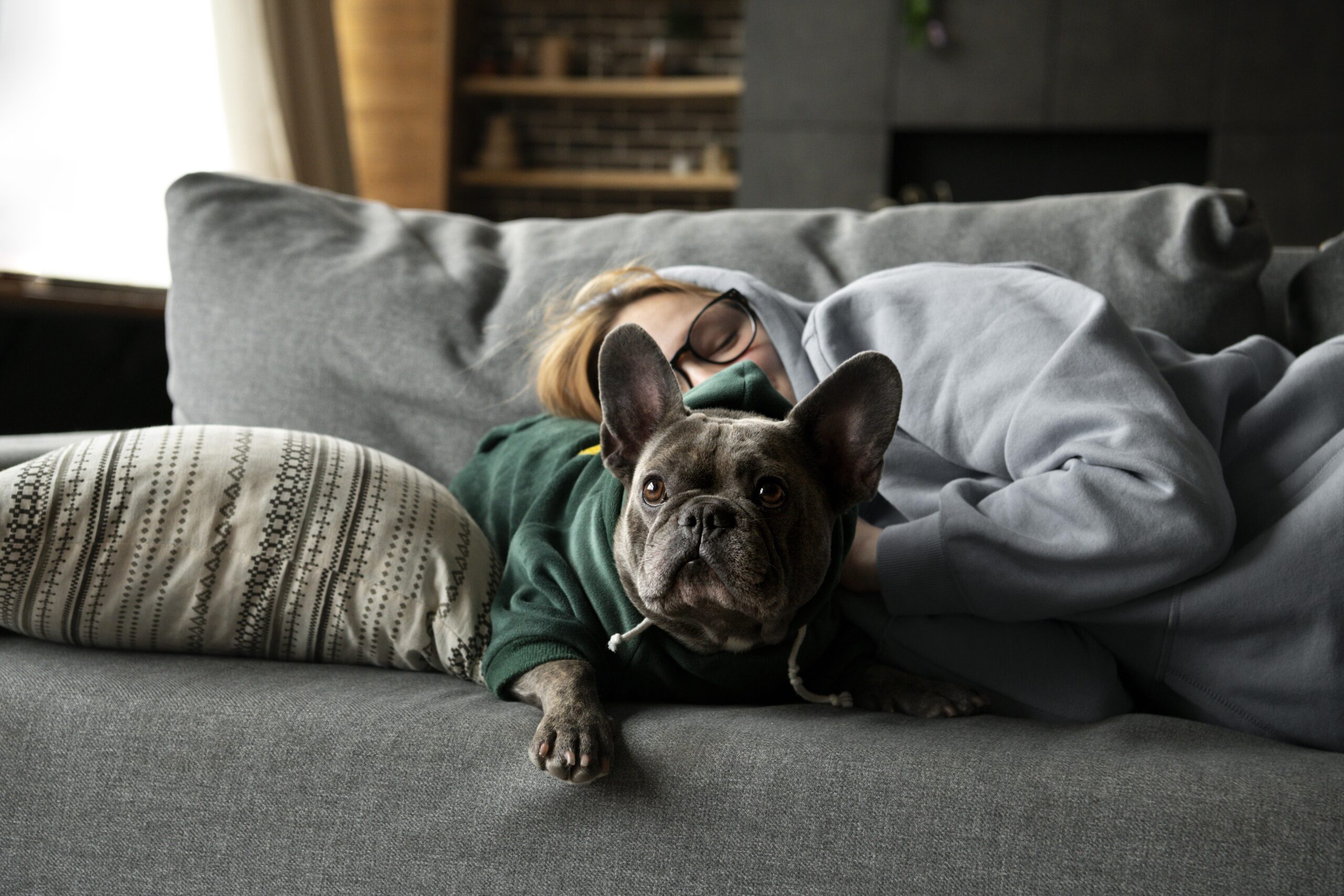
Teaching Your Dog Relaxation Techniques
Ever wondered why some dogs remain eerily calm during a thunderstorm while others tremble and hide? The secret often lies in early and consistent training in relaxation techniques. It’s fascinating to note that approximately 40% of dog owners have recognized the benefits of these techniques in reducing their pets’ anxiety, leading to a more harmonious coexistence.
Historically, the practice of calming dogs dates back to ancient times when owners used specific touch techniques to soothe their working dogs. Modern studies underscore this, showing that structured relaxation exercises can decrease stress-related behaviors by 29%. Techniques like controlled breathing, gentle massage, and the use of calming music have proven effective in not only managing anxiety but also enhancing the overall well-being of our canine companions.
Teaching your dog relaxation techniques involves methods such as deep breathing exercises, massage therapy, aromatherapy with pet-safe essential oils, interactive puzzles and chew toys for mental engagement, regular physical exercise, and creating a designated calm space. These techniques reduce stress and promote overall well-being in dogs.
Benefits of Relaxation Techniques for Dogs
Relaxation techniques offer numerous advantages to dogs, primarily in reducing anxiety. These methods can help dogs cope with stressful situations like thunderstorms or fireworks. By learning to relax, dogs can avoid developing chronic stress, which can lead to health issues. Such training has shown to improve dogs’ overall mental and physical health. This is crucial for their well-being and happiness.
Another benefit of relaxation techniques is the improvement in behavioral responses. When dogs are calm, they are less likely to exhibit destructive behavior such as chewing on furniture or excessive barking. Owners often find their pets more obedient and easier to train. This leads to a more harmonious household environment. Both dogs and their owners benefit from this peaceful coexistence.
Relaxation techniques also enhance the bond between pet and owner. Engaging in calming activities together strengthens trust and understanding. Activities such as gentle petting, massages, and low-stress walks can be very effective. This shared time can build stronger, more affectionate relationships. Owners feel more connected to their pets, and pets feel more secure with their owners.
Overall health improvements are significant too. Reduced stress can lead to lower risks of certain illnesses. Relaxed dogs tend to have better immune responses. Additionally, these techniques can improve their sleep patterns. Dogs with better sleep are often healthier and happier. The benefits are extensive and holistic, covering multiple aspects of a dog’s life.

Reducing Anxiety and Stress
Reducing anxiety and stress in dogs is vital for their health. One effective technique is the use of calming dog wraps, known as compression shirts. These wraps apply gentle pressure, which can help soothe the dog. This method is similar to swaddling a baby and helps many dogs feel secure. It’s particularly useful during thunderstorms or fireworks.
Another technique involves creating a calm environment. Dim lighting and soft music can have a significant effect. Some owners also use aromatherapy with essential oils like lavender. Setting up a quiet and comfortable space for the dog to retreat to is key. This can be a specific room or a cozy bed in a quiet corner.
Regular exercise is also crucial. Physical activity helps to burn off excess energy that might contribute to anxiety. Activities like walks, playtime, or even agility training can be very beneficial. Dogs need both mental and physical stimulation to stay balanced. Making sure they are well-exercised is a simple and effective strategy.
Another beneficial technique is teaching relaxation commands. This might include commands like “settle” or “relax”. Training your dog to follow these commands creates a predictable routine. Predictability can reduce their stress significantly. Consistent practice will help your dog learn to calm down on cue.
Improving Behavioral Responses
Improving a dog’s behavioral responses is often achieved through consistency and patience. One way is to use positive reinforcement. This involves rewarding desirable behaviors with treats or praise. Dogs respond well when they know what to expect and what actions earn them rewards. This method not only motivates but also builds a trustful relationship between the pet and owner.
Consistency in commands is essential too. Use the same words and signals for commands to avoid confusing your dog. Mixed signals can lead to frustration and misbehavior. Consistent training sessions help reinforce good behavior. Dogs learn faster when they understand exactly what is expected of them.
Some dogs benefit greatly from behavioral training classes. These classes offer structured environments where dogs can learn proper social behavior. They also provide opportunities for dogs to interact with other dogs. Such interaction is crucial for socialization and can reduce unwanted behaviors over time. Training classes also offer professional guidance for owners.
Maintaining a stable routine can greatly assist in improving your dog’s behavior. Predictable schedules for feeding, walking, and playtime create a sense of security. This can reduce anxiety-induced behaviors like aggression or excessive barking. A well-structured routine gives dogs a clear understanding of daily expectations, leading to better overall behavior.
Enhancing Bond Between Pet and Owner
Enhancing the bond between a pet and its owner leads to a happier, healthier life for both. One effective way is through active play. Engaging in games like fetch or tug-of-war strengthens the bond. These activities provide both physical exercise and mental stimulation. Dogs appreciate the interactive time, and owners enjoy the companionship.
Another powerful bonding activity is training. Training sessions not only teach dogs new skills but also improve communication. Commands like “sit,” “stay,” and “come” provide structure and purpose. This structured interaction fosters trust and respect. When owners consistently train their dogs, a mutual understanding develops.
Daily walks are also crucial in building a strong bond. Walking together helps establish a routine and provides a change of scenery. It allows dogs to explore and burn off energy. Owners benefit from the physical exercise as well. These shared experiences contribute to a deeper connection.
Grooming sessions can also enhance the bond. Regular brushing, nail trimming, and bathing are essential. These activities can be calming for dogs when done gently. They also provide an opportunity for the owner to check their dog’s health. The close contact involved in grooming fosters trust and affection.
Including your dog in family activities strengthens their sense of belonging. Whether it’s a simple car ride or a family outing, being included makes them feel part of the pack. Dogs thrive on social interaction and attention. Shared experiences create lasting memories and deepen the bond.
Spending quiet time together is just as important. Sometimes just sitting together or petting your dog can enhance your connection. This calm interaction provides comfort and security. It’s a simple yet effective way to show love. These peaceful moments contribute significantly to a strong, enduring bond.
Core Relaxation Techniques to Teach Your Dog
Teaching your dog core relaxation techniques can significantly improve their well-being. One effective method is deep breathing exercises. Encourage your dog to take slow, deep breaths by demonstrating it yourself. This can be done by sitting quietly with them and breathing deeply. Your calm presence can help the dog to relax and mimic your breathing.
Another helpful technique is massage therapy. Gentle, slow strokes along your dog’s back, head, and legs can ease muscle tension. Dogs often enjoy the rhythmic and comforting touch. This not only relaxes your dog but also reinforces your bond. Consistently performing massage sessions can be very beneficial.
Using aromatherapy can also be effective. Certain scents like lavender or chamomile are known to have calming effects on dogs. Use a diffuser or apply a few drops of essential oil to your dog’s bed. Ensure the oils are pet-safe and used in moderation. This can create a peaceful environment for your dog.
Interactive toys can keep your dog mentally stimulated and calm. Puzzles, treat-dispensing toys, and chew items can distract them from anxiety. These toys also provide mental exercise, which is essential for relaxation. Keeping their minds busy can prevent stress-filled behaviors.
Regular physical exercise is critical in a relaxation routine. Activities like walking, running, and playing fetch can help burn off excess energy. A well-exercised dog is more likely to be calm and relaxed. Regular activity also keeps their body healthy, which contributes to overall relaxation. Schedule consistent exercise each day to maintain balance.
Finally, training your dog to use a specific relaxation spot can be useful. Create a quiet, comfortable area where your dog can retreat when they need to calm down. This spot can be equipped with their favorite blanket or toys. Having a safe space allows your dog to self-soothe when stressed. Encourage them to use this spot regularly.
Setting the Right Environment for Relaxation
Creating a calm and soothing environment is essential for your dog’s relaxation. Start by choosing a quiet area in your home. This should be a space where your dog feels safe and is away from loud noises. Providing a comfortable bed or blanket can add to the sense of security. A familiar and cozy spot helps your dog settle down more easily.
Lighting plays a significant role in setting a relaxing atmosphere. Dim the lights or use soft, ambient lighting to create a tranquil setting. Bright, harsh lights can be overstimulating for dogs. Soft lighting aids in creating a peaceful environment. It can help your dog unwind after a busy day.
Sound also affects your dog’s relaxation. Playing calming music or nature sounds can be very effective. Gentle tunes or sounds like rain or ocean waves can help soothe your dog. Avoid loud or sudden noises, as these can cause anxiety. A consistent playlist of calming sounds can be beneficial.
Consider the temperature of your dog’s relaxation space. Ensure the area is neither too hot nor too cold. A comfortable temperature helps your dog relax better. Providing a fan or a cozy blanket according to the season can help. Maintaining an optimal temperature is essential for their comfort.
Using calming scents can enhance the relaxing environment. Aromatherapy with pet-safe essential oils like lavender or chamomile can be beneficial. Using a diffuser or placing scented items near your dog’s bed can create a soothing atmosphere. However, always ensure that the scents are safe for pets. Calming scents can significantly contribute to reducing stress.
Keeping the environment clutter-free is also important. A tidy space helps in reducing distractions and stresses. Organize toys, food bowls, and other items neatly. A clean and orderly space can make your dog feel more at ease. It’s easier for them to find their relaxation spot and unwind.
Monitoring Your Dog’s Progress and Adjustments Needed
Regularly monitoring your dog’s progress is crucial to ensuring the effectiveness of relaxation techniques. Keep a journal or log of their behaviors and reactions over time. Note any significant changes or patterns that emerge. Regular observations can help identify what’s working well and what needs adjustment. This proactive approach can lead to better results.
Watch for signs of improvement in your dog’s stress levels. Calmer behavior, reduced anxiety symptoms, and fewer instances of destructive actions are positive indicators. If these signs are present, it means the techniques are working. However, if your dog continues to show high levels of stress, adjustments may be necessary. Continuous monitoring helps you stay on top of these changes.
Adjusting the techniques based on your dog’s response is essential for success. Not all methods work for every dog, so be flexible and willing to try new approaches. You might need to alter the duration or frequency of certain activities. Experimenting with different calming aids like toys or scents could also be beneficial. Tailoring the routine to suit your dog’s specific needs enhances efficacy.
Seek professional advice if necessary. Consulting a veterinarian or a professional dog trainer can provide valuable insights into better managing your dog’s stress and anxiety. They can offer personalized recommendations based on their expertise. Professional guidance ensures you’re using the best strategies for your dog’s health and happiness.
Engage with fellow pet owners who have similar experiences by joining online communities or local groups focused on pet care and training. Sharing tips, successes, and challenges with others provides support and additional ideas for improving your dog’s relaxation routine.
Be patient throughout this process as achieving noticeable progress takes time when helping dogs adapt to new relaxation techniques consistently showing dedication will yield favorable outcomes making this journey worthwhile in enhancing overall well-being for both pets owners alike!
Frequently Asked Questions
Discover effective methods and tips for teaching your dog relaxation techniques to improve their well-being and your relationship.
1. What are the benefits of teaching my dog relaxation techniques?
Teaching your dog relaxation techniques offers multiple benefits, including reduced anxiety and improved mental health. These techniques help your dog manage stress more effectively and maintain calmness in potentially stressful situations.
Additionally, relaxed dogs are less likely to exhibit destructive behaviors such as excessive barking or chewing on furniture. This leads to a more harmonious household and a stronger bond between you and your dog.
2. How can massage therapy help my dog relax?
Massage therapy can significantly help your dog relax by easing muscle tension and promoting circulation. The gentle, slow strokes used in massage therapy produce a calming effect, making your dog feel more secure and loved.
Regular massage sessions can also help you detect any physical abnormalities or tension spots early on. This proactive approach ensures your dog remains healthy while reinforcing the trust and bond between the two of you.
3. Are there any specific essential oils that can calm my dog?
Yes, certain essential oils like lavender and chamomile are known to have calming effects on dogs. These oils can be used in a diffuser or applied in small amounts on their bedding to create a soothing environment.
However, it is crucial to consult your veterinarian before using any essential oils. Some oils can be harmful to pets if not used correctly, so ensure that you use pet-safe products and follow recommended guidelines.
4. How often should I practice relaxation techniques with my dog?
The frequency of practicing relaxation techniques with your dog can vary depending on their individual needs and stress levels. Generally, daily practice for 10-15 minutes can be highly beneficial, particularly for high-stress situations or dogs prone to anxiety.
Consistency is key to achieving lasting results. Regular practice reinforces these techniques and helps your dog remember and apply them during stressful moments, leading to more effective stress management.
5. Can exercise help in teaching my dog relaxation techniques?
Yes, regular exercise plays an essential role in teaching your dog relaxation techniques. Physical activity helps burn off excess energy, making it easier for your dog to calm down during relaxation sessions.
Incorporating activities like walking, running, or playing fetch into your daily routine provides mental stimulation and maintains your dog’s overall health. A well-exercised dog is more receptive to relaxation techniques and experiences less stress.
Conclusion
Teaching your dog relaxation techniques is essential for their overall well-being. These methods help reduce anxiety and improve mental health. Implementing these techniques fosters a stronger bond between you and your dog, creating a more harmonious household.
By maintaining a consistent routine and using various strategies, you can effectively manage your dog’s stress. Tailoring the approach to suit your dog’s needs ensures maximum benefits. Your dedication and patience will lead to a healthier, happier pet.
"*" indicates required fields