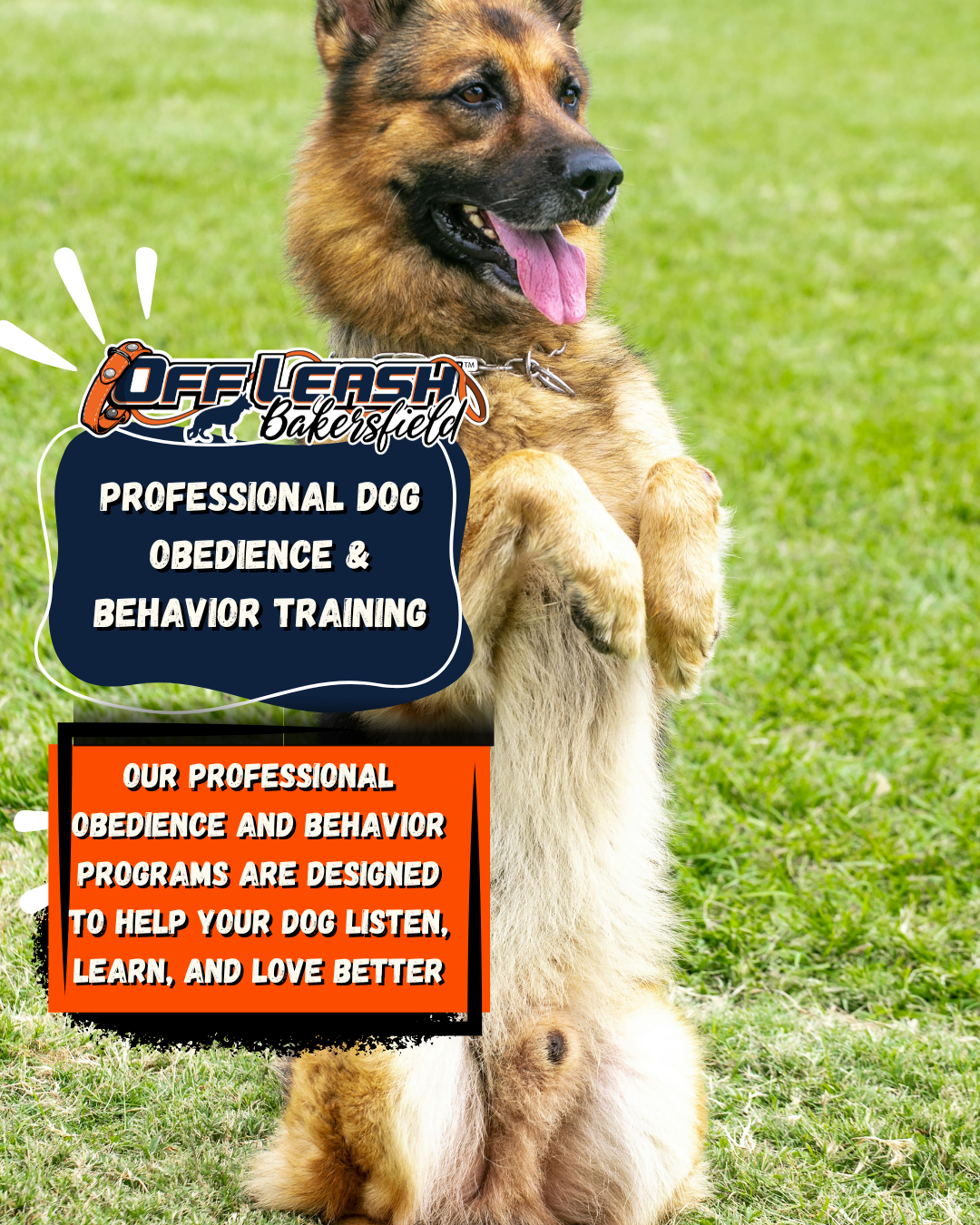
Professional Dog Obedience & Behavior Training
Despite the common belief that some dogs are simply untrainable, studies show that nearly 90% of all canines respond positively to structured obedience training. This realization brings hope to countless pet owners struggling with disobedient or overly aggressive behaviors. When done right, professional dog obedience training can transform even the most stubborn breeds into obedient and well-mannered companions.
Professional dog obedience and behavior training have deep roots, tracing back to early domestication where humans sought to harness canine potential. Today, it is a refined science and art combining various methodologies to ensure the highest success rates. With about 52% of dog owners reporting behavior as a major barrier to a happy home, expert training offers effective, tailored solutions, creating a harmonious environment for both pets and their owners.
Professional dog obedience and behavior training involves using techniques such as positive reinforcement, clicker training, desensitization and counter-conditioning, and socialization exercises to address various behavioral issues. These methods help improve safety, enhance the bond between dog and owner, reduce problematic behaviors, and provide increased social opportunities for the dog.
Essential Benefits of Professional Dog Obedience Training
One of the primary benefits of professional dog obedience training is improved safety for both the dog and the owner. Proper training teaches dogs to obey commands, helping to prevent dangerous situations like running into traffic or confronting other animals. It’s a crucial factor in ensuring a secure environment for everyone involved.
Enhancing the bond between the owner and the dog is another significant advantage. Through structured training sessions, dogs learn to trust and respect their owners, fostering a deeper connection. This mutual understanding makes everyday interactions smoother and more enjoyable.
Professional dog obedience training can significantly reduce behavioral problems. Issues such as excessive barking, chewing, and aggression can be addressed effectively with the right training methods. This leads to a happier home environment for both the dog and the family.
In addition, training opens up more socialization opportunities for dogs. Properly trained dogs are more likely to be welcomed in various public spaces, and they can interact positively with other animals and people. These experiences contribute to a well-rounded and socially adept dog.

Improved Safety and Enhanced Bonding
Professional dog obedience training significantly enhances safety for both pets and their owners. Well-trained dogs are less likely to run away or engage in risky behaviors. This reduces the chances of accidents and assures a secure environment for everyone.
Training also fosters a stronger bond between the dog and the owner. When dogs understand commands and respond positively, it builds mutual trust. This trust translates into a more harmonious relationship, where both parties feel understood and respected.
Moreover, a dog that behaves well is less likely to encounter conflicts with other animals or people. This is particularly important in social settings or public spaces. Owners can confidently take their pets to parks, knowing they’ll behave appropriately.
Through consistent training sessions, dogs learn to see their owners as leaders. This perspective shapes positive behavior and reinforces the owner-dog bond. As a result, every interaction becomes a step towards deepening this special connection.
Reduction in Behavioral Problems
One notable benefit of professional dog obedience training is the reduction in various behavioral problems. Common issues such as excessive barking, chewing on furniture, and house soiling can be addressed with proper training. This leads to a more peaceful and orderly home environment.
Structured training sessions help dogs understand what is expected of them. When dogs clearly know the rules, they are less likely to act out. This clarity diminishes confusion and frustration, both for the dog and the owner.
By addressing these problems early on, you can prevent them from becoming ingrained habits. Consistency is key in training, making it easier to correct unwanted behaviors. As dogs become more obedient, their behavior improves remarkably.
Professional trainers use positive reinforcement techniques to encourage good behavior. Rewards like treats and praise motivate dogs to follow commands and behave well. This approach fosters lasting changes and cultivates a well-mannered pet.
Increased Socialization Opportunities
Professional dog obedience training opens doors to new socialization opportunities. Well-trained dogs can join various activities and gatherings without causing disruptions. This ability ensures a more inclusive and enjoyable experience for everyone.
Training encourages dogs to interact positively with other animals and people. Social skills developed in structured environments make these interactions smooth and stress-free. This helps prevent issues like aggressive or fearful behaviors in public.
Dogs that have undergone professional training can participate in dog parks, group walks, and social events. Owners can feel confident that their pets will behave appropriately. This inclusion enriches the dog’s life with diverse experiences.
Socialization opportunities extend beyond just playtime. Well-mannered dogs might also be eligible for therapy programs and volunteer work. These activities benefit both the dogs and those they interact with, creating a positive impact on the community.
Additionally, trained dogs can travel more easily with their owners. Whether on a plane or in a car, a well-behaved dog is less likely to cause stress or disturbances during journeys. This makes trips more pleasant for both the dog and the owner.
Overall, increased socialization opportunities contribute to a dog’s well-being. Engaging in various activities helps them stay mentally stimulated and emotionally balanced. This leads to a happier and healthier pet in the long run.
Core Techniques Used in Professional Dog Behavior Training
Positive reinforcement is one of the most widely used techniques in professional dog behavior training. This method rewards dogs for good behavior with treats, praise, or toys. By consistently rewarding desired actions, trainers encourage dogs to repeat them.
Clicker training is another popular technique. Using a small device that makes a clicking sound, trainers mark the exact moment a dog performs a desired behavior. This click is followed by a reward, helping dogs quickly understand which actions are correct.
Consistency is key in dog training. Dogs thrive on routine and clear expectations. Professional trainers emphasize the importance of consistent commands and responses to reinforce learning.
Another essential technique is desensitization and counter-conditioning. This approach is used to reduce a dog’s fear or aggression towards specific stimuli. By gradually exposing the dog to the feared object or situation in a controlled manner, trainers help them develop a more positive association.
When facing specific behavioral issues, trainers may use targeted intervention strategies. For example, leash training focuses on reducing pulling behavior during walks. These specialized techniques address particular problems with precise and effective solutions.
Socialization exercises are also a critical part of professional training. Exposing dogs to different environments, people, and other animals helps them build confidence and adapt to various situations. These experiences are vital for balanced and well-behaved pets.
Choosing the Right Trainer: Credentials and Experience to Look For
When selecting a professional dog trainer, their credentials and certifications are paramount. Look for trainers who have recognized certifications from reputable organizations like the International Association of Canine Professionals (IACP) or the Certification Council for Professional Dog Trainers (CCPDT). These credentials ensure they have met rigorous standards.
Experience is equally crucial when choosing a trainer. An experienced trainer has encountered a wide range of dog behaviors and knows how to handle various situations. Ask potential trainers about their years in practice and the types of dogs they have worked with.
References and reviews can provide valuable insights. Speak to previous clients or check online reviews to understand the trainer’s effectiveness and approach. Positive feedback from other dog owners is a strong indicator of a trainer’s competency.
Evaluating the trainer’s methods is essential. Ensure they use humane and science-based techniques. Avoid trainers who rely heavily on punishment-based systems, as these can be harmful to the dog’s development.
Personal compatibility is often overlooked but is important. Both you and your dog should feel comfortable with the trainer. A good professional will communicate clearly and work to build a positive relationship with your pet.
Lastly, consider the trainer’s ongoing education. The field of dog training evolves continually, and trainers should stay updated on new methods and research. Those committed to continuous learning will offer the most effective practices for your dog.
Success Stories: Real-life Transformations Post Training
Many dogs have undergone incredible changes after professional training. For example, a previously aggressive German Shepherd now calmly interacts with other dogs at the park. This transformation was possible due to targeted behavioral techniques and consistent practice.
Another inspiring story involves a timid rescue dog named Bella. She was extremely fearful when she first arrived home. After several weeks of obedience training, Bella gained confidence and began engaging happily with new people.
Obedience training also helped Max, a hyperactive Labrador Retriever, learn self-control. Max used to jump on guests and pull on the leash constantly. Through specialized sessions focused on impulse control, he now walks calmly beside his owners without causing chaos.
Luna, a mixed breed, had severe separation anxiety that led to destructive behavior whenever left alone. With professional guidance and gradual desensitization methods, Luna overcame her fears and can now stay home peacefully while her owner is away.
A Border Collie named Finn had trouble focusing during agility trials due to excitement. Professional trainers worked on channeling this energy positively through structured activities, resulting in Finn excelling in competitions and enjoying his tasks even more.
These success stories highlight how various dog breeds benefit from customized training approaches. By addressing specific issues unique to each pet, trainers help dogs evolve into well-behaved and happier companions.
Continued Education and Training: Keeping Skills Fresh
Continued education and training are vital for maintaining a dog’s obedience skills. Regular practice ensures that commands remain effective and helps reinforce good behavior. This consistency is crucial, particularly as dogs grow older and encounter new situations.
Advanced training programs offer opportunities for dogs to learn new skills. Agility courses, scent detection, and therapy dog certifications provide exciting challenges. These activities stimulate a dog’s mind and keep them engaged.
Interactive toys and games can also support ongoing learning. These tools encourage problem-solving and cognitive development. Incorporating play into training sessions enhances learning and keeps the dog motivated.
Group classes provide a social aspect to continued training. Dogs interact with other pets and people, practicing skills in various environments. This helps solidify their training and builds confidence.
Regular check-ins with professional trainers can be beneficial. These sessions allow for the assessment of a dog’s progress and the introduction of new techniques. They ensure that training remains effective and tailored to the dog’s needs.
Moreover, keeping up with training trends and methods can be advantageous. As research in animal behavior advances, new strategies emerge. Staying informed helps owners implement the best practices for their pets.
Frequently Asked Questions
Here are some common questions about professional dog obedience and behavior training. These answers provide insights into the benefits and methods involved in training your dog.
1. How long does it take to train a dog?
The time it takes to train a dog can vary based on the dog’s age, breed, and the behavioral issues being addressed. Generally, basic obedience training can take about eight to ten weeks with consistent practice.
More complex behavioral problems may require several months of dedicated training. Consistency and patience are key to achieving the best results in any training program.
2. What are the benefits of positive reinforcement in dog training?
Positive reinforcement is highly effective in dog training because it motivates the dog through rewards for good behavior. This method builds a strong bond between the dog and the owner while promoting a happy and stress-free learning environment.
Unlike punishment-based methods, positive reinforcement encourages dogs to repeat desired behaviors willingly. It helps in cultivating a well-mannered pet without causing fear or anxiety.
3. Can older dogs still benefit from obedience training?
Yes, older dogs can absolutely benefit from obedience training. While it might take a bit more time and patience compared to training a puppy, older dogs are capable of learning new commands and improving their behavior.
Obedience training can enhance their quality of life by addressing any behavioral issues and allowing them to engage in more activities with their owners. Age should not be a barrier to improving a dog’s manners and overall well-being.
4. What types of behavioral problems can professional training address?
Professional training can address a wide range of behavioral problems such as excessive barking, aggression, separation anxiety, and house soiling. Trainers use various techniques tailored to each dog’s specific needs to correct these issues.
Effective training programs help dogs overcome these problems, resulting in a more peaceful home environment. This makes daily interactions smoother and enhances the overall quality of life for both the dog and the owner.
5. How can I ensure my dog retains the skills learned during training?
To ensure your dog retains the skills learned during training, regular practice and reinforcement are vital. Incorporate training sessions into your daily routine to keep the commands fresh in your dog’s mind.
Additionally, consistency in using the commands and rewarding good behavior helps reinforce the training. Engaging in advanced training or new activities can also keep your dog mentally stimulated and eager to learn.
Conclusion
Professional dog obedience and behavior training offers numerous benefits for both dogs and their owners. By employing techniques such as positive reinforcement and socialization, trainers can address a wide range of behavioral issues effectively. These methods not only improve safety but also foster a deeper bond between the dog and its owner.
Continued education and practice are essential to maintaining the skills learned during training. Regular reinforcement and engagement in new activities help keep the dog’s mind sharp and behavior consistent. Investing in professional training ultimately leads to a happier, well-adjusted, and well-behaved pet, enriching the lives of everyone involved.
"*" indicates required fields