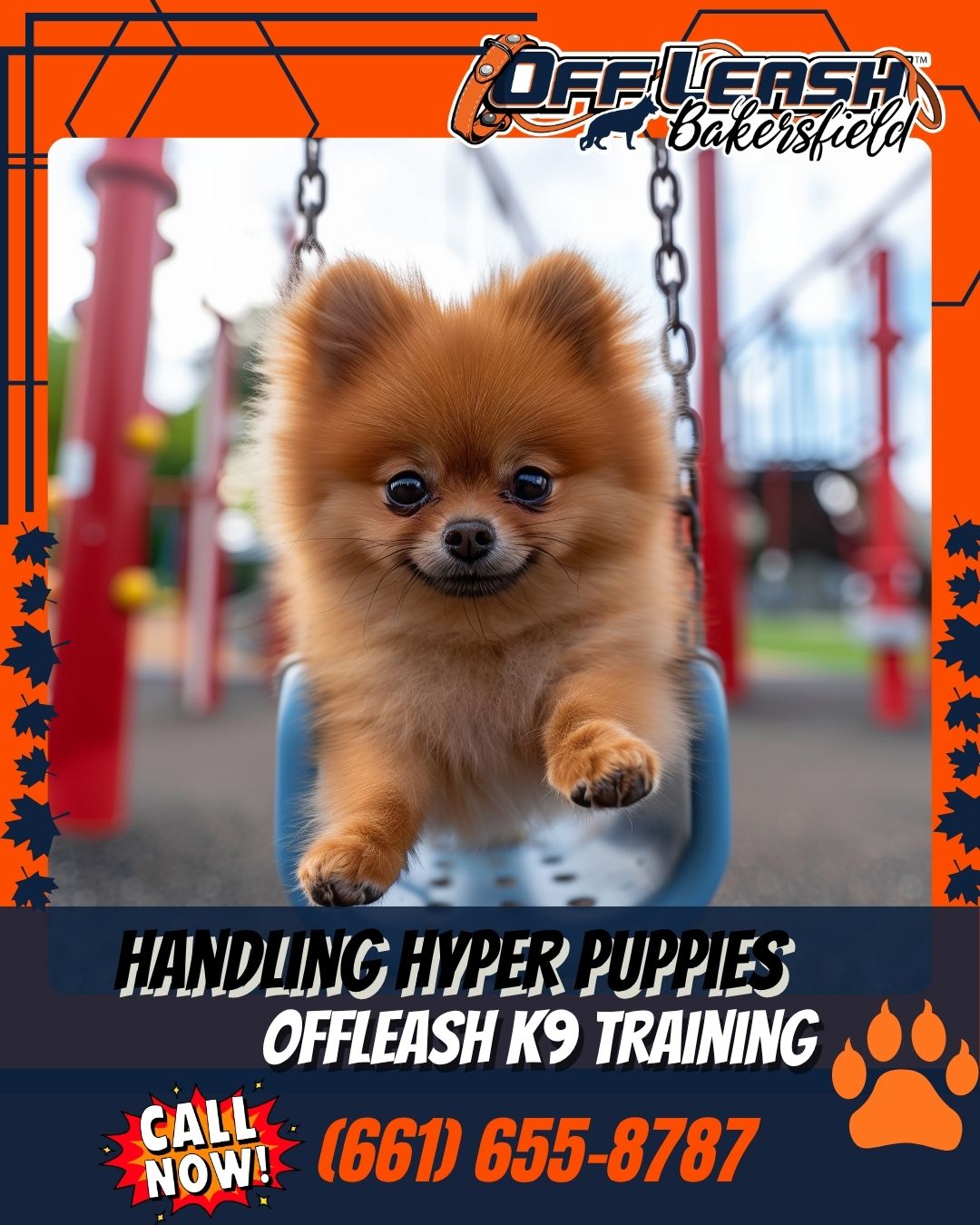
Handling Hyper Puppies Redirecting Zoomies into Calm Behavior
Few things are as entertaining, and occasionally frustrating, as a puppy in the middle of a classic case of the zoomies. These high-energy bursts can leave owners feeling helpless, trying to figure out how to shift from chaotic play to calm behavior. Interestingly, the main culprit behind these episodes is often an abundance of energy coupled with excitement.
Redirecting this energy isn’t just about giving your puppy enough exercise. It also involves structured play and calm training sessions to create a well-rounded approach. Historically, experts have found that activities like scent work or puzzle toys can be incredibly effective in channeling a puppy’s energy into more controlled behaviors. Research shows that regular mental and physical engagement can reduce hyperactivity by nearly 30%.
Managing hyper puppies involves providing structured activities to expend energy, using mental stimulation with puzzle toys, and incorporating short training sessions. A predictable routine with balanced play and relaxation helps reduce hyperactivity. Redirecting energy through interactive toys and safe spaces ensures a calmer, well-behaved puppy.

Understanding Zoomies in Hyper Puppies
Zoomies, or frenetic random activity periods (FRAPs), often leave puppy owners puzzled. These sudden bursts of energy usually happen after a nap or bath. It’s a common behavior, but not everyone knows why dogs do it. By understanding zoomies, owners can better manage these episodes. This understanding can lead to a calmer and happier home environment.
Puppies, like human children, have lots of energy to burn. Zoomies help them expend this excess energy in a short time. They’re often a sign of a happy, healthy dog. However, if a puppy seems overly hyper or zoomies occur too frequently, it might indicate the need for more structured activities. Adding some playtime can balance their energy levels.
Observing when zoomies occur can provide valuable insights. Most puppies will have these bursts at predictable times, like after meals or rest. This means owners can anticipate and prepare for these energetic moments. Knowing the pattern helps in planning activities that can redirect this energy. This leads to a more harmonious living situation.
Not all zoomies are created equal; some puppies have more intense bursts. Puppies growing up in active households may have more frequent zoomies. Understanding these variations can guide owners in tailoring their approach. With patience and the right techniques, managing zoomies becomes easier. It turns a seemingly chaotic situation into a manageable one.
What Are Zoomies and Why Do Puppies Experience Them?
Zoomies, technically known as frenetic random activity periods (FRAPs), are intense bursts of hyperactivity. Puppies suddenly run around at high speed. This behavior can seem chaotic but is entirely natural. Puppy owners often see this after their pets wake up or take a bath. Zoomies are simply an outlet for a puppy’s pent-up energy.
There are several reasons why puppies experience zoomies. One main reason is excess energy. Puppies have tons of energy that needs to be released. Sometimes, zoomies are just a way for them to blow off some steam. Puppies also use zoomies to express excitement or happiness, such as when they see their favorite toy.
Understanding the timing of zoomies can help manage this behavior. Zoomies usually happen in short, sudden bursts. They don’t last long but can be quite energetic. Observing when they occur can help owners anticipate these episodes. This allows for better planning to provide appropriate activities to guide this energy effectively.
Interestingly, zoomies are not just limited to puppies. Adult dogs can have them as well. However, they are more common in younger dogs because they have higher energy levels. Recognizing and understanding the zoomie episodes can aid in creating a balanced routine. This ensures the puppy remains healthy and happy.
Tips on Redirecting Energy During a Zoomie Episode
One effective way to handle zoomies is to provide a safe space for your puppy to run. This can be an open room or a fenced yard. Allowing them to burn off energy in a controlled area ensures their safety. It also prevents any potential damage to household items. It’s important to observe and ensure they don’t run into obstacles.
Interactive toys can be a great way to redirect your puppy’s energy. Toys that require problem-solving can engage their mind and body. Puzzle toys, for example, are perfect for this. They keep the puppy occupied and challenge them mentally. This can reduce the frequency and intensity of zoomie episodes.
Structured activities are also beneficial. Engage your puppy in short training sessions. This not only tires them out but also teaches them new skills. Incorporating commands like “sit” or “stay” can provide mental stimulation. Consistent practice helps redirect their energy into learning.
An established routine can help balance energy levels. Set specific times for play, training, and rest. Predictable schedules help puppies know what to expect. This can reduce random bursts of energy. A balanced routine ensures they get enough physical and mental exercise throughout the day.
Using Play to Channel Hyperactivity into Positive Behaviors
Play is a powerful tool in managing puppy hyperactivity. Games like fetch or tug-of-war are not just fun but also physically tiring. This helps puppies release excess energy in a productive way. Engaging in regular play sessions can significantly reduce unwanted hyper behaviors. Puppies learn to associate playtime with positive physical activities.
Incorporating training into play provides mental stimulation. Activities like hide and seek can be adapted to include basic commands. This way, puppies must think and make decisions while playing. Such interactive play encourages them to use their brain along with their body. It results in a calmer and more focused pup over time.
Social play is equally important. Arrange playdates with other friendly dogs to enhance social skills. Puppies learn proper behaviors while interacting with peers. This helps decrease hyperactivity born out of frustration or loneliness. Social play also prevents them from becoming overly attached to their owners alone.
Using toys that challenge a puppy’s mind can help in energy management. Puzzle toys make playtime more engaging as they need to figure out how to get a treat. These toys keep them busy and mentally stimulated. They offer a constructive outlet for their energy, limiting the chances for hyperactivity. Plus, they provide great solo play when owners are busy.
Routine playtimes contribute to a balanced daily schedule. Having set times for play ensures puppies expend their energy at predictable times. This reduces random bouts of hyperactivity. Consistency helps puppies understand when it’s playtime and when it’s time to be calm. Over time, they adapt to this routine, leading to better self-regulation.
Incorporate physical exercise and mental challenges during play. Try teaching new tricks or agility courses in your backyard. This combination keeps puppies engaged and well-rounded. They get the exercise they need while developing important skills. Structured play may lead to significant improvements in their overall behavior.
Training Techniques for Encouraging Calmness in Puppies
Teaching your puppy to relax on command is crucial. Use a cue like “settle” or “calm” and pair it with a comfortable spot. When your puppy is relaxed, reward them with treats. This reinforces the desired behavior over time. Consistency is key in making this training effective.
Creating a calm environment can help in managing a hyper puppy. Utilize background noise like soft music or white noise to soothe them. Minimize loud and sudden noises that can trigger excitement. Keep their space organized with a comfy bed and minimal distractions. A peaceful setting encourages a relaxed mindset.
Positive reinforcement is essential when training puppies. Reward calm behaviors with treats, toys, or affection. This encourages them to repeat these behaviors. Avoid rewarding hyperactivity to prevent reinforcing it. Controlled rewards guide puppies toward calm habits.
Implementing short but frequent training sessions can be beneficial. Puppies have short attention spans, so these sessions should last just a few minutes. Focus on commands like “sit,” “stay,” and “down.” Break up the training with playtime to keep them engaged. Gradually increase the duration as they improve.
Another technique is teaching impulse control. Games like “leave it” and “wait” can develop this skill. These activities require patience and focus from the puppy. Practicing impulse control helps them remain calm in various situations. These exercises are simple yet highly effective.
Socialization plays a role in training for calmness. Exposure to different environments, people, and other animals helps them adapt. A well-socialized puppy is less likely to get overexcited in new situations. Proper socialization combined with training builds a well-behaved and calm puppy. It’s an ongoing process that yields long-term benefits.
Creating a Routine That Balances Play and Relaxation
Establishing a balanced daily routine for your puppy is crucial. This means setting specific times for play, training, and relaxation. A predictable schedule helps the puppy know what to expect. Consistency provides a sense of security. It also aids in managing their energy levels effectively.
Incorporate regular exercise sessions to keep your puppy active. These can include walks, fetch games, or agility exercises. Make sure these activities are age-appropriate and not too strenuous. Over-exercising can lead to tiredness and irritability. Balancing activity with rest is key to a happy puppy.
Allocate time in the day for relaxation and quiet time. This could be after meals or mid-afternoon. Create a cozy spot where your puppy can unwind. Use mats, beds, or blankets to make it inviting. Encourage them to relax in this space daily.
Mental stimulation is just as important as physical exercise. Introduce puzzles and toys that challenge their brain. Activities like basic obedience training also count as mental exercise. Keep these sessions short but frequent. This ensures the puppy remains engaged without becoming over-stimulated.
Consistency in mealtime routines helps in balancing play and relaxation. Feed your puppy at the same times each day. Follow meals with a brief relaxation period. This routine helps their digestive system and aligns their energy levels. A well-fed puppy is more likely to be calm and relaxed.
Monitor and adjust the routine as your puppy grows. Their needs may change with age. Be flexible and make changes to ensure they receive the right balance of play and rest. Observing their behavior will guide you. A well-balanced routine supports a well-behaved and happy puppy.
Frequently Asked Questions
Here are some common questions and answers about handling hyper puppies and managing their energy effectively. These tips can help create a calm and balanced environment for your lively puppy.
1. How often should I exercise my hyper puppy?
A hyper puppy needs regular exercise to burn off excess energy. Aim for at least two exercise sessions totaling an hour a day. This can include walks, playtime, and interactive games. Adjust based on your puppy’s breed and energy levels to prevent overexertion.
Consistent exercise helps manage their hyperactivity and promotes overall well-being. Remember, mental exercise is equally important, so mix in activities like training sessions and puzzle toys. These combined efforts will help tire them out and lead to a calmer puppy.
2. What types of toys are best for hyper puppies?
Interactive toys that challenge your puppy’s mind and body are ideal. Puzzle toys, treat-dispensing toys, and chew toys can keep them engaged for longer periods. These toys not only provide physical activity but also stimulate their brains.
Rotating the toys every few days keeps their interest high. Look for durable and safe toys suitable for their size and chewing strength. Interactive play with these toys can reduce hyperactive behavior and promote calmness.
3. Can diet affect my puppy’s energy levels?
Yes, a balanced diet plays a crucial role in a puppy’s energy levels. Feeding them high-quality, nutrient-rich food supports their growth and energy needs. Avoid foods with excessive fillers and artificial ingredients, as they can contribute to hyperactivity.
Consult your vet for a diet plan tailored to your puppy’s breed, age, and activity level. Proper nutrition helps maintain consistent energy levels and keeps your puppy healthy and content. Always keep fresh water available to prevent dehydration.
4. Why does my puppy have zoomies at night?
Zoomies at night are often due to pent-up energy from the day. If your puppy hasn’t had enough exercise, they may release this energy in the evening. Ensuring they have play and exercise during the day can help reduce nighttime zoomies.
Additionally, puppies often feel a burst of energy right before bedtime as a natural way to tire themselves out. A relaxed nighttime routine including quiet play and calming activities can signal that it’s time to wind down, helping prevent those nighttime zoomies.
5. How can I train my puppy to calm down on command?
Teaching a command like “settle” or “calm” can be very effective. Start by choosing a quiet spot and using a calm voice, rewarding your puppy when they lie down quietly. Repeat this consistently, gradually increasing the time they stay calm.
Positive reinforcement with treats or their favorite toys reinforces the behavior. Over time, your puppy will associate the command with relaxing. Consistency and patience are key to successfully training your puppy to calm down on command.
Conclusion
Handling a hyper puppy requires patience and consistency. Implementing structured play and training sessions helps in channeling their energy effectively. Creating a balanced routine that combines play and relaxation is key to fostering a calm and well-behaved puppy.
Utilizing various techniques and tools, such as interactive toys and mental exercises, can significantly reduce hyperactivity. With the right approach, you can guide your puppy towards positive behaviors, making your home a harmonious environment for both you and your furry friend.
"*" indicates required fields