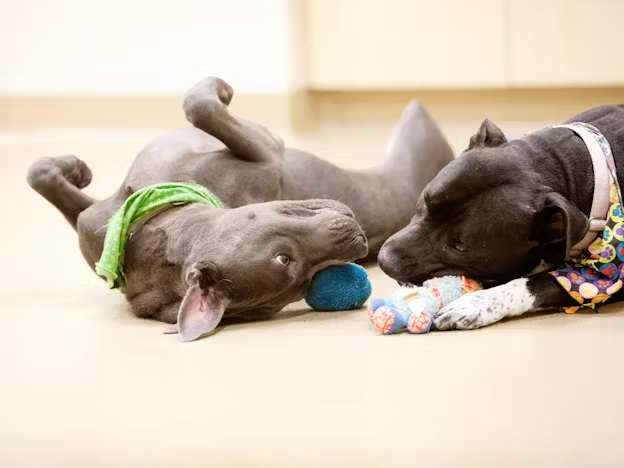
Master Dog Training Through Games: Your Complete Guide to Skill Enhancement
Want to make dog training an exciting adventure rather than a tedious chore? Game-based dog training is the answer – it’s a proven method that combines learning with play to enhance your dog’s skills effectively. Think about itdogs naturally learn through play, so why not harness this instinct for training? Whether you’re dealing with a playful puppy or an older dog, incorporating games into your training routine can transform the entire experience. In this comprehensive guide, we’ll explore how game-based training: • Strengthens the bond between you and your furry friend • Makes learning new commands more enjoyable and effective • Improves your dog’s cognitive abilities while having fun • Keeps your pet mentally stimulated and physically active Ready to revolutionize your training approach? Let’s discover how simple games can become powerful training tools that both you and your dog will love.
![500+ Dog Playing Pictures [HD] | Download Free Images on Unsplash](https://images.unsplash.com/photo-1620325698009-4163b8f6d501?fm=jpg&q=60&w=3000&ixlib=rb-4.1.0&ixid=M3wxMjA3fDB8MHxzZWFyY2h8Mnx8ZG9nJTIwcGxheWluZ3xlbnwwfHwwfHx8MA%3D%3D)
Essential Skills Enhanced Through Games
Focus and Attention
Training your dog’s focus and attention through games creates a strong foundation for skill development. By incorporating playful elements into basic obedience training, you can make learning more engaging and effective. Start with simple exercises that reward your dog for maintaining eye contact, gradually increasing the duration and adding distractions.
Interactive games like “Watch Me” help build concentration while strengthening the bond between you and your pet. This skill group forms the cornerstone of more advanced behavior patterns, making it easier to teach complex commands later on.
Command Response
Building reliable command response is crucial for successful dog training. Through game-based exercises, dogs learn to associate commands with positive experiences, making them more likely to respond consistently. Start with fundamental commands in a low-distraction environment, then progress to more challenging scenarios.
Turn basic commands into fun activities by incorporating toys, treats, or movement. This approach helps dogs understand that following instructions leads to enjoyable rewards, reinforcing their desire to participate in training sessions. As your dog masters these foundational skills, you can introduce more advanced behavior exercises while maintaining the playful atmosphere.
Brain-Boosting Indoor Games
Problem-Solving Activities
Engaging your dog in problem-solving activities is an excellent way to stimulate their mind and prevent boredom. One effective brain game involves hiding treats in interactive dog toys, challenging your furry friend to figure out how to access their reward. This not only keeps them entertained but also develops their cognitive abilities.
Start with simple puzzle toys and gradually increase the difficulty as your dog becomes more proficient. You can create DIY challenges by placing treats under cups or hiding them in cardboard boxes. These activities teach your dog persistence and creative thinking while providing plenty of fun brain game opportunities.
Consider incorporating food-dispensing balls or treat-dispensing mats that require your dog to use their nose and paws to retrieve rewards. These tools help develop problem-solving skills while satisfying their natural foraging instincts.
Memory Enhancement Games
Memory games are crucial for keeping your dog’s mind sharp and engaged. The classic “cup game” is a perfect starting point – show your dog a treat, place it under one of three cups, and shuffle them around. This simple yet effective exercise helps improve their concentration and memory retention.
Another engaging memory activity involves teaching your dog to remember the names of their toys. Start by consistently using the same name for each toy during playtime. Over time, ask them to fetch specific toys by name, gradually increasing the number of toys they need to remember.
You can also create a sequence game where your dog must remember a series of commands in order. Begin with two commands and slowly add more as they master each level. This type of brain game not only enhances memory but also strengthens the bond between you and your pet.
Interactive dog toy rotation is another effective strategy. Keep a selection of toys and rotate them weekly to maintain novelty and prevent boredom. This approach ensures your dog stays mentally stimulated while having fun with different challenges.
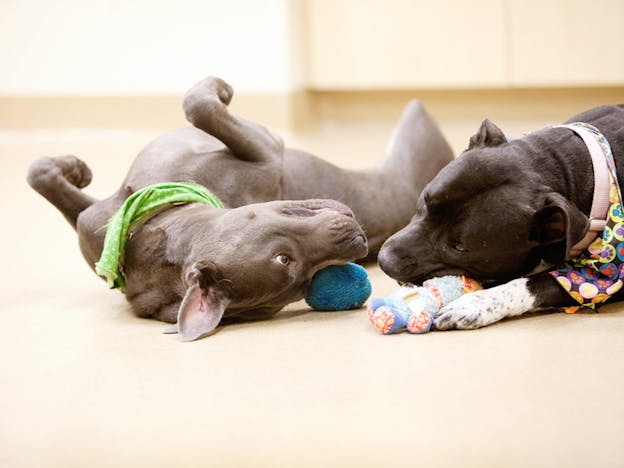
Outdoor Training Adventures
Environmental enrichment is essential for developing your dog’s real-life training skills. Taking your furry friend to different locations helps them adapt and learn in various situations, making training more effective and engaging.
Environmental Enrichment Exercises
Exploring new walking environments is crucial for your dog’s mental and physical development. Start by introducing your pup to different terrains like parks, beaches, or urban areas. This variety helps them build confidence and adaptability.
Create engaging scent trails in these new environments by hiding treats along your walking route. This encourages natural foraging behaviors while reinforcing basic commands in different settings. Your dog will learn to focus on you despite various distractions.
Set up obstacle courses using natural elements like logs, rocks, or fallen branches. This improves their agility and problem-solving abilities while strengthening your bond. Remember to praise and reward their efforts consistently.
Practice recall exercises in open spaces, gradually increasing the distance and adding distractions. This builds reliability in their response to commands across different scenarios. Start in quieter areas before progressing to more challenging environments.
Incorporate social interactions with other dogs and people during these outdoor sessions. This helps develop proper greeting behaviors and impulse control. Always monitor these interactions closely and reward calm, appropriate responses.
Use different walking patterns – zigzag, figure-eight, or sudden direction changes – to keep your dog engaged and responsive. This improves their attention span and reinforces leash manners in various settings.
Remember to keep sessions short and fun, ending on a positive note. This maintains your dog’s enthusiasm for learning and prevents mental fatigue.