Struggle Around Guests: Why Puppies Struggle Around Guests
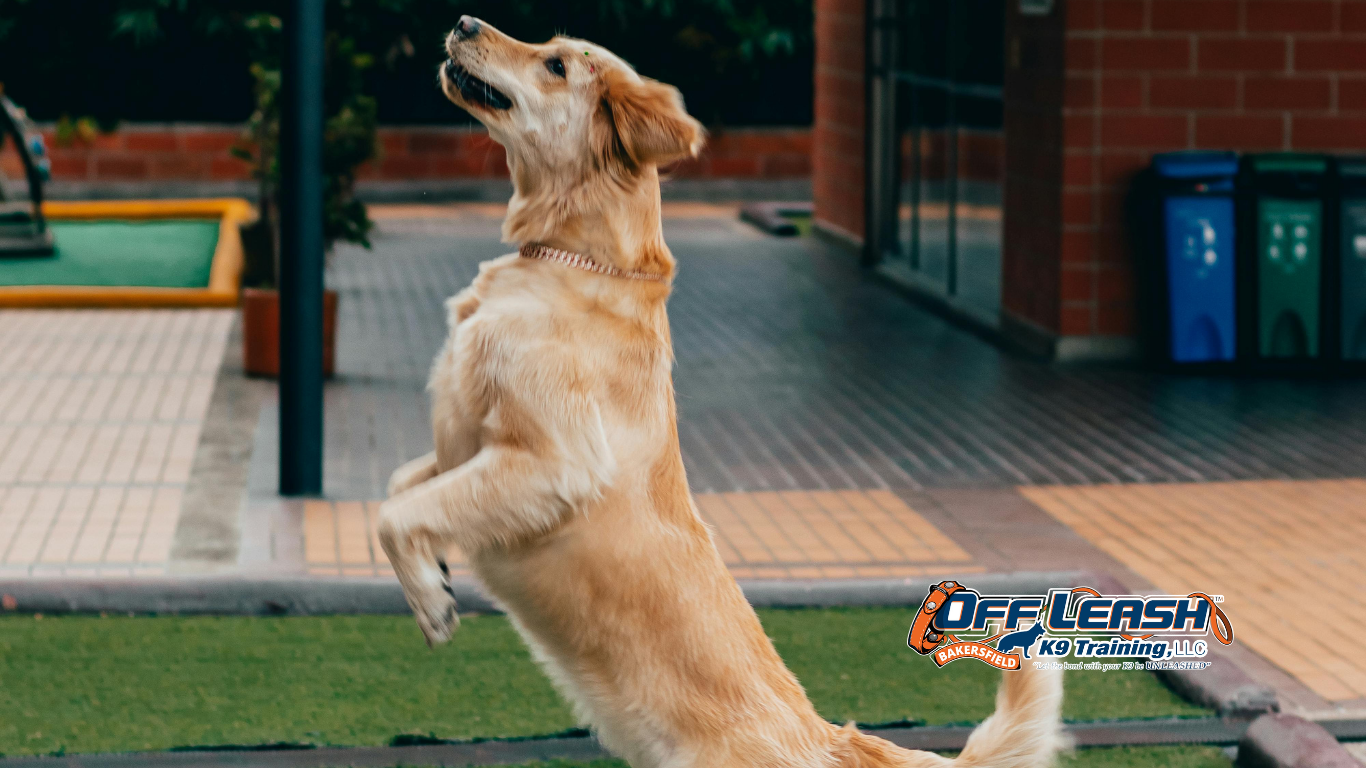
Struggle Around Guests is one of the most common challenges new puppy owners face. A puppy that behaves calmly with family members may suddenly become uncontrollable the moment someone knocks on the door or walks into the house. Jumping, barking, spinning, zooming around the room, mouthing hands, and ignoring every command are behaviors many owners experience when visitors arrive.
For some puppies, guests represent the most exciting event of the day. New people bring unfamiliar smells, voices, movements, and attention. The combination of excitement and curiosity can quickly overwhelm a puppy’s ability to think clearly.
Other puppies react differently.
Instead of excitement, they become nervous or cautious around unfamiliar people. They may hide behind furniture, avoid eye contact, bark from a distance, or refuse to approach visitors. While these behaviors look very different from overexcitement, both responses are caused by emotional arousal.
Many owners assume their puppy is simply being stubborn or overly energetic.
In reality, most puppies struggle around guests because they lack emotional regulation.
Young puppies are still developing the ability to manage their emotions. Their brains are constantly learning how to respond to new experiences. When something highly exciting or unfamiliar happens, their emotions often become stronger than their ability to listen or make good decisions.
This is completely normal.
However, allowing these behaviors to continue without guidance often creates habits that become much harder to change as puppies mature.
A puppy that jumps on guests today may become an adult dog that knocks visitors over.
A puppy that barks at strangers may develop long-term reactivity.
A puppy that becomes overwhelmed every time the doorbell rings may continue struggling with visitors for years.
Fortunately, puppies learn quickly when given consistent guidance.
Teaching calm greetings, impulse control, emotional regulation, and confidence during puppyhood creates the foundation for lifelong good manners.
For Bakersfield puppy owners, these skills are especially valuable because dogs regularly encounter visitors, neighborhood gatherings, family events, outdoor restaurants, parks, and busy public spaces. Puppies that learn to remain calm around guests become more confident, more reliable, and much easier to manage throughout adulthood.
Key Takeaways
- Puppies often struggle around guests because of excitement or uncertainty.
- Visitors create powerful distractions.
- Emotional regulation is still developing during puppyhood.
- Jumping and barking are often signs of excitement rather than disobedience.
- Calm greetings can be taught through consistent practice.
- Early training prevents unwanted habits.
- Impulse control improves greeting behavior.
- Confidence reduces nervousness around strangers.
- Structured introductions help puppies succeed.
- Consistency creates lifelong manners.
What Does “Struggle Around Guests” Mean?
When puppies struggle around guests, they have difficulty controlling their emotions and behavior when visitors enter the home. Some puppies become extremely excited, while others become fearful or uncertain. Both reactions are normal because young dogs are still learning how to respond appropriately to new people and situations.
A puppy struggling around guests may:
- Jump repeatedly
- Bark excessively
- Whine
- Run around the house
- Mouth hands or clothing
- Pull toward visitors
- Hide behind furniture
- Refuse treats
- Ignore commands
- Pace or appear restless
These behaviors are usually signs of emotional overload rather than disobedience.
Every visitor brings new smells, voices, body language, and energy into the home. Puppies often find these experiences exciting or overwhelming because they have not yet developed the emotional regulation needed to stay calm.
Learning how to greet people politely is a skill that develops through practice and consistency.
Why Puppies Get Overexcited Around Visitors
Visitors often become the most exciting event in a puppy’s day.
A new person may bring:
- Attention
- Affection
- Play
- Interesting smells
- New voices
- Movement
- Excitement
For a young puppy, this combination can feel overwhelming.
Instead of thinking calmly, excitement takes over.
Owners commonly see:
- Jumping
- Zoomies
- Barking
- Spinning
- Leash pulling
- Ignoring commands
Many puppies simply cannot control their emotions once visitors arrive.
Excitement itself is not bad.
The problem occurs when excitement becomes stronger than self-control.
Why Some Puppies Become Fearful of Guests
Not every puppy responds with excitement.
Some become nervous instead.
Fearful puppies may:
- Hide
- Freeze
- Avoid eye contact
- Bark from a distance
- Tremble
- Refuse interaction
Fear often develops because unfamiliar people represent uncertainty.
Puppies that have had limited positive social experiences may need additional time and guidance before feeling comfortable around strangers.
Forcing interaction usually increases fear.
Allowing puppies to approach at their own pace builds confidence more effectively.
Emotional Regulation During Greetings
Puppies are still developing this skill.
When emotions become too intense, puppies often stop thinking clearly.
They simply react.
Examples include:
- Jumping without thinking
- Barking continuously
- Mouthing visitors
- Running wildly through the house
- Ignoring familiar commands
Training emotional regulation teaches puppies to remain calm even when exciting things happen.
Instead of reacting automatically, they learn to pause and make better decisions.
Why Puppies Jump on Visitors
Jumping is one of the most common greeting behaviors.
Puppies jump because they naturally seek:
- Attention
- Interaction
- Affection
- Play
Visitors often unintentionally reinforce jumping by:
- Petting the puppy
- Talking excitedly
- Laughing
- Making eye contact
Even pushing the puppy away may still provide attention.
From the puppy’s perspective:
“Jumping works.”
Without consistent guidance, jumping quickly becomes a habit.
Why Puppies Bark at Guests
Barking may occur for several different reasons.
Some puppies bark because they are:
- Excited
- Curious
- Nervous
- Alert
- Seeking attention
Understanding the motivation behind barking is important.
Excitement barking requires different training than fear-based barking.
Observing body language often provides valuable clues.
Relaxed tails, loose movement, and playful behavior usually indicate excitement.
Stiff posture, avoidance, and tucked tails may indicate uncertainty.
The Role of Impulse Control
Impulse control helps puppies resist immediate urges.
Instead of immediately running toward visitors, puppies learn to:
- Wait
- Sit calmly
- Stay on a designated place
- Focus on the owner
- Remain patient
Impulse control affects nearly every aspect of greeting behavior.
Without it, excitement often leads to poor choices.
Fortunately, impulse control improves through daily practice.
Why Consistency Matters
Puppies learn through repetition.
If jumping is allowed one day but corrected the next, confusion develops.
Every family member should follow the same expectations.
Examples include:
- Four paws stay on the floor.
- Sitting earns greetings.
- Calm behavior receives attention.
- Jumping ends interaction.
Consistent expectations help puppies understand exactly how to succeed.
Mixed messages slow learning.
Common Owner Mistakes
Many owners unintentionally strengthen unwanted greeting behaviors.
Common mistakes include:
Greeting the puppy excitedly
High-energy greetings often increase excitement.
Allowing guests to reward jumping
Visitors frequently pet jumping puppies without realizing they are reinforcing the behavior.
Repeating commands
Saying “sit” multiple times teaches puppies they do not need to respond immediately.
Punishing excitement
Harsh corrections often create fear rather than calm behavior.
Waiting too long to train
The earlier greeting skills are introduced, the easier they become.
Inconsistent expectations
Different household rules confuse puppies.
Consistency always accelerates learning.
Teaching Calm Greetings
Polite greetings are learned through repetition.
Training should begin before guests arrive whenever possible.
Helpful strategies include:
Reward calm behavior
Instead of rewarding excitement, reinforce:
- Sitting
- Standing calmly
- Looking at the owner
- Remaining on all four paws
Practice with familiar people
Friends and family can help puppies practice greeting politely before encountering strangers.
Keep greetings short
Long interactions often increase excitement.
Short, successful greetings produce better learning.
Manage the environment
Baby gates, leashes, and controlled setups prevent puppies from rehearsing unwanted behaviors.
Focus on quality, not quantity
A few calm greetings teach far more than dozens of chaotic ones.
Over time, puppies begin associating visitors with calm behavior rather than overwhelming excitement.
These early experiences build confidence, strengthen emotional regulation, and create the foundation for polite social interactions throughout adulthood.
Crate and Place Training for Visitors
One of the most effective ways to help puppies remain calm when guests arrive is by teaching them that they do not have to greet every visitor immediately. Crate training and place training provide puppies with a predictable routine that reduces excitement and prevents them from rehearsing unwanted behaviors.
A crate should never be used as punishment. Instead, it should become a comfortable, safe space where the puppy can relax while activity is happening around them.
Place training teaches a puppy to remain on a designated bed or mat until released. This skill is extremely valuable when guests enter the home because it gives the puppy a clear job instead of allowing excitement to take over.
Benefits of place training include:
- Preventing jumping
- Reducing barking
- Improving impulse control
- Building emotional regulation
- Creating calmer greetings
- Increasing owner control
Socialization vs. Overexposure
Many owners believe socialization means allowing puppies to interact with every person they meet.
This is a common misunderstanding.
Good socialization teaches puppies to remain calm and confident around people—not that every stranger is an invitation to play.
Healthy socialization includes:
- Watching people calmly
- Walking past strangers
- Remaining relaxed around guests
- Experiencing different environments
- Building positive associations
Overexposure happens when puppies become overwhelmed by too many interactions in a short period of time.
Signs of overexposure include:
- Excessive jumping
- Constant barking
- Hiding
- Mouthing
- Zoomies
- Ignoring commands
- Difficulty settling
Quality experiences are far more valuable than quantity.
Teaching neutrality often creates better long-term behavior than encouraging every greeting.
Why Puppies Need Recovery Time
Excitement is mentally exhausting.
After visitors leave, many puppies remain emotionally stimulated for quite some time.
Owners may notice:
- Restlessness
- Zoomies
- Barking
- Difficulty settling
- Increased mouthing
- Hyperactivity
Providing quiet time after guests leave helps puppies return to a relaxed emotional state.
Helpful recovery activities include:
- Quiet crate time
- Chewing an appropriate toy
- Food puzzles
- Calm sniff walks
- Rest in a quiet room
Recovery is an important part of emotional development.
Building Confidence Around New People
Not every puppy naturally enjoys meeting strangers.
Some need time to build confidence.
Confidence develops through repeated positive experiences rather than forced interactions.
Owners can help by:
- Allowing the puppy to approach voluntarily
- Rewarding curiosity
- Avoiding pressure
- Remaining calm
- Keeping introductions brief
- Respecting the puppy’s comfort level
As confidence increases, nervous behaviors often decrease.
Why Daily Training Helps
Greeting manners improve with consistent practice.
Daily training reinforces:
- Sit
- Stay
- Place
- Recall
- Focus
- Impulse control
These skills become easier to use when guests arrive.
Short five to ten-minute training sessions often produce better results than occasional long sessions.
Consistency matters more than duration.
Why Family Consistency Is Essential
Every member of the household should follow the same greeting rules.
For example:
- The puppy sits before greeting.
- Jumping receives no attention.
- Calm behavior earns praise.
- Guests avoid encouraging rough play.
When everyone responds consistently, puppies learn much faster.
Mixed expectations create confusion.
Struggle Around Guests in Bakersfield
Bakersfield puppies regularly experience opportunities to meet new people.
Examples include:
- Neighborhood gatherings
- Family celebrations
- Outdoor restaurants
- Public parks
- Farmers markets
- Community events
- Pet-friendly businesses
Professional puppy training helps prepare young dogs for these situations by improving:
- Confidence
- Emotional regulation
- Public manners
- Impulse control
- Focus around distractions
Early preparation creates better behavior throughout adulthood.
Long-Term Benefits of Early Training
Teaching puppies how to behave around guests provides lifelong advantages.
Well-trained dogs often become:
- More confident
- Better listeners
- Calmer around visitors
- Easier to manage
- Less reactive
- More adaptable
- More enjoyable family companions
Early investment in training prevents many common adult behavior problems.
Frequently Asked Questions
1. Why does my puppy struggle around guests?
Most puppies become overwhelmed by excitement, curiosity, or uncertainty when new people enter their home.
2. Is jumping on visitors normal?
Yes. Jumping is a common puppy behavior, but it should be redirected early before it becomes a habit.
3. Why does my puppy bark at guests?
Puppies may bark because they are excited, nervous, curious, or trying to gain attention.
4. Should everyone pet my puppy?
No. Calm, structured interactions are usually more beneficial than allowing every visitor to interact.
5. Can place training help?
Yes. Place training teaches puppies to remain calm while guests enter and move around the home.
6. Is crate training useful when visitors arrive?
Yes. A crate can provide a safe, relaxing space while puppies learn appropriate greeting behavior.
7. How long does it take to improve greeting manners?
Every puppy learns at a different pace, but consistent daily practice typically leads to steady improvement.
8. What should guests do when greeting my puppy?
Guests should wait for calm behavior before giving attention and avoid rewarding jumping or excessive excitement.
9. Can professional training help?
Absolutely. Professional puppy training helps build impulse control, confidence, and reliable greeting manners.
10. Will my puppy eventually outgrow this behavior?
Conclusion
Struggle Around Guests is a normal part of puppy development, but it should not be ignored. Puppies are naturally curious, energetic, and still learning how to manage their emotions. When visitors arrive, the excitement or uncertainty they feel can quickly lead to jumping, barking, mouthing, zooming around the house, or ignoring commands. These behaviors are not signs of a “bad” puppy—they are signs that important life skills are still developing.
The encouraging news is that greeting manners can be taught. By focusing on emotional regulation, impulse control, calm introductions, place training, and consistent household rules, owners can help puppies develop the confidence needed to greet visitors politely. Daily practice and positive experiences create habits that become stronger over time.
For Bakersfield puppy owners, these skills are especially valuable because dogs frequently encounter neighbors, family gatherings, community events, outdoor dining areas, and other public settings where polite behavior is expected. Puppies that learn calm greeting skills early are often better prepared to handle these situations throughout adulthood.
Ultimately, teaching a puppy to remain calm around guests is about much more than preventing jumping or barking. It is about building confidence, emotional stability, and self-control that will benefit the dog in every area of life. With patience, structure, and consistent training, most puppies can grow into relaxed, well-mannered companions who welcome visitors with confidence instead of overwhelming excitement.
"*" indicates required fields