Frustration Tolerance: Why Dogs Need Frustration Tolerance
Frustration Tolerance is one of the most important yet overlooked skills in dog training. Many owners focus on teaching commands like sit, stay, come, and down, believing obedience alone will solve behavior problems. While these commands are valuable, they are only part of the picture. A dog that understands obedience but cannot handle frustration will often struggle when life does not go their way.
Dogs experience frustration every day. They may want to greet another dog during a walk, chase a squirrel across the park, jump on a visitor, or rush through an open doorway. When they are unable to satisfy those desires immediately, frustration naturally develops.
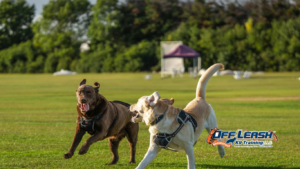
Some dogs handle these situations calmly, while others react by:
- Barking
- Whining
- Pulling on the leash
- Lunging
- Jumping
- Pawing
- Spinning
- Ignoring commands
- Becoming overly excited
- Developing reactive behaviors
These reactions are often misunderstood. Owners may believe their dog is stubborn or intentionally misbehaving, when in reality the dog simply lacks the ability to cope with disappointment or delayed gratification.
Frustration tolerance is not something dogs are born with. Like impulse control and emotional regulation, it is a learned skill that develops through consistent guidance, structured training, and repeated positive experiences. Puppies naturally have very little patience. Adolescent dogs frequently become overwhelmed by excitement, while even adult dogs can struggle if they have never learned how to remain calm when things do not happen immediately.
This skill affects nearly every aspect of daily life.
Dogs use frustration tolerance when they:
- Wait before eating
- Walk politely on a leash
- Stay calm around other dogs
- Remain seated while guests enter
- Wait their turn during training
- Ignore distractions
- Stay in place until released
- Handle delayed rewards
- Remain calm during grooming or veterinary visits
Without frustration tolerance, small moments of disappointment can quickly escalate into barking, pulling, jumping, or reactive behavior.
For Bakersfield dog owners, this skill is especially valuable because everyday life is filled with situations that challenge a dog’s patience. Busy parks, apartment complexes, neighborhood walks, public events, and outdoor shopping centers all require dogs to manage excitement and frustration appropriately.
The good news is that frustration tolerance can be developed. Through daily practice, consistency, and gradual exposure to challenging situations, dogs learn that staying calm often leads to better outcomes than reacting emotionally.
Teaching frustration tolerance is not about suppressing a dog’s personality.
It is about giving dogs the emotional tools they need to navigate the world with confidence, patience, and self-control.
Key Takeaways
- Frustration tolerance helps dogs remain calm when they cannot immediately get what they want.
- Poor frustration tolerance often leads to barking, pulling, whining, and reactive behavior.
- Puppies naturally have limited patience.
- Emotional regulation improves frustration tolerance.
- Impulse control and frustration tolerance work together.
- Daily practice builds patience.
- Clear expectations reduce emotional overload.
- Consistency strengthens learning.
- Structured training creates calmer behavior.
- Dogs with better frustration tolerance are often more reliable in public.
What Is Frustration Tolerance?
Whether it’s greeting another dog, chasing a squirrel, receiving a treat, or running through an open door, dogs constantly experience situations where they must wait or accept that they cannot have immediate access.
Dogs with good frustration tolerance can:
- Wait patiently
- Stay calm
- Continue listening
- Recover quickly from disappointment
- Make thoughtful decisions
Dogs with poor frustration tolerance often:
- Bark
- Whine
- Pull on the leash
- Jump
- Lunge
- Become reactive
- Ignore commands
Developing frustration tolerance helps dogs make better choices even when emotions run high.
Why Dogs Become Frustrated
Frustration develops whenever a dog wants something but cannot immediately access it.
Common situations include:
- Seeing another dog during a walk
- Watching children play
- Waiting for food
- Being asked to stay
- Sitting before greetings
- Being behind a fence
- Watching squirrels
- Waiting to exit the car
Frustration itself is normal.
How a dog handles frustration determines their behavior.
Emotional Regulation and Frustration
Dogs with stronger emotional regulation:
- Stay focused
- Recover quickly
- Continue responding to commands
- Make calmer decisions
Dogs with poor emotional regulation often react impulsively.
Teaching emotional regulation reduces frustration-related behaviors.
Puppies and Delayed Gratification
Puppies naturally struggle with patience.
Young dogs want immediate access to:
- Toys
- Food
- People
- Other dogs
- Exploration
Waiting is difficult because their brains are still developing.
Teaching delayed gratification during puppyhood creates better adult behavior.
Examples include:
- Waiting before meals
- Sitting before going outside
- Remaining calm before receiving toys
- Waiting for permission before greeting visitors
Small exercises build lifelong patience.
Why Leashes Create Frustration
Leashes often prevent dogs from reaching what they want.
For example:
A dog sees another dog.
The leash prevents greeting.
Frustration builds.
The dog begins:
- Barking
- Pulling
- Lunging
- Whining
Many leash-reactive dogs are actually experiencing frustration rather than aggression.
Teaching calm behavior reduces these reactions.
Barrier Frustration
Barriers commonly create frustration.
Examples include:
- Fences
- Windows
- Baby gates
- Kennels
- Crates
- Car windows
Dogs often react more intensely because they cannot reach the object of interest.
Barrier frustration commonly produces:
- Barking
- Jumping
- Scratching
- Spinning
- Lunging
Teaching calm observation helps reduce these behaviors.
Frustration Around Other Dogs
Many dogs become frustrated when they cannot greet every dog they see.
Owners often notice:
- Barking
- Pulling
- Vocalizing
- Lunging
The dog may not be aggressive.
Instead, they simply cannot manage the disappointment of being unable to interact.
Building neutrality helps reduce frustration.
Why Waiting Is an Important Skill
Patience improves nearly every area of training.
Dogs should learn to wait before:
- Meals
- Going outside
- Getting into the car
- Greeting guests
- Chasing toys
- Receiving affection
Waiting teaches dogs that calm behavior often produces better outcomes.
Why Impulse Control Matters
Impulse control and frustration tolerance work together.
Impulse control teaches dogs to:
- Pause
- Think
- Stay calm
- Resist immediate urges
These skills improve:
- Recall
- Loose leash walking
- Greetings
- Public obedience
- Household manners
Why Consistency Builds Patience
Dogs learn through repetition.
Consistent expectations help dogs understand:
- Waiting is normal.
- Calm behavior earns rewards.
- Impulsive behavior does not.
Daily repetition strengthens emotional stability.
Common Owner Mistakes
Owners sometimes unintentionally increase frustration by:
- Allowing pulling toward rewards
- Giving attention during whining
- Rewarding barking
- Inconsistent boundaries
- Moving too quickly through training
Consistency produces better long-term results.
Building Frustration Tolerance Through Training
Training should gradually teach dogs that patience pays off.
Helpful exercises include:
- Place training
- Stay exercises
- Doorway manners
- Loose leash walking
- Food waiting exercises
- Duration sits
- Calm greetings
Each success strengthens emotional resilience.
Why Mental Stimulation Helps
Mental exercise reduces frustration by giving dogs healthy outlets.
Helpful activities include:
- Puzzle toys
- Scent work
- Obedience sessions
- Food puzzles
- Problem-solving games
Mental enrichment often produces calmer behavior.
Why Exercise Supports Emotional Balance
Exercise reduces excess energy while improving emotional regulation.
Balanced activity includes:
- Structured walks
- Hiking
- Fetch
- Swimming
- Controlled play
Exercise works best when combined with training.
Real-World Practice Matters
Dogs improve by practicing patience in everyday environments.
Examples include:
- Parks
- Sidewalks
- Apartment complexes
- Outdoor shopping centers
- Community events
Gradual exposure strengthens frustration tolerance.
Frustration Tolerance in Bakersfield
Busy Bakersfield environments provide many opportunities for dogs to practice patience.
Common locations include:
- Public parks
- Neighborhood sidewalks
- Outdoor restaurants
- Apartment communities
- School zones
Professional training helps Bakersfield dogs develop:
- Better impulse control
- Stronger emotional regulation
- Public obedience
- Calm leash manners
- Reliable focus
Long-Term Benefits
Dogs with better frustration tolerance often become:
- Calmer companions
- Better listeners
- Less reactive
- Easier to manage
- More confident
- Better walking partners
- More reliable around distractions
Patience becomes part of everyday behavior.
Frequently Asked Questions
1. What is frustration tolerance in dogs?
2. Why does my dog bark when they can’t greet another dog?
Many dogs experience frustration because the leash prevents them from reaching another dog.
3. Is frustration the same as aggression?
No. Frustration often causes reactive behaviors but is different from true aggression.
4. Can puppies learn patience?
Yes. Puppies benefit greatly from early exercises that teach delayed gratification.
5. Why does my dog pull harder when excited?
Excitement reduces impulse control, making it harder for dogs to manage frustration.
6. Can frustration tolerance be improved?
Absolutely. Daily practice and structured training significantly improve patience.
7. Does mental stimulation help?
Yes. Mental enrichment gives dogs healthy ways to use their energy and improve self-control.
8. Why is waiting important?
Waiting teaches dogs that calm behavior often leads to better outcomes than impulsive reactions.
9. Can professional training help?
Yes. Professional trainers can develop customized exercises that improve frustration tolerance and emotional regulation.
10. How long does it take to build frustration tolerance?
Conclusion
Frustration Tolerance is one of the most valuable life skills a dog can develop. While obedience commands teach dogs what to do, frustration tolerance teaches them how to manage their emotions when life does not go exactly as they expect. This ability affects nearly every aspect of behavior, from leash walking and greetings to recall, public obedience, and interactions with other dogs.
Dogs naturally experience frustration throughout their daily lives. Waiting for meals, passing another dog without greeting, remaining calm around distractions, or staying in place while guests arrive all require patience. Without emotional regulation, these everyday situations can quickly turn into barking, pulling, lunging, or reactive behavior.
The encouraging news is that patience is a skill that can be taught. Through structured training, consistent expectations, impulse control exercises, and gradual exposure to real-world challenges, dogs learn that remaining calm often produces better outcomes than reacting impulsively.
For Bakersfield dog owners, developing frustration tolerance creates safer, more enjoyable experiences both at home and in public. Dogs that can manage disappointment effectively become more confident, more focused, and better prepared to navigate the busy environments they encounter every day.
Ultimately, frustration tolerance is about much more than teaching dogs to wait. It is about helping them build emotional resilience, make thoughtful decisions, and develop the confidence to handle life’s challenges calmly. Those skills create stronger relationships, better behavior, and happier lives for both dogs and their families.
"*" indicates required fields