Anxiety Cause Leash Pulling: Can Anxiety Cause Leash Pulling?
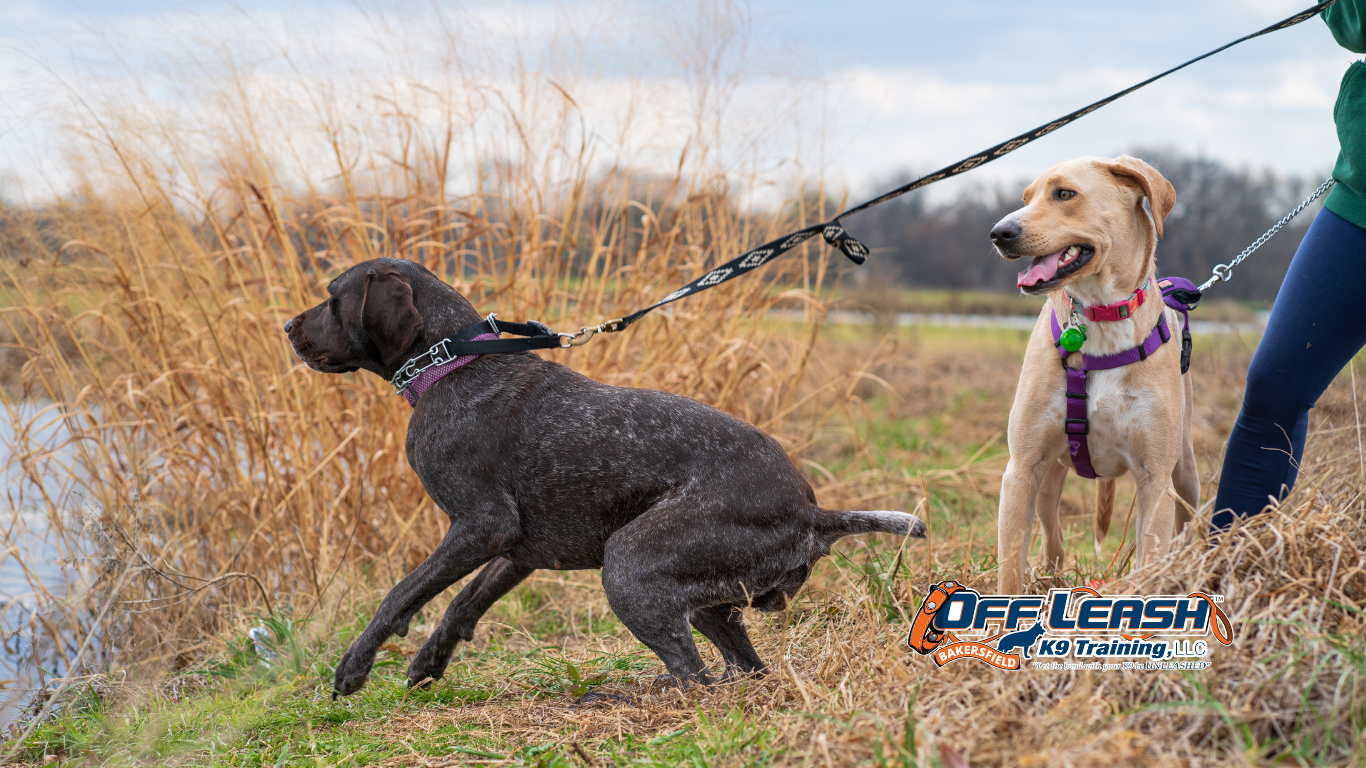
Anxiety Cause Leash Pulling is a question many dog owners ask when their dog suddenly begins pulling during walks or struggles to stay calm in unfamiliar environments. While excitement is one of the most common reasons dogs pull on the leash, anxiety is another major factor that is often overlooked.
Many owners assume leash pulling happens because their dog is stubborn, energetic, or simply wants to walk faster. In reality, a nervous or anxious dog may pull for completely different reasons. Rather than trying to reach something exciting, an anxious dog may be trying to escape something that feels threatening or move toward a place where they feel safe.
Dogs experience anxiety for many reasons. Loud noises, unfamiliar people, other dogs, bicycles, busy streets, construction, or sudden environmental changes can all increase stress levels. Once anxiety begins to rise, many dogs stop focusing on their owners and become more concerned with avoiding what they perceive as danger.
This emotional shift often leads to behaviors such as:
- Pulling hard on the leash
- Constant scanning of the environment
- Refusing to walk
- Lunging away from noises
- Barking or growling
- Panting without physical exertion
- Whining
- Ignoring commands
- Trying to return home
- Difficulty relaxing during walks
Leash pulling caused by anxiety requires a different approach than pulling caused by excitement. Instead of simply correcting the behavior, owners should focus on building confidence, reducing stress, and helping the dog feel safe in different environments.
Puppies, rescue dogs, and dogs that have experienced frightening events may be especially prone to anxiety-related leash pulling. However, any dog can develop anxiety if they repeatedly encounter situations that feel overwhelming.
For Bakersfield dog owners, busy sidewalks, neighborhood traffic, parks, apartment complexes, school zones, and community events expose dogs to countless sights and sounds that may trigger anxiety. Teaching dogs how to remain calm and confident in these environments improves not only leash manners but also their overall quality of life.
The encouraging news is that anxiety-related leash pulling can improve. With patience, structured training, gradual exposure, and consistent routines, dogs can learn to walk more calmly, trust their handlers, and navigate the world with greater confidence.
Key Takeaways
- Anxiety can be a major cause of leash pulling.
- Nervous dogs often pull to escape stressful situations.
- Fear reduces focus and obedience.
- Confidence-building exercises improve leash manners.
- Emotional regulation helps dogs stay calm.
- Gradual exposure reduces anxiety.
- Consistent training builds trust.
- Calm leadership supports recovery.
- Mental stimulation complements leash training.
- Patient, structured practice leads to lasting improvement.
What Is Anxiety-Related Leash Pulling?
Anxiety-related leash pulling occurs when a dog pulls because they feel stressed, fearful, or uncertain rather than simply excited. While many dogs pull because they want to reach something interesting, anxious dogs often pull because they are trying to increase distance from something they perceive as threatening or return to a place where they feel safe.
This type of pulling is driven by emotion rather than disobedience.
An anxious dog may:
- Pull toward home
- Pull away from loud noises
- Refuse to walk in certain areas
- Constantly change direction
- Scan the environment
- Freeze before suddenly pulling
- Pace during walks
- Ignore familiar commands
Why Fear Makes Dogs Pull
Fear activates a dog’s survival instincts.
When a dog encounters something they believe may be dangerous, their body prepares to either avoid it or escape from it. This natural response often causes the dog to pull forcefully on the leash.
Common fearful reactions include:
- Pulling away from strangers
- Pulling away from traffic
- Trying to return home
- Darting across the sidewalk
- Lunging away from loud sounds
The leash itself can increase frustration because it prevents the dog from moving freely.
Instead of feeling trapped, dogs need guidance that helps them feel safe while gradually learning that everyday situations are not dangerous.
Anxiety vs. Excitement
Excitement and anxiety can appear very similar.
Both may produce:
- Fast movement
- Pulling
- Barking
- Panting
- Ignoring commands
- Difficulty focusing
However, the underlying emotions are very different.
Excited dogs often display:
- Loose body posture
- Playful movement
- Relaxed facial expressions
- Happy tail wagging
- Curiosity
Anxious dogs may display:
- Tucked tail
- Flattened ears
- Wide eyes
- Lip licking
- Trembling
- Avoidance
- Constant scanning
Understanding the difference helps owners choose the appropriate training approach.
Common Anxiety Triggers on Walks
Every dog has different triggers.
Common examples include:
- Loud trucks
- Motorcycles
- Construction equipment
- Fireworks
- Thunderstorms
- Other dogs
- Strangers
- Bicycles
- Skateboards
- Children running
- Busy intersections
- Apartment hallways
- Crowded sidewalks
Some dogs respond to only one trigger.
Others react to multiple situations.
Learning your dog’s individual triggers allows you to plan more successful training sessions.
Why New Environments Increase Anxiety
Dogs often feel safest in familiar places.
Walking somewhere unfamiliar introduces:
- New smells
- Different sounds
- Unfamiliar people
- Unexpected movement
Because the environment is unpredictable, some dogs become more alert and anxious.
Repeated positive exposure helps unfamiliar places become comfortable over time.
Body Language of an Anxious Dog
Learning canine body language allows owners to recognize anxiety before pulling begins.
Common signs include:
- Ears pinned backward
- Tail tucked
- Wide eyes
- Whale eye (showing the whites of the eyes)
- Lip licking
- Yawning when not tired
- Panting without exercise
- Trembling
- Slow movement
- Freezing
- Refusing treats
- Constantly looking around
These early signals indicate that emotional stress is increasing.
Responding early is often more effective than waiting until the dog is already pulling or reacting.
How Stress Affects Learning
When stress increases, learning decreases.
Dogs experiencing anxiety often struggle to:
- Listen
- Process commands
- Focus on rewards
- Solve problems
- Remember previously learned behaviors
Owners sometimes believe their dog is ignoring them intentionally.
In reality, the dog’s brain is focused on perceived danger rather than training.
Reducing emotional stress allows learning to resume.
Why Dogs Stop Listening When Afraid
Fear changes priorities.
Instead of thinking about obedience, anxious dogs concentrate on staying safe.
This explains why dogs that perform perfectly at home may suddenly ignore every command during stressful walks.
The issue is not intelligence.
It is emotional overload.
Building Confidence Outdoors
Confidence develops through repeated positive experiences.
Owners can help by:
- Starting in quiet locations
- Allowing dogs to observe calmly
- Rewarding relaxed behavior
- Avoiding overwhelming situations
- Gradually increasing distractions
Small successes gradually teach dogs that unfamiliar environments are safe.
Confidence grows through experience.
Why Gradual Exposure Works
Flooding a dog with overwhelming situations often increases anxiety.
Instead, gradual exposure introduces challenges one step at a time.
For example:
Instead of walking directly through a crowded park, begin at a distance where the dog remains calm.
As confidence improves, gradually move closer.
This process allows dogs to learn without becoming emotionally overwhelmed.
Emotional Regulation During Walks
Emotional regulation is one of the most important skills for anxious dogs.
Dogs that regulate emotions well can:
- Recover after startling
- Stay calmer around distractions
- Continue listening
- Walk politely
- Ignore unnecessary triggers
Training exercises that improve emotional regulation include:
- Loose leash walking
- Engagement games
- Place training
- Focus exercises
- Duration sits
- Calm observation
These activities teach dogs that remaining calm is both safe and rewarding.
Why Engagement Builds Security
Anxious dogs often feel safer when they remain mentally connected to their owners.
Strong engagement encourages dogs to:
- Check in frequently
- Make eye contact
- Follow guidance
- Seek reassurance appropriately
Instead of constantly scanning the environment, engaged dogs learn that their owners provide direction and safety.
Over time, this partnership builds trust, improves confidence, and makes loose leash walking much easier, even in environments that once felt overwhelming.
Common Owner Mistakes
Many owners unintentionally make anxiety-related leash pulling worse without realizing it. Because anxious behavior can resemble excitement or stubbornness, owners often respond in ways that increase stress rather than build confidence.
Some of the most common mistakes include:
Pulling Back on the Leash Constantly
When dogs feel anxious, constantly pulling against the leash often increases frustration and tension.
Instead of feeling guided, the dog may feel trapped.
Loose, calm handling combined with structured training usually produces better results.
Forcing Dogs Toward Triggers
Owners sometimes encourage nervous dogs to “face their fears” too quickly.
For example:
- Walking directly toward another dog
- Standing close to loud traffic
- Approaching strangers immediately
- Entering crowded parks too soon
Flooding dogs with overwhelming situations often increases anxiety instead of reducing it.
Ignoring Early Signs of Stress
Many dogs communicate discomfort before leash pulling begins.
Early warning signs include:
- Lip licking
- Yawning
- Slowing down
- Looking away
- Tail lowering
- Ears pinned back
Recognizing these signals allows owners to intervene before emotions become overwhelming.
Expecting Too Much Too Soon
Confidence develops gradually.
Expecting immediate progress often creates frustration for both dogs and owners.
Small improvements lead to lasting success.
Safe Exposure to Triggers
Exposure should always occur at a level where the dog remains calm enough to learn.
Instead of avoiding every trigger forever, owners should help dogs experience challenging situations in manageable ways.
Examples include:
- Watching traffic from a distance
- Observing children playing across a park
- Walking near another dog without greeting
- Sitting quietly outside a pet-friendly store
The goal is not to eliminate every distraction.
The goal is to teach the dog that these situations are safe.
As confidence improves, owners can gradually decrease distance while maintaining calm behavior.
Loose Leash Training for Anxious Dogs
Loose leash walking is about much more than preventing pulling.
It teaches dogs to remain emotionally connected with their owners while navigating unfamiliar environments.
Helpful exercises include:
Reward Voluntary Check-Ins
Whenever the dog looks back at you naturally, reward the behavior.
This encourages engagement instead of environmental fixation.
Reinforce Calm Walking
Reward moments when the leash remains loose.
Dogs learn that staying close often produces better outcomes than pulling.
Use Predictable Walking Patterns
Consistent walking routines help anxious dogs understand what to expect.
Predictability reduces uncertainty.
Practice in Quiet Areas First
Start in locations with minimal distractions before progressing to busier environments.
Success builds confidence.
Keep Sessions Short
Short, successful walks often produce better learning than long, stressful outings.
Quality matters more than distance.
Why Mental Stimulation Supports Calm Walks
Mental exercise reduces stress while increasing confidence.
Helpful activities include:
- Puzzle feeders
- Nose work
- Food-search games
- Obedience practice
- Interactive toys
Dogs that receive regular mental enrichment often cope better with new environments.
Mental stimulation also improves emotional recovery after stressful experiences.
Why Routine Reduces Anxiety
Predictable daily routines help anxious dogs feel secure.
Helpful routines include:
- Consistent meal times
- Regular walks
- Scheduled training
- Quiet rest periods
- Predictable bedtime
Routine reduces uncertainty and helps dogs anticipate what comes next.
Anxiety Cause Leash Pulling in Bakersfield
Bakersfield provides many environments that challenge anxious dogs.
Examples include:
- Busy neighborhood sidewalks
- Public parks
- Apartment communities
- School zones
- Outdoor shopping centers
- Farmers markets
- Community events
- High-traffic intersections
These environments expose dogs to unfamiliar people, loud noises, bicycles, children, and other dogs.
Professional training helps Bakersfield dogs gradually build confidence while improving:
- Loose leash walking
- Emotional regulation
- Focus around distractions
- Public obedience
- Confidence in unfamiliar places
Learning these skills allows dogs to enjoy walks instead of fearing them.
Long-Term Benefits of Confidence-Based Training
Dogs that overcome anxiety-related leash pulling often become:
- More relaxed during walks
- Better listeners
- Less reactive
- More emotionally stable
- More adaptable
- Easier to manage
- More confident in public
Improved confidence benefits nearly every aspect of daily life.
Instead of constantly scanning for danger, dogs begin focusing on their owners and calmly exploring the world around them.
Frequently Asked Questions
1. Can anxiety really cause leash pulling?
Yes. Many dogs pull because they are trying to move away from something that makes them feel uncomfortable or unsafe.
2. How can I tell if my dog is anxious or just excited?
3. Should I force my dog to face scary situations?
No. Gradual exposure at a comfortable distance is generally far more effective than forcing dogs into overwhelming environments.
4. Why won’t my dog listen during walks?
High stress reduces a dog’s ability to focus and respond to commands.
5. Can puppies develop anxiety-related leash pulling?
Yes. Puppies that have limited positive experiences or frightening encounters may begin associating walks with stress.
6. Does confidence-building improve leash manners?
Absolutely. Confident dogs often walk more calmly because they feel safer in their surroundings.
7. Can older dogs overcome anxiety?
Yes. Dogs of any age can build confidence with consistent, structured training.
8. Is exercise enough to stop anxiety-related pulling?
Exercise helps, but combining physical activity with mental stimulation and confidence-building exercises produces the best results.
9. Should I use treats during leash training?
Yes. Rewarding calm behavior helps dogs develop positive associations with challenging environments.
10. When should I seek professional help?
If anxiety causes frequent pulling, fear, or difficulty enjoying walks, working with a qualified professional trainer can significantly improve your dog’s confidence and behavior.
Conclusion
Anxiety Cause Leash Pulling is more common than many dog owners realize. While excitement often contributes to pulling, fear and uncertainty can be equally powerful motivators. Dogs that feel anxious during walks are not trying to be difficult—they are responding to situations that feel overwhelming or unsafe from their perspective.
The encouraging news is that anxiety-related leash pulling is highly manageable with the right approach. Rather than focusing only on stopping the pulling itself, owners should work on improving the dog’s emotional well-being through confidence-building exercises, gradual exposure, structured routines, and consistent training. As dogs begin to feel safer in their environment, their ability to focus, listen, and walk calmly naturally improves.
For Bakersfield dog owners, developing these skills is especially valuable because local neighborhoods, parks, apartment complexes, and public spaces regularly expose dogs to new sights, sounds, and distractions. A dog that learns to remain calm despite these challenges becomes easier to handle and enjoys a much higher quality of life.
Ultimately, successful leash training is not simply about creating a loose leash. It is about helping dogs develop the confidence, trust, and emotional resilience needed to navigate the world comfortably. When dogs learn that their owners provide safety and guidance, they become more relaxed, more attentive, and far more capable of enjoying every walk with confidence.
"*" indicates required fields