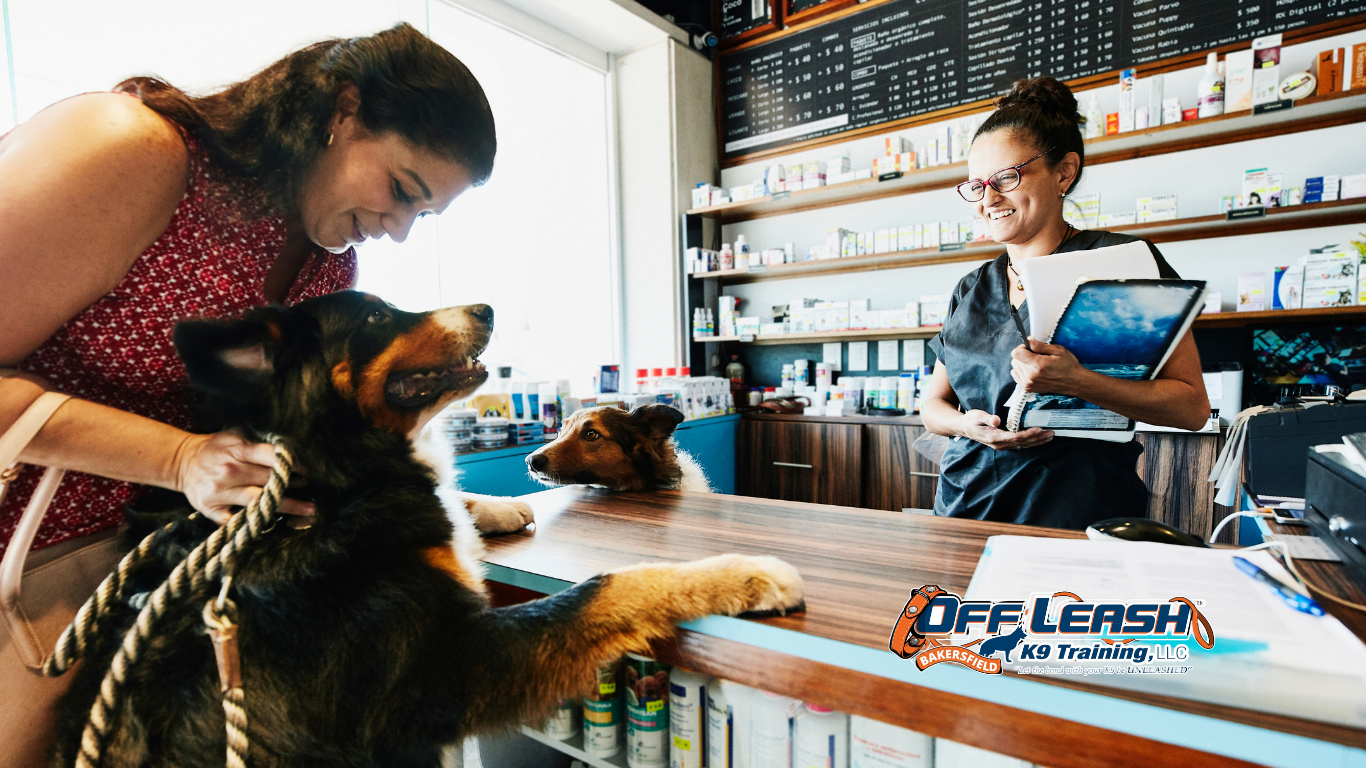
Better Greeting Manners: Why Dogs Need Better Greeting Manners
Better Greeting Manners are an essential part of raising a well-behaved, confident dog. Greeting people may seem like a simple interaction, but for many dogs, it is one of the most emotionally challenging moments of the day. The excitement of seeing visitors, meeting strangers, or encountering other dogs can quickly overwhelm their ability to think clearly and respond to commands.
Many owners experience the same problems when someone arrives at the front door or approaches during a walk. Their dog begins barking, jumping, spinning, pulling on the leash, or completely ignoring previously learned obedience commands. While these behaviors are common, they are not behaviors that dogs naturally outgrow.
Dogs greet each other differently than humans. They rely heavily on body language, movement, and scent. When they meet people, they often become overly excited because they are unsure how to appropriately channel their emotions. Puppies, adolescent dogs, and even adult dogs with limited training frequently struggle to remain calm during greetings.
Poor greeting manners can create problems in everyday life, including:
- Jumping on guests
- Barking excessively
- Pulling toward strangers
- Knocking over children
- Mouthing hands or clothing
- Lunging toward other dogs
- Ignoring commands
- Overexcitement
- Fear-based barking
- Difficulty settling after visitors arrive
Fortunately, greeting manners are learned skills.
Dogs are fully capable of learning that calm behavior earns attention while impulsive behavior does not. Through structured training, consistency, and positive reinforcement, owners can teach their dogs to greet people politely without becoming overwhelmed.
For Bakersfield dog owners, better greeting manners are especially valuable. Busy parks, neighborhood walks, outdoor restaurants, apartment complexes, pet-friendly businesses, and family gatherings all present opportunities for dogs to meet new people. Dogs with polite greeting manners are easier to manage, safer around visitors, and far more enjoyable companions in public.
Key Takeaways
- Better greeting manners improve everyday behavior.
- Calm greetings reduce jumping and barking.
- Emotional regulation is essential for polite interactions.
- Puppies benefit from early greeting training.
- Impulse control helps dogs remain patient.
- Consistency creates lasting habits.
- Positive reinforcement encourages calm behavior.
- Structured exposure builds confidence.
- Neutrality is often better than excitement.
- Training strengthens the relationship between dogs and owners.
What Are Better Greeting Manners?
Better Greeting Manners refer to a dog’s ability to remain calm, polite, and under control when meeting people, visitors, or other dogs. Instead of reacting with overwhelming excitement, barking, jumping, or pulling on the leash, a well-mannered dog learns to approach greetings with patience and self-control.
Greeting manners are not something dogs naturally understand. Puppies are born curious and social, and they often express those emotions through energetic behaviors. Without guidance, many dogs believe the best way to greet someone is by jumping, barking, spinning, or rushing toward them.
Good greeting manners include:
- Keeping all four paws on the ground
- Waiting patiently before saying hello
- Walking calmly toward people
- Ignoring strangers until given permission
- Remaining focused on the owner
- Greeting without barking excessively
- Staying relaxed around visitors
- Responding to commands during greetings
These behaviors make everyday life much easier for both the dog and the owner.
Polite greetings also help dogs remain emotionally balanced instead of becoming overwhelmed whenever someone new appears.
Why Dogs Become Overexcited During Greetings
Greeting people is one of the most exciting events in many dogs’ daily lives.
Visitors bring:
- New smells
- New voices
- Attention
- Physical affection
- Play opportunities
- Excitement
Many dogs become emotionally overloaded before they even have the chance to think.
Owners often notice behaviors such as:
- Jumping
- Barking
- Whining
- Spinning
- Running circles
- Pulling on the leash
- Ignoring commands
These behaviors are rarely signs of stubbornness.
Instead, they usually indicate that excitement has become stronger than the dog’s ability to regulate emotions.
Why Excitement Reduces Obedience
Dogs think differently when they are emotionally calm than when they are highly excited.
As excitement increases:
- Focus decreases.
- Decision-making becomes impulsive.
- Obedience becomes inconsistent.
- Listening becomes more difficult.
This explains why dogs that perform beautifully during training sessions suddenly forget everything when visitors arrive.
Training should focus on teaching dogs how to stay emotionally balanced instead of simply correcting unwanted behavior.
Why Greetings Become Rewarding
Dogs quickly learn that greeting people often leads to rewarding experiences.
Visitors may provide:
- Petting
- Praise
- Treats
- Play
- Eye contact
- Excited voices
Every positive interaction reinforces excitement.
Without structure, dogs begin expecting every greeting to become highly stimulating.
Over time, anticipation alone may trigger jumping and barking before anyone even enters the home.
Why Some Dogs Fear New People
Not every dog becomes excited.
Some dogs become nervous instead.
Fearful dogs may:
- Hide
- Avoid eye contact
- Bark from a distance
- Growl
- Tremble
- Freeze
- Refuse treats
These dogs are not trying to misbehave.
They simply feel uncertain about unfamiliar people.
Fear often develops because of:
- Limited socialization
- Previous negative experiences
- Genetics
- Lack of confidence
- Sudden environmental changes
Helping fearful dogs requires patience rather than pressure.
Why Puppies Often Feel Uncertain
Puppies experience countless “firsts.”
Examples include:
- Meeting delivery drivers
- Seeing people wearing hats
- Hearing loud voices
- Greeting children
- Visiting new homes
Because everything is unfamiliar, puppies often struggle to decide whether something is exciting or frightening.
Positive experiences help shape future confidence.
Emotional Regulation During Greetings
Emotional regulation allows dogs to experience excitement without losing control.
Dogs with strong emotional regulation can:
- Stay seated while visitors enter
- Wait patiently
- Accept delayed greetings
- Continue responding to commands
- Recover quickly after excitement
This skill develops through repeated practice.
It does not happen automatically.
Why Calmness Comes Before Obedience
Many owners focus entirely on obedience.
However, obedience depends on emotional state.
A dog overwhelmed with excitement cannot think clearly.
Teaching calmness first makes obedience much easier.
When dogs remain emotionally balanced, they are far more capable of:
- Listening
- Following commands
- Ignoring distractions
- Making good decisions
Why Dogs Jump on People
Jumping is one of the most common greeting problems.
Dogs jump because they naturally seek interaction.
Jumping often earns:
- Eye contact
- Touch
- Conversation
- Excitement
From the dog’s perspective:
“Jumping works.”
Unless owners consistently reward calm alternatives, jumping quickly becomes a habit.
Why Dogs Repeat Jumping
Dogs repeat behaviors that consistently produce results.
If jumping earns attention—even occasionally—it becomes stronger over time.
Consistency is the key to changing the pattern.
Instead of rewarding jumping, owners should reinforce:
- Sitting
- Standing calmly
- Looking at the owner
- Waiting patiently
Why Dogs Bark at Visitors
Barking during greetings has many possible causes.
Some dogs bark because they are:
- Excited
- Alert
- Curious
- Fearful
- Frustrated
Understanding the motivation behind barking is essential.
Excitement barking requires a different approach than fear-based barking.
Observing body language helps identify the underlying emotion.
Reading Greeting Body Language
Excited dogs often display:
- Loose body movement
- Wagging tails
- Play bows
- Happy expressions
- Bouncy movement
Fearful dogs commonly show:
- Tucked tails
- Flattened ears
- Avoidance
- Stiff posture
- Lip licking
- Trembling
Recognizing these differences allows owners to respond appropriately.
Impulse Control and Greeting Behavior
Impulse control is one of the most important skills dogs develop.
Instead of reacting immediately, dogs learn to:
- Wait
- Think
- Stay calm
- Look at the owner
- Remain seated
- Ignore distractions
Impulse control affects nearly every greeting situation.
Without it, excitement usually wins.
Why Waiting Builds Better Manners
Waiting teaches dogs that patience leads to rewards.
Helpful exercises include:
- Sitting before greetings
- Waiting at the front door
- Remaining calm before exiting the car
- Staying on place while visitors enter
These small exercises build self-control that transfers into everyday life.
Over time, dogs begin realizing that calm behavior—not frantic excitement—is what earns attention and interaction.
This foundation prepares them to greet visitors politely, remain composed around strangers, and confidently navigate social situations both at home and in public.
Common Owner Mistakes
Teaching Better Greeting Manners requires consistency, patience, and clear communication. Unfortunately, many owners unintentionally reinforce poor greeting behavior without realizing it. Because greetings happen quickly, small mistakes repeated over time can create long-lasting habits.
Understanding these common mistakes makes it much easier to teach calm, polite greetings.
Rewarding Jumping With Attention
One of the biggest mistakes is giving attention to a dog that jumps.
Owners or guests may:
- Pet the dog
- Laugh
- Talk excitedly
- Push the dog away
- Make eye contact
Although pushing the dog away feels like a correction, many dogs still see it as attention.
From the dog’s perspective:
“Jumping got someone to interact with me.”
Instead, attention should begin only after the dog is calm with all four paws on the ground.
Greeting Dogs With Too Much Excitement
Many owners unintentionally increase excitement by greeting their dog enthusiastically.
Examples include:
- High-pitched voices
- Rapid petting
- Running toward the dog
- Encouraging jumping
- Rough play immediately after arriving home
Calm greetings encourage calm behavior.
Dogs often mirror the emotional energy around them.
Allowing Inconsistent Rules
If one family member allows jumping while another discourages it, dogs receive mixed messages.
Consistency means everyone follows the same expectations.
For example:
- Four paws stay on the floor.
- Sitting earns attention.
- Barking does not begin greetings.
- Visitors wait for calm behavior.
Dogs learn much faster when expectations never change.
Repeating Commands
Owners often repeat:
- Sit.
- Sit.
- Sit.
Instead of teaching obedience, repeated commands teach dogs they do not need to respond immediately.
Give the cue once.
Reward success.
Practice consistently.
Punishing Excitement
Excitement is an emotional state.
Harsh corrections often increase stress or confusion rather than teaching calm behavior.
Instead, redirect the dog toward successful behaviors that earn rewards.
Teaching Calm Greetings
Greeting manners improve through repetition.
The goal is not to stop dogs from enjoying people.
The goal is teaching them how to express excitement appropriately.
Reward Calm Behavior
Reward behaviors such as:
- Sitting
- Standing quietly
- Looking at the owner
- Remaining relaxed
- Walking politely
Dogs quickly learn which behaviors produce positive outcomes.
Practice Before Real Guests Arrive
Friends and family make excellent training partners.
Practice greeting routines in controlled situations before expecting perfect behavior with unfamiliar visitors.
Short sessions produce better learning.
Use a Leash During Practice
Keeping the leash attached provides additional control while preventing puppies and adult dogs from rehearsing jumping behaviors.
The leash is not used for punishment.
Instead, it simply helps guide successful behavior.
Teach a Reliable Place Command
Place training is one of the most valuable greeting skills.
When guests arrive, dogs learn to:
- Go to their bed
- Remain calm
- Watch quietly
- Wait for permission
Place training creates structure while reducing emotional overload.
End Greetings Before Excitement Escalates
Many owners wait until dogs become overly excited.
Instead, end greetings while the dog is still calm.
Successful repetitions build confidence much faster than chaotic interactions.
Better Greeting Manners in Bakersfield
Dogs living in Bakersfield regularly encounter greeting opportunities.
Examples include:
- Neighborhood walks
- Outdoor restaurants
- Farmers markets
- Public parks
- Apartment communities
- Pet-friendly businesses
- Community events
- Family gatherings
Each location introduces unfamiliar people and distractions.
Professional dog training helps Bakersfield dogs develop:
- Calm public behavior
- Better impulse control
- Emotional regulation
- Loose leash walking
- Reliable obedience
- Confidence around strangers
These skills make public outings safer and far more enjoyable.
Long-Term Benefits of Greeting Training
Teaching greeting manners affects much more than visitor interactions.
Dogs that master polite greetings often become:
- Better listeners
- More emotionally stable
- Less reactive
- Easier to manage
- More confident
- Better walking companions
- Safer around children
- More welcome in public places
Greeting manners improve nearly every aspect of daily life.
Calm dogs recover faster after exciting events and make better decisions in unfamiliar environments.
Frequently Asked Questions
1. Why does my dog jump on everyone they meet?
Most dogs jump because it has successfully earned attention in the past. Consistently rewarding calm greetings helps replace this habit.
2. Is barking during greetings normal?
Yes. Dogs may bark because they are excited, alert, or uncertain. The underlying emotion determines the best training approach.
3. Should visitors pet my dog immediately?
No. Waiting until your dog is calm helps reinforce polite greeting behavior.
4. Can puppies learn greeting manners?
Absolutely. Puppyhood is one of the best times to teach calm greetings before unwanted habits become established.
5. Why does my dog ignore commands when guests arrive?
Excitement can become so intense that it temporarily reduces focus and impulse control, making it harder for dogs to respond.
6. How long does it take to improve greeting behavior?
Every dog learns at a different pace. Consistent daily practice often produces noticeable improvement over several weeks.
7. Is place training useful for visitors?
http://bakersfielddogtrainers.comYes. Place training teaches dogs to remain calm and gives them a clear job while guests enter the home.
8. Should my dog greet every person they meet?
Not necessarily. Teaching calm neutrality is often more valuable than encouraging every interaction.
9. Can professional training improve greeting manners?
Yes. Professional training helps develop impulse control, emotional regulation, and reliable obedience in real-world situations.
10. What is the biggest key to better greeting manners?
Consistency. When owners reward calm behavior every time and avoid reinforcing jumping or barking, dogs learn polite greetings much faster.
Comprehensive Conclusion
Better Greeting Manners are about much more than teaching a dog not to jump. They help dogs develop emotional control, patience, and the ability to remain calm in situations that naturally create excitement or uncertainty. Whether greeting visitors at home, meeting strangers on a walk, or encountering people in busy public places, good manners allow dogs to respond thoughtfully instead of reacting impulsively.
Many greeting problems begin because dogs simply have not learned a better way to express their emotions. Jumping, barking, spinning, and pulling are often signs of excitement rather than defiance. By teaching calm alternatives, rewarding self-control, and maintaining consistent expectations, owners help dogs understand that polite behavior leads to positive outcomes.
For Bakersfield dog owners, good greeting manners make everyday life easier. Dogs regularly encounter neighbors, guests, delivery drivers, park visitors, and other distractions. A dog that can remain calm in these situations is safer, easier to manage, and more enjoyable to include in family activities and public outings.
Ultimately, greeting manners are built through repetition, structure, and trust. Every calm greeting strengthens impulse control, every successful interaction builds confidence, and every consistent training session reinforces lifelong habits. With patience and daily practice, most dogs can learn to greet people politely, remain emotionally balanced, and become confident companions both at home and throughout the community.
"*" indicates required fields