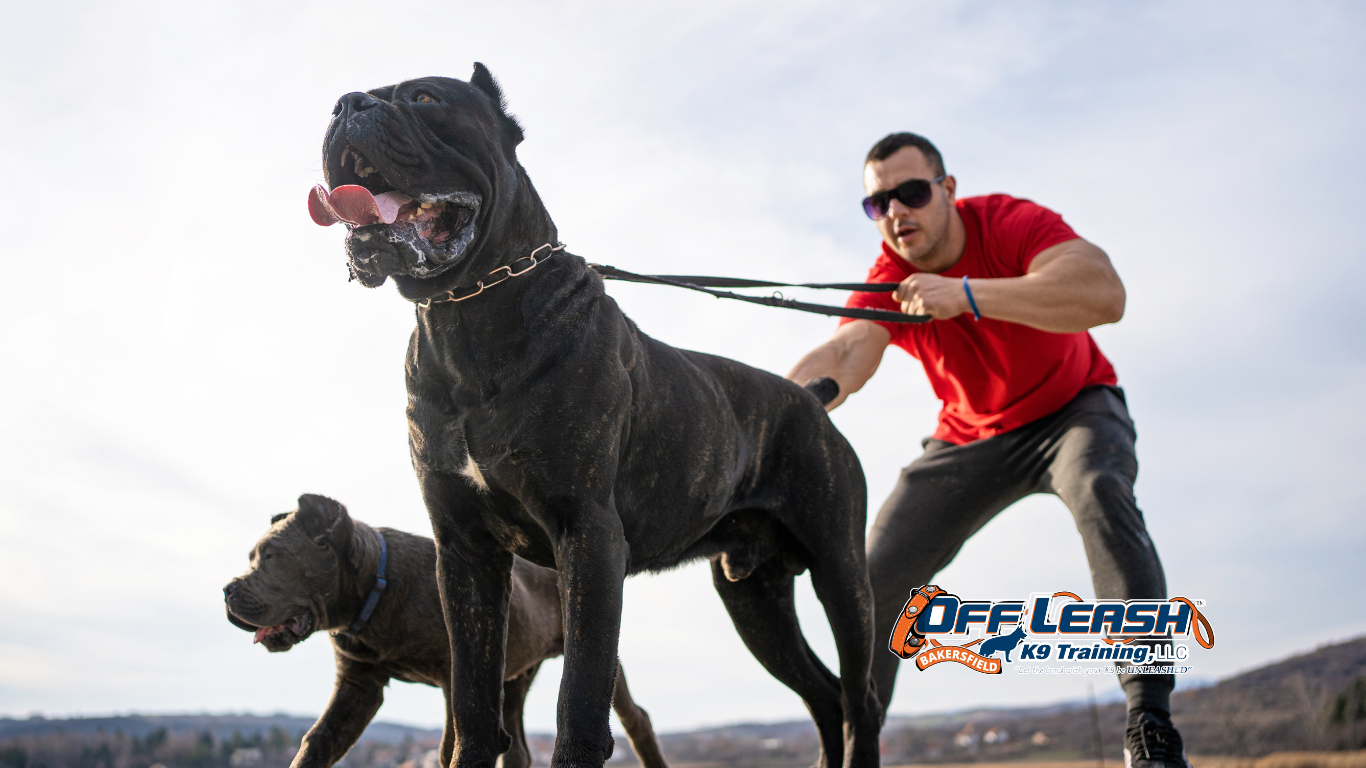
Protective of Their Owners: Why Dogs Become Protective of Their Owners
Protective of Their Owners is a behavior many dog owners notice as their dog matures. Some dogs position themselves between their owner and strangers, bark when someone approaches, growl at visitors, or become tense whenever another person or dog gets too close. While many people see this behavior as a sign of loyalty, excessive protectiveness can become a serious behavioral issue if left unaddressed.
Dogs naturally form strong bonds with their families. They depend on their owners for food, safety, guidance, and companionship. Because of this relationship, some dogs begin believing it is their responsibility to protect the people they love. In reality, most family dogs are not making thoughtful decisions about protection. They are reacting emotionally to situations they perceive as uncertain or threatening.
Protective behavior is often misunderstood. Owners sometimes assume their dog is being brave or guarding them from danger, when in fact the dog may simply be anxious, insecure, or overstimulated. Fear and uncertainty are common reasons dogs become protective, especially if they lack confidence or have experienced limited socialization.
A dog that becomes protective of its owner may display behaviors such as:
- Barking at strangers
- Growling when someone approaches
- Standing in front of the owner
- Lunging during walks
- Blocking visitors from entering the home
- Pulling toward unfamiliar people or dogs
- Ignoring obedience commands
- Becoming tense around guests
- Watching people intensely
- Reacting more strongly when the owner is nearby
These behaviors can make everyday situations stressful. Walks become difficult, visitors may feel uncomfortable, and simple errands can turn into overwhelming experiences for both the dog and the owner.
Fortunately, protective behavior is often manageable through proper training. Dogs do not need to believe they are responsible for protecting every situation. Instead, they need to learn that their owner is capable of making decisions and keeping everyone safe.
Building confidence, improving emotional regulation, strengthening obedience, and creating clear boundaries all help reduce unnecessary protective behaviors. The goal is not to eliminate a dog’s natural loyalty but to teach them when calm behavior is the appropriate response.
For Bakersfield dog owners, these skills are especially valuable. Busy neighborhoods, parks, outdoor restaurants, apartment complexes, and community events expose dogs to many unfamiliar people and situations. A dog that remains calm and confident instead of overly protective is safer, easier to manage, and more enjoyable to take into public settings.
Key Takeaways
- Dogs may become protective because of fear, anxiety, or insecurity.
- Protective behavior is not always a sign of aggression.
- Confidence-building helps reduce unnecessary protectiveness.
- Emotional regulation improves decision-making.
- Consistent leadership helps dogs feel secure.
- Early training prevents protective behaviors from becoming habits.
- Structured socialization builds confidence around people.
- Obedience provides guidance during stressful situations.
- Calm behavior should always be rewarded.
- Most dogs can learn to relax instead of feeling responsible for protecting their owners.
What Does “Protective of Their Owners” Mean?
When a dog is protective of their owners, they believe it is their responsibility to monitor, control, or respond to situations they perceive as threatening. This behavior may appear as standing in front of the owner, barking at approaching people, growling when strangers get too close, or reacting aggressively toward other dogs.
Many owners interpret this behavior as loyalty.
While dogs certainly form strong bonds with their families, excessive protectiveness is usually driven by emotion rather than thoughtful decision-making.
A protective dog may:
- Position themselves between you and strangers
- Watch unfamiliar people intensely
- Bark when someone approaches
- Growl if visitors enter the home
- Lunge during walks
- Become tense around guests
- Block access to the owner
- Ignore obedience commands when focused on a perceived threat
These behaviors often develop because the dog believes they must manage situations themselves instead of relying on their owner for guidance.
The goal of training is not to eliminate a dog’s natural loyalty.
Instead, it is to teach them that remaining calm and looking to their owner for direction is the appropriate response.
Why Dogs Become Protective
Several factors contribute to protective behavior.
Understanding the underlying cause helps determine the best training approach.
Common reasons include:
Fear
Many protective dogs are actually fearful.
When they feel uncertain, they attempt to create distance between themselves and whatever concerns them.
Anxiety
Dogs experiencing chronic anxiety often become hyperaware of their surroundings.
They constantly scan for potential threats and react quickly whenever something unfamiliar appears.
Lack of Confidence
Dogs lacking confidence frequently believe they must control situations because they do not feel emotionally secure.
Confidence-building exercises often reduce protective behavior significantly.
Learned Behavior
Some dogs discover that barking or lunging causes strangers to move away.
From the dog’s perspective:
“My behavior worked.”
Each successful repetition strengthens the habit.
Inconsistent Leadership
Dogs thrive when owners provide clear guidance.
Without consistent direction, some dogs begin making their own decisions about what needs to be protected.
Why Environment Influences Protective Behavior
Certain environments naturally increase vigilance.
Examples include:
- The family home
- The front yard
- Inside the car
- Apartment hallways
- Small spaces
- Busy sidewalks
Dogs often feel more responsible for monitoring these locations because they view them as part of their territory.
Protective Behavior vs. Aggression
Protective behavior and aggression are not always the same.
Protective dogs often react because they believe they are preventing danger.
Aggressive dogs may react for many different reasons, including fear, pain, territorial behavior, or resource guarding.
Protective dogs commonly:
- Bark first
- Watch closely
- Stand between the owner and others
- Become tense
- Pull toward perceived threats
Aggressive dogs may display:
- Intense staring
- Stiff posture
- Snapping
- Biting
- Repeated offensive behaviors
Professional evaluation is important whenever aggressive behavior is suspected.
Fear-Based Protection
One of the most common causes of protective behavior is fear.
Fearful dogs often believe:
“If I make enough noise, the scary thing will go away.”
Examples include:
- Barking at visitors
- Lunging during walks
- Growling at strangers
- Reacting to unfamiliar dogs
These behaviors often increase distance from the trigger.
The dog learns:
“My barking made them leave.”
This unintentionally reinforces the behavior.
Teaching confidence helps replace fear with calmer decision-making.
Why Anxiety Creates Protective Behaviors
Anxious dogs remain constantly alert.
Their brains continuously search for possible danger.
Because they anticipate problems, they often react before any real threat exists.
Examples include:
- Barking at harmless pedestrians
- Watching every passing dog
- Reacting to delivery drivers
- Becoming tense around guests
Reducing anxiety often reduces protective behavior.
Resource Guarding People
Some dogs begin treating their owners like valuable resources.
Instead of guarding food or toys, they guard people.
This behavior is called resource guarding.
Signs include:
- Blocking other people from approaching
- Growling when someone sits nearby
- Becoming upset when another pet receives attention
- Barking at visitors who approach the owner
Although this behavior appears protective, it often stems from insecurity rather than true guarding instincts.
Training teaches dogs that attention and relationships remain secure without needing to control access.
Breed Tendencies and Protective Instincts
Some breeds naturally display stronger protective tendencies.
Examples include:
- German Shepherds
- Belgian Malinois
- Doberman Pinschers
- Rottweilers
- Cane Corsos
- Akitas
These breeds were historically developed for guarding or protection work.
However, genetics do not determine behavior alone.
Training, socialization, and life experiences greatly influence how protective instincts are expressed.
Even breeds with strong guarding backgrounds can become calm, confident family companions through structured training.
Likewise, breeds without guarding histories may still develop protective behavior if they lack confidence or emotional stability.
Why Socialization Matters
Early socialization teaches dogs that unfamiliar people and situations are normal parts of life.
Well-socialized dogs are more likely to:
- Stay relaxed around strangers
- Recover quickly after surprises
- Ignore everyday activity
- Focus on their owners
Poor socialization often increases uncertainty.
Uncertainty frequently leads to protective reactions.
Body Language of a Protective Dog
Learning body language helps owners recognize protective behavior before it escalates.
Common signs include:
- Standing stiffly
- Leaning forward
- Closed mouth
- Intense eye contact
- Raised ears
- Slow tail movement
- Hackles raised
- Weight shifted forward
- Blocking movement
- Refusing to disengage
Some dogs become very quiet before reacting.
Others bark immediately.
Recognizing early warning signs allows owners to redirect attention before the dog becomes emotionally overwhelmed.
Why Dogs Stop Listening
As emotional arousal increases, obedience often decreases.
Once a protective dog becomes highly focused on a perceived threat, they may:
- Ignore commands
- Refuse treats
- Pull on the leash
- Bark continuously
This happens because emotion overrides thinking.
Training should focus on preventing dogs from reaching this heightened emotional state whenever possible.
Emotional Regulation and Confidence
One of the best ways to reduce protective behavior is by strengthening emotional regulation.
Emotionally regulated dogs can:
- Observe unfamiliar people calmly
- Recover quickly after surprises
- Stay focused on their owners
- Ignore unnecessary distractions
- Make thoughtful decisions
Confidence plays an equally important role.
Confident dogs rarely feel responsible for managing every situation around them.
Instead, they trust their owners to handle unfamiliar events.
Building confidence through structured training, positive experiences, gradual exposure, and consistent leadership helps dogs understand that they do not need to protect every interaction.
Over time, they learn that remaining calm is both safe and rewarding, creating a more relaxed, reliable companion in everyday life.
Common Owner Mistakes
Many dog owners unintentionally reinforce protective behavior without realizing it. Because the behavior is often mistaken for loyalty or affection, it may go uncorrected until it becomes a serious issue.
Understanding these common mistakes can help prevent protective behaviors from becoming long-term habits.
Encouraging Protective Behavior
Some owners praise their dog for barking or growling at strangers because they believe the dog is protecting them.
Comments such as:
- “Good boy!”
- “He’s protecting me.”
- “That’s my guard dog.”
may unintentionally reward the behavior.
From the dog’s perspective:
“My owner liked that reaction.”
Repeated reinforcement strengthens protective habits.
Allowing the Dog to Make Decisions
When dogs constantly decide:
- Who approaches
- Who enters the home
- Which dogs are allowed nearby
- When greetings happen
they begin believing those responsibilities belong to them.
Leadership should remain with the owner.
Dogs should learn to look to their owner for direction instead of making emotional decisions independently.
Inconsistent Rules
Consistency is critical.
If barking is ignored one day but corrected the next, dogs become confused.
Every family member should maintain the same expectations regarding:
- Greetings
- Visitor interactions
- Walk behavior
- Household boundaries
Consistency speeds learning.
Punishing Growling
Growling is communication.
Punishing a growl without addressing the underlying emotion may teach dogs to stop warning before reacting.
Instead, owners should recognize growling as information that the dog is uncomfortable and work to reduce the underlying fear or anxiety through training.
Skipping Socialization
Dogs that rarely encounter unfamiliar people or environments often struggle more when they eventually do.
Controlled exposure helps dogs learn that everyday situations are normal.
Teaching Calm Neutrality
The goal of training is not to teach dogs to love every stranger.
The goal is neutrality.
Neutral dogs can:
- Notice unfamiliar people.
- Stay relaxed.
- Continue walking.
- Ignore unnecessary interactions.
- Focus on their owners.
This creates much safer public behavior.
Reward Calm Choices
Whenever your dog calmly observes someone without reacting, reward that behavior.
Examples include:
- Looking at a stranger calmly
- Walking past another dog
- Remaining relaxed while someone enters the room
- Choosing to look back at you
Dogs repeat behaviors that consistently produce positive outcomes.
Build Engagement
Engagement teaches dogs to remain mentally connected with their owners.
Helpful exercises include:
- Name recognition
- Eye contact games
- Recall practice
- Loose leash walking
- Focus exercises
Dogs that frequently check in with their owners are less likely to react protectively.
Practice Around Low-Level Distractions
Begin training where your dog can remain successful.
Examples include:
- Quiet neighborhoods
- Calm parks
- Empty sidewalks
- Controlled training environments
As confidence improves, gradually increase distractions.
Avoid overwhelming your dog by progressing too quickly.
Teach a Reliable Place Command
Place training gives dogs a clear job when visitors arrive.
Instead of monitoring everyone entering the home, the dog learns to:
- Go to their bed
- Relax
- Wait calmly
- Focus on the owner
This reduces anxiety while creating predictable expectations.
Protective of Their Owners in Bakersfield
Common environments include:
- Neighborhood sidewalks
- Public parks
- Outdoor shopping centers
- Apartment complexes
- Farmers markets
- School zones
- Community festivals
- Pet-friendly businesses
These locations expose dogs to unfamiliar people, children, bicycles, delivery drivers, and other dogs.
Professional dog training helps Bakersfield owners teach:
- Emotional regulation
- Calm public behavior
- Loose leash walking
- Reliable obedience
- Better decision-making
- Confidence around strangers
These skills reduce unnecessary protective behaviors while improving overall obedience.
Long-Term Benefits of Structured Training
Benefits include:
- Greater emotional stability
- Better focus
- Improved obedience
- Reduced barking
- Less leash reactivity
- Better public manners
- Increased confidence
- Easier introductions to new people
- More enjoyable walks
- Stronger trust in their owners
Training helps dogs understand that they can safely rely on their owners to manage unfamiliar situations.
Frequently Asked Questions
1. Why is my dog protective of me but not other family members?
Dogs often form especially strong attachments to one person. They may become more protective if they rely on that individual for security, routine, or comfort.
2. Is protective behavior the same as aggression?
No. Protective behavior is often driven by fear, anxiety, or uncertainty. Aggression may have different causes, although protective behavior can escalate if left unmanaged.
3. Can fear make a dog seem protective?
Yes. Many dogs appear protective when they are actually trying to create distance from something that makes them uncomfortable.
4. Should I allow my dog to guard me?
In most family situations, no. Dogs should trust their owners to manage social interactions rather than feeling responsible for protecting them.
5. Can puppies become protective?
Yes. Puppies may begin showing protective tendencies, especially if they lack confidence or receive inconsistent guidance. Early training helps prevent these behaviors from becoming habits.
6. Which breeds are naturally more protective?
Breeds such as German Shepherds, Doberman Pinschers, Rottweilers, Belgian Malinois, and Cane Corsos often have stronger guarding instincts. However, any breed can develop protective behavior.
7. Will socialization eliminate protective behavior?
Socialization helps dogs become more comfortable around people and environments, but it should be combined with obedience training, confidence building, and clear boundaries.
8. How can I stop my dog from barking at visitors?
Teach calm alternatives such as place training, reward relaxed behavior, and avoid reinforcing barking with attention or excitement.
9. Can professional training help?
10. How long does it take to reduce protective behavior?
Every dog is different. With consistent daily training, many dogs show gradual improvement over several weeks or months, depending on the severity of the behavior and their individual temperament.
Comprehensive Conclusion
Protective of Their Owners behavior often comes from a place of uncertainty rather than true confidence. While dogs naturally form strong bonds with their families, excessive barking, growling, lunging, or blocking access to their owners usually indicates that the dog feels responsible for managing situations they do not fully understand. Left unaddressed, these behaviors can become more frequent and more intense, making everyday interactions stressful for both the dog and the owner.
The encouraging news is that most dogs can learn a different response. Through consistent leadership, structured obedience training, confidence-building exercises, and gradual exposure to new people and environments, dogs begin to understand that they do not have to take control of every situation. Instead of reacting emotionally, they learn to remain calm, observe their surroundings, and look to their owner for guidance.
For Bakersfield dog owners, these skills are especially valuable. Busy parks, apartment communities, neighborhood sidewalks, pet-friendly businesses, and family gatherings all present opportunities for dogs to practice calm, neutral behavior around unfamiliar people. As confidence grows, protective reactions often decrease, making public outings safer and more enjoyable.
Ultimately, helping a dog become less protective is not about taking away their loyalty—it is about giving them the confidence to trust your leadership. When dogs understand that their owners will handle unfamiliar situations, they no longer feel the need to constantly monitor, guard, or react. The result is a calmer, more confident companion who can enjoy life with greater emotional balance, stronger obedience, and a healthier relationship with the people they love.
"*" indicates required fields