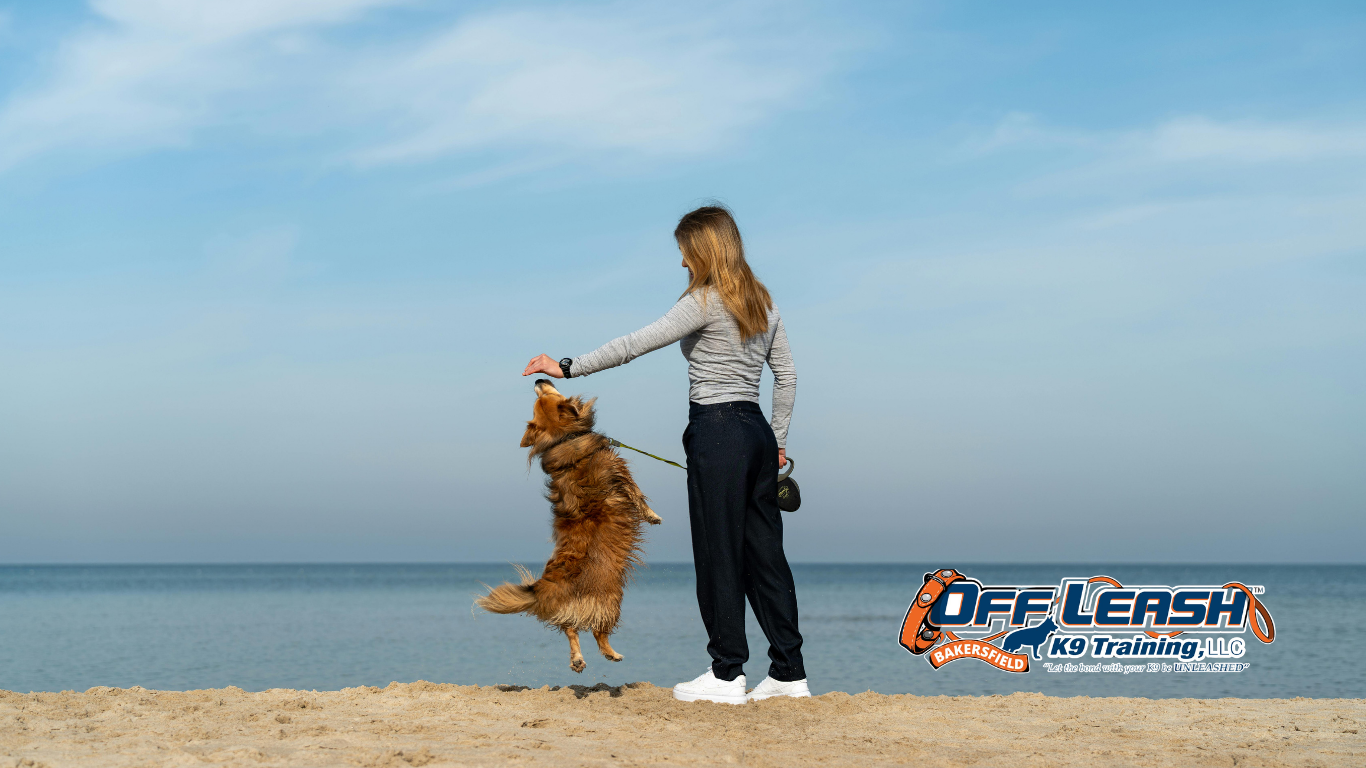
Engagement With Owners: Why Dogs Need Better Connection and Focus
Engagement With Owners is one of the most overlooked aspects of dog training, yet it is often the difference between a dog that listens reliably and one that seems to ignore commands whenever distractions appear.
Many dog owners assume that obedience alone determines whether a dog behaves well. They spend time teaching commands like sit, down, stay, and come, expecting those behaviors to hold up in every situation. However, they quickly become frustrated when their dog appears to “forget” everything they have learned the moment they step outside the house.
Owners often describe situations such as:
- Their dog ignoring commands during walks
- Pulling toward other dogs and people
- Becoming distracted by smells
- Failing to come when called
- Losing focus in public places
- Barking at environmental triggers
- Paying attention only when treats are visible
- Seeming disconnected during training sessions
These situations frequently have one thing in common:
A lack of engagement.
Engagement is the relationship bridge between a dog and their owner. It reflects the dog’s willingness to check in, seek guidance, and prioritize the handler over environmental distractions.
A dog can know every command in the book and still struggle if engagement is weak.
Dogs naturally pay attention to whatever they find most rewarding.
That may include:
- Other dogs
- Children
- Wildlife
- Smells
- Movement
- Food
- Environmental activity
If the environment consistently becomes more valuable than the owner, obedience becomes unreliable.
This is why engagement matters.
Engagement is not about forcing attention.
It is about building a relationship where the dog genuinely wants to remain connected.
Dogs with strong engagement often become:
- Easier to train
- More focused
- Better listeners
- More reliable in public
- Less reactive
- More responsive to recall
- Better walking companions
For Bakersfield dog owners, engagement is especially important because local environments often provide endless distractions. Public parks, apartment communities, shopping centers, outdoor events, and neighborhood walks challenge a dog’s ability to stay connected.
The encouraging news is that engagement is not something dogs either have or don’t have.
Engagement is a skill that can be developed.
Through consistency, structure, and relationship-building exercises, dogs learn that paying attention to their owners is both rewarding and worthwhile.
Key Takeaways
- Engagement With Owners improves obedience reliability
- Dogs naturally focus on what they find rewarding
- Strong engagement reduces selective listening
- Better engagement improves recall
- Focus can be strengthened through training
- Emotional regulation supports engagement
- Public distractions challenge connection
- Consistency strengthens relationships
- Real-world practice improves reliability
- Engagement creates better communication
What Is Engagement With Owners?
Engaged dogs often:
- Check in voluntarily
- Respond quickly
- Follow guidance
- Stay mentally connected
- Recover from distractions faster
Engagement creates a two-way relationship.
Why Dogs Need Better Engagement With Owners
Dogs naturally focus on whatever feels most rewarding.
Without engagement, many dogs prioritize:
- Smells
- Other dogs
- Wildlife
- Public activity
- Novel experiences
The owner becomes background noise.
Stronger engagement shifts the dog’s priorities.
Why Obedience Alone Isn’t Enough
Many dogs understand commands perfectly.
The problem isn’t knowledge.
The problem is application.
Dogs often know what to do but choose environmental rewards instead.
Engagement bridges this gap.
Why Dogs Lose Engagement
Several factors can weaken connection.
Common causes include:
- Inconsistent training
- Overwhelming environments
- Limited interaction
- Poor emotional regulation
- Competing distractions
- Lack of reinforcement
Engagement requires ongoing practice.
Why Focus and Engagement Are Different
Focus refers to concentration.
Engagement refers to relationship.
Dogs can focus temporarily without being deeply connected.
True engagement combines attention with willingness.
Why Engagement Improves Recall
Recall failures often happen because dogs value distractions more than returning.
Engaged dogs frequently:
- Respond faster
- Stay connected
- Return more reliably
Strong relationships improve recall dramatically.
Why Engagement Reduces Leash Pulling
Dogs that remain connected often:
- Check in during walks
- Notice handler direction
- Recover from distractions
Leash manners improve naturally.
Why Public Obedience Depends on Engagement
Public environments contain:
- Smells
- Noise
- Other dogs
- Movement
Engagement helps dogs prioritize the handler despite these challenges.
Why Puppies Need Engagement Early
Puppies develop habits quickly.
Teaching engagement early improves:
- Focus
- Recall
- Public behavior
- Emotional regulation
Early investment produces long-term benefits.
Why Adolescents Often Lose Engagement
Adolescent dogs commonly become:
- More independent
- More curious
- More distracted
Temporary setbacks are normal.
Consistency is critical.
Emotional Regulation and Engagement
Highly emotional dogs struggle to stay connected.
Excitement, fear, and frustration often reduce engagement.
Emotionally balanced dogs:
- Think more clearly
- Listen better
- Recover faster
Why Impulse Control Supports Engagement
Impulse control helps dogs:
- Resist distractions
- Delay reactions
- Stay focused
Dogs with stronger self-control often maintain better engagement.
Why Neutrality Matters
Neutral dogs notice distractions without becoming consumed by them.
They can:
- Observe calmly
- Stay connected
- Continue responding
Neutrality strengthens engagement.
Common Signs of Poor Engagement
Examples include:
- Ignoring commands outdoors
- Pulling on leash
- Hyper-focusing on distractions
- Lack of eye contact
- Slow responses
- Selective listening
These signs often indicate relationship gaps.
Why Real-World Practice Matters
Dogs improve where they practice.
Helpful environments include:
- Parks
- Sidewalks
- Apartment complexes
- Shopping centers
- Community events
Real-world repetition strengthens reliability.
Why Consistency Is Important
Dogs learn through repetition.
Consistent expectations help dogs understand:
- What earns rewards
- When engagement matters
- How to succeed
Mixed messages weaken connection.
Why Structure Builds Better Engagement
Structure creates predictability.
Dogs thrive with:
- Clear routines
- Consistent rules
- Reliable communication
Predictability supports trust.
Why Mental Stimulation Improves Engagement
Mental exercise strengthens relationships.
Examples include:
- Training games
- Puzzle activities
- Scent work
- Problem-solving exercises
Shared activities deepen connection.
Why Positive Interactions Matter
Relationships flourish through meaningful interaction.
Dogs often engage more with owners who provide:
- Guidance
- Fun experiences
- Clear communication
- Positive reinforcement
Connection becomes rewarding.
Engagement With Owners in Bakersfield
Bakersfield dogs frequently encounter distractions such as:
- Public parks
- Neighborhood walks
- Apartment communities
- Outdoor shopping areas
- Community gatherings
Structured Bakersfield dog training helps improve:
- Focus
- Recall
- Public obedience
- Emotional regulation
- Engagement With Owners
Long-Term Benefits of Better Engagement
Dogs with stronger engagement often become:
- Easier to train
- More reliable
- Less reactive
- Better listeners
- More adaptable
- More enjoyable companions
These benefits enhance everyday life.
Frequently Asked Questions
1. What is Engagement With Owners?
It is a dog’s willingness to stay connected and responsive despite distractions.
2. Why does my dog ignore me outside?
Outdoor environments often become more rewarding than the handler.
3. Can engagement be improved?
Yes. Engagement strengthens through consistency, structure, and training.
4. Why is engagement important for recall?
Dogs that value connection often return more reliably.
5. Does engagement improve leash manners?
Yes. Connected dogs frequently pull less and respond better.
6. Can puppies learn engagement?
Absolutely. Early relationship-building improves future behavior.
7. Why does adolescence affect engagement?
Adolescent dogs commonly become more independent and distracted.
8. Does emotional regulation matter?
Yes. Calm dogs maintain engagement more effectively.
9. Can professional training help?
Professional training often improves focus, engagement, and reliability.
10. How long does improving engagement take?
Progress varies, but consistency produces steady results.
Conclusion
Engagement With Owners is the foundation of effective dog training and lasting relationships. While obedience commands provide structure, engagement determines whether dogs choose to apply those skills when distractions compete for their attention.
Dogs naturally gravitate toward whatever they find most rewarding. Without a strong connection to their handler, environmental stimulation often wins. Smells, movement, other dogs, and public activity become more important than listening.
The encouraging news is that engagement can be strengthened through intentional effort. By focusing on relationship-building, consistency, emotional regulation, and real-world practice, owners can teach their dogs that staying connected leads to rewarding outcomes.
For Bakersfield dog owners, improving engagement creates better public behavior, stronger recall, improved leash manners, and greater reliability in everyday situations. Over time, dogs that prioritize their owners become more focused, confident, and enjoyable companions.
Ultimately, engagement is not about demanding constant attention. It is about building a relationship where dogs genuinely want to work with the people they trust most.
"*" indicates required fields