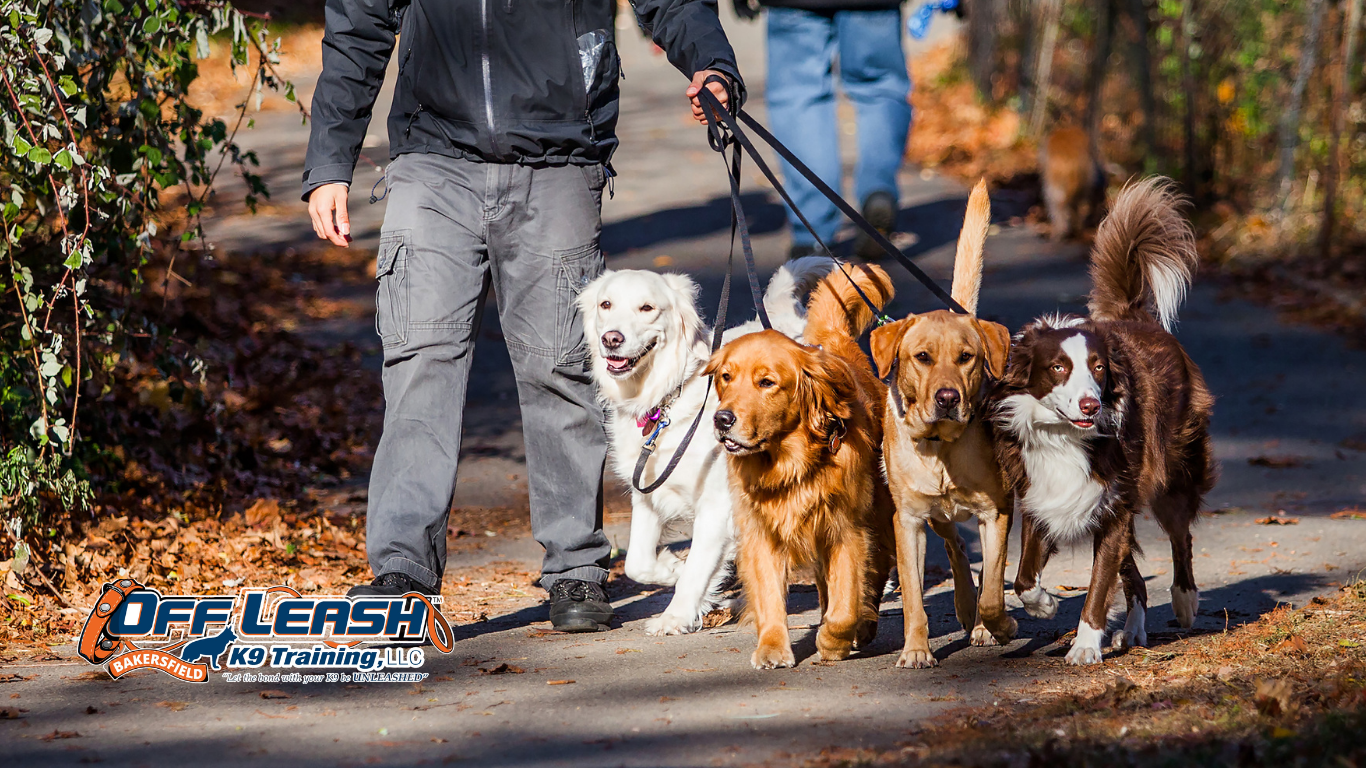
Why Dogs Become Defensive During Walks
Defensive During Walks is one of the most concerning behaviors dog owners encounter. A dog that is affectionate and relaxed at home may suddenly become tense, alert, or reactive the moment they step outside. Owners are often caught off guard when their dog begins barking at strangers, lunging toward other dogs, freezing during walks, or acting aggressively in situations that seem harmless.
Many people assume these behaviors mean their dog has become aggressive. In reality, dogs often become defensive because they are trying to cope with situations that feel uncomfortable, unpredictable, or overwhelming.
A defensive dog may be attempting to communicate:
- “I’m uncomfortable.”
- “I need more space.”
- “I don’t feel safe.”
- “This situation is too much for me.”
- “I don’t know how to handle this.”
Defensive behavior is frequently rooted in emotion rather than disobedience.
During walks, dogs encounter a wide variety of experiences that challenge their ability to remain calm and confident. Outdoor environments are filled with unfamiliar sights, sounds, smells, movement, and social interactions. While some dogs navigate these situations comfortably, others struggle to process so much stimulation at once.
Common triggers include:
- Other dogs
- Strangers
- Fast movement
- Loud noises
- Crowded sidewalks
- Children
- Delivery workers
- Bicycles
- Unfamiliar environments
When dogs lack coping skills or emotional stability, defensive behaviors can emerge.
Busy environments throughout Bakersfield can be especially challenging. Apartment complexes, neighborhood sidewalks, public parks, school zones, and community events expose dogs to constant distractions and unexpected encounters.
The encouraging news is that defensive behavior can improve. Through structured training, confidence-building exercises, emotional regulation work, and gradual exposure, dogs can learn safer and calmer ways to navigate the world.
The goal is not simply stopping barking or lunging.
The goal is helping dogs feel secure enough that defensive reactions become unnecessary.
Key Takeaways
- Defensive behavior is often rooted in fear or uncertainty
- Dogs commonly become defensive to create distance
- Outdoor environments increase emotional pressure
- Defensive behavior is not always aggression
- Emotional regulation improves responses
- Confidence-building helps reduce defensiveness
- Structured exposure teaches coping skills
- Distance often improves learning
- Consistency supports progress
- Real-world training improves reliability
What Does Defensive During Walks Mean?
The dog reacts in an effort to protect themselves or create safety.
Defensive behaviors may include:
- Barking
- Growling
- Lunging
- Freezing
- Avoidance
- Hiding behind the owner
- Pulling away
- Hypervigilance
These responses are communication.
Why Dogs Become Defensive During Walks
Walks expose dogs to situations they cannot fully control.
They may encounter:
- Unknown people
- Unfamiliar dogs
- Sudden noises
- Unexpected movement
- Tight spaces
- Crowded environments
Some dogs interpret these experiences as stressful.
Defensive behaviors emerge when coping abilities become overwhelmed.
Fear and Defensive Behavior
Fear is one of the most common causes of defensiveness.
Fearful dogs often attempt to increase distance from perceived threats.
Examples include:
- Barking at approaching strangers
- Lunging at dogs
- Refusing to continue walking
- Avoiding certain locations
The behavior is designed to improve safety from the dog’s perspective.
Why Uncertainty Creates Defensiveness
Dogs thrive on predictability.
Uncertainty increases stress because dogs cannot anticipate outcomes.
Uncertain dogs may become defensive when they cannot determine whether something is safe.
Why Leashes Can Increase Defensive Reactions
Leashes limit movement and choice.
A dog that feels uncomfortable cannot always move away naturally.
This restriction sometimes increases emotional pressure.
The dog may respond by:
- Barking
- Lunging
- Growling
The behavior often reflects frustration or discomfort rather than aggression.
Why Other Dogs Trigger Defensiveness
Other dogs are one of the most common walking triggers.
Defensive reactions may stem from:
- Fear
- Frustration
- Poor social experiences
- Uncertainty
- Overexcitement
Not every dog enjoys interacting with unfamiliar dogs.
Why Strangers Trigger Defensive Behavior
Dogs vary widely in their comfort around people.
Some dogs feel uneasy around:
- Men
- Children
- Groups of people
- Individuals moving unpredictably
Defensive reactions often occur when the dog feels pressured.
Why Fast Movement Causes Problems
Movement naturally attracts canine attention.
Examples include:
- Joggers
- Cyclists
- Skateboards
- Running children
Fast motion can trigger excitement, fear, or uncertainty.
Why Noise Contributes to Defensiveness
Outdoor noise adds emotional pressure.
Examples include:
- Traffic
- Construction
- Sirens
- Barking dogs
Noise-sensitive dogs often become more vigilant.
Emotional Arousal and Defensive Behavior
As emotional arousal increases, thinking decreases.
Highly aroused dogs often struggle to:
- Focus
- Follow commands
- Process information
- Recover quickly
Defensive behavior becomes more likely.
Why Puppies Can Become Defensive
Puppies may react defensively because they are still learning about the world.
Limited experience can create uncertainty.
Early positive exposure often improves confidence.
Why Adolescents Commonly Regress
Adolescent dogs frequently experience changes in behavior.
During this stage, dogs may become:
- More cautious
- More reactive
- More independent
Temporary setbacks are common.
Why Confidence Matters
Confident dogs often recover more quickly from surprises.
Confidence helps dogs:
- Explore safely
- Process novelty
- Stay calmer
- Make better decisions
Confidence-building exercises support emotional stability.
Why Distance Helps
Distance lowers emotional intensity.
More space allows dogs to:
- Observe calmly
- Process information
- Stay responsive
Distance is one of the most valuable training tools.
Why Neutrality Is Important
Neutrality means dogs can notice triggers without reacting strongly.
Neutral dogs:
- Observe
- Stay composed
- Continue walking
Neutrality often creates safer public behavior.
Why Structured Exposure Works
Gradual exposure teaches dogs that they can remain calm around triggers.
Successful experiences build:
- Confidence
- Predictability
- Emotional resilience
Progress happens one step at a time.
Common Mistakes Owners Make
Many owners unintentionally increase defensiveness by:
- Forcing interactions
- Moving too close too quickly
- Punishing warning signals
- Ignoring early stress signs
- Providing inconsistent guidance
Recognizing discomfort early improves outcomes.
Warning Signs Before Defensive Reactions
Dogs often communicate before reacting.
Signs include:
- Lip licking
- Yawning
- Avoidance
- Stiff posture
- Whale eye
- Panting
- Freezing
- Increased scanning
These signals should not be ignored.
Why Emotional Regulation Matters
Emotionally regulated dogs recover more efficiently.
They can:
- Think clearly
- Stay engaged
- Adapt to changes
Emotional regulation reduces the need for defensive responses.
Why Real-World Training Matters
Dogs improve where they practice.
Helpful training environments include:
- Neighborhood sidewalks
- Apartment complexes
- Public parks
- Outdoor shopping areas
- Community events
Real-world repetition builds reliability.
Defensive During Walks in Bakersfield
Bakersfield dogs frequently encounter:
- Public parks
- School zones
- Apartment communities
- Busy sidewalks
- Outdoor events
Structured Bakersfield dog training helps improve:
- Confidence
- Focus
- Emotional regulation
- Public behavior
- Coping skills
Long-Term Benefits of Training
Dogs that improve defensive behaviors often become:
- More confident
- Less reactive
- Easier to manage
- Better walking companions
- More adaptable
These improvements enhance quality of life.
Frequently Asked Questions
1. Why is my dog defensive during walks?
Defensive behavior often stems from fear, uncertainty, overstimulation, or frustration.
2. Is defensive behavior the same as aggression?
Not always. Many defensive responses are attempts to create safety rather than cause harm.
3. Can defensive behavior improve?
Yes. Structured training and confidence-building exercises often lead to significant improvement.
4. Why does my dog bark at strangers during walks?
Barking may be an effort to increase distance from something the dog finds uncomfortable.
5. Why does my dog lunge at other dogs?
Lunging may result from fear, frustration, excitement, or uncertainty.
6. Should I force my dog to face their fears?
No. Gradual exposure is generally more effective than overwhelming the dog.
7. Why does my dog freeze during walks?
Freezing often indicates discomfort, uncertainty, or emotional overload.
8. Can puppies become defensive?
Yes. Puppies sometimes react defensively due to limited experience and confidence.
9. Does professional training help?
Yes. Professional guidance can improve confidence, emotional regulation, and public behavior.
10. How long does improvement take?
Every dog is different, but consistency and patience often produce steady progress.
Conclusion
Defensive During Walks behavior can be alarming, but it is often rooted in fear, uncertainty, frustration, or emotional overwhelm rather than true aggression. Dogs use defensive behaviors because they are trying to navigate situations that feel difficult or unsafe from their perspective.
Understanding the emotional reasons behind barking, lunging, freezing, and avoidance allows owners to approach these behaviors with greater compassion and effectiveness. Rather than viewing the dog as stubborn or aggressive, it becomes possible to recognize their need for support, confidence, and clearer coping strategies.
Through structured exposure, emotional regulation work, confidence-building exercises, and consistent training, dogs can learn to move through the world with greater security and resilience.
For Bakersfield dog owners, helping dogs feel safe in public environments creates calmer walks, stronger obedience, and a more enjoyable relationship built on trust and understanding. Over time, dogs that once reacted defensively can develop the confidence and stability needed to navigate everyday life with greater ease and comfort.
"*" indicates required fields