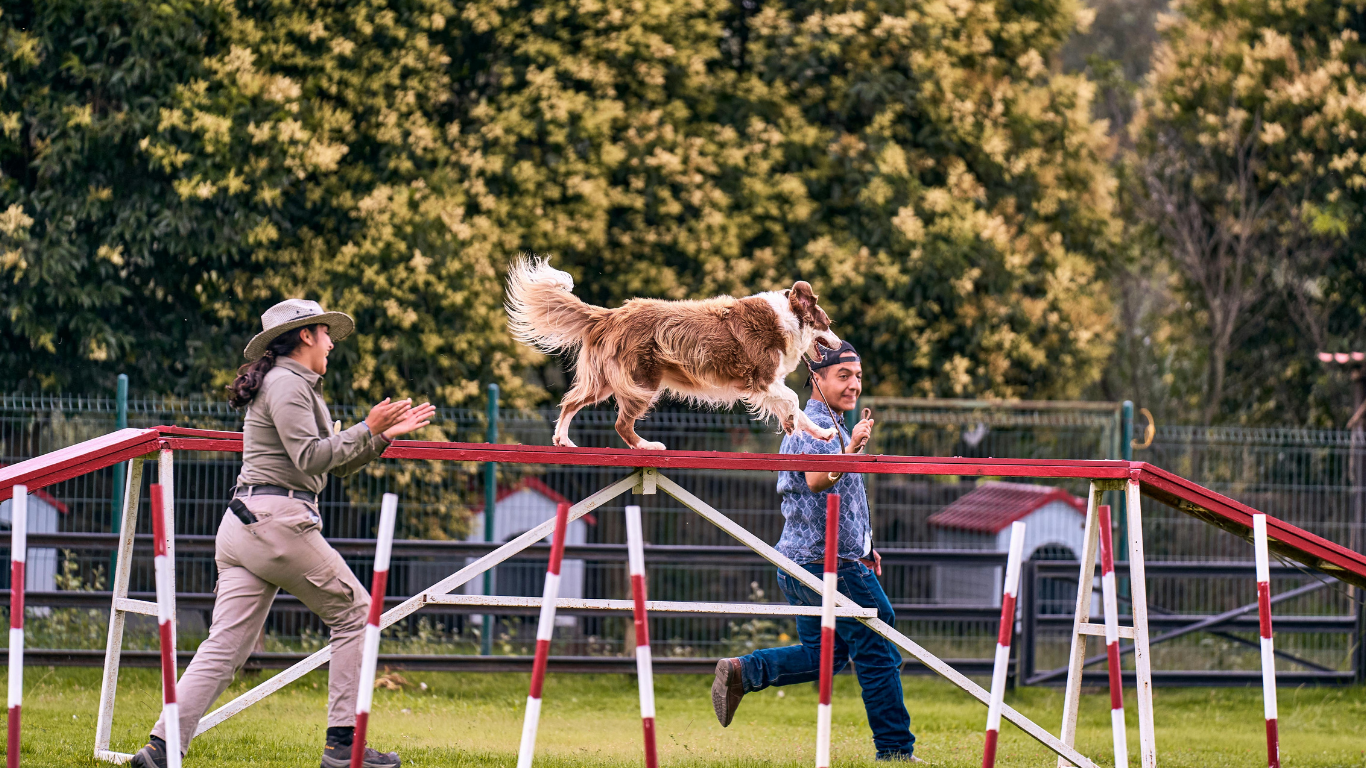
Daily Training: Why Dogs Benefit From Daily Training
Daily Training is one of the most effective yet overlooked ways to improve a dog’s behavior and strengthen the relationship between dogs and their owners. Many people assume dog training is something that happens only during formal lessons or after a problem develops. Once their dog learns basic commands, they often believe training is complete.
In reality, training is not a one-time event.
It is an ongoing process that helps dogs navigate the world successfully.
Dogs learn through repetition, consistency, and experience. The behaviors they practice regularly become stronger over time. This means that every interaction throughout the day teaches a dog something, whether owners realize it or not.

Many owners only focus on training when problems appear. They may seek help because their dog:
- Pulls on the leash
- Ignores recall
- Jumps on guests
- Barks excessively
- Reacts toward other dogs
- Struggles with public obedience
- Becomes distracted outdoors
- Develops bad habits
However, daily training often prevents these issues from developing in the first place.
Short, structured sessions help dogs practice important life skills before distractions and unwanted habits become deeply ingrained. Just five to fifteen minutes of focused work each day can significantly improve reliability, emotional regulation, and communication.
Daily training also provides valuable mental stimulation. Dogs are intelligent animals that thrive when they are challenged appropriately. Without opportunities to think, problem-solve, and engage with their owners, many dogs become bored and seek entertainment through undesirable behaviors.
This is especially important for puppies and adolescent dogs, whose developing brains benefit tremendously from regular guidance and structure.
For Bakersfield dog owners, daily training helps prepare dogs for real-life situations. Whether navigating neighborhood walks, visiting public parks, encountering strangers, or spending time around children, dogs that practice consistently are often better equipped to handle everyday challenges calmly and confidently.
The goal of daily training is not perfection.
The goal is progress.
Small efforts repeated consistently often create extraordinary results over time.
Key Takeaways
- Daily Training strengthens obedience and reliability.
- Short sessions are often more effective than occasional long sessions.
- Consistency helps dogs learn faster.
- Daily practice prevents unwanted habits from forming.
- Mental stimulation reduces boredom-related behaviors.
- Training strengthens the bond between dogs and owners.
- Emotional regulation improves through repetition.
- Daily routines build confidence and predictability.
- Public behavior improves with real-world practice.
- Progress comes from consistency rather than intensity.
What Is Daily Training?
These sessions may include:
- Obedience commands
- Recall practice
- Leash walking
- Place training
- Impulse control exercises
- Focus games
- Public exposure
- Problem-solving activities
Training does not need to last an hour to be effective.
Consistency matters more than duration.
Why Dogs Learn Through Repetition
Dogs develop habits through repeated experiences.
Each repetition strengthens neural pathways associated with behavior.
This means dogs become better at whatever they practice most often.
If dogs regularly practice:
- Calm greetings
- Loose leash walking
- Recall
- Focus
those behaviors become stronger.
If dogs repeatedly practice unwanted behaviors, those behaviors also become more established.
Why Daily Training Builds Reliability
Many dogs perform commands well at home but struggle elsewhere.
Reliability develops through repeated success across different situations.
Daily practice allows dogs to:
- Generalize behaviors
- Improve consistency
- Respond despite distractions
- Build confidence
Training becomes dependable rather than situational.
Why Short Sessions Work Best
Long sessions often lead to fatigue.
Dogs frequently learn better through:
- Five-minute sessions
- Multiple repetitions
- Positive endings
- Frequent practice
Short sessions maintain enthusiasm and focus.
Why Daily Training Prevents Bad Habits
Dogs naturally repeat behaviors that work for them.
Without guidance, they may develop habits such as:
- Jumping
- Barking
- Pulling
- Counter surfing
- Ignoring commands
Daily training redirects behavior before these patterns become deeply ingrained.
Why Mental Stimulation Matters
Physical exercise alone does not satisfy most dogs.
Mental enrichment challenges dogs to think.
Examples include:
- Puzzle toys
- Training games
- Scent activities
- Problem-solving exercises
Mental stimulation often reduces boredom and frustration.
Why Puppies Benefit From Daily Training
Puppies absorb information rapidly.
Early training teaches:
- Household manners
- Social skills
- Impulse control
- Emotional regulation
- Confidence
Daily guidance creates strong foundations.
Why Adolescent Dogs Need Consistency
Adolescent dogs frequently test boundaries.
During this stage, owners may notice:
- Reduced focus
- Increased independence
- Selective listening
- Heightened excitement
Daily training provides stability during developmental changes.
Emotional Regulation and Daily Training
Emotionally balanced dogs often perform more reliably.
Training helps dogs learn how to:
- Recover from excitement
- Manage frustration
- Stay calm
- Focus under pressure
Emotional regulation develops gradually.
Why Daily Training Strengthens Relationships
Training improves communication.
Dogs learn:
- What owners expect
- How to succeed
- How to seek guidance
Owners learn:
- How their dog communicates
- What motivates them
- How to support success
This mutual understanding strengthens trust.
Why Daily Training Improves Recall
Reliable recall requires practice.
Daily opportunities to reinforce coming when called improve:
- Responsiveness
- Focus
- Reliability
Recall becomes a habit rather than a hope.
Why Leash Manners Improve With Practice
Loose leash walking is a learned skill.
Daily practice teaches dogs to:
- Stay connected
- Follow direction
- Ignore distractions
- Maintain pace
Walking becomes more enjoyable.
Why Focus Improves Through Daily Training
Attention is trainable.
Dogs that practice engagement regularly often:
- Check in voluntarily
- Listen more consistently
- Recover from distractions faster
Focus supports obedience.
Why Structure Benefits Dogs
Dogs thrive with predictability.
Structured routines provide:
- Security
- Clear expectations
- Reduced confusion
Daily training contributes to stability.
Why Public Practice Matters
Dogs improve where they practice.
Training should eventually include:
- Sidewalks
- Parks
- Apartment complexes
- Outdoor shopping areas
- Community events
Real-world repetition strengthens reliability.
Common Mistakes Owners Make
Some owners unintentionally slow progress by:
- Training inconsistently
- Expecting instant results
- Only practicing indoors
- Ending sessions on frustration
- Ignoring small successes
Progress often comes from simple daily effort.
Why Daily Training Supports Confidence
Confidence grows through successful experiences.
Dogs become more adaptable when they learn they can:
- Solve problems
- Navigate new environments
- Understand expectations
Confidence improves resilience.
Why Daily Training Reduces Stress
Predictable routines often reduce anxiety.
Dogs benefit from:
- Familiar exercises
- Clear communication
- Consistent leadership
Training creates stability.
Daily Training in Bakersfield
Bakersfield dogs encounter numerous distractions, including:
- Public parks
- Neighborhood sidewalks
- Apartment communities
- School zones
- Outdoor events
Daily practice helps prepare dogs for these environments.
Structured Bakersfield dog training often improves:
- Public obedience
- Focus
- Recall
- Emotional regulation
- Confidence
Long-Term Benefits of Daily Training
Dogs that train consistently often become:
- Easier to manage
- More reliable
- Better listeners
- Less reactive
- More adaptable
- More confident
These improvements positively impact everyday life.
Frequently Asked Questions
1. How long should Daily Training sessions be?
Most dogs benefit from five to fifteen minutes of focused practice.
2. Is Daily Training necessary after basic obedience?
Yes. Ongoing practice strengthens reliability and prevents regression.
3. Can Daily Training prevent behavior problems?
It often reduces the likelihood of unwanted habits becoming established.
4. Do puppies need Daily Training?
Absolutely. Early consistency creates strong foundations.
5. What if I miss a day?
Missing an occasional day is normal. Consistency over time matters most.
6. Can Daily Training improve recall?
Yes. Frequent repetition strengthens responsiveness.
7. Does Daily Training improve leash manners?
Regular practice often leads to calmer, more connected walks.
8. Is mental stimulation part of Daily Training?
Yes. Mental exercise is an important component of behavioral health.
9. Can older dogs benefit from Daily Training?
Absolutely. Dogs of all ages continue learning.
10. Should I work with a professional trainer?
Professional guidance can help create effective routines and address specific goals.
Conclusion
Daily Training is one of the most valuable investments dog owners can make in their dog’s well-being and long-term success. Rather than viewing training as something that ends after basic obedience classes, owners who embrace regular practice often see significant improvements in behavior, focus, and reliability.
Short, consistent sessions provide opportunities to reinforce good habits, strengthen communication, and address small challenges before they become larger problems. Dogs that engage in daily training frequently develop better impulse control, stronger emotional regulation, improved confidence, and a deeper connection with their owners.
For Bakersfield dog owners, daily training helps dogs navigate the real world with greater ease. Whether walking through busy neighborhoods, visiting public spaces, or spending time with family and friends, dogs that practice regularly are often better prepared to succeed.
Ultimately, daily training is not about demanding perfection. It is about creating positive routines that support growth, understanding, and trust. Over time, the small moments invested each day can lead to lasting behavioral change and a stronger partnership between dogs and the people who love them.
"*" indicates required fields