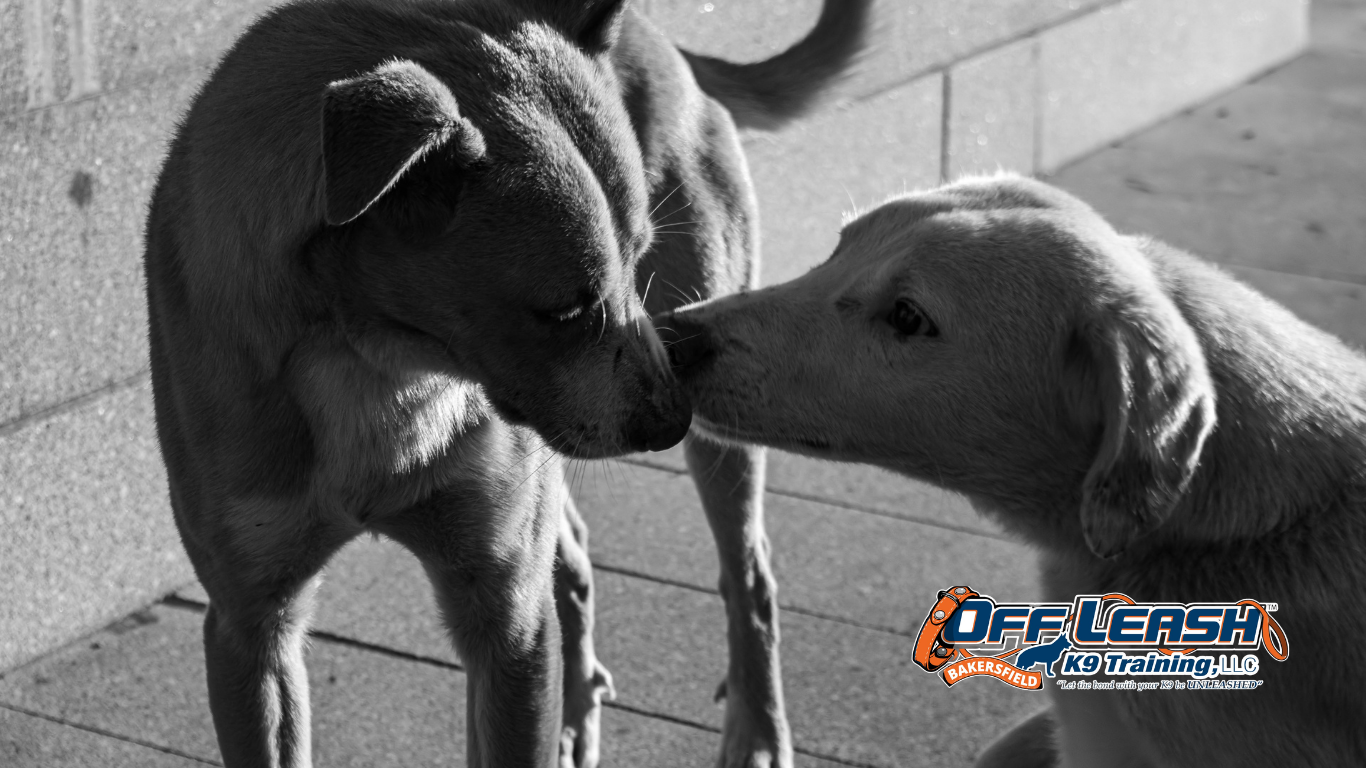
Understanding Excitement When Dogs Meet New Dogs
Meeting New Dogs is one of the most exciting experiences many dogs encounter in everyday life. Whether walking through the neighborhood, visiting a public park, attending a training class, or encountering another dog during an outing, social interactions often trigger powerful emotional responses.
For some dogs, seeing another dog immediately causes their excitement levels to skyrocket.
Owners frequently describe behaviors such as:
- Pulling hard on the leash
- Barking excessively
- Whining
- Jumping
- Spinning in circles
- Ignoring commands
- Lunging toward other dogs
- Becoming unable to settle
Many people assume these behaviors mean their dog is aggressive.
In reality, the opposite is often true.
A large percentage of dogs that become overly excited meeting new dogs are simply overwhelmed by positive emotions. They want to greet, investigate, play, or interact, but they lack the emotional regulation and impulse control necessary to manage those feelings appropriately.
Dogs are social animals by nature. Encounters with other dogs provide opportunities for communication, investigation, and potential interaction. However, social interest without self-control often creates chaos.
A dog may understand obedience cues perfectly at home but appear to forget everything when another dog enters the picture. This is because emotional arousal frequently overrides thinking.
Excitement becomes stronger than focus.
The challenge is not always obedience.
The challenge is emotional regulation.
Without guidance, dogs may develop habits that make social situations increasingly difficult. Pulling, barking, and lunging can become rehearsed behaviors that strengthen with repetition.
The good news is that dogs can learn how to approach social situations more calmly. Through structured training, controlled exposure, and impulse control development, dogs can improve their ability to remain focused and emotionally balanced around other dogs.
For Bakersfield dog owners, these skills are especially important. Parks, neighborhood walks, apartment complexes, outdoor events, and training classes all provide opportunities for dogs to encounter unfamiliar dogs regularly.
Key Takeaways
- Meeting new dogs is highly stimulating for many dogs
- Overexcitement is often mistaken for aggression
- Emotional arousal reduces focus and self-control
- Impulse control improves social behavior
- Calm greetings are learned skills
- Neutrality is often more valuable than constant interaction
- Structured exposure builds confidence
- Repeated excitement can reinforce unwanted behaviors
- Consistency improves social reliability
- Dogs can learn to stay calm around other dogs
Why Meeting New Dogs Is So Exciting
Dogs gather enormous amounts of information from other dogs.
Interactions provide opportunities for:
- Social investigation
- Play
- Communication
- Exploration
- Novel experiences
The anticipation of these possibilities naturally increases excitement.
Emotional Arousal and Social Excitement
Emotional arousal refers to the intensity of a dog’s emotional state.
When dogs see another dog, they may experience:
- Excitement
- Curiosity
- Frustration
- Anticipation
- Nervousness
As arousal increases, focus often decreases.
Dogs begin reacting emotionally rather than thinking clearly.
Why Dogs Pull Toward Other Dogs
Pulling is one of the most common behaviors associated with meeting new dogs.
Dogs often pull because they want to:
- Say hello
- Play
- Investigate
- Gather information
Each successful greeting can unintentionally reinforce pulling behavior.
The dog learns:
“Pulling gets me closer.”
Why Barking Happens During Greetings
Barking can result from:
- Excitement
- Frustration
- Anticipation
- Overstimulation
Many excited dogs bark simply because they struggle to contain their emotions.
Why Friendly Dogs Can Appear Reactive
Many friendly dogs display behaviors that resemble reactivity.
Examples include:
- Lunging
- Barking
- Whining
- Pulling
The difference often lies in motivation.
The dog is trying to move toward the trigger rather than away from it.
Why Frustration Plays a Role
Leashes create limitations.
Dogs may want immediate access to another dog but cannot reach them.
This often produces frustration.
Frustrated dogs commonly:
- Bark
- Pull harder
- Spin
- Vocalize
Why Puppies Become Overexcited
Puppies naturally struggle with:
- Self-control
- Patience
- Emotional regulation
Everything feels exciting.
Meeting another dog often overwhelms their developing coping skills.
Why Adolescent Dogs Struggle More
Adolescent dogs frequently experience:
- Increased excitement
- Reduced focus
- Stronger social interest
Many owners notice worsening behavior during this developmental phase.
Why Socialization Is Often Misunderstood
Socialization does not mean unrestricted interaction.
Healthy socialization teaches dogs:
- How to remain calm
- How to observe
- How to disengage
- How to make appropriate choices
Social skills involve more than play.
Why Neutrality Matters
Neutrality means a dog can notice another dog without reacting emotionally.
Neutral dogs can:
- Observe calmly
- Stay focused
- Continue walking
- Ignore unnecessary interactions
Neutrality creates reliability.
Why Constant Greetings Can Backfire
Allowing every greeting teaches dogs to expect interaction.
As expectations grow, excitement often increases.
Dogs begin anticipating every encounter.
This frequently leads to:
- Pulling
- Barking
- Frustration
Why Impulse Control Improves Social Behavior
Impulse control helps dogs:
- Pause before reacting
- Resist urges
- Stay calmer
- Make better choices
Social interactions improve significantly when impulse control improves.
Why Focus Matters
Focus allows dogs to remain connected to their handler.
Dogs with stronger focus often:
- Recover faster
- Ignore distractions
- Respond more reliably
Focus competes directly with environmental excitement.
Why Distance Helps
Distance reduces emotional intensity.
Giving dogs space allows them to:
- Stay calmer
- Process information
- Remain responsive
Gradual exposure supports learning.
Why Structured Exposure Works
Controlled exposure helps dogs practice appropriate responses.
Structured interactions improve:
- Emotional regulation
- Confidence
- Focus
- Social reliability
Repeated success builds new habits.
Common Mistakes Owners Make
Many owners unintentionally reinforce overexcitement by:
- Allowing every greeting
- Encouraging pulling
- Waiting too long to intervene
- Rewarding excitement
- Moving too close too quickly
Consistency improves outcomes.
Why Real-World Practice Matters
Dogs need opportunities to practice around real distractions.
Helpful environments include:
- Parks
- Sidewalks
- Training classes
- Apartment complexes
- Outdoor events
Real-world exposure strengthens reliability.
Meeting New Dogs in Bakersfield
Bakersfield dog owners frequently encounter unfamiliar dogs in:
- Neighborhood walks
- Public parks
- Apartment communities
- Community events
- Outdoor shopping areas
Structured Bakersfield dog training helps improve:
- Focus around dogs
- Impulse control
- Calm greetings
- Public obedience
- Emotional regulation
Long-Term Benefits of Calm Social Behavior
Dogs that learn to remain calm meeting new dogs often become:
- Easier to manage
- Less reactive
- More focused
- Better walking companions
- More reliable in public
These skills improve daily life significantly.
Frequently Asked Questions
1. Why does my dog become too excited meeting new dogs?
Many dogs become overwhelmed by anticipation, excitement, and curiosity during social encounters.
2. Is excitement the same as aggression?
No. Excitement and aggression may look similar, but the motivations behind them are often very different.
3. Why does my dog pull toward other dogs?
Dogs frequently pull because they want interaction and have learned that pulling sometimes leads to greetings.
4. Can dogs learn to stay calm around other dogs?
Yes. Through impulse control training, structured exposure, and consistency, dogs can improve significantly.
5. What is neutrality?
Neutrality means dogs can notice other dogs without becoming emotionally overwhelmed or reactive.
6. Why shouldn’t my dog greet every dog?
Constant greetings increase expectations and often strengthen excitement and frustration.
7. Why does my puppy lose control around other dogs?
Puppies naturally have limited impulse control and emotional regulation.
8. Does adolescence make excitement worse?
Yes. Many adolescent dogs experience increased excitement and reduced focus.
9. Can professional training help?
Yes. Professional training improves focus, emotional regulation, and social reliability.
10. How long does it take to improve?
Progress varies depending on the dog, but consistency produces steady improvement over time.
Conclusion
Meeting New Dogs is an exciting experience for many dogs, but excitement without self-control often creates challenging behaviors. Pulling, barking, whining, lunging, and ignoring commands are frequently signs of emotional overwhelm rather than aggression.
Most dogs that become overly excited during greetings simply lack the impulse control and emotional regulation necessary to manage their enthusiasm appropriately. The encouraging news is that these skills can be taught.
Through structured exposure, consistent expectations, focus work, and impulse control training, dogs learn how to navigate social situations with greater confidence and composure. Instead of reacting impulsively, they begin making thoughtful choices even when other dogs are nearby.
For Bakersfield dog owners, helping dogs remain calm around unfamiliar dogs improves public behavior, strengthens obedience, and makes everyday outings more enjoyable. Over time, dogs that develop better emotional regulation become easier to handle, more reliable in public, and more capable of enjoying the world without becoming overwhelmed by excitement.
Teaching calm social behavior isn’t about eliminating a dog’s friendly nature. It’s about helping dogs develop the self-control they need to succeed in a world full of distractions and opportunities for excitement.
"*" indicates required fields