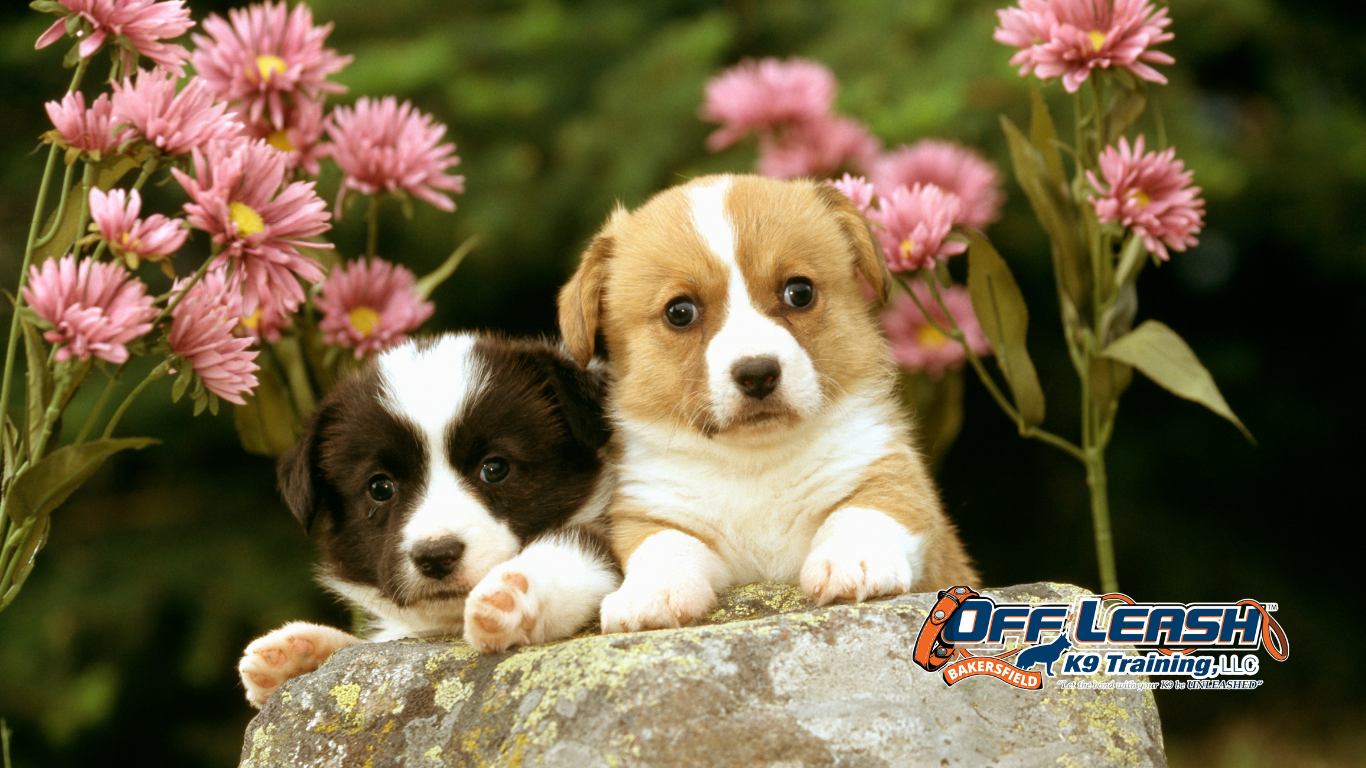
Puppies Need Better Impulse Control
Puppies are full of energy, curiosity, enthusiasm, and excitement. Their playful personalities are one of the many reasons people fall in love with them. However, the same qualities that make puppies entertaining can also create some of the biggest challenges for new dog owners.
Many puppy owners quickly discover that their adorable companion also tends to:
- Jump on guests
- Bite hands and clothing
- Chase moving objects
- Ignore commands
- Bark for attention
- Pull on the leash
- Steal household items
- Become overly excited
- Struggle to settle down
The reality is much simpler.
Most puppies behave this way because they have limited Impulse Control.
Impulse control refers to a dog’s ability to pause before acting on an urge. It allows dogs to resist immediate gratification, think before reacting, and make better choices despite excitement or distractions.
For puppies, this skill is still developing.
Young dogs are naturally impulsive because they are learning how to navigate the world. Their emotions often move faster than their ability to process information. Excitement frequently overrides thinking, causing puppies to react first and consider consequences later.
This is completely normal.
However, normal does not mean it should be ignored.
Without guidance, puppies continue practicing impulsive behaviors that may become problematic as they grow larger and stronger. A puppy that jumps on visitors may become an adult dog that knocks people over. A puppy that pulls on the leash can develop poor walking habits that become increasingly difficult to change.
The good news is that impulse control is a skill that can be taught.
Early training helps puppies develop patience, emotional regulation, focus, and better decision-making. Through consistency and structure, puppies learn that calm behavior often leads to better outcomes than acting on every impulse.
For Bakersfield puppy owners, developing impulse control early creates a foundation for lifelong success. Public parks, neighborhood walks, family gatherings, and everyday outings become far more enjoyable when puppies learn how to manage excitement appropriately.
Teaching impulse control is not about suppressing a puppy’s personality.
It is about helping puppies learn how to thrive in the human world.
Key Takeaways
- Puppies naturally struggle with impulse control
- Self-control develops through practice and guidance
- Excitement often overrides thinking
- Early training prevents future behavior problems
- Impulse control improves obedience
- Calmness is a learned skill
- Structure helps puppies make better decisions
- Consistency speeds up learning
- Emotional regulation supports focus
- Puppies with better impulse control often become calmer adult dogs
What Is Impulse Control?
Impulse control is the ability to pause before reacting.
It allows puppies to:
- Wait patiently
- Resist temptations
- Think before acting
- Stay focused
- Make better choices
Rather than responding immediately to every urge, puppies learn how to regulate their behavior.
Why Puppies Struggle With Impulse Control
Puppies are still developing emotionally and mentally.
Their brains prioritize:
- Exploration
- Curiosity
- Play
- Social interaction
Long-term thinking and emotional regulation are still immature.
As a result, puppies often act first and think later.
Why Excitement Overrides Thinking
Excitement is one of the strongest influences on puppy behavior.
Excited puppies often:
- Jump
- Bite
- Bark
- Pull
- Ignore commands
- Chase movement
Their emotional system activates faster than their decision-making abilities.
Why Impulse Control Matters
Impulse control affects nearly every aspect of a puppy’s life.
It influences:
- Obedience
- Leash manners
- Greetings
- Recall
- Play behavior
- Public behavior
Without self-control, many training goals become difficult to achieve.
Common Signs of Poor Impulse Control
Examples include:
- Jumping on people
- Excessive mouthing
- Stealing objects
- Barking for attention
- Pulling on leash
- Chasing movement
- Difficulty settling
These behaviors are common during puppyhood.
Why Puppies Bite
Puppy biting often results from:
- Excitement
- Teething
- Frustration
- Overstimulation
Impulse control helps puppies learn appropriate ways to interact.
Why Puppies Jump on People
Jumping often happens because puppies seek:
- Attention
- Interaction
- Excitement
Without guidance, jumping becomes self-rewarding.
Why Puppies Pull on Leash
Walking politely requires patience and focus.
Puppies naturally want to:
- Explore
- Sniff
- Investigate
Impulse control helps puppies slow down and stay connected.
Why Puppies Ignore Commands
Many puppies understand commands but struggle to perform them consistently.
Distractions often become more rewarding than listening.
Impulse control strengthens reliability.
Emotional Regulation and Puppies
Emotional regulation refers to managing emotional intensity.
Puppies with stronger emotional regulation often:
- Recover faster
- Stay calmer
- Focus longer
Emotional regulation and impulse control work together.
Why Structure Matters
Puppies thrive with predictability.
Structure provides:
- Clear expectations
- Consistent routines
- Better learning opportunities
Structure reduces confusion.
Why Consistency Is Important
Dogs learn through repetition.
Consistent rules help puppies understand:
- What is expected
- Which behaviors earn rewards
- How to succeed
Mixed messages slow learning.
Why Calmness Is a Skill
Calm behavior does not happen automatically.
Puppies must practice:
- Waiting
- Settling
- Relaxing
- Delaying gratification
Calmness improves over time.
Why Socialization Alone Isn’t Enough
Socialization introduces puppies to experiences.
Impulse control teaches them how to behave during those experiences.
Both are important.
Why Public Exposure Helps
Controlled exposure teaches puppies how to remain calm around:
- People
- Dogs
- Noise
- Movement
Real-world practice builds confidence.
Why Mental Stimulation Supports Impulse Control
Mental enrichment exercises improve thinking skills.
Examples include:
- Puzzle toys
- Training sessions
- Scent games
- Problem-solving activities
Mental exercise often reduces impulsive behavior.
Why Puppies Need Rest
Overtired puppies frequently lose self-control.
Signs include:
- Zoomies
- Excessive biting
- Barking
- Hyperactivity
Adequate rest supports emotional balance.
Impulse Control in Bakersfield
Bakersfield puppies encounter many distractions.
Examples include:
- Public parks
- Sidewalks
- Apartment complexes
- Outdoor events
Early training prepares puppies for these environments.
Long-Term Benefits of Better Impulse Control
Puppies that develop self-control often become:
- Calmer adults
- Better listeners
- Easier to manage
- More reliable in public
- More adaptable
Early investment creates lifelong benefits.
Frequently Asked Questions
1. What is impulse control in puppies?
Impulse control is a puppy’s ability to pause before reacting and make thoughtful choices.
2. Is poor impulse control normal?
Yes. Puppies naturally struggle with self-control because they are still developing.
3. Can impulse control be taught?
Absolutely. Through training, structure, and consistency, puppies improve significantly.
4. Why does my puppy ignore commands?
Excitement and distractions often become more rewarding than listening.
5. Does impulse control improve with age?
Age helps, but practice and guidance accelerate improvement.
6. Why does my puppy jump so much?
Jumping is often driven by excitement and attention-seeking.
7. Why does my puppy bite during play?
Biting frequently increases during excitement and overstimulation.
8. Can professional training help?
Yes. Structured training supports emotional regulation and self-control.
9. How long does it take to improve impulse control?
Progress varies, but consistency produces steady improvement.
10. Why is impulse control important?
It affects obedience, public behavior, focus, and overall quality of life.
Conclusion
Puppies are naturally curious, energetic, and impulsive. While these traits are a normal part of development, they can also lead to behaviors that challenge even the most patient owners. Jumping, biting, pulling, barking, and ignoring commands often stem from limited Impulse Control, not stubbornness or defiance.
The encouraging news is that self-control is a skill puppies can learn. Through structure, consistency, emotional regulation, and positive guidance, puppies develop the ability to pause, think, and make better choices despite excitement and distractions.
For Bakersfield puppy owners, early impulse control training lays the foundation for a lifetime of better behavior. Whether navigating busy parks, family gatherings, neighborhood walks, or everyday life at home, puppies with stronger self-control become calmer, more focused, and more adaptable companions.
Teaching impulse control is not about taking away a puppy’s playful spirit. It is about helping that energy develop into confidence, patience, and reliability. The time invested during puppyhood pays dividends for years to come, creating a stronger bond and a happier relationship between dogs and their families.
"*" indicates required fields