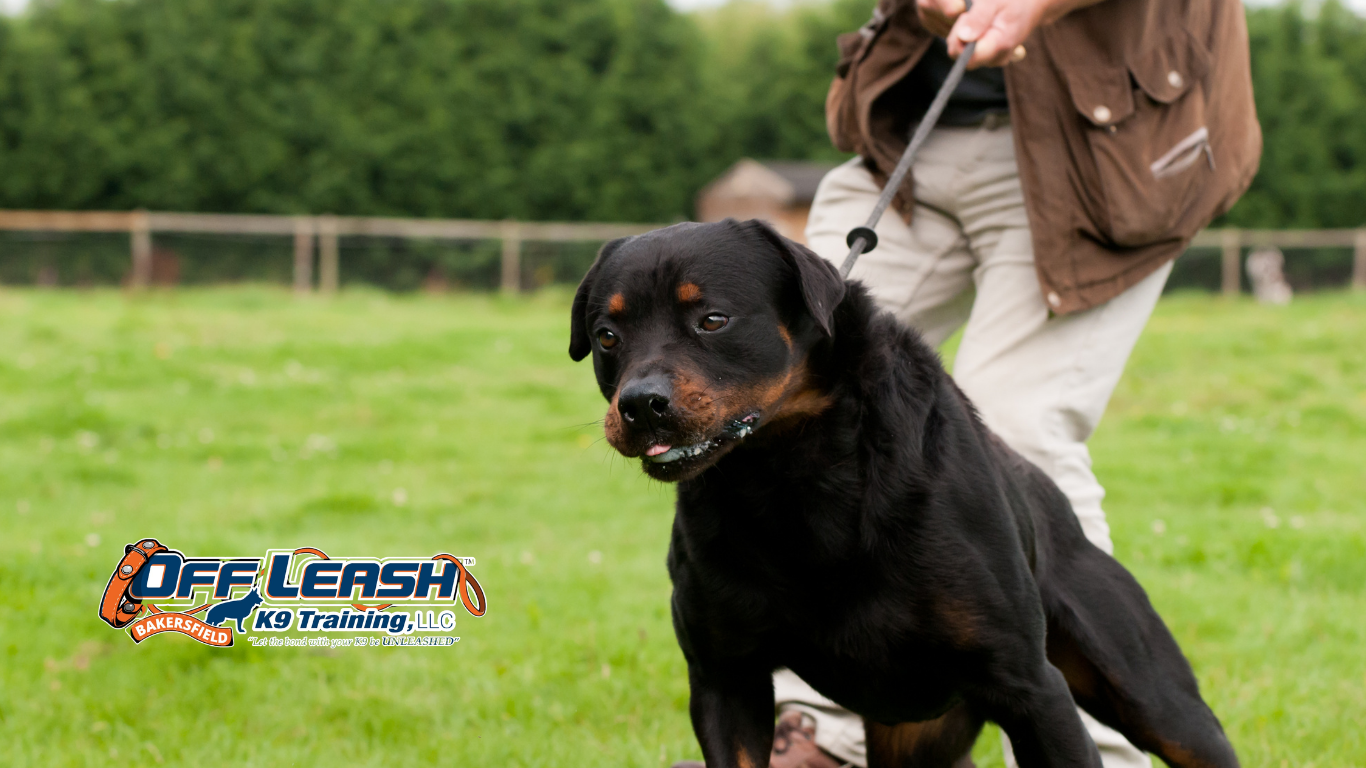
Pull Harder: Why Dogs Pull Harder Around Other Dogs
Pull Harder behavior around other dogs is one of the most common leash training frustrations dog owners experience during walks. Many dogs walk calmly through quiet environments but instantly begin pulling, lunging, whining, barking, or ignoring commands the moment another dog appears nearby. Owners often feel embarrassed, exhausted, or frustrated because leash manners seem to disappear completely during these encounters.
For many dogs, seeing another dog immediately changes their emotional state. Excitement rises, focus disappears, and impulse control weakens within seconds. Some dogs pull because they are overly social and desperately want interaction. Others pull because frustration builds when the leash prevents them from approaching freely. Some dogs become anxious, defensive, or reactive, causing leash tension and emotional arousal to escalate even further.
Regardless of the exact reason, the behavior is usually emotional before it is obedience-related.
Many owners mistakenly believe dogs pull harder around other dogs because they are stubborn or intentionally ignoring commands. In reality, leash pulling during dog encounters is often driven by emotional arousal, overstimulation, anticipation, frustration, or poor emotional regulation. Once arousal rises too high, many dogs struggle to think clearly, process commands, or maintain calm walking behavior.
Leash pulling is also heavily reinforced through repetition. Every time a dog pulls and successfully moves closer to another dog, the behavior becomes rewarded automatically. Over time, dogs learn that leash tension helps them access exciting social interactions or environmental stimulation. Eventually, the behavior becomes automatic and emotionally conditioned.
Busy outdoor environments throughout Bakersfield can make these problems significantly worse. Public parks, apartment complexes, neighborhood sidewalks, shopping centers, outdoor restaurants, and community events constantly expose dogs to other dogs and distractions. Without structure and emotional regulation training, many dogs repeatedly practice pulling behavior every single day.
One of the biggest misunderstandings in leash training is assuming the problem is only physical. In reality, leash pulling around other dogs is usually connected to emotional regulation and impulse control more than physical leash mechanics alone. Dogs that become emotionally overwhelmed often lose the ability to focus, disengage from distractions, and respond calmly.
Structured leash training focuses on helping dogs remain emotionally balanced around stimulation rather than simply correcting pulling physically. Dogs learn how to regulate excitement, remain neutral around other dogs, and maintain focus on their handler despite distractions.
Teaching dogs emotional stability around other dogs creates calmer walks, safer public behavior, improved obedience, and a much more enjoyable experience for both the owner and the dog.
Key Takeaways
- Dogs often pull harder because emotional arousal increases around other dogs
- Excitement and frustration commonly drive leash pulling behavior
- Pulling becomes reinforced through repetition and movement
- Emotional regulation improves leash manners significantly
- Neutrality training helps dogs stay calmer around distractions
- Structured walks improve focus and impulse control
- Real-world training builds reliability around other dogs
- Calm behavior should be reinforced consistently
- Leash frustration often contributes heavily to pulling intensity
- Reliable leash manners require emotional balance, not just obedience
Why Dogs Pull Harder Around Other Dogs
Dogs pull harder around other dogs for many emotional and behavioral reasons.
Common causes include:
- Excitement
- Social anticipation
- Frustration
- Overstimulation
- Reactivity
- Anxiety
- Fear
- Hyper-fixation
- Poor impulse control
- Environmental pressure
Most leash pulling behavior is emotionally driven rather than intentional disobedience.
Dogs naturally become emotionally activated around movement, social interaction, and environmental stimulation. For many dogs, seeing another dog instantly increases emotional intensity.
Excitement and Social Anticipation
Excited dogs often begin:
- Pulling forward
- Whining
- Barking
- Lunging
- Jumping
- Spinning
- Ignoring commands
Social anticipation can become extremely powerful emotionally.
Many dogs begin associating walks with opportunities to interact with other dogs. Over time, anticipation itself becomes enough to trigger pulling behavior before interaction even occurs.
Why Excitement Can Reduce Obedience
Excitement itself is not automatically bad.
However, excessive excitement reduces:
- Focus
- Impulse control
- Emotional regulation
- Listening ability
- Calm decision-making
Dogs that become overly excited often struggle to think clearly during leash encounters.
This is why many dogs seem to “forget” training around other dogs despite understanding commands perfectly at home.
The Role of Leash Frustration
Leash frustration is one of the biggest causes of pulling behavior around other dogs.
Dogs naturally want freedom of movement. When the leash prevents access to another dog, frustration often builds rapidly.
This frustration commonly appears as:
- Pulling harder
- Barking
- Lunging
- Spinning
- Vocalizing
- Escalating emotional intensity
The dog becomes emotionally conflicted between:
- Wanting access
- Feeling restricted
Over time, leash frustration can evolve into full leash reactivity.
Why Pulling Becomes Reinforced
Dogs learn through repetition and consequences.
Every successful pulling experience reinforces the behavior.
The cycle usually looks like this:
- Dog sees another dog
- Dog pulls forward
- Owner continues walking
- Dog moves closer
- Pulling gets rewarded
Even small moments of progress toward another dog reinforce leash tension.
Repeated daily practice turns pulling into a deeply conditioned habit.
Emotional Arousal and Pulling
Emotional arousal refers to the internal intensity level of excitement, stress, anticipation, or frustration inside the dog.
When arousal rises too high, dogs often struggle to:
- Focus on commands
- Stay calm
- Control impulses
- Process information
- Recover emotionally
This emotional overload causes many leash manners to collapse instantly.
Why Dogs Ignore Commands Around Other Dogs
Other dogs often become more emotionally rewarding than the handler temporarily.
Environmental stimulation competes heavily for attention.
Dogs commonly prioritize:
- Social interaction
- Movement
- Exploration
- Excitement
over obedience during moments of high arousal.
This is why dogs may suddenly ignore:
- Heel
- Sit
- Leave it
- Recall
- Focus commands
The issue is often emotional overload rather than lack of training knowledge.
Reactivity vs Social Excitement
Not all pulling behavior is aggression.
Many dogs pull because they are socially excited.
However, some dogs pull because they are:
- Defensive
- Fearful
- Reactive
- Frustrated
- Emotionally overwhelmed
Understanding the emotional motivation behind pulling is extremely important for training progress.
Signs of Social Excitement Pulling
Dogs pulling from excitement often display:
- Loose body movement
- Whining
- Happy vocalization
- Rapid movement
- Excessive enthusiasm
These dogs usually want interaction.
Signs of Reactive Pulling
Reactive dogs often display:
- Stiff posture
- Hard staring
- Growling
- Barking aggressively
- Lunging intensely
- Difficulty disengaging
These dogs are often emotionally overwhelmed rather than socially excited.
Why Overstimulation Makes Pulling Worse
Overstimulation commonly causes leash behavior to deteriorate quickly.
Overstimulated dogs often:
- Pull harder
- Ignore commands
- Hyper-fixate
- Struggle to settle
- Escalate emotionally
Busy environments increase stimulation dramatically.
Dogs lacking emotional regulation often become overwhelmed quickly.
The Importance of Emotional Regulation
Emotional regulation is one of the most overlooked parts of leash training.
Dogs that regulate emotions effectively often:
- Walk more calmly
- Recover faster from excitement
- Stay responsive outdoors
- Ignore distractions more easily
- Maintain focus longer
Calm emotional states improve obedience reliability significantly.
Why Neutrality Matters
Neutrality means dogs can observe other dogs calmly without emotional overreaction.
Neutral dogs:
- Notice other dogs
- Stay emotionally balanced
- Avoid hyper-fixation
- Maintain focus on the handler
- Recover quickly after exposure
Neutrality is far more valuable than forced social interaction during walks.
Why Constant Greetings Can Increase Pulling
Many owners allow dogs to greet every dog during walks.
This often teaches dogs:
- Other dogs are the main reward
- Pulling leads to greetings
- Excitement creates access
Over time, anticipation grows stronger and leash manners become worse.
Not every walk should revolve around social interaction.
The Difference Between Socialization and Neutrality
Many owners misunderstand socialization completely.
Healthy socialization does not mean:
- Greeting every dog
- Playing constantly
- Unlimited interaction
Healthy socialization means dogs can:
- Observe calmly
- Remain emotionally stable
- Navigate environments confidently
- Stay responsive around distractions
Neutrality creates much healthier public behavior.
Why Dogs Pull More in Busy Areas
Busy environments increase:
- Stimulation
- Emotional arousal
- Anticipation
- Frustration
- Environmental pressure
Common triggering environments include:
- Public parks
- Apartment complexes
- Shopping centers
- Sidewalks
- Outdoor patios
The more stimulation present, the harder emotional regulation becomes.
Why Some Dogs Pull More During Adolescence
Adolescent dogs commonly struggle more with leash behavior.
During adolescence, dogs often experience:
- Increased excitement
- Higher curiosity
- Reduced impulse control
- Greater environmental interest
- Emotional instability
This developmental stage commonly increases pulling behavior temporarily.
Why Tight Leashes Can Increase Pulling
Leash tension itself can increase emotional arousal.
Tight leashes often create:
- Frustration
- Opposition reflex
- Emotional tension
- Increased pulling pressure
Many dogs instinctively pull harder against leash resistance.
The Role of Hyper-Fixation
Some dogs become hyper-focused on other dogs emotionally.
Hyper-fixated dogs often:
- Stare intensely
- Ignore commands
- Stop responding to the handler
- Pull continuously
- Struggle to disengage
Hyper-fixation usually indicates emotional overload.
Why Dogs Need Controlled Exposure
Dogs improve leash behavior through controlled exposure to distractions.
Controlled exposure teaches dogs how to:
- Stay calm around other dogs
- Regulate emotions
- Focus despite stimulation
- Recover from excitement
Gradual exposure creates emotional stability over time.
How Structured Training Helps
Structured leash training focuses on emotional balance and engagement.
Build Focus on the Handler
Dogs that enjoy engaging with their owner often recover from distractions faster.
Reward Calm Walking
Calm leash behavior should be reinforced consistently.
Practice Gradual Exposure
Dogs improve faster when distractions increase gradually.
Teach Impulse Control
Commands like:
- Place
- Heel
- Stay
- Leave it
improve patience and emotional control.
Why Calmness Matters More Than Exhaustion
Many owners attempt to solve leash pulling through excessive exercise alone.
Physical exhaustion does not automatically create emotional balance.
Dogs can remain:
- Overstimulated
- Reactive
- Frustrated
- Emotionally impulsive
even when physically tired.
Emotional regulation matters more than exhaustion alone.
Common Mistakes Owners Make
Many owners unintentionally strengthen pulling behavior.
Allowing Pulling Sometimes
Inconsistent rules confuse dogs.
Letting Dogs Greet While Pulling
This directly rewards leash tension.
Repeating Commands Constantly
Repeated commands reduce reliability.
Walking During Extreme Excitement
High arousal often predicts poor leash behavior.
Overwhelming Dogs Too Quickly
Busy environments can overload emotionally sensitive dogs.
Real-World Training and Public Reliability
Reliable leash manners require practice around:
- Other dogs
- Noise
- Public movement
- Crowds
- Environmental stimulation
Dogs improve through repetition in realistic environments.
Why Recovery Speed Matters
Emotionally balanced dogs recover quickly after excitement.
Dogs with poor regulation often stay emotionally elevated long after stimulation disappears.
Faster recovery indicates better emotional control.
Pull Harder Problems in Bakersfield
Busy outdoor environments throughout Bakersfield create constant distractions that challenge leash manners.
Common environments include:
- Public parks
- Apartment complexes
- Outdoor cafes
- Shopping centers
- Neighborhood sidewalks
- Community events
Dogs lacking structure often struggle heavily in these environments.
Structured Bakersfield dog training programs help dogs improve:
- Loose leash walking
- Emotional regulation
- Public obedience
- Neutrality around dogs
- Focus during walks
Why Reliable Leash Manners Take Time
Leash behavior improves gradually.
Dogs need repetition, structure, and emotional regulation practice consistently over time.
Reliable behavior develops through:
- Consistency
- Calm leadership
- Controlled exposure
- Engagement work
- Clear boundaries
There are rarely instant fixes for long-term pulling habits.
Frequently Asked Questions
1. Why does my dog pull harder around other dogs?
Excitement, frustration, anticipation, overstimulation, or reactivity commonly increase emotional arousal during leash encounters.
2. Is leash pulling always aggression?
No. Many dogs pull because of social excitement or frustration rather than aggression.
3. Can leash frustration become reactivity?
Yes. Repeated frustration and emotional escalation can contribute to reactive behavior over time.
4. Why does my dog ignore commands near other dogs?
Other dogs often become emotionally more stimulating and rewarding temporarily.
5. What is neutrality training?
Neutrality training teaches dogs how to observe distractions calmly without emotional overreaction.
6. Why does my dog stare intensely at other dogs?
Intense staring often indicates hyper-fixation and emotional arousal.
7. Can excitement cause poor leash manners?
Yes. Excessive excitement commonly reduces impulse control and focus.
8. Should dogs greet every dog during walks?
Not necessarily. Constant greetings often increase anticipation and pulling behavior.
9. Why does my dog pull worse in busy places?
Busy environments increase stimulation and emotional pressure significantly.
10. Can professional training improve leash pulling?
Yes. Structured training helps dogs improve emotional regulation, focus, and calm walking behavior around distractions.
Conclusion
Dogs pull harder around other dogs because emotional arousal, excitement, frustration, anticipation, and overstimulation often overpower focus and impulse control during walks. Many leash pulling problems are emotional regulation problems first rather than simple obedience issues.
Dogs that become emotionally overwhelmed often struggle to remain calm, think clearly, and respond consistently around distractions. Repeated pulling behavior also becomes reinforced over time when dogs learn that leash tension helps them access exciting social interactions or environmental rewards.
Structured leash training helps dogs build emotional balance, neutrality, impulse control, and stronger engagement with their handler. Instead of reacting impulsively every time another dog appears, dogs gradually learn how to stay calmer, recover faster from excitement, and maintain better focus in public environments.
For Bakersfield dog owners, leash training and emotional regulation work are especially important because busy outdoor environments constantly expose dogs to stimulation and distractions. With consistency, structure, gradual exposure, and real-world practice, dogs can absolutely improve leash manners and develop calmer behavior around other dogs over time.
"*" indicates required fields