Arousal Overrides: Why Emotional Arousal Overrides Obedience
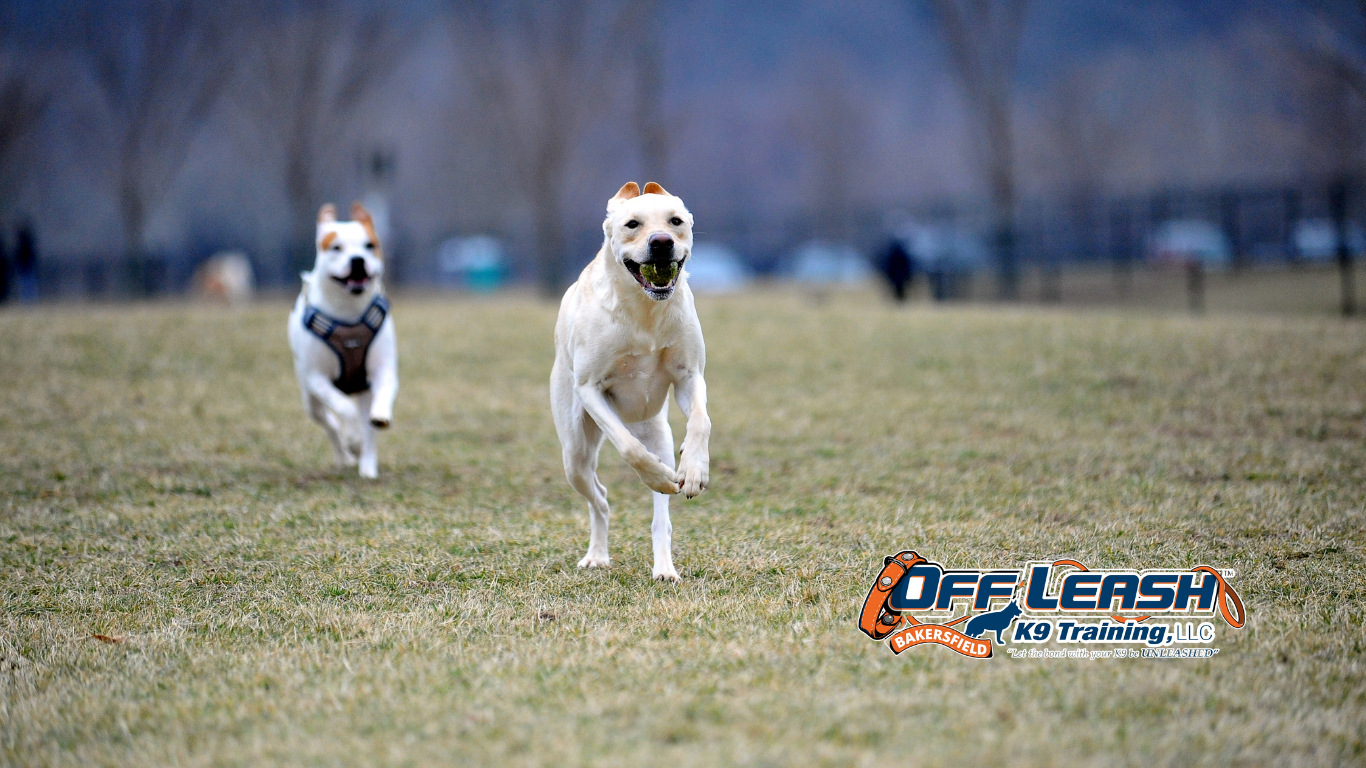
Arousal Overrides obedience more often than many dog owners realize. One of the biggest reasons dogs suddenly ignore commands, pull on leash, bark excessively, or become reactive is because emotional arousal has become too high for the dog to think clearly. In these moments, dogs are not necessarily being stubborn or intentionally disobedient. Instead, their emotional state is overpowering their ability to process commands calmly and make balanced decisions.
Many owners become frustrated when a dog that listens perfectly at home suddenly stops responding outdoors or around distractions. However, obedience that works only in calm environments is not yet emotionally reliable. Dogs must learn how to remain focused and emotionally balanced even when excitement, frustration, stress, or stimulation increases around them.
Emotional arousal refers to a dog’s internal level of excitement, stress, frustration, anticipation, or intensity. Arousal itself is not always bad. Dogs naturally become emotionally activated during play, walks, social interaction, training, or environmental stimulation. Problems begin when arousal rises so high that the dog loses impulse control, focus, and emotional regulation.
This emotional overload commonly appears as:
- Pulling on leash
- Barking excessively
- Jumping
- Lunging
- Ignoring commands
- Reactivity around dogs or people
- Hyper-fixation on distractions
- Difficulty calming down afterward
Many behavior problems are actually emotional regulation problems first.
Busy environments throughout Bakersfield can increase emotional arousal significantly. Parks, sidewalks, shopping centers, apartment complexes, outdoor cafes, neighborhood activity, and public events constantly expose dogs to stimulation that challenges focus and obedience.
Structured dog training helps dogs learn how to regulate emotional arousal while remaining calm, engaged, and responsive under pressure. Instead of reacting impulsively, dogs gradually develop better emotional control and stronger obedience reliability in real-world situations.
Key Takeaways
- Emotional arousal often overrides obedience and focus
- Overstimulation reduces impulse control significantly
- Dogs struggle to think clearly when emotionally overloaded
- Reactivity is often connected to high arousal levels
- Emotional regulation improves obedience reliability
- Calmness helps dogs process commands more effectively
- Real-world training teaches dogs to manage stimulation
- Structured routines improve emotional balance and focus
- Excitement can become just as problematic as fear
- Reliable obedience requires emotional stability
What Is Emotional Arousal in Dogs?
Emotional arousal refers to a dog’s internal level of excitement, stress, anticipation, frustration, fear, or emotional intensity.
Arousal increases naturally during:
- Walks
- Play
- Training
- Social interaction
- Environmental stimulation
- New experiences
- Public outings
Low to moderate arousal is normal and healthy. Problems develop when emotional intensity becomes too high for the dog to regulate appropriately.
Why Arousal Overrides Obedience
When arousal rises too high, dogs often lose the ability to:
- Focus clearly
- Respond consistently
- Control impulses
- Process commands calmly
- Recover quickly from stimulation
This is why dogs may suddenly appear to “forget” training during exciting or stressful situations.
The issue is often not obedience knowledge.
The issue is emotional overload.
Common Signs of Emotional Overload
Dogs experiencing excessive arousal often display:
- Pulling on leash
- Barking repeatedly
- Lunging
- Whining
- Hyper-fixation
- Jumping
- Zoomies
- Ignoring commands
- Difficulty settling
- Rapid scanning of the environment
These behaviors commonly indicate emotional dysregulation rather than stubbornness.
Excitement Can Be a Problem Too
Many owners assume only fear or stress create obedience problems.
However, excitement can become just as overwhelming.
Dogs that become overly excited often struggle with:
- Listening
- Impulse control
- Calm greetings
- Public behavior
- Leash manners
Overexcitement commonly causes dogs to ignore commands despite understanding them well.
Why Dogs Listen Indoors but Not Outside
Indoor environments contain fewer distractions and lower emotional stimulation.
Outside environments include:
- Other dogs
- Smells
- Traffic
- Noise
- Movement
- Public activity
- Environmental unpredictability
These distractions increase emotional arousal significantly.
Dogs lacking emotional regulation often become overwhelmed outdoors.
Emotional Regulation and Obedience
Emotional regulation is one of the most important parts of reliable obedience.
Dogs that regulate emotions effectively often:
- Recover faster from excitement
- Stay calmer under pressure
- Respond more reliably
- Make better decisions
- Focus longer around distractions
Emotional balance creates stronger obedience.
The Role of Overstimulation
Overstimulation commonly occurs when dogs experience too much emotional intensity too quickly.
Examples include:
- Busy public areas
- Crowded parks
- Multiple dogs nearby
- High-energy greetings
- Loud environments
- Excessive excitement before walks
Once overstimulated, dogs often struggle to regain emotional control.
Why Reactivity Is Often an Arousal Problem
Many reactive dogs are not aggressive by nature.
Instead, they become emotionally overloaded and react impulsively.
Reactivity often develops because:
- Excitement escalates too high
- Frustration builds
- Emotional intensity overwhelms focus
- Dogs cannot regulate stimulation calmly
This is why emotional regulation training matters so much for reactive dogs.
Why Repetition Alone Does Not Fix Obedience
Many owners respond to poor obedience by repeating commands constantly.
However, repetition alone often fails when emotional arousal remains too high.
Dogs cannot process commands effectively if emotional overload continues unchecked.
Calmness must come before reliability.
How Structured Training Helps
Structured training teaches dogs how to remain emotionally balanced under stimulation.
Build Focus Around Distractions
Dogs improve reliability by practicing engagement around environmental triggers.
Reward Calmness Consistently
Calm emotional states should be reinforced regularly.
Use Gradual Exposure
Dogs improve faster when stimulation increases gradually instead of overwhelming them immediately.
Teach Impulse Control Exercises
Commands like:
- Place
- Stay
- Heel
- Leave it
help dogs develop patience and emotional control.
Common Mistakes Owners Make
Many owners accidentally increase emotional arousal by:
- Overexciting dogs before walks
- Repeating commands constantly
- Allowing chaotic greetings
- Training in overwhelming environments too quickly
- Rewarding excitement unintentionally
- Using inconsistent structure
Calm leadership improves emotional stability significantly.
Why Calmness Improves Learning
Calm dogs process information more effectively.
Calm emotional states improve:
- Focus
- Obedience reliability
- Decision-making
- Recovery speed
- Public behavior
Dogs learn best when emotionally balanced.
Real-World Training and Emotional Control
Dogs need practice remaining calm around:
- Public distractions
- Movement
- Noise
- Other dogs
- Busy environments
- Real-world stimulation
Real-world exposure helps dogs generalize emotional regulation and obedience skills.
Arousal Overrides Obedience in Bakersfield
Busy environments throughout Bakersfield create constant stimulation for dogs. Sidewalks, apartment complexes, parks, shopping centers, outdoor cafes, and neighborhood activity all increase emotional arousal levels significantly.
Structured Bakersfield dog training helps dogs improve:
- Emotional regulation
- Public obedience
- Calm walking behavior
- Focus around distractions
- Impulse control
This creates more reliable behavior in real-world situations.
Frequently Asked Questions
1. What does emotional arousal mean in dogs?
Emotional arousal refers to a dog’s level of excitement, stress, frustration, anticipation, or emotional intensity.
2. Why does my dog ignore commands when excited?
Excitement can overwhelm focus and impulse control, making it difficult for dogs to process commands calmly.
3. Can overstimulation cause bad behavior?
Yes. Overstimulated dogs often struggle with obedience, impulse control, and emotional regulation.
4. How do I reduce emotional arousal in my dog?
Structured routines, calm exposure, impulse control exercises, and emotional regulation training help reduce overstimulation.
5. Why does my dog listen indoors but not outside?
Outdoor environments contain more distractions and emotional stimulation than indoor environments.
Conclusion
Emotional arousal overrides obedience when excitement, frustration, stress, or overstimulation become stronger than a dog’s ability to remain calm and focused. Many obedience problems are not caused by stubbornness or lack of intelligence, but by emotional overload that prevents dogs from thinking clearly and responding consistently.
Dogs that learn emotional regulation become calmer, more focused, and more reliable in real-world environments. Structured training helps dogs improve impulse control, recover faster from stimulation, and remain engaged with their handler despite distractions.
For Bakersfield dog owners, emotional regulation training is especially important because busy public environments constantly challenge focus and emotional balance. With consistency, structure, and gradual real-world exposure, dogs can develop better emotional stability and more dependable obedience over time.
"*" indicates required fields