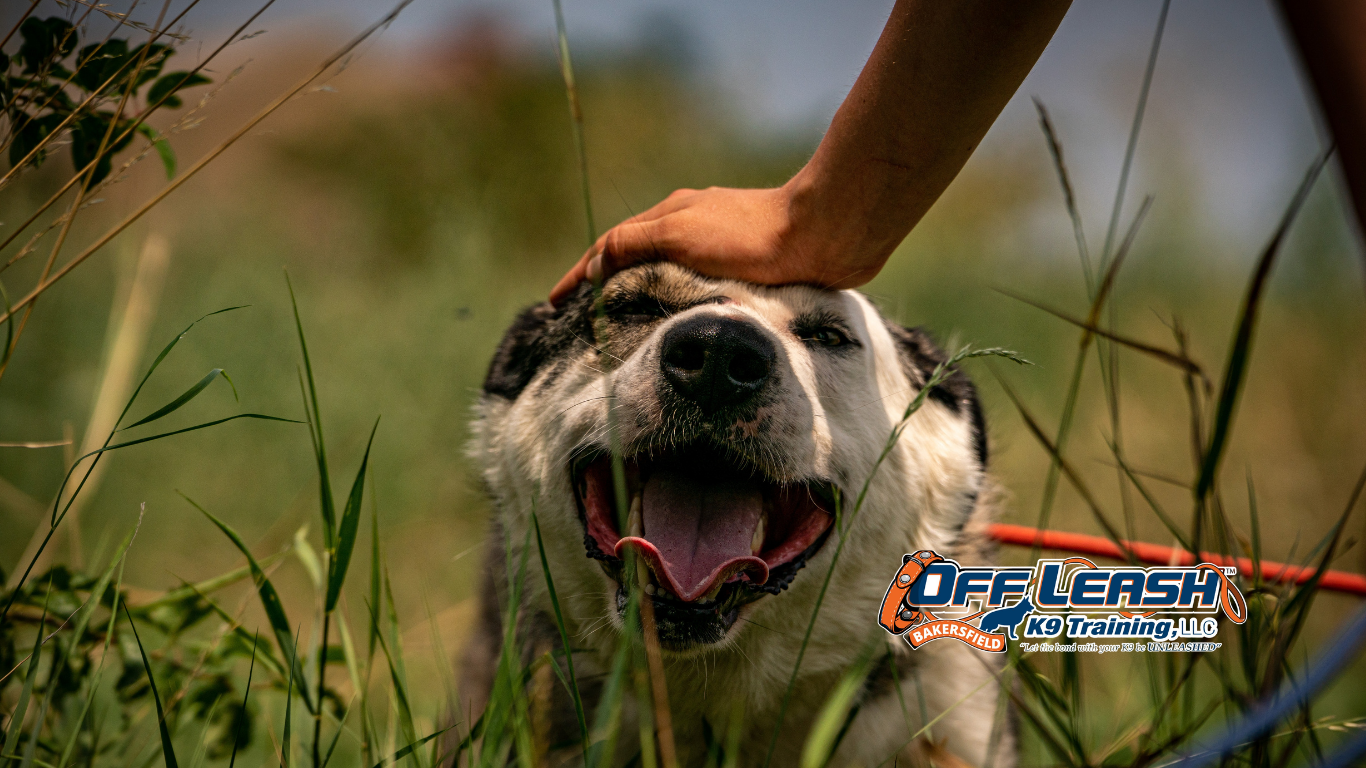
Newly Adopted Dogs: Training Tips for Success in Bakersfield
Training newly adopted dogs can sometimes feel like a challenging endeavor, especially in bustling areas like Bakersfield. However, successful outcomes often come from understanding local nuances and utilizing proven training techniques. Proper training not only fosters a strong bond but also ensures a happy, healthy life for your canine companion.
Bakersfield, with its rich history of community pet advocacy, has numerous resources for new dog owners. According to recent statistics, the adoption rate has surged by 20% over the last two years. Leveraging local training programs and integrating positive reinforcement methods can significantly enhance training success and contribute to a harmonious household.
For newly adopted dogs in Bakersfield, focus on building trust and setting routines from day one. Use positive reinforcement techniques such as treats and praise for good behavior. Utilize local training programs and resources, incorporate regular exercise, and ensure socialization through gradual exposure to different environments and other pets.
Newly Adopted Dogs: Training Tips for Success in Bakersfield
Adopting a new dog is an exciting journey, but it also requires a solid training plan. Bakersfield offers a unique climate and a diverse community that can impact training methods. Start by establishing a consistent routine for your dog. This includes regular feeding times, designated bathroom breaks, and daily walks. Consistency helps your dog understand what to expect and feel more secure.
Building trust with your newly adopted dog is crucial. Spend quality time bonding through activities like playing fetch, grooming, and gentle petting. Early socialization is also important. Introduce your dog to various environments, people, and other pets gradually. Positive experiences during these introductions will boost your dog’s confidence.
Essential commands like sit, stay, and come are the foundation of good behavior. Use treats and praise to reinforce successful attempts at these commands. Consistency and patience are key. Frequent, short training sessions are more effective than long, exhaustive ones. Make training a positive experience for your dog.
Bakersfield is home to numerous resources for dog training. Local trainers and community centers offer classes that can be highly beneficial. Engaging with these resources can provide additional support and ideas. Here’s a list of helpful training tips for your new dog in Bakersfield:
- Use positive reinforcement techniques
- Attend local training classes
- Socialize your dog in various environments
- Maintain a consistent routine
- Be patient and persistent
Engaging with the local community and utilizing these tips can lead to successful dog training.
Key challenges new adopters face in Bakersfield
Adopting a new dog in Bakersfield comes with its own set of challenges. The hot climate can be tough on certain breeds, requiring careful management to avoid heat-related issues. New adopters must ensure their dogs stay hydrated and cool. Additionally, integrating a new pet into an existing household can be stressful. Patience and consistency are essential for smooth transitions.
Another challenge is behavioral adjustments. Many dogs in shelters have experienced trauma or instability. This can lead to anxiety or fear-based behaviors needing special attention. New adopters should be prepared to invest time in building trust. Working with a professional trainer can help address these issues effectively.
Socialization is also a significant concern for new dog owners. Bakersfield’s urban environments can be overwhelming for some dogs. Introducing them gradually to new sights and sounds is important. Positive reinforcement plays a crucial role in this process. Ensuring your dog has positive interactions with other pets and people helps build confidence.
Access to good veterinary care is vital. New adopters in Bakersfield should research local veterinarians. Regular check-ups and vaccinations keep your dog healthy. Here’s a brief table of common challenges and corresponding solutions: Challenge Solution Heat management Ensure shade, water, and avoid peak heat times Behavioral issues Consult a professional trainer Socialization Gradual exposure and positive reinforcement Finding vet care Locate and research local vets Addressing these challenges can lead to a smoother adoption experience.
Building trust and setting routines from day one
Establishing trust with your newly adopted dog is fundamental from the start. Begin by creating a calm and welcoming environment for your dog. Allow your dog time to explore and get familiar with the new surroundings. Offer treats and gentle praise to encourage positive behavior. This helps your dog feel safe and loved.
Setting routines is equally important for your dog’s adjustment. Consistent feeding schedules and regular bathroom breaks are a good start. Routines help reduce anxiety by providing predictability. Daily walks at the same time each day can also reinforce this sense of stability. Over time, your dog will learn what to expect and feel more secure.
Include time for play and training in your daily routine. Interactive toys and games can strengthen your bond. Training sessions should be short and enjoyable. Focus on basic commands like sit and stay. Reward your dog with treats and positive reinforcement to build their confidence.
Interaction with other household members is also key. Ensure everyone is on board with the routines and methods for training. Consistency among family members reinforces good behavior. Here’s a simple list to help set a routine and build trust:
- Create a calm environment
- Set consistent feeding times
- Schedule regular bathroom breaks
- Include daily walks
- Incorporate play and training
Adhering to these practices promotes a healthy relationship and a well-adjusted dog.
Essential commands and socialization techniques
Teaching your dog essential commands is crucial for their safety and your peace of mind. Start with basic commands like sit, stay, and come. These commands form the foundation of good behavior. Use treats and praise to reinforce compliance. Consistent repetition helps dogs learn faster.
Socialization is another critical aspect of raising a well-rounded dog. Gradually expose your dog to different environments and people. Positive interactions help build their confidence. Taking your dog to parks, pet-friendly cafes, and on car rides are great ways to socialize. This exposure makes them more adaptable and less fearful.
Incorporating socialization into everyday routines can be very effective. Plan regular playdates with other dogs. This helps them learn how to interact appropriately with their peers. Use positive reinforcement during these interactions to encourage good behavior. Supervised play ensures safety and learning.
Training sessions should be short and engaging. This keeps your dog interested and prevents them from getting bored or frustrated. Focus on one command at a time. Practice in different settings to generalize the behavior. Short, frequent sessions are more effective than longer, infrequent ones.
Consistency among family members is essential. Ensure everyone uses the same commands and rewards. This avoids confusing your dog and strengthens their learning. Here’s a quick list of essential commands and socialization activities to focus on:
- Sit, stay, come
- Park visits and car rides
- Playdates with other dogs
- Positive reinforcement
- Short, engaging training sessions
Using these techniques will help raise a well-trained and socialized dog.
Incorporating local resources and trainers
Utilizing local resources in Bakersfield can greatly improve your dog training efforts. The city offers a variety of training classes, from basic obedience to advanced techniques. Local trainers are familiar with common challenges specific to the area. They often hold group classes that provide a social setting for your dog. This offers a dual benefit of training and socialization.
Bakersfield has several community centers that offer dog training programs. These programs are often more affordable than private sessions. Enrolling in a community class can be a great way to network with other dog owners. Sharing experiences with others can provide useful tips and support. Look for programs that use positive reinforcement methods.
Online resources from local trainers can also be incredibly helpful. Many trainers offer virtual consultations and tutorials. This can be particularly useful for busy families. Virtual training allows you to learn at your own pace. You can revisit lessons as needed.
Pet stores in Bakersfield often host training events and workshops. These events provide an opportunity for hands-on learning. Trainers demonstrate techniques that you can practice with your dog. Workshops often focus on specific issues like leash training or socialization. Keeping an eye on local event listings can help you find these opportunities.
Local parks and recreation areas are excellent resources for training. They offer diverse environments to practice commands and socialization. Regular visits to these areas can enhance your dog’s adaptability. Here’s a list of benefits from local resources and trainers:
- Affordable community classes
- Virtual training flexibility
- Hands-on workshops at pet stores
- Diverse practice environments in parks
- Opportunity to network with other dog owners
Leveraging these resources can significantly enhance your dog’s training experience.
Common behavioral issues and solutions for Bakersfield families
Behavioral issues in newly adopted dogs can be frustrating for Bakersfield families. One common problem is separation anxiety. Dogs with separation anxiety may bark excessively, chew furniture, or scratch doors. Creating a safe space and using puzzle toys can help ease their anxiety. Gradually increasing the time you spend apart can also be effective.
Another frequent issue is leash pulling during walks. This can be particularly challenging in busy Bakersfield neighborhoods. Training your dog to heel and rewarding them for walking nicely by your side is key. Using a no-pull harness can offer additional control. Consistent practice in low-distraction areas helps build this behavior.
House-training accidents can be a major concern. Ensuring regular bathroom breaks, especially after meals and naps, is essential. Positive reinforcement for going outside can speed up the training process. If accidents do occur, clean the area thoroughly to remove any lingering odors. Patience and consistency are vital.
Aggression towards other pets can also be a challenge. Slowly introducing your dog to other animals in a controlled environment is crucial. Use positive reinforcement to reward calm behavior. Supervised playdates with well-behaved dogs can help them learn appropriate social cues. Avoiding punishment helps prevent fear-based aggression.
Excessive barking is another common issue. Identifying the cause, whether it’s boredom, anxiety, or excitement, is the first step. Providing plenty of mental and physical stimulation can help reduce barking. Training commands like “quiet” or “enough” can be useful. Here’s a list of common issues and their solutions to keep handy:
- Separation anxiety: Create a safe space, use puzzle toys
- Leash pulling: Train to heel, use no-pull harness
- House training: Regular breaks, positive reinforcement
- Aggression: Controlled introductions, supervised playdates
- Excessive barking: Identify cause, provide stimulation
Addressing these issues with patience and consistent training can lead to a harmonious home.
The role of exercise and enrichment in effective training
Exercise plays a crucial role in the overall well-being of your dog. Regular physical activity helps to burn off excess energy, reducing destructive behaviors. Dogs with ample exercise are more focused during training sessions. In Bakersfield, take advantage of parks and open spaces for daily walks and runs. Keeping a consistent exercise schedule is key.
Mental enrichment is just as important as physical exercise. Puzzle toys and interactive games challenge your dog’s mind and keep them engaged. These activities help to prevent boredom, which can lead to behavioral issues. Training sessions themselves can also serve as mental enrichment. Rotate between different activities to maintain interest.
Combining exercise with training can be highly effective. Use part of your walk for practicing commands like “sit” and “stay.” Incorporate agility exercises such as jumping over small obstacles or weaving through cones. This not only provides physical exercise but also reinforces obedience skills in a fun way. Rewards like treats or praise enhance the experience.
Interactive play is another excellent form of enrichment. Games like fetch, tug-of-war, or hide-and-seek stimulate both mind and body. Playtime strengthens the bond between you and your dog, making them more responsive during training sessions. Always supervise play to ensure it remains safe.
Bakersfield’s community resources offer various opportunities for enrichment activities. Local canine sports clubs provide structured environments for advanced training exercises like agility courses or scent work. Participating in group classes can introduce new challenges that keep your dog sharp. Engaging with these resources enhances both physical and mental well-being.
For quick reference, here are some recommended activities:
- Daily walks in local parks
- Puzzle toys for mental stimulation
- Agility exercises during walks
- Interactive play sessions
- Participation in local canine sports clubs
Incorporating these elements into your routine ensures a balanced approach to your dog’s training and overall health.
Positive reinforcement: Best practices for Bakersfield dog owners
Positive reinforcement is a key strategy for training newly adopted dogs in Bakersfield. This method involves rewarding desired behaviors to encourage their repetition. Rewards can include treats, praise, or playtime. The goal is to create a positive association with good behavior. Timing is crucial; rewards should be given immediately after the desired action.
Consistency is essential when using positive reinforcement. All family members should be on the same page regarding which behaviors are rewarded. This avoids confusing the dog and ensures steady progress. Using a clicker can help mark the exact moment of good behavior. Gradually, your dog will understand which actions are expected.
Variety in rewards can keep your dog motivated. While treats are effective, mixing in verbal praise or favorite toys can add excitement. This prevents your dog from becoming food-dependent. Alternate between different types of rewards to maintain engagement. Here’s a quick list of effective rewards:
- Treats
- Verbal praise
- Favorite toys
- Extra playtime
- Affectionate petting
Using varied rewards keeps training sessions fresh and enjoyable.
Positive reinforcement isn’t just for basic commands like sit and stay. It can be used to address behavioral issues like jumping or excessive barking. Rewarding calm behavior when guests arrive can reduce jumping. A quiet command followed by a reward can minimize barking. Consistency and patience are key.
Training sessions should be kept short and frequent. Overly long sessions can lead to frustration for both you and your dog. Aim for multiple short sessions throughout the day. This keeps your dog focused and eager to learn. Regular, brief training moments integrate seamlessly into daily routines.
Leveraging local resources can enhance your positive reinforcement training. Many Bakersfield trainers specialize in this method. Group classes provide opportunities for socialization and learning. Connecting with other dog owners can also offer support and new ideas. Utilizing these resources makes training more effective and enjoyable for both you and your dog.
Local training programs and community support networks in Bakersfield
Bakersfield offers a variety of local training programs tailored to different dog needs. Many community centers and pet stores host classes ranging from basic obedience to advanced skills. These programs often use positive reinforcement techniques popular among dog trainers. It’s a great way to socialize your dog while learning new commands. Local trainers understand the specific challenges faced by Bakersfield dog owners.
Community support networks are invaluable for new dog owners. Groups on social media platforms provide a space to share experiences and seek advice. Engaging with other dog owners can offer emotional support and practical tips. You can also find recommendations for vets, groomers, and trainers. Being part of a community helps you feel less alone in the training process.
Local animal shelters also provide resources for new adopters. Many shelters offer free or low-cost training sessions for newly adopted dogs. These sessions focus on building trust and establishing routines. Shelters often have partnerships with local trainers who can provide further assistance. Taking advantage of these programs can make the transition smoother for both you and your dog.
Volunteering opportunities in Bakersfield can also be beneficial. Joining a local dog walking group or participating in community clean-ups are excellent ways to socialize your dog. These activities provide a structured environment to practice commands and improve behavior. Volunteering also strengthens the bond between you and your dog while contributing to the community.
For quick reference, here are some valuable resources in Bakersfield:
- Community center dog training classes
- Social media support groups
- Animal shelter training sessions
- Local trainers and behaviorists
- Volunteering opportunities with dog-centric groups
Leveraging these tools and networks can greatly enhance your dog’s training experience and provide continued support.
Frequently Asked Questions
Newly adopting a dog is an exciting journey, yet it comes with many questions. Below are common queries that can help you better understand how to train and care for your new pet.
1. How can I stop my dog from barking excessively?
Excessive barking can be addressed by first identifying the cause, whether it’s boredom, anxiety, or excitement. Once you know the trigger, you can use positive reinforcement to encourage quieter behavior. Reward your dog when they stop barking upon command, using treats and praise.
Consistency and patience are crucial. Gradually increase distractions during training to make sure your dog understands when it’s okay to bark and when it isn’t. Use commands like “quiet” or “enough” to set clear boundaries, and ensure all family members follow the same approach.
2. What should I do if my dog is afraid of strangers?
If your dog is afraid of strangers, start by introducing them to new people gradually. Begin with calm, friendly individuals who can offer treats and positive interactions. Never force your dog to approach strangers; let them do so at their own pace to build confidence.
Positive reinforcement is key. Reward your dog for calm behavior and progress. Gradually increase the number of people your dog meets. Consistency and a slow, steady approach can significantly reduce fear and anxiety over time.
3. How often should I train my newly adopted dog?
Training sessions for newly adopted dogs should be short and frequent. Aim for 5-10 minute sessions, two to three times a day. This keeps your dog engaged and prevents frustration. Over time, you can gradually increase the duration as your dog gets more comfortable.
Incorporate training into daily routines, using opportunities like walks or playtime to practice commands. Consistency in training is vital; ensure all family members are using the same commands and techniques to avoid confusion and strengthen learning.
4. What are some good toys for mental stimulation?
Mental stimulation is crucial for keeping your dog engaged and preventing boredom. Puzzle toys are an excellent choice, as they require your dog to think and solve problems to get a reward. Treat-dispensing toys also keep your dog occupied and mentally active.
Interactive toys like tug ropes or fetch balls can also provide mental and physical stimulation. Regularly changing up the toys and activities keeps your dog interested and challenged. Engaging your dog’s mind is just as important as physical exercise for overall well-being.
5. How can I socialize my dog with other pets?
Socializing your dog with other pets should be done gradually and in controlled environments. Start with neutral grounds like a park to prevent territorial behavior. Keep the initial interactions short and positive, using treats and praise to reinforce good behavior.
Observe body language to ensure both pets are comfortable. Slowly increase the duration and frequency of these playdates to build positive relationships. Supervised playdates are also an effective way to teach appropriate social behaviors and reduce anxiety around other pets.
Conclusion
Training newly adopted dogs in Bakersfield involves a combination of trust-building, consistent routines, and positive reinforcement. Utilizing local resources and engaging with community support networks can significantly enhance the training experience. Remember, patience and consistency are key to success.
Addressing common behavioral issues through tailored techniques ensures a harmonious household. Regular exercise and mental enrichment play vital roles in effective training. By following these guidelines, you’ll foster a strong bond with your new furry friend while ensuring they lead a happy, well-adjusted life.
"*" indicates required fields