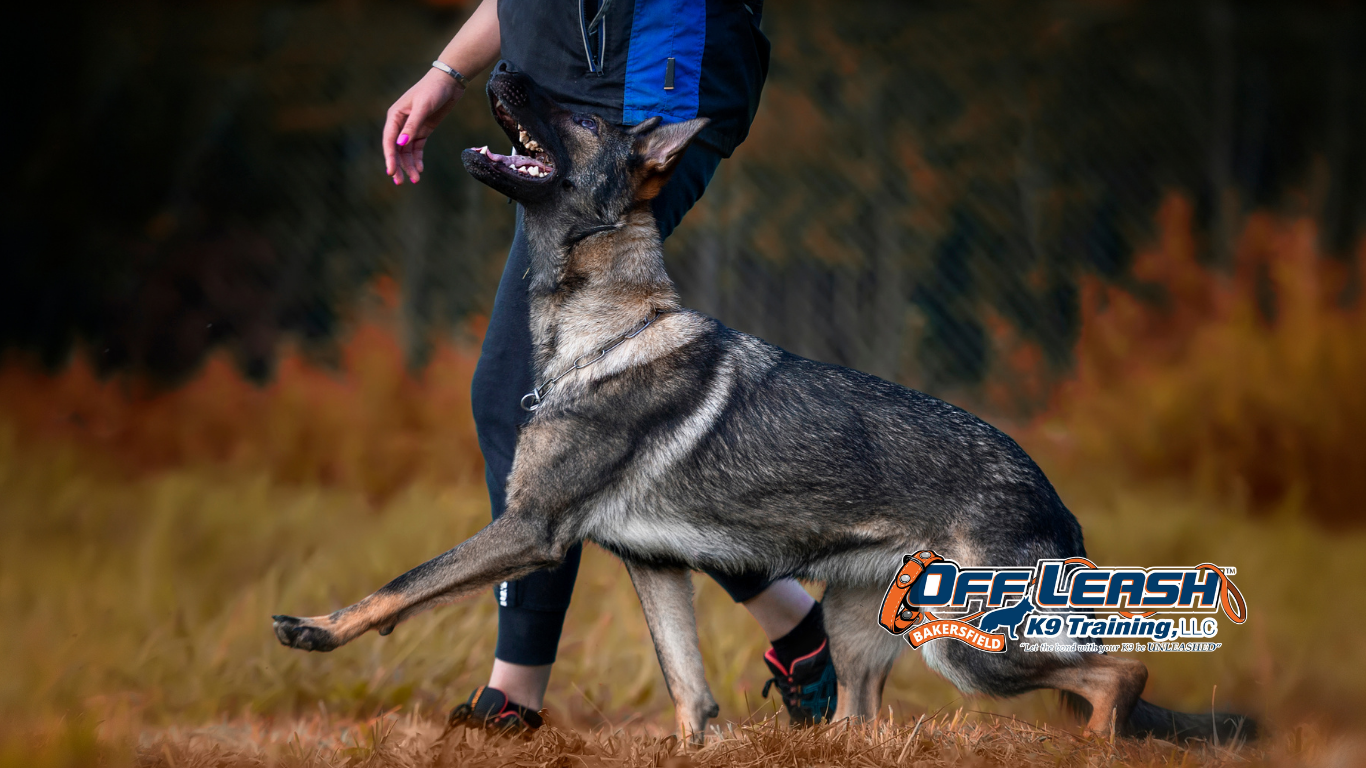
Heel Properly: Simple Steps to Train Your Dog to Heel Properly
A well-trained dog is not only a joy to be around but also contributes significantly to their own safety and your peace of mind. Have you ever wondered why some dogs seamlessly walk alongside their owners while others pull uncontrollably? This simple yet vital aspect of dog training—teaching them to heel properly—reflects decades of evolving methods aimed at fostering strong, harmonious relationships between humans and their canine companions.
The concept of heeling dates back to traditional hunting practices where obedient dogs were crucial. Nowadays, it’s estimated that nearly 30% of dog owners struggle with leash pulling issues, showcasing the need for efficient training techniques. Implementing consistent commands, rewarding positive behavior, and practicing in low-distraction environments are proven strategies that can transform your walks with your dog into enjoyable experiences.
Teaching your dog to heel involves consistent practice and patience. Start by using a leash and treat, guiding your dog beside you while walking. Use the “heel” command and reward them for staying close. Gradually increase distractions and practice in varied environments to reinforce the behavior effectively.
Heel Properly: Simple Steps to Train Your Dog to Heel Properly
Teaching your dog to heel properly is essential for a well-behaved, joyous pup and a relaxed walk. It might seem challenging at first, but with consistent practice, it becomes second nature for both you and your dog. The heel command positions your dog beside you, maintaining a controlled and calm demeanor. This training is not just about discipline, but also enhancing the bond you both share. Consistent, patient training can yield impressive results.
Start with short sessions in a quiet environment. Attach a leash and use treats to guide your dog. Say “heel” as you begin walking, rewarding them when they stay alongside. Repeat these steps several times a day. Gradual progress in distraction-free zones ensures a strong foundation.
As your dog gets comfortable with heeling in quiet areas, introduce mild distractions. Gradually move to busier locations, keeping sessions short to avoid overwhelming your pet. Remember, patience is key as some dogs may take longer to adapt. Rewarding consistent behavior reinforces the training. Make each session a positive experience.
Avoid common mistakes like pulling the leash or inconsistent commands. These can confuse your dog and set back training progress. Stay calm and assertive during walks to maintain your dog’s focus. Incorporating varied terrains and environments helps solidify the heel behavior. Consistent practice and positive reinforcements will make walking enjoyable.
Key benefits of teaching your dog to heel
Teaching your dog to heel comes with numerous advantages. First, it greatly enhances safety during walks, ensuring your pet stays close and attentive. This behavior reduces the risk of your dog darting into traffic or encountering dangerous situations. Additionally, heeling helps manage a dog’s natural prey drive. It can prevent them from chasing after cats or squirrels, making walks stress-free.
Another significant benefit is improved control and communication between you and your dog. Heeling establishes you as the leader, making it easier to guide your dog’s behavior in various circumstances. This controlled walking position helps in crowded places where space is limited. It also makes vet visits and public outings more manageable. Both you and your dog will enjoy the predictability and ease.
Heeling also promotes physical and mental exercise. Walking in a controlled manner requires focus, which stimulates your dog’s mind. This consistent training can keep high-energy dogs calm and well-behaved. Regular practice during walks can also contribute to their overall physical fitness. Keeping a steady routine can result in a healthier, happier dog.
Moreover, the practice of heeling strengthens the bond between you and your pet. Training sessions provide opportunities for positive interaction and mutual trust. This bond is essential for fostering a long-lasting, harmonious relationship. Your dog learns to look to you for guidance, enhancing overall obedience. This sense of companionship makes every walk more enjoyable.
Essential equipment for successful heeling training
When beginning heeling training, having the right equipment is crucial for success. A comfortable and secure collar is a must-have. Opt for an adjustable collar that fits snugly around your dog’s neck. For added control, consider a harness designed for training. This helps distribute pressure evenly without choking.
A durable leash is also essential. Standard leashes, typically about six feet long, offer the right balance between control and freedom. Avoid retractable leashes during training, as they can create inconsistency. Additionally, a treat pouch stocked with your dog’s favorite treats is beneficial. It allows for quick rewards, reinforcing positive behavior.
- Adjustable collar or harness
- Standard six-foot leash
- Treat pouch
- High-value treats
Clickers can be a valuable tool in heeling training. These small devices emit a distinct sound to mark the exact moment your dog performs the desired behavior. Coupling the click sound with immediate rewards can accelerate learning. They are easy to use and provide clear communication. Consistency with clicker training can yield impressive results.
Lastly, consider having a reflective vest or leash for evening walks. Safety is paramount when visibility is low. These items ensure both you and your dog are seen by others. Training can continue seamlessly, regardless of the time of day. Investing in the right equipment sets the foundation for effective and enjoyable heeling training.
Step-by-step guide to teaching your dog to heel
Begin heeling training by choosing a quiet area with minimal distractions. Attach your dog’s collar or harness and a standard leash. Hold the leash in your left hand and a treat in your right hand. Keep your dog on your left side. Start walking slowly and use the command “heel” while guiding your dog with the treat.
Reward your dog with a treat when they stay by your side. This positive reinforcement encourages them to associate the heel command with a reward. Gradually increase the duration before giving the treat. If your dog strays, stop walking and call them back to your side. Patience is key; repeat this process multiple times daily.
Move to environments with mild distractions once your dog is comfortable heeling in a quiet area. Parks or quiet streets are excellent choices. Practice heeling for short periods, gradually increasing the duration. Consistency is vital—use the “heel” command each time. Frequent rewarding will keep your dog motivated and focused.
Incorporate other commands such as “sit” during training to improve obedience. Encourage your dog to sit when you stop walking. This reinforces their understanding of your expectations. Practice turns and changes in pace to maintain engagement. Varied routines challenge your dog and keep the training enjoyable.
Utilize a clicker to mark precise moments of good behavior once your dog shows consistent progress. Click and reward immediately to solidify the desired actions. This method strengthens communication between you and your dog. Over time, decrease the frequency of treats while maintaining verbal praise. This transition helps your dog rely on commands rather than treats.
Finally, integrate heeling into your daily walks. Apply the training in real-world scenarios. Encourage your dog consistently, maintaining a calm and assertive demeanor. Regular practice will embed the heel command into your dog’s routine. Enjoy the benefits of stress-free, enjoyable walks for both you and your pet.
Common mistakes and how to avoid them during heel training
One common mistake in heel training is being inconsistent with commands. Using different words or phrases confuses your dog. Stick to one command, like “heel,” for clarity. Consistency helps your dog understand and respond promptly. Ensure everyone who walks the dog uses the same command.
Another error is pulling on the leash when the dog strays. This action can cause discomfort and make the dog resistant. Instead, stop walking and call your dog back to your side. Reward them for complying and then continue. Gentle guidance fosters a positive experience.
Overloading your dog with distractions too early can hinder progress. Begin training in a calm, quiet environment. Gradually introduce distractions as your dog becomes more confident. This method helps them focus and succeed. Rushing the process can lead to frustration for both you and your dog.
Failing to reward good behavior consistently is another pitfall. Rewards reinforce positive actions and encourage repetition. Always have treats or verbal praise ready to acknowledge your dog’s efforts.
- Inconsistent commands
- Pulling on the leash
- Overloading with distractions
- Neglecting regular rewards
Neglecting to practice regularly can also impede progress. Make heeling a daily routine to reinforce the training. Regular practice helps the behavior become second nature. It also strengthens the bond between you and your dog. Commitment to daily practice yields the best results.
Maintaining and reinforcing the heel command in daily life
To keep the heel command effective, integrate it into everyday walks. Consistency is key to reinforcing this behavior. Start walks with the heel command, ensuring your dog knows what to expect. Use treats and praise to reward compliance continuously. This reinforces the positive association with heeling.
Switch up your walking routes to keep your dog engaged. Different environments offer new challenges and keep training interesting. Encountering various distractions and scenarios will help reinforce the heel command. Practice in both quiet and busy areas to strengthen your dog’s response. This versatility makes heeling a well-rounded skill.
Regular short training sessions can also prevent your dog from losing the heel habit. Even five-minute sessions can be beneficial. Use these opportunities to practice heeling without the pressure of a long walk. Incorporate heeling into playtime or while performing other commands. This seamless integration keeps the training fresh and relevant.
Remember to adjust your pace occasionally. Walk faster or slower to ensure your dog adapts to different speeds. This helps your dog stay attentive and responsive to your movements. It also makes walks more dynamic and less monotonous. Varying your pace helps solidify the heel command in diverse situations.
- Incorporate heeling into everyday walks
- Change walking routes regularly
- Conduct short training sessions often
- Adjust walking pace
Lastly, practice the heel command in different weather conditions. Rain, wind, or snow can present unique distractions. Training your dog to heel in all conditions ensures reliable behavior. Consistent practice, rewards, and variation are essential. This approach will make the heel command a natural part of your dog’s routine.
Frequently Asked Questions
Teaching your dog to heel properly can be challenging but rewarding. Here are some common questions and answers to help you understand the process better.
1. How long does it take to teach a dog to heel?
The time it takes to teach a dog to heel depends on factors like age, breed, and consistency in training. Some dogs may learn in a few weeks, while others could take a couple of months.
Regular short training sessions are more effective than longer, infrequent ones. Consistent practice and patience are key components to successfully teaching your dog to heel.
2. What should I do if my dog refuses to heel?
If your dog refuses to heel, start by checking for distractions and try training in a quiet area. Use high-value treats to maintain their interest and reward small progress.
You may also need to adjust your training techniques. Sometimes, using a different method or tool can make a big difference. Be patient and keep training sessions positive.
3. Can older dogs learn to heel, or is it just for puppies?
Older dogs can definitely learn to heel, although it may take a bit more time and patience compared to training a puppy. The key is consistency and positive reinforcement.
Start with short, low-distraction sessions and gradually increase the difficulty. Older dogs can learn new behaviors and commands with the right amount of effort and encouragement.
4. Is it necessary to use a clicker during heeling training?
Using a clicker during heeling training is not necessary, but it can be helpful. A clicker provides immediate feedback that marks the exact moment your dog performs the desired behavior.
This clear communication can accelerate learning. However, if you prefer, you can use verbal praise and treats alone to reinforce good behavior.
5. What are some common mistakes to avoid during heeling training?
Common mistakes during heeling training include inconsistent use of commands, pulling on the leash, and overloading your dog with distractions too soon. These can confuse and frustrate your dog.
Always use the same command and gently guide your dog back when they stray. Gradually introduce distractions and remember to reward positive behavior regularly to maintain progress.
Conclusion
Teaching your dog to heel properly can significantly enhance your daily walks and overall relationship. It fosters better communication and ensures safety for both you and your pet. The process requires patience, consistency, and the right equipment. However, the rewards are worth the effort.
By incorporating heeling into your routine, your dog will become more attentive and well-behaved. Whether you start with a puppy or an older dog, the principles remain the same. Enjoy the journey of training and the strengthened bond it creates.
"*" indicates required fields