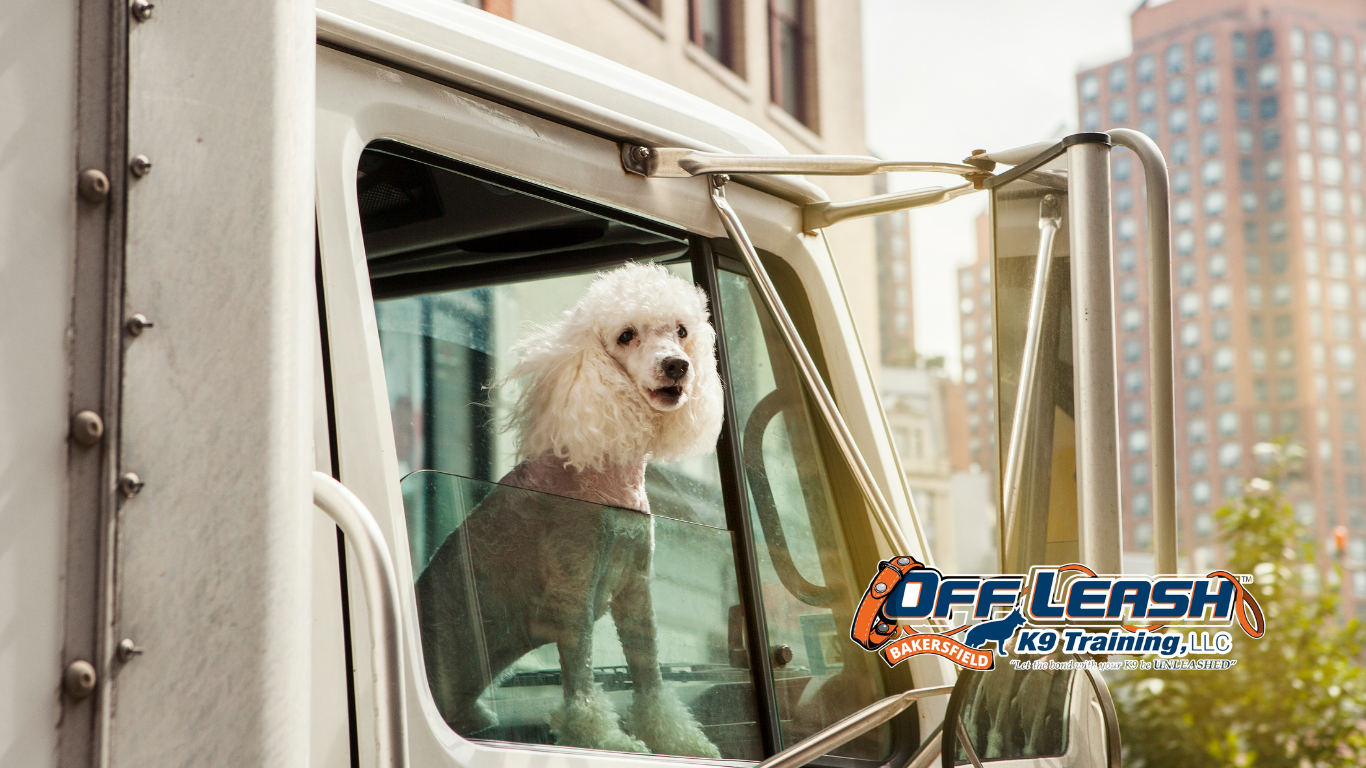
Dogs React to Garbage Trucks: Why Dogs React to Garbage Trucks
Dogs React to Garbage Trucks more often than many owners realize. A calm walk through the neighborhood can suddenly become stressful when a garbage truck appears around the corner. Some dogs bark frantically, lunge toward the truck, pull hard on the leash, freeze in place, or refuse to continue walking. Others may try to run away or hide behind their owner.
These reactions are not unusual. Garbage trucks are among the most stimulating vehicles dogs encounter. Unlike regular cars, they produce loud engine noises, hydraulic sounds, banging metal containers, reversing alarms, flashing lights, strong odors, and unpredictable movements. From a dog’s perspective, a garbage truck behaves very differently from most vehicles they see every day.

Dogs that react to garbage trucks may display behaviors such as:
- Barking repeatedly
- Lunging toward the truck
- Pulling on the leash
- Freezing in place
- Hiding behind the owner
- Whining
- Refusing treats
- Trembling
- Trying to escape
- Ignoring commands
These behaviors usually stem from emotional arousal. Some dogs react because they are frightened by the noise and movement, while others become excited by the unusual activity. In either case, their ability to focus on their owner decreases as their emotional response increases.
Fortunately, this behavior can improve. Dogs do not need to avoid garbage trucks forever. Through structured exposure, positive reinforcement, confidence-building exercises, and consistent training, they can learn that these large vehicles are simply another part of everyday life.
For Bakersfield dog owners, garbage trucks are a regular part of neighborhood walks. Learning how to help dogs remain calm around them improves not only leash manners but also overall confidence and emotional resilience in busy environments.
Key Takeaways
- Garbage trucks combine multiple intense sensory experiences.
- Dogs may react from fear, excitement, or uncertainty.
- Loud noises and unpredictable movement increase emotional arousal.
- Gradual exposure builds confidence.
- Emotional regulation improves public behavior.
- Avoid forcing dogs too close to frightening vehicles.
- Reward calm observation instead of reactive behavior.
- Consistency helps reduce fear over time.
- Professional training can speed progress.
- Most dogs can learn to stay calm around garbage trucks with structured training.
What Does “Dogs React to Garbage Trucks” Mean?
When dogs react to garbage trucks, they display behaviors such as barking, lunging, pulling, freezing, trembling, hiding, or refusing to continue walking whenever a garbage truck appears nearby. These reactions usually occur because garbage trucks create an intense combination of sights, sounds, smells, and movement that many dogs find overwhelming.
Unlike ordinary passenger vehicles, garbage trucks behave unpredictably. They frequently stop, reverse, lift heavy containers, release loud hydraulic noises, flash warning lights, and produce unfamiliar mechanical sounds. From a dog’s perspective, this unpredictable activity can seem alarming.
Dogs that react to garbage trucks may:
- Bark repeatedly
- Pull toward or away from the truck
- Freeze during walks
- Hide behind their owner
- Whine
- Refuse treats
- Tremble
- Try to escape
- Ignore commands
- Remain nervous even after the truck leaves
These reactions do not necessarily indicate poor obedience.
Instead, they usually reflect emotional arousal that temporarily overwhelms the dog’s ability to think calmly.
Understanding this distinction helps owners focus on building confidence rather than simply correcting behavior.
Why Garbage Trucks Feel Different
Dogs quickly learn that most cars travel in predictable ways.
Garbage trucks are different.
They may:
- Stop every few houses.
- Reverse unexpectedly.
- Make loud banging sounds.
- Lift heavy trash bins.
- Compress garbage.
- Release hydraulic noises.
- Move slowly.
- Change direction frequently.
This unpredictability naturally captures a dog’s attention.
Why Garbage Trucks Scare Some Dogs
Not every dog fears garbage trucks.
Some remain completely relaxed.
Others become intensely anxious.
Several factors influence these reactions.
Loud Mechanical Sounds
Garbage trucks produce sounds dogs rarely hear elsewhere.
Examples include:
- Hydraulic pumps
- Metal banging
- Air brakes
- Backup alarms
- Diesel engines
- Containers dropping
These sudden noises may trigger the dog’s natural startle response.
Large Size
Dogs often judge potential danger based partly on size.
Garbage trucks are much larger than:
- Cars
- SUVs
- Pickup trucks
Their height, width, and movement may appear intimidating.
Unpredictable Motion
Most vehicles drive smoothly down the street.
Garbage trucks repeatedly:
- Stop
- Start
- Reverse
- Turn
- Lift equipment
Unpredictable movement often creates uncertainty.
Dogs naturally pay close attention to unpredictable events.
Strong Odors
Dogs experience smells far more intensely than humans.
Garbage trucks carry countless unfamiliar scents.
Although owners rarely notice them, dogs may find these odors highly stimulating.
Why Puppies Often React More Strongly
Puppies have limited life experience.
A garbage truck may be unlike anything they have ever encountered.
Without gradual exposure, many puppies become startled by:
- Noise
- Movement
- Vibration
- Size
Early positive experiences help prevent long-term fear.
Fear vs. Excitement Around Large Vehicles
Not every barking dog is frightened.
Some dogs become excited instead.
The outward behaviors may appear similar while the underlying emotions differ significantly.
Fearful Dogs May:
- Freeze
- Tremble
- Pull away
- Hide behind the owner
- Refuse treats
- Avoid eye contact
These dogs are trying to create distance from the truck.
Excited Dogs May:
- Pull forward
- Bark repeatedly
- Jump
- Spin
- Chase
- Lunge
These dogs may view the truck as something interesting or exciting.
Regardless of the emotion, emotional arousal makes learning more difficult.
Why Identifying the Emotion Matters
Two dogs may bark at the exact same garbage truck.
One wants to escape.
The other wants to chase.
Training should address the underlying emotion rather than simply stopping the barking.
Correctly identifying fear versus excitement leads to much more effective training.
Loud Noises and Sensory Overload
Garbage trucks stimulate nearly every one of a dog’s senses simultaneously.
Dogs experience:
- Loud sounds
- Strong smells
- Vibrations
- Flashing lights
- Moving equipment
- Large objects
- Busy workers
Processing all of this information requires tremendous mental effort.
Many dogs become emotionally overloaded.
What Is Sensory Overload?
Sensory overload occurs when the brain receives more information than it can comfortably process.
Instead of calmly evaluating the environment, dogs begin reacting automatically.
Common behaviors include:
- Barking
- Pulling
- Refusing food
- Ignoring commands
- Hypervigilance
- Panting
- Pacing
The dog’s brain shifts toward survival rather than learning.
Emotional Thresholds
Every dog has an emotional threshold.
Below threshold, dogs can:
- Eat treats
- Respond to commands
- Walk politely
- Make good decisions
Above threshold, they often:
- Ignore food
- Pull
- Bark
- Freeze
- Panic
Successful training keeps dogs below this threshold whenever possible.
Body Language Before a Reaction
Dogs communicate long before barking begins.
Learning these early signals allows owners to intervene before emotions escalate.
Common body language includes:
- Lip licking
- Yawning
- Slowing down
- Stiff posture
- Pinned ears
- Whale eye
- Tail lowering
- Heavy panting
- Looking repeatedly toward the truck
- Refusing treats
These signals often appear several seconds before barking or lunging.
Recognizing them early gives owners time to create distance or redirect attention.
Why Timing Matters
Many owners notice the barking but miss the earlier warning signs.
By the time barking begins, emotional arousal is already high.
Responding earlier creates much more successful training sessions.
Emotional Regulation During Walks
Dogs with strong emotional regulation can:
- Notice the garbage truck.
- Stay relaxed.
- Continue walking.
- Accept treats.
- Respond to commands.
- Recover quickly after the truck passes.
These skills develop gradually through patient, structured practice.
Helpful exercises include:
- Rewarding calm observation
- Engagement exercises
- Loose leash walking
- Confidence-building games
- Controlled exposure at comfortable distances
- Short, successful training sessions
Each calm encounter teaches the dog that garbage trucks do not predict danger. Over time, repeated positive experiences replace fear and uncertainty with confidence, allowing dogs to remain focused on their owner even when large, noisy vehicles are nearby. This emotional resilience becomes valuable not only around garbage trucks but also in many other busy, unpredictable environments.
Common Owner Mistakes
When dogs react to garbage trucks, owners often respond with good intentions but accidentally reinforce fear or excitement. Recognizing these common mistakes allows dogs to develop confidence instead of becoming more reactive.
Walking Too Close to the Truck
One of the biggest mistakes is continuing toward the garbage truck when the dog is already uncomfortable.
Owners may think:
“They need to get used to it.”
However, forcing a frightened dog closer often increases emotional arousal.
Instead, maintain enough distance for your dog to:
- Stay relaxed
- Accept treats
- Respond to their name
- Walk without pulling
Training should occur where the dog can still think and learn.
Waiting Until the Dog Reacts
Many owners don’t intervene until barking or lunging begins.
By that point, the dog’s emotional state is already elevated.
Instead, watch for early warning signs such as:
- Slowing down
- Staring at the truck
- Stiff posture
- Lip licking
- Pinned ears
- Tail lowering
Responding early helps prevent full reactions.
Pulling Hard on the Leash
A common reaction is tightening the leash as soon as the truck appears.
While intended for safety, constant leash tension can increase frustration or anxiety.
Whenever possible:
- Stay calm.
- Create distance.
- Encourage focus.
- Reward calm behavior.
Loose leash handling supports emotional regulation.
Repeating Commands
Owners often repeat:
- Heel.
- Sit.
- Watch me.
- Leave it.
If the dog is already emotionally overwhelmed, repeated commands usually become less effective.
Instead, move to a distance where the dog can successfully respond.
Punishing Fear
Correcting barking, trembling, or pulling caused by fear does not build confidence.
Fear is an emotional response, not a deliberate choice.
Training should focus on helping the dog feel safe enough to make calm decisions.
Teaching Calm Behavior Around Garbage Trucks
Confidence develops gradually through repeated positive experiences.
The goal is not for your dog to ignore garbage trucks immediately.
The goal is for them to remain calm enough to think and learn.
Start Far Away
Begin at a distance where your dog notices the garbage truck without becoming overwhelmed.
At this distance, they should still be able to:
- Eat treats
- Look at you
- Walk calmly
- Follow simple commands
If your dog refuses food or begins barking, increase the distance.
Reward Calm Observation
Every time your dog calmly notices the garbage truck without reacting:
- Offer praise.
- Reward with treats.
- Continue walking calmly.
This teaches that remaining relaxed produces positive outcomes.
Practice Short Sessions
Avoid long exposure.
Five to ten minutes of successful training is usually more productive than one stressful encounter.
End every session before your dog becomes mentally exhausted.
Build Engagement
Teach your dog that checking in with you is rewarding.
Exercises include:
- Name recognition
- Eye contact
- Touch command
- Loose leash walking
- Simple obedience cues
Strong engagement helps dogs shift their attention away from distractions.
Stay Consistent
Confidence grows through repetition.
One successful encounter is valuable.
Dozens of calm experiences create lasting change.
Dogs React to Garbage Trucks in Bakersfield
Garbage trucks are a regular part of life in Bakersfield neighborhoods.
Many dogs encounter them during:
- Morning walks
- Neighborhood training sessions
- Residential streets
- Apartment communities
- Housing developments
- Community parks
These predictable encounters create excellent training opportunities.
Professional dog training helps Bakersfield owners improve:
- Loose leash walking
- Public obedience
- Emotional regulation
- Confidence
- Focus around loud vehicles
- Recovery after startling events
Practicing in real-world environments helps dogs develop reliable skills that transfer to many other situations involving traffic, construction equipment, buses, delivery trucks, and emergency vehicles.
Long-Term Benefits of Confidence-Based Training
Helping dogs remain calm around garbage trucks improves much more than neighborhood walks.
Benefits include:
- Better emotional regulation
- Increased confidence
- Reduced leash reactivity
- Improved focus
- Better impulse control
- Greater adaptability
- Faster recovery after surprises
- More enjoyable walks
- Stronger owner engagement
- Better public behavior
Confidence gained in one situation often carries over into many others.
Frequently Asked Questions
1. Why does my dog bark at garbage trucks but not regular cars?
2. Is my dog afraid or just excited?
Both are possible. Fearful dogs often pull away or freeze, while excited dogs tend to pull forward, bark, or attempt to chase. Understanding the emotion helps determine the best training approach.
3. Should I avoid garbage trucks completely?
No. Avoid overwhelming your dog, but gradually expose them to garbage trucks from a comfortable distance where they can remain calm and learn.
4. Why won’t my dog take treats when a garbage truck appears?
Food refusal usually means your dog is above their emotional threshold. Increase the distance until they feel relaxed enough to accept rewards.
5. Can puppies learn to stay calm around garbage trucks?
Yes. Early, positive exposure helps puppies develop confidence and prevents fear from becoming a long-term habit.
6. What should I do if a garbage truck suddenly appears?
Stay calm, create as much distance as possible, keep the leash loose, and reward your dog for any calm behavior. Avoid forcing them closer to the truck.
7. Can professional training help?
Absolutely. Professional trainers can create structured exposure exercises that improve confidence, focus, and emotional regulation around loud vehicles.
8. How long does confidence training take?
Every dog is different. Some improve within a few weeks, while others need several months of consistent, positive practice.
9. Can older dogs overcome this fear?
Yes. Adult and senior dogs can continue learning throughout life. Progress may be slower, but confidence can still improve with patient training.
10. Will my dog ever ignore garbage trucks completely?
Many dogs eventually learn to remain calm and focused around garbage trucks. While they may still notice them, they no longer feel the need to bark, lunge, or panic.
Comprehensive Conclusion
Dogs React to Garbage Trucks because these vehicles present an unusual combination of loud noises, powerful smells, flashing lights, unpredictable movement, and large mechanical equipment. For many dogs, this creates a level of stimulation that exceeds what they experience during an ordinary walk. Whether the reaction comes from fear, excitement, or uncertainty, the result is often barking, pulling, freezing, or ignoring commands as emotional arousal takes over.
The encouraging news is that these reactions are highly trainable. By recognizing early signs of stress, maintaining a comfortable distance, rewarding calm observation, and gradually increasing exposure, owners help dogs replace fearful or overexcited responses with confidence. Rather than forcing dogs to confront garbage trucks before they are ready, consistent positive experiences teach them that these vehicles are simply another part of the environment.
For Bakersfield dog owners, garbage trucks are a regular part of neighborhood life and provide valuable real-world training opportunities. Every calm encounter helps strengthen emotional regulation, loose leash walking, and engagement with the owner. These same skills also improve behavior around buses, delivery trucks, construction equipment, and other noisy distractions commonly found in urban and suburban settings.
Ultimately, successful training is not about teaching dogs to ignore the world around them. It is about helping them feel secure enough to observe new experiences without becoming overwhelmed. With patience, structured practice, and positive reinforcement, most dogs can learn to stay calm around garbage trucks and develop the confidence needed to navigate everyday life with greater ease, resilience, and trust.
"*" indicates required fields